Bow Church things to do, attractions, restaurants, events info and trip planning
Basic Info
Bow Church
230 Bow Rd, Bow, London E3 3AH, United Kingdom
4.4(193)
Open until 12:00 AM
Save
spot
spot
Ratings & Description
Info
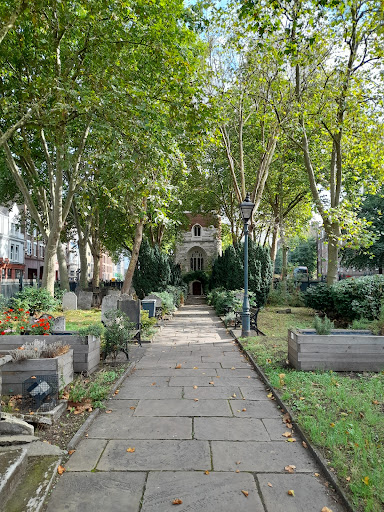
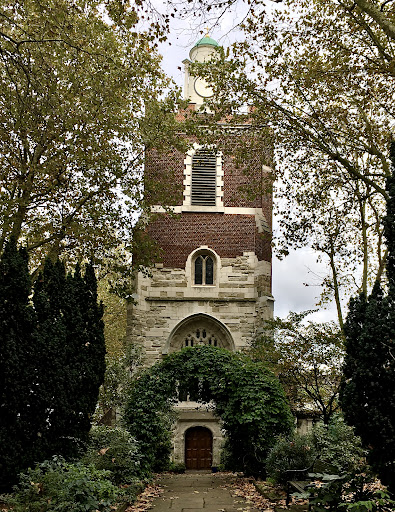
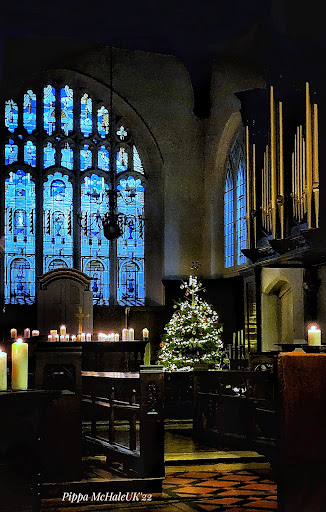
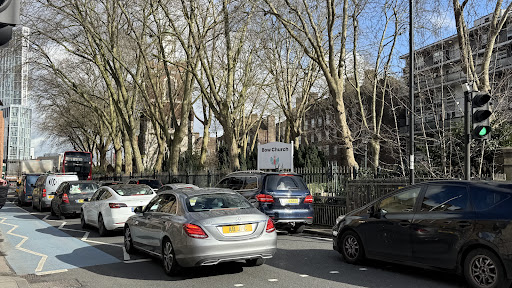
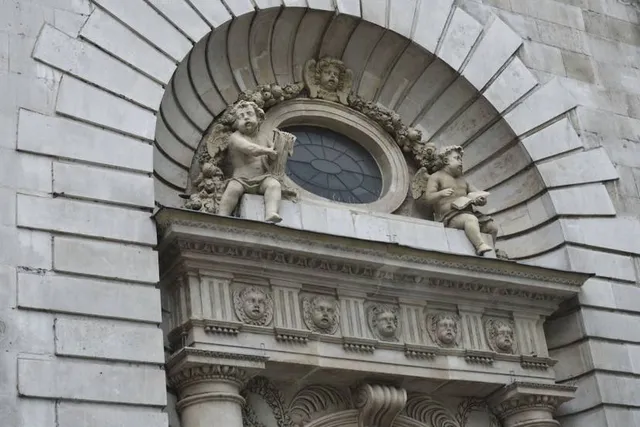
Bow Church is the parish church of St Mary and Holy Trinity, Stratford, Bow. It is located on a central reservation site in Bow Road, in Bow, in the London Borough of Tower Hamlets. There has been a church on the same site for approximately 700 years.
Cultural
Accessibility
attractions: Nunnery Gallery, Grove Hall Park, Bow Arts Trust, ABBA Arena, Three Mills Green & Three Mills Island, The House Mill, Tower Hamlets Cemetery Park, Royal Casino Slots, restaurants: Stroudley Grill & PFC, The Bow Bells, Root25, Nunnery Café, Myra Grill, McDonald's, Grounded London, Dead Pedro's - Mexican Kitchen at The Bow Bells, Original Taste, Mighty Bite Cafe, local businesses: Al-Amin Electrical Contractor, Jays hair salon, Bromley by Bow Centre, Kingsley Hall, Private Chef Giovanni, Eastern Pride Catering, The Gym Group London Bromley By Bow, Waves Hand Car Wash Bromley-by-Bow, Riverstone Heights by Way of Life, Range Reformer Pilates
 Learn more insights from Wanderboat AI.
Website
bow.church
Open hoursSee all hours
SatClosedOpen
Plan your stay

Pet-friendly Hotels in London
Find a cozy hotel nearby and make it a full experience.

Affordable Hotels in London
Find a cozy hotel nearby and make it a full experience.

The Coolest Hotels You Haven't Heard Of (Yet)
Find a cozy hotel nearby and make it a full experience.

Trending Stays Worth the Hype in London
Find a cozy hotel nearby and make it a full experience.
Reviews
Live events
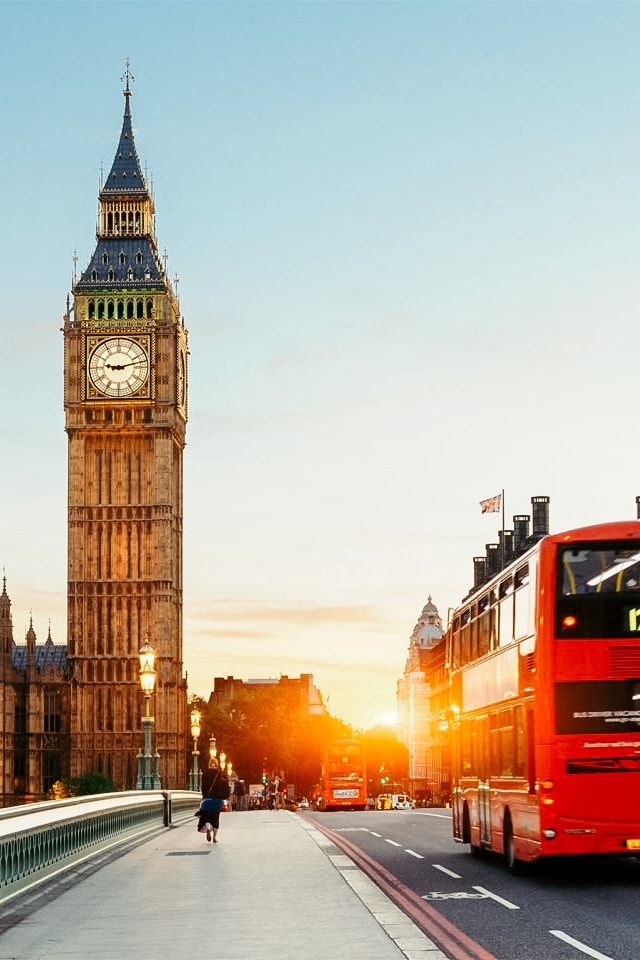
Explore 30+ London sights
Sat, Feb 14 • 10:00 AM
Greater London, W1J 9BR, United Kingdom
View details
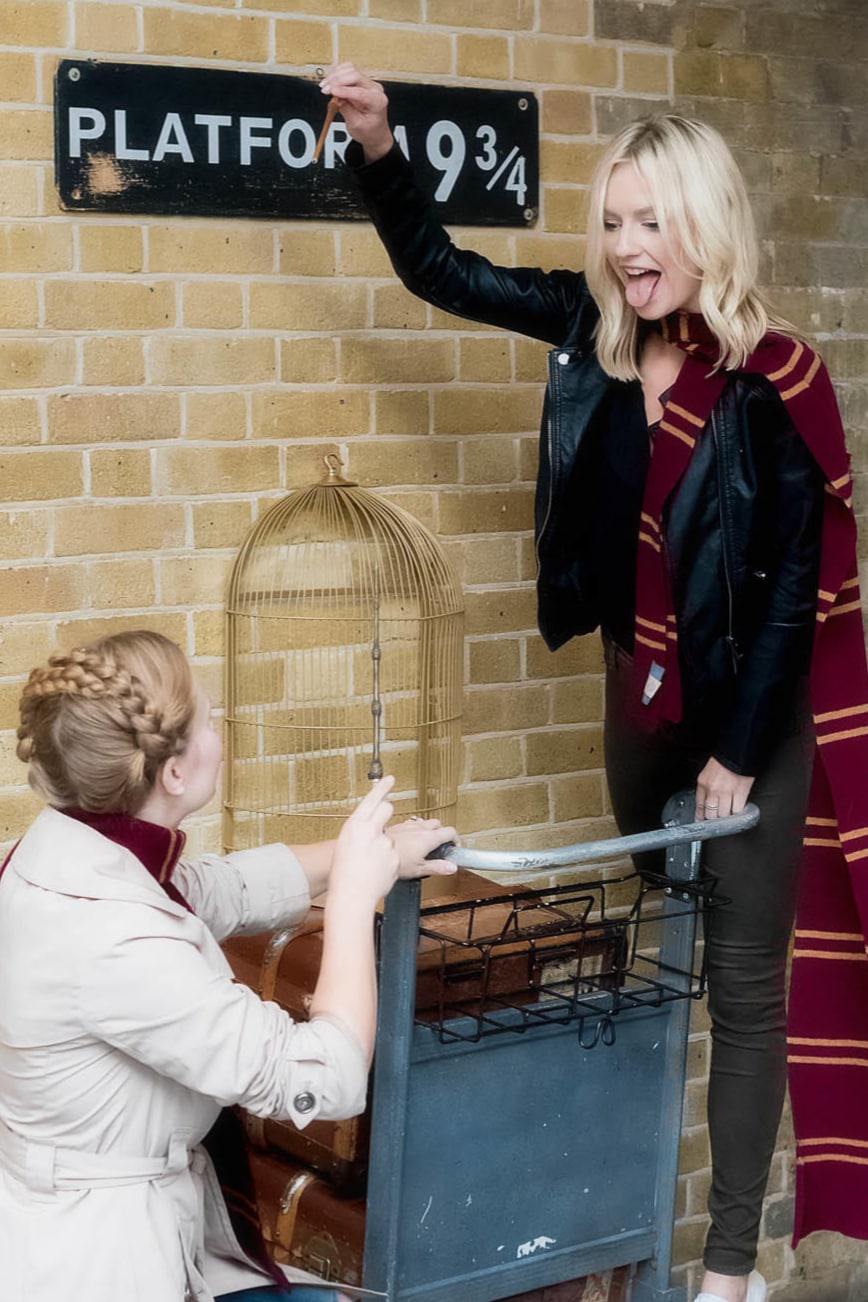
Top-Rated London Harry Potter Tour—Family Friendly
Sat, Feb 14 • 9:30 AM
Greater London, N1 9AP, United Kingdom
View details
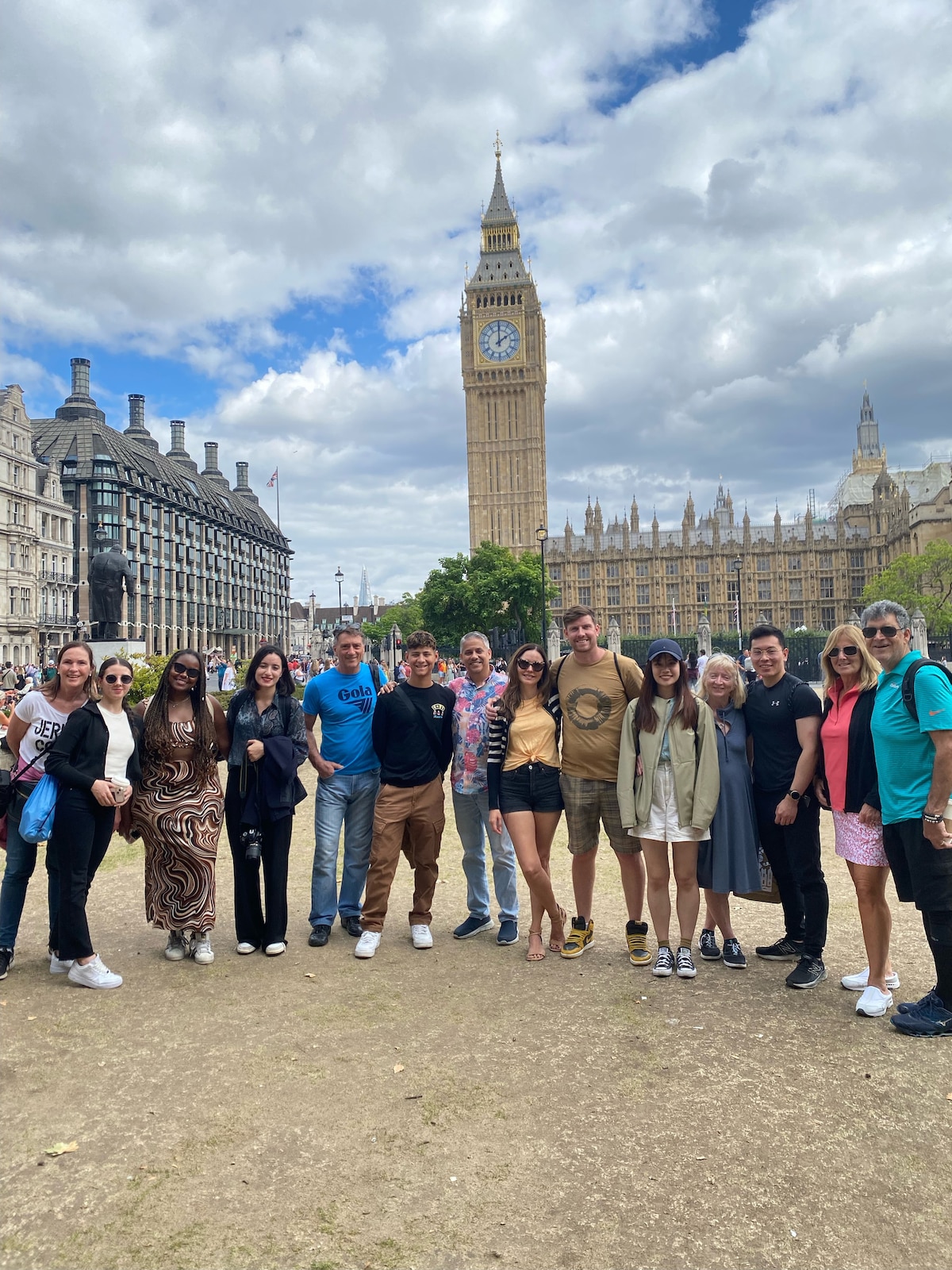
London sightseeing walking tour with 30 sights
Mon, Feb 16 • 10:00 AM
Greater London, SW1E 5EA, United Kingdom
View details
Nearby attractions of Bow Church
Nunnery Gallery
Grove Hall Park
Bow Arts Trust
ABBA Arena
Three Mills Green & Three Mills Island
The House Mill
Tower Hamlets Cemetery Park
Royal Casino Slots

Nunnery Gallery
4.4
(91)
Open until 4:00 PM
Click for details
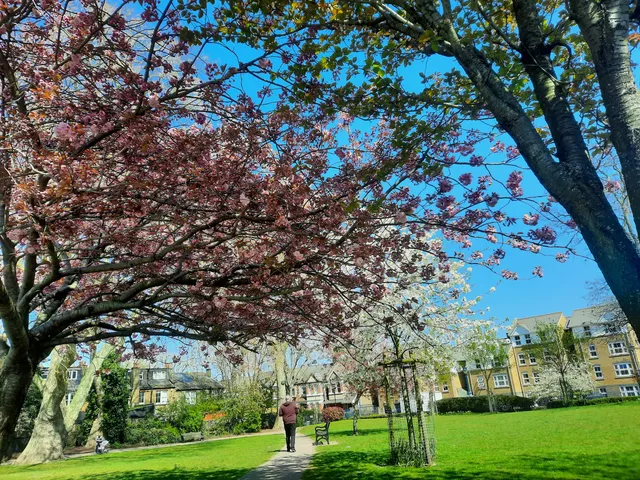
Grove Hall Park
4.3
(94)
Open until 5:00 PM
Click for details

Bow Arts Trust
4.5
(47)
Open until 12:00 AM
Click for details

ABBA Arena
4.9
(7K)
Open until 12:00 AM
Click for details
Nearby restaurants of Bow Church
Stroudley Grill & PFC
The Bow Bells
Root25
Nunnery Café
Myra Grill
McDonald's
Grounded London
Dead Pedro's - Mexican Kitchen at The Bow Bells
Original Taste
Mighty Bite Cafe
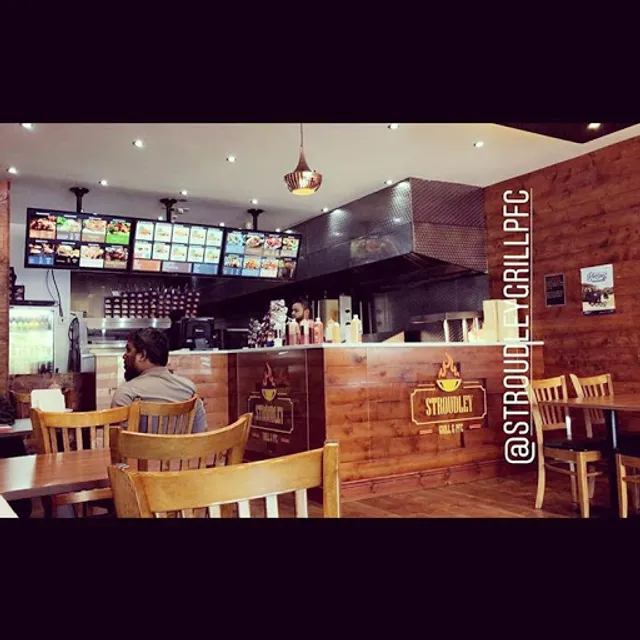
Stroudley Grill & PFC
4.4
(935)
Open until 10:30 PM
Click for details
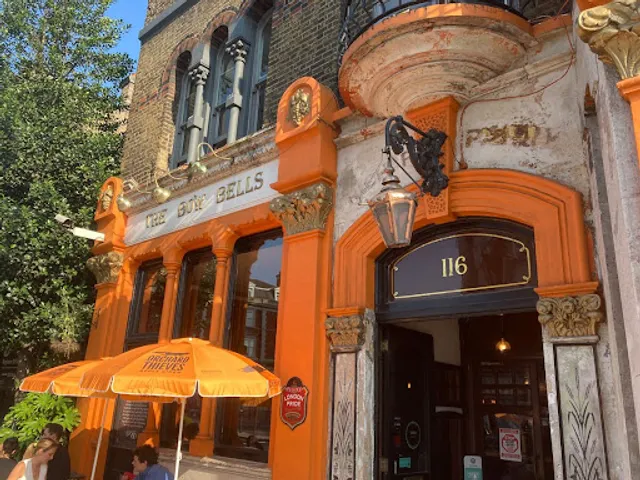
The Bow Bells
4.4
(523)
Open until 1:00 AM
Click for details
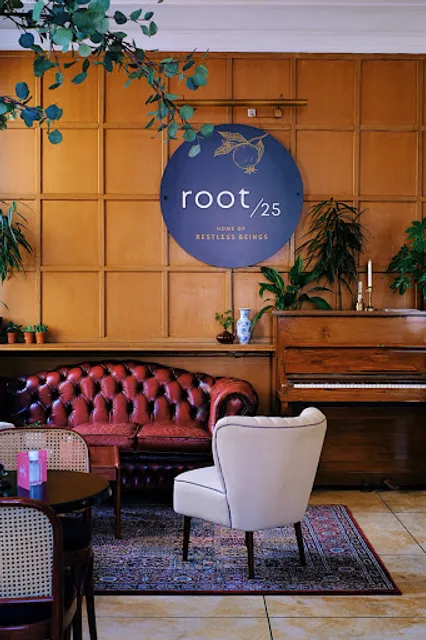
Root25
4.8
(242)
Open until 4:00 PM
Click for details
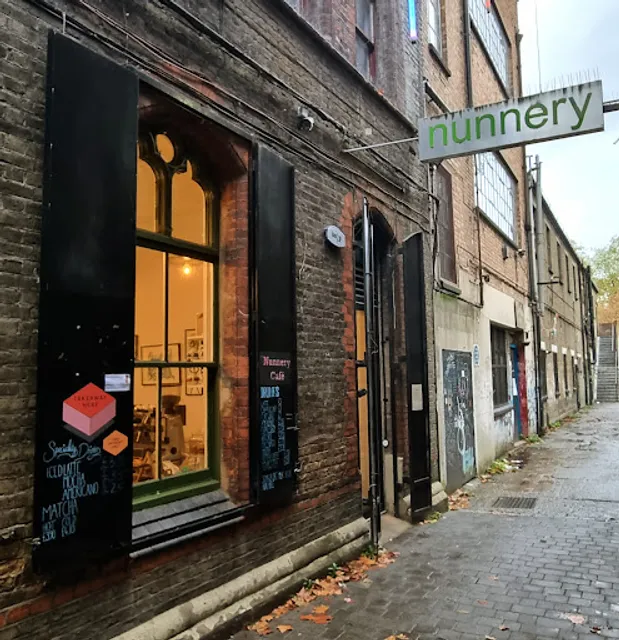
Nunnery Café
4.6
(49)
Open until 3:00 PM
Click for details
Nearby local services of Bow Church
Al-Amin Electrical Contractor
Jays hair salon
Bromley by Bow Centre
Kingsley Hall
Private Chef Giovanni
Eastern Pride Catering
The Gym Group London Bromley By Bow
Waves Hand Car Wash Bromley-by-Bow
Riverstone Heights by Way of Life
Range Reformer Pilates

Al-Amin Electrical Contractor
4.9
(292)
Click for details
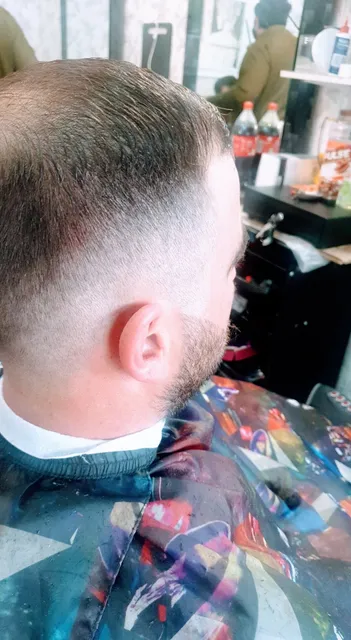
Jays hair salon
4.5
(36)
Click for details

Bromley by Bow Centre
4.4
(104)
Click for details

Kingsley Hall
4.2
(69)
Click for details


The hit list
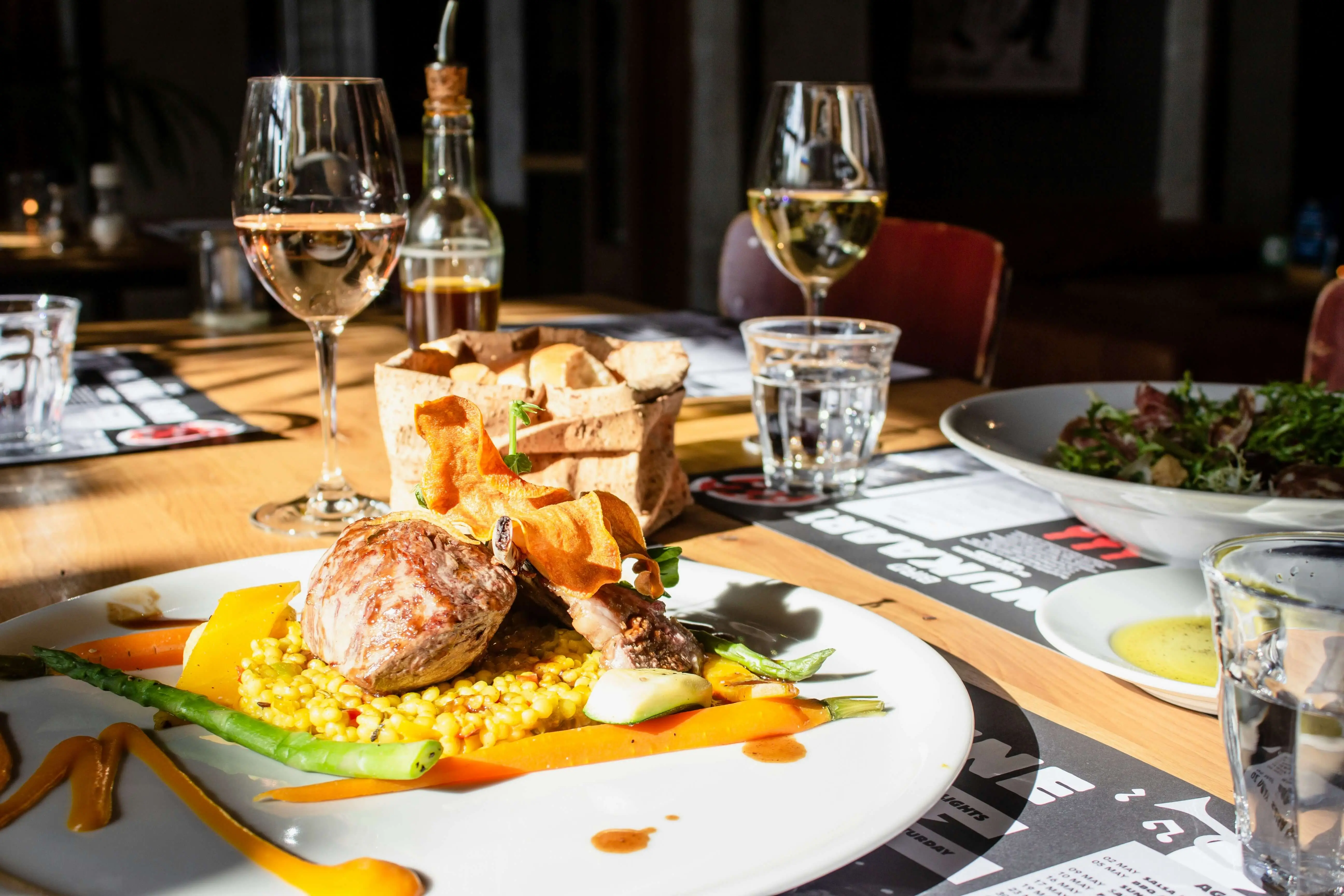

Plan your trip with Wanderboat
Welcome to Wanderboat AI, your AI search for local Eats and Fun, designed to help you explore your city and the world with ease.
Powered by Wanderboat AI trip planner.