Tomb of Karl Marx things to do, attractions, restaurants, events info and trip planning
Basic Info
Tomb of Karl Marx
Highgate Cemetery, Swain's Ln, London N6 6PJ, United Kingdom
4.4(618)
Closed

tickets
Save
spot
spot
Ratings & Description
Info
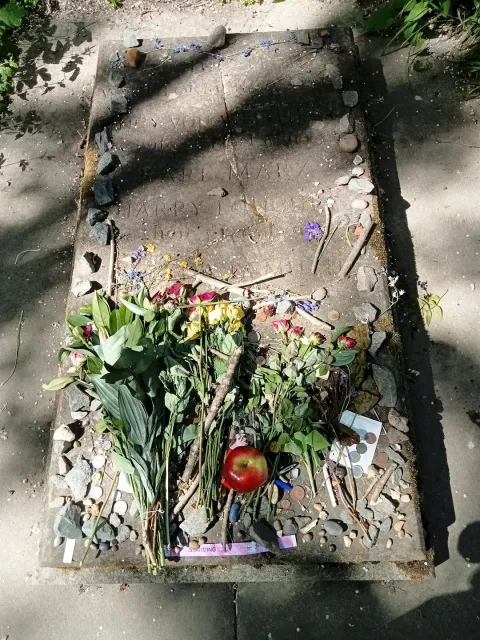
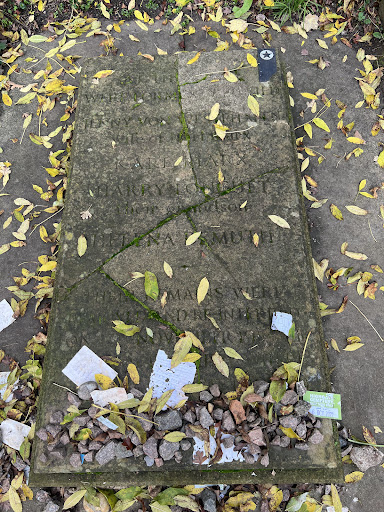
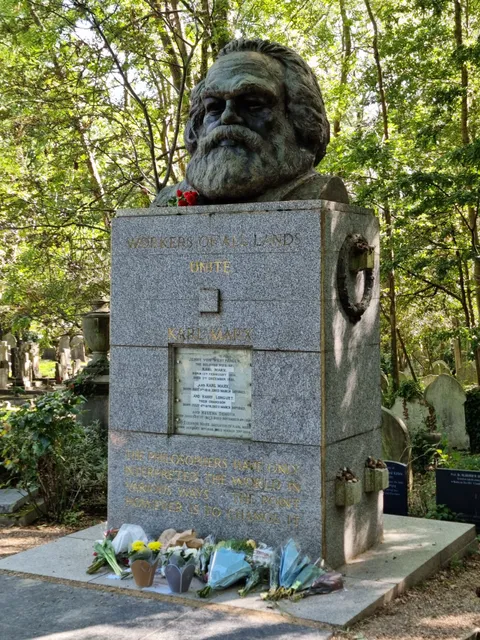
The Tomb of Karl Marx stands in the Eastern cemetery of Highgate Cemetery, North London, England. It commemorates the burial sites of Marx, of his wife, Jenny von Westphalen, and other members of his family.
Cultural
Scenic
Accessibility
attractions: Highgate Cemetery, Waterlow Park, Lauderdale House, LUX, Egyptian Avenue, OmvedGardens, Upstairs at the Gatehouse, Highgate Hill Murugan Temple, Central Saint Martins, Archway Campus, Beechwood House, restaurants: Archie's Archway, Colonnade Cafe, Oak Tree Cafe, Fabrizio's, Cricks Corner, The Star, Domino's Pizza - London - Highgate, Sushi Wa, Whittington Stone, The Duke's of Highgate, local businesses: Jason Davis - Electrician, Dexters Highgate Estate Agents, Archway Leisure Centre, AC Roofing And Carpentry Ltd, Harry Rice Hall, Holly Lodge Community Centre, Kinleigh Folkard & Hayward Highgate Estate & Lettings Agents, Skin Vitality by Lesley, Girdlestone Estate Community Centre, Yoga in Highgate
 Learn more insights from Wanderboat AI.
Phone
+44 20 8340 1834
Website
highgatecemetery.org
Open hoursSee all hours
Fri10 AM - 4 PMClosed
Plan your stay

Pet-friendly Hotels in London
Find a cozy hotel nearby and make it a full experience.

Affordable Hotels in London
Find a cozy hotel nearby and make it a full experience.

The Coolest Hotels You Haven't Heard Of (Yet)
Find a cozy hotel nearby and make it a full experience.

Trending Stays Worth the Hype in London
Find a cozy hotel nearby and make it a full experience.
Reviews
Live events
Explore 30+ London sights
Fri, Feb 27 • 10:00 AM
Greater London, W1J 9BR, United Kingdom
View details

Top-Rated London Harry Potter Tour—Family Friendly
Fri, Feb 27 • 9:30 AM
Greater London, N1 9AP, United Kingdom
View details

Walk London with a local - in easy English
Fri, Feb 27 • 10:30 AM
Greater London, W1J 9BT, United Kingdom
View details
Nearby attractions of Tomb of Karl Marx
Highgate Cemetery
Waterlow Park
Lauderdale House
LUX
Egyptian Avenue
OmvedGardens
Upstairs at the Gatehouse
Highgate Hill Murugan Temple
Central Saint Martins, Archway Campus
Beechwood House
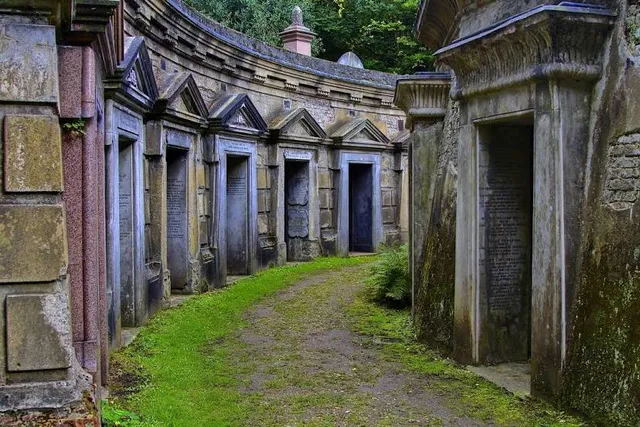
Highgate Cemetery
4.7
(736)
Closed
Click for details
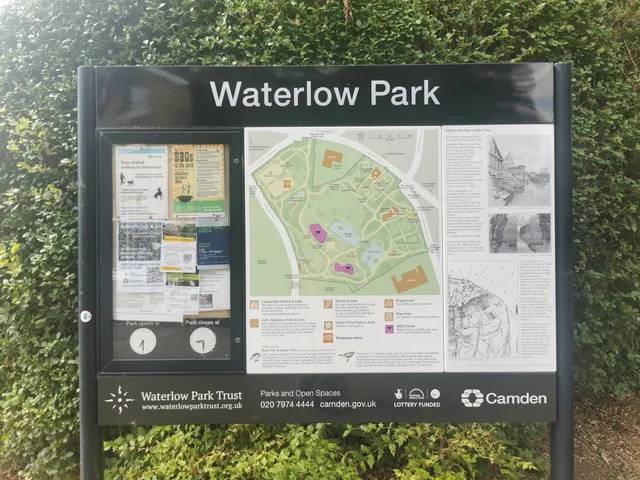
Waterlow Park
4.7
(1.3K)
Closed
Click for details
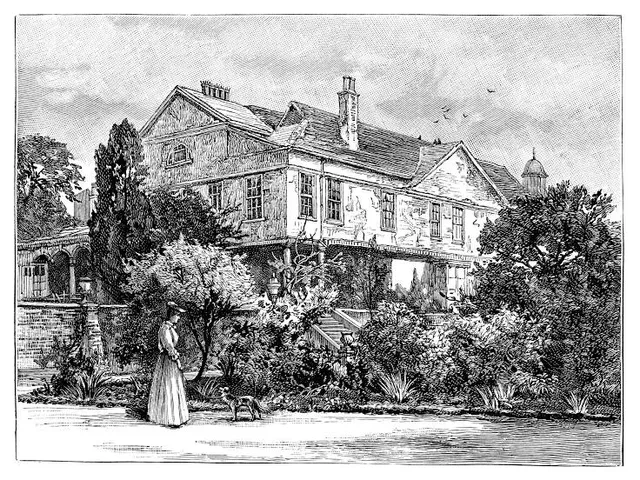
Lauderdale House
4.2
(86)
Closed
Click for details
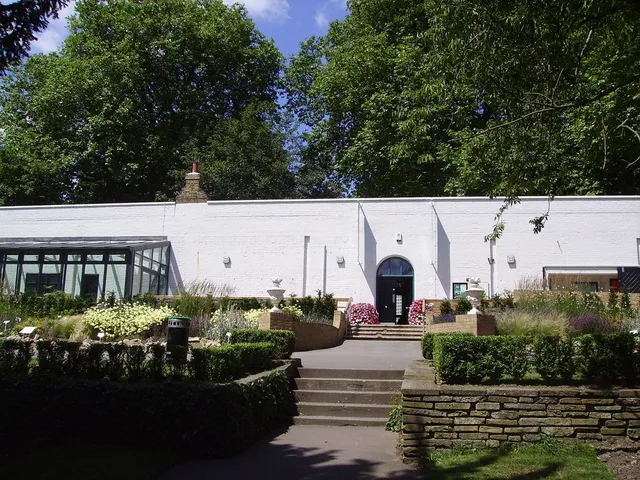
LUX
4.8
(9)
Open until 12:00 AM
Click for details
Nearby restaurants of Tomb of Karl Marx
Archie's Archway
Colonnade Cafe
Oak Tree Cafe
Fabrizio's
Cricks Corner
The Star
Domino's Pizza - London - Highgate
Sushi Wa
Whittington Stone
The Duke's of Highgate
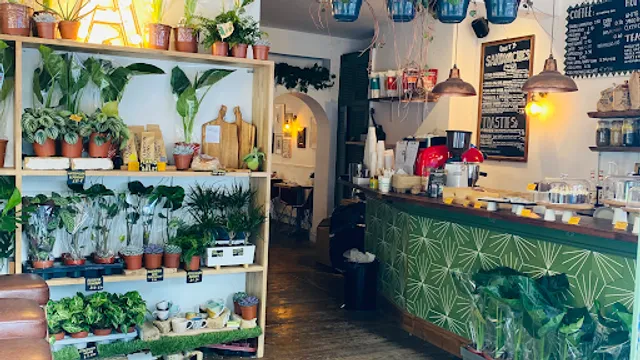
Archie's Archway
4.4
(271)
Closed
Click for details
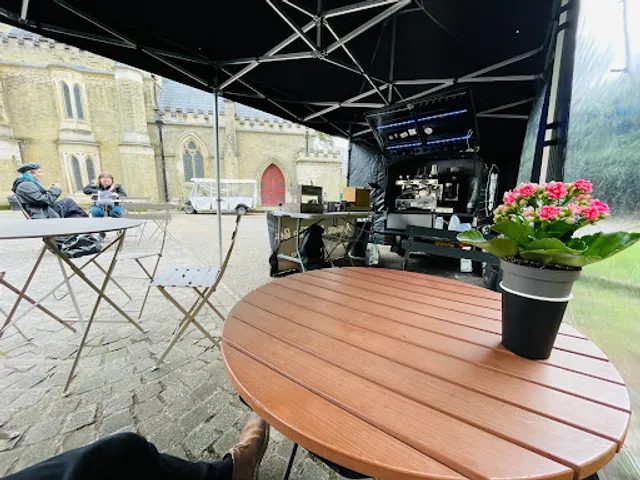
Colonnade Cafe
4.9
(30)
Closed
Click for details
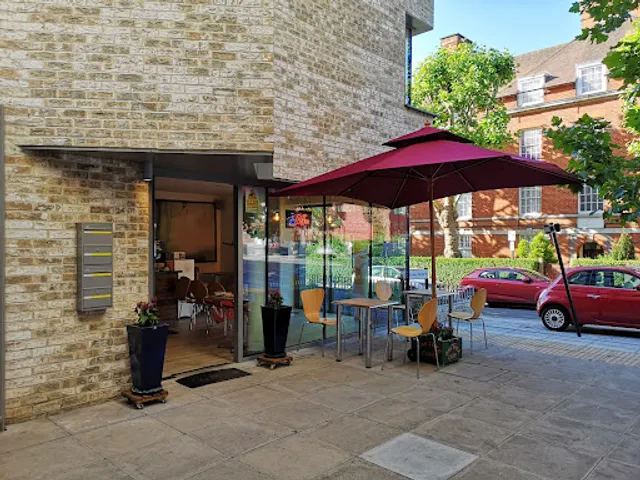
Oak Tree Cafe
4.6
(46)
Closed
Click for details
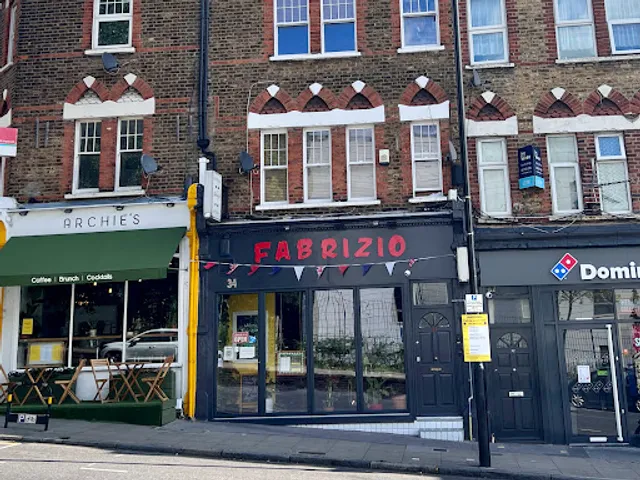
Fabrizio's
4.7
(223)
Closed
Click for details
Nearby local services of Tomb of Karl Marx
Jason Davis - Electrician
Dexters Highgate Estate Agents
Archway Leisure Centre
AC Roofing And Carpentry Ltd
Harry Rice Hall
Holly Lodge Community Centre
Kinleigh Folkard & Hayward Highgate Estate & Lettings Agents
Skin Vitality by Lesley
Girdlestone Estate Community Centre
Yoga in Highgate

Jason Davis - Electrician
5.0
(53)
Click for details

Dexters Highgate Estate Agents
4.9
(538)
Click for details
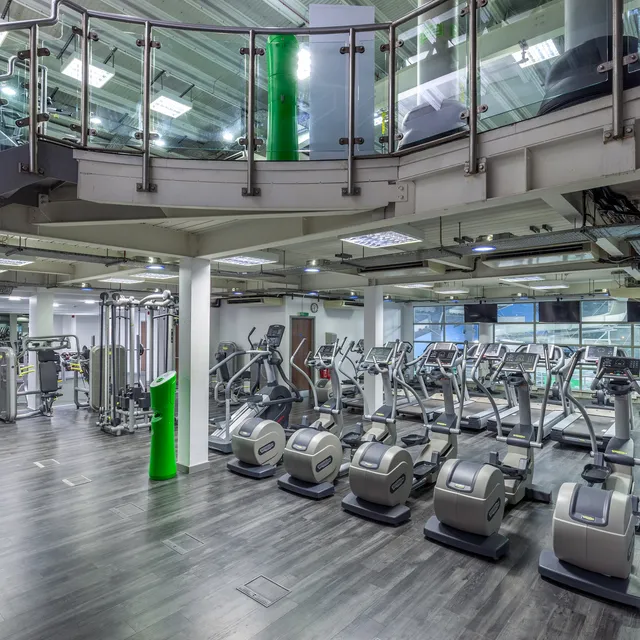
Archway Leisure Centre
3.6
(404)
Click for details

AC Roofing And Carpentry Ltd
5.0
(15)
Click for details


The hit list


Plan your trip with Wanderboat
Welcome to Wanderboat AI, your AI search for local Eats and Fun, designed to help you explore your city and the world with ease.
Powered by Wanderboat AI trip planner.