Elizabeth Gaskell's House things to do, attractions, restaurants, events info and trip planning
Basic Info
Elizabeth Gaskell's House
84 Plymouth Grove, Manchester M13 9LW, United Kingdom
4.7(277)
Closed


tickets
Save
spot
spot
Ratings & Description
Info
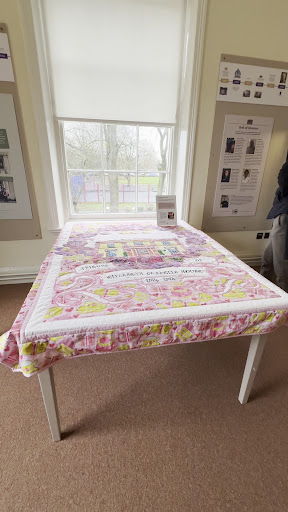
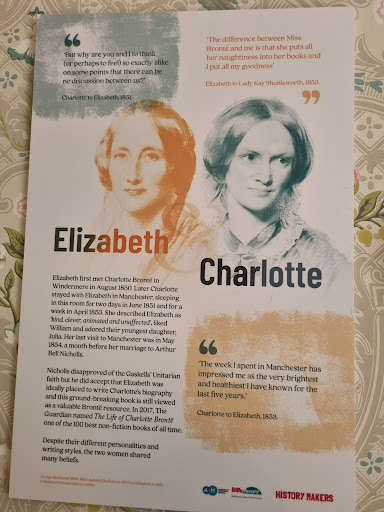
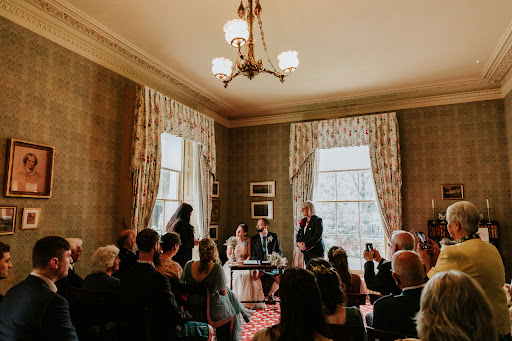
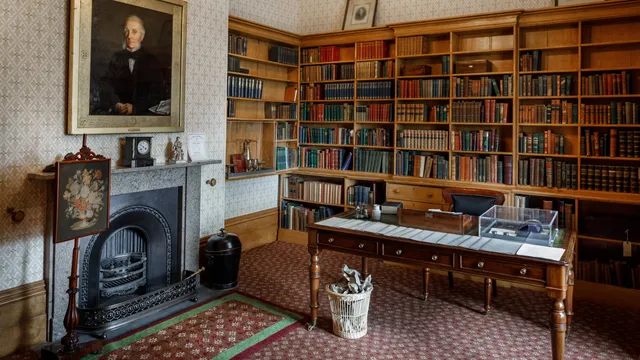
84 Plymouth Grove, now known as Elizabeth Gaskell's House, is a writer's house museum in Manchester, England. The Grade II* listed neoclassical villa was the residence of William and Elizabeth Gaskell from 1850 till their deaths in 1884 and 1865 respectively.
Cultural
Relaxation
Family friendly
Accessibility
attractions: Swinton Grove Park, Chuck Gallery, Victoria Baths, The Pankhurst Centre, O2 Apollo, The Whitworth, Whitworth Park, The University of Manchester, Manchester Museum, Manchester Central Mosque [Victoria Park], restaurants: Plymouth Grove Chinese Restaurant, Safire Restaurant & Grill, Seoul Kimchi, Grafton Arms, Turing Tap, Munch Takeaway, 5 Akhis - Manchester, Big Hands, Heavenly Desserts Manchester, McDonald's, local businesses: Boss barbers, Buddha Express, Gaza Fried Chicken, Tops Pizza Manchester M13, Urban Spice Manchester, The West Indian Community Centre, McCrory Hair, Dough Club, The Gym Group Manchester Oxford Road, W.H. Lung Supermarket
 Learn more insights from Wanderboat AI.
Phone
+44 161 273 2215
Website
elizabethgaskellhouse.co.uk
Open hoursSee all hours
Thu11 AM - 4:30 PMClosed
Plan your stay

Pet-friendly Hotels in Manchester
Find a cozy hotel nearby and make it a full experience.

Affordable Hotels in Manchester
Find a cozy hotel nearby and make it a full experience.

The Coolest Hotels You Haven't Heard Of (Yet)
Find a cozy hotel nearby and make it a full experience.

Trending Stays Worth the Hype in Manchester
Find a cozy hotel nearby and make it a full experience.
Reviews
Live events

Bubble Planet: An Immersive Experience in Manchester
Thu, Feb 26 • 10:00 AM
11 Baring Street, Manchester, M1 2PY
View details
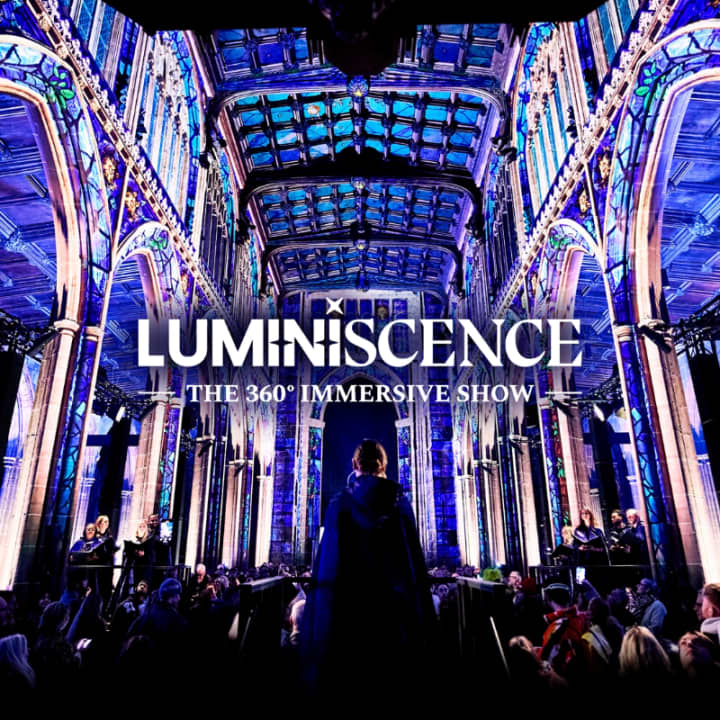
LUMINISCENCE Manchester: The 360° Immersive Show - UK Premiere
Thu, Feb 26 • 7:00 PM
Victoria Street, Manchester, M3 1SX
View details

Machu Picchu: Journey to the Lost City
Thu, Feb 26 • 11:00 AM
Transmission House, 11 Tib St, Manchester, M4 1AF
View details
Nearby attractions of Elizabeth Gaskell's House
Swinton Grove Park
Chuck Gallery
Victoria Baths
The Pankhurst Centre
O2 Apollo
The Whitworth
Whitworth Park
The University of Manchester
Manchester Museum
Manchester Central Mosque [Victoria Park]
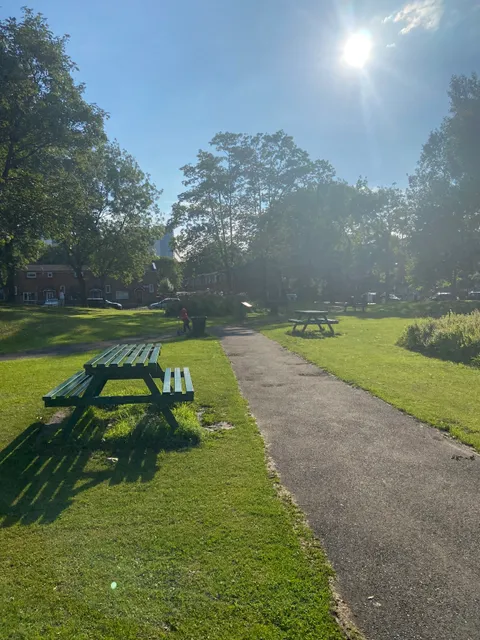
Swinton Grove Park
4.2
(200)
Open until 12:00 AM
Click for details
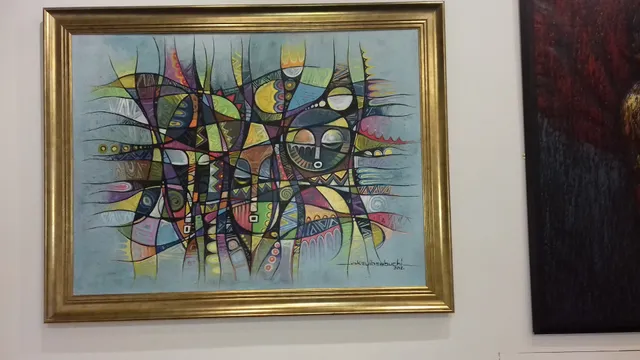
Chuck Gallery
4.6
(41)
Closed
Click for details
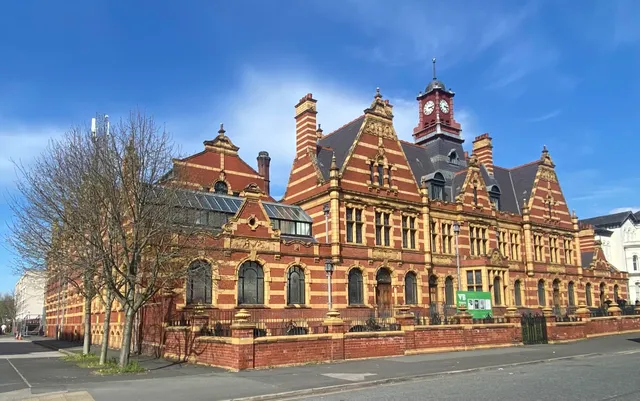
Victoria Baths
4.7
(687)
Open until 12:00 AM
Click for details
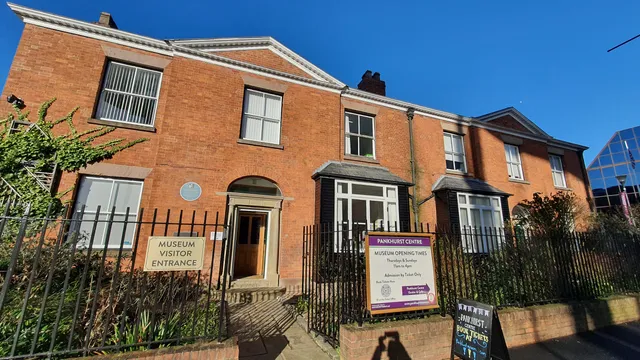
The Pankhurst Centre
4.6
(129)
Open until 12:00 AM
Click for details
Nearby restaurants of Elizabeth Gaskell's House
Plymouth Grove Chinese Restaurant
Safire Restaurant & Grill
Seoul Kimchi
Grafton Arms
Turing Tap
Munch Takeaway
5 Akhis - Manchester
Big Hands
Heavenly Desserts Manchester
McDonald's
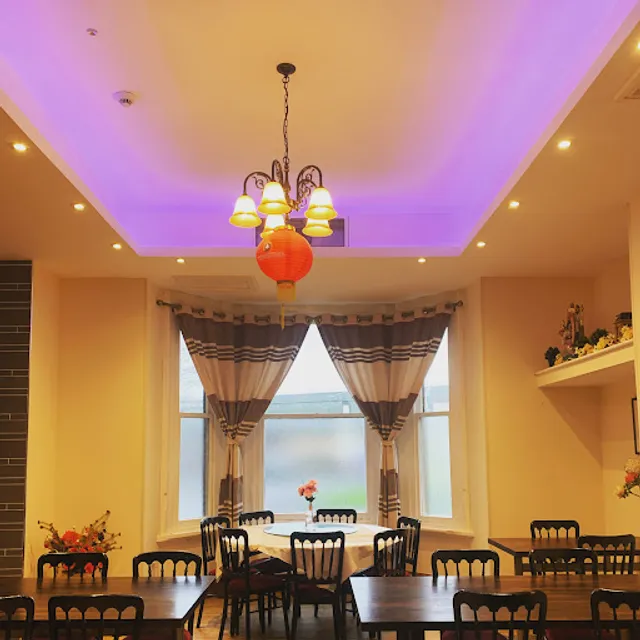
Plymouth Grove Chinese Restaurant
4.4
(232)
Closed
Click for details
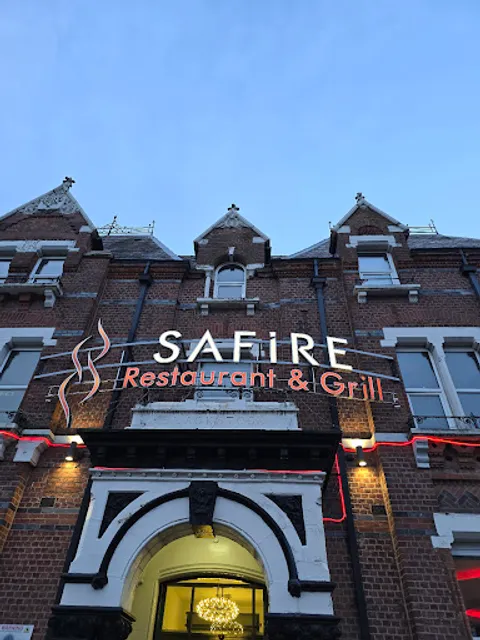
Safire Restaurant & Grill
4.5
(763)
$
Closed
Click for details
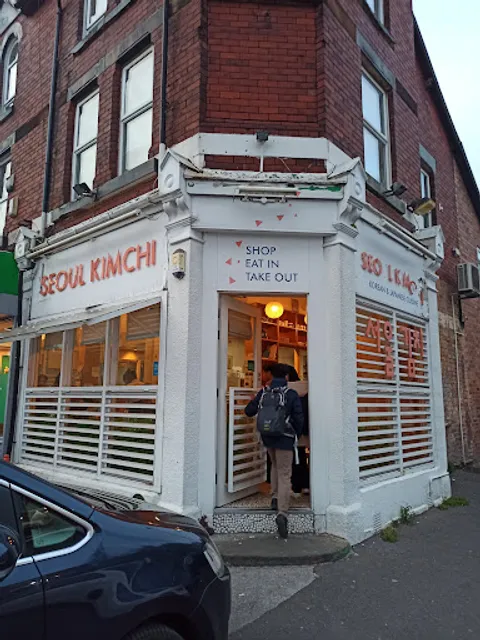
Seoul Kimchi
4.6
(528)
$
Closed
Click for details
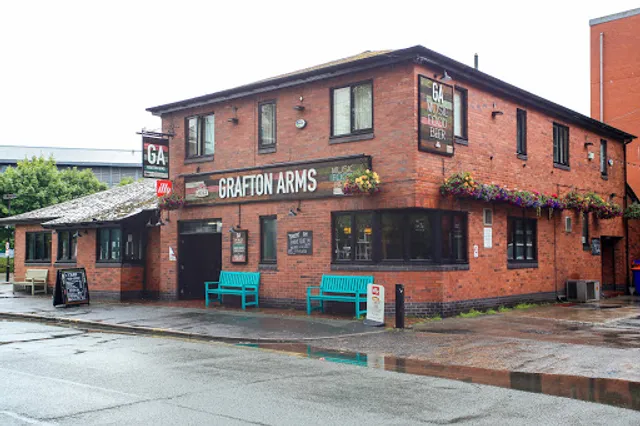
Grafton Arms
4.2
(247)
Closed
Click for details
Nearby local services of Elizabeth Gaskell's House
Boss barbers
Buddha Express
Gaza Fried Chicken
Tops Pizza Manchester M13
Urban Spice Manchester
The West Indian Community Centre
McCrory Hair
Dough Club
The Gym Group Manchester Oxford Road
W.H. Lung Supermarket

Boss barbers
4.8
(239)
Click for details
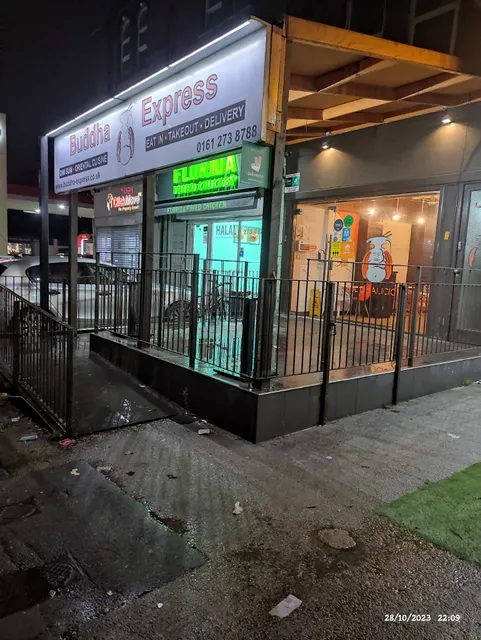
Buddha Express
3.1
(115)
Click for details

Gaza Fried Chicken
4.7
(84)
Click for details

Tops Pizza Manchester M13
4.8
(269)
Click for details