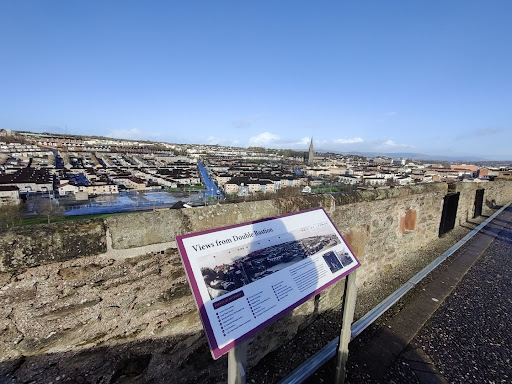
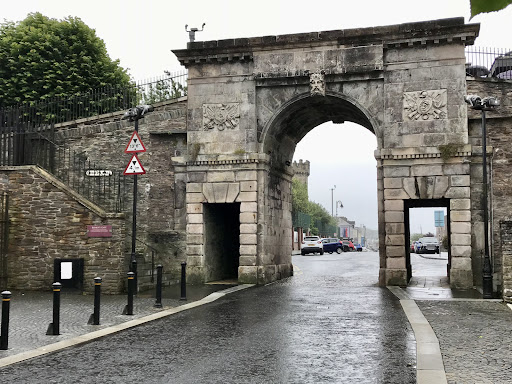
The Derry Walls things to do, attractions, restaurants, events info and trip planning
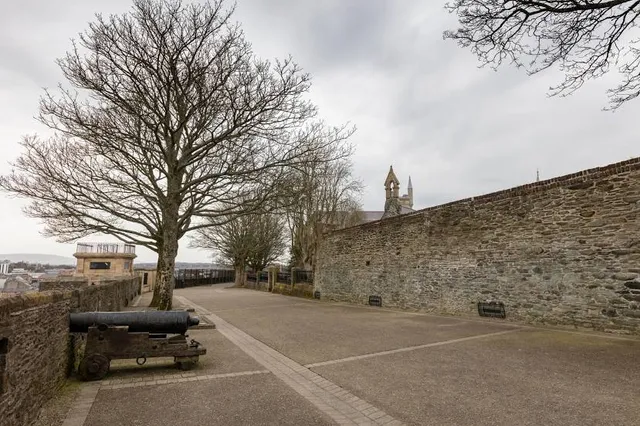
Basic Info
The Derry Walls
The Diamond, Londonderry BT48 6HW, United Kingdom
4.7(1.3K)
Open until 12:00 AM
Save
spot
spot
Ratings & Description
Info
Cultural
Outdoor
Scenic
Family friendly
attractions: Free Derry Corner, Apprentice Boy's Memorial Hall, The Siege Museum, St Augustine's Church of Ireland, Museum of Free Derry, Bloody Sunday Monument, St Columb's Cathedral, Millennium Forum Theatre and Conference Centre, Derry Girls Mural, The Playhouse, restaurants: The Rocking Chair, The Sandwich Co, Brøn Cafe Bar and Restaurant, Nine Hostages Coffee, Dungloe Bar, Peadar O'Donnell's, Madame Pho Derry, Brickwork, Claudes Café, The Bentley Bar, local businesses: The Richmond Centre, Foyleside Shopping Centre, Pippa, Gimme Goodies, The St Columba Heritage Centre., Omniplex Cinema Derry, The Bogside Artists, Puca Puca Games, Walled City Tours
 Learn more insights from Wanderboat AI.
Phone
+44 7894 534553
Website
thederrywalls.com
Open hoursSee all hours
MonOpen 24 hoursOpen
Plan your stay

Pet-friendly Hotels in Northern Ireland
Find a cozy hotel nearby and make it a full experience.

Affordable Hotels in Northern Ireland
Find a cozy hotel nearby and make it a full experience.

The Coolest Hotels You Haven't Heard Of (Yet)
Find a cozy hotel nearby and make it a full experience.

Trending Stays Worth the Hype in Northern Ireland
Find a cozy hotel nearby and make it a full experience.
Reviews
Live events
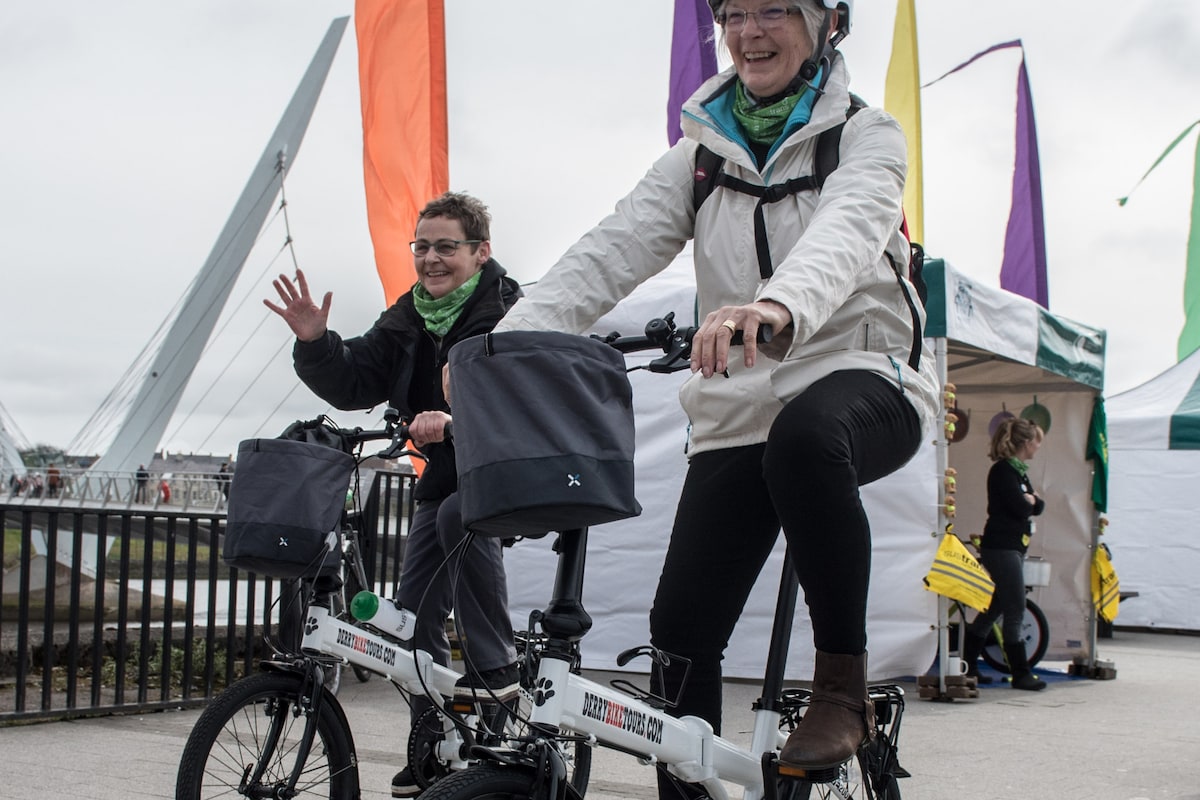
Guided City Bike Tour
Fri, Feb 27 • 12:00 PM
Derry and Strabane, BT48 6AT, United Kingdom
View details
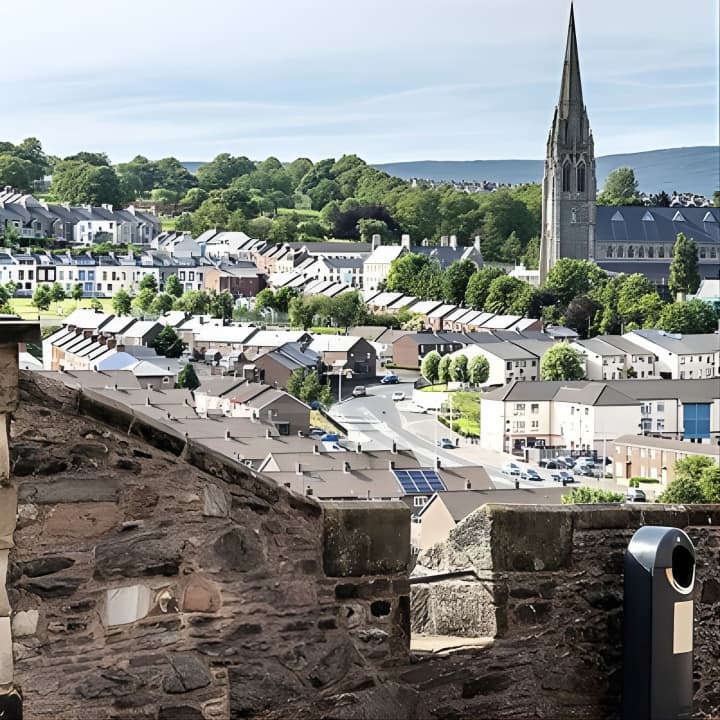
Derrie Danders: Highlights of the Walled City a Self-Guided Audio Tour
Mon, Feb 23 • 12:00 AM
17 Waterloo Pl, Dublin, 00000
View details
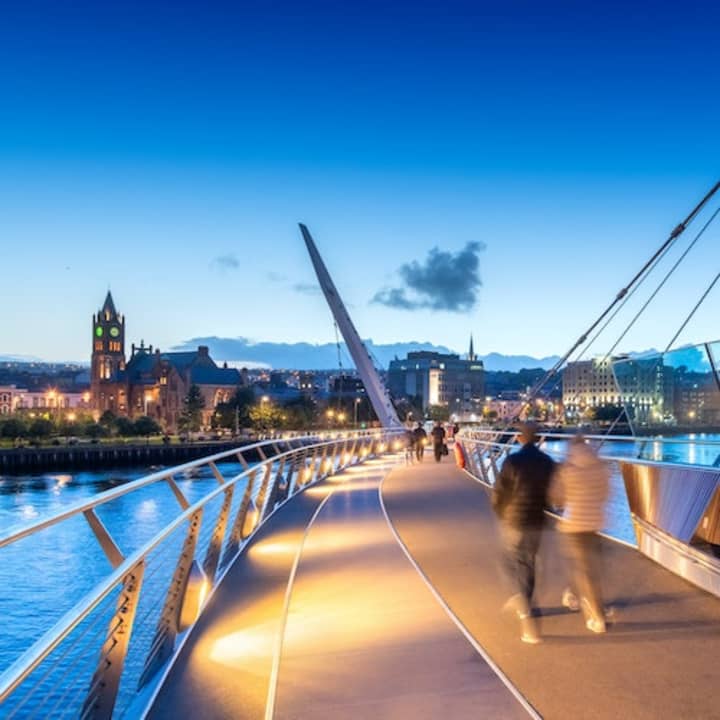
Visit Derry Pass
Mon, Feb 23 • 12:00 AM
Londonderry, BT48 7BB
View details
Nearby attractions of The Derry Walls
Free Derry Corner
Apprentice Boy's Memorial Hall
The Siege Museum
St Augustine's Church of Ireland
Museum of Free Derry
Bloody Sunday Monument
St Columb's Cathedral
Millennium Forum Theatre and Conference Centre
Derry Girls Mural
The Playhouse
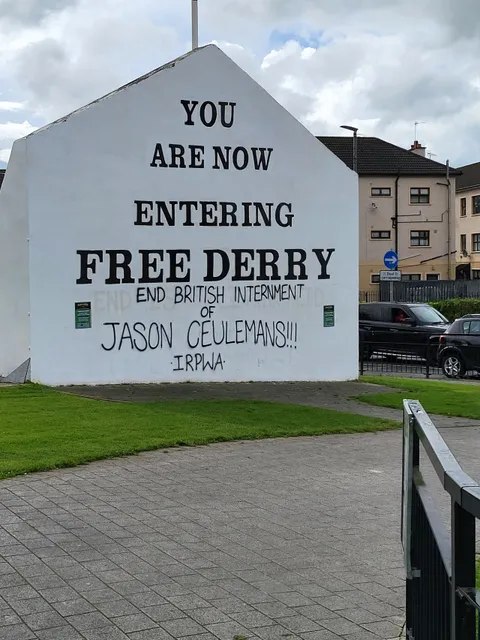
Free Derry Corner
4.7
(1.1K)
Open until 12:00 AM
Click for details
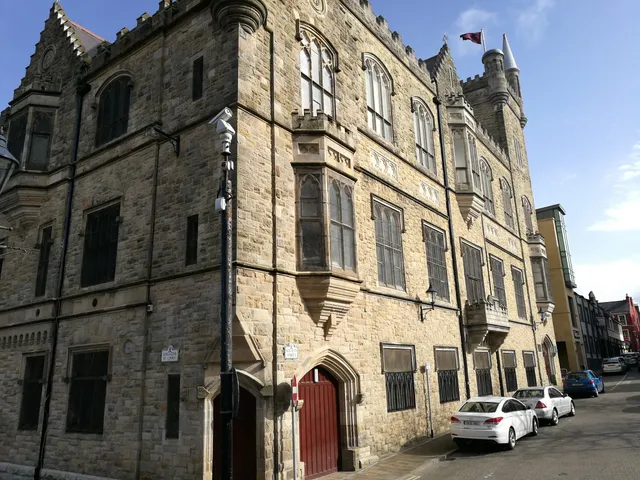
Apprentice Boy's Memorial Hall
4.9
(138)
Open until 12:00 AM
Click for details
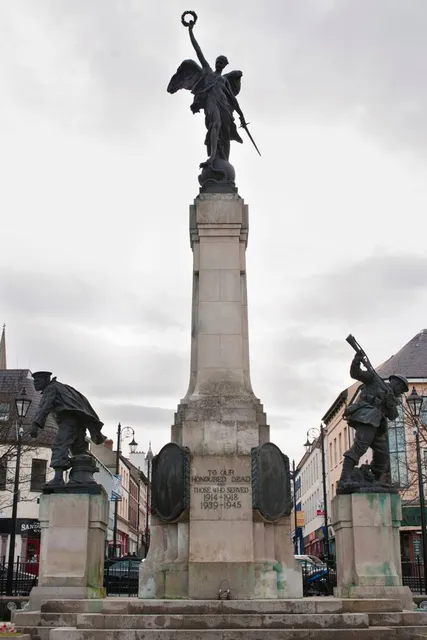
The Siege Museum
4.4
(119)
Open until 12:00 AM
Click for details
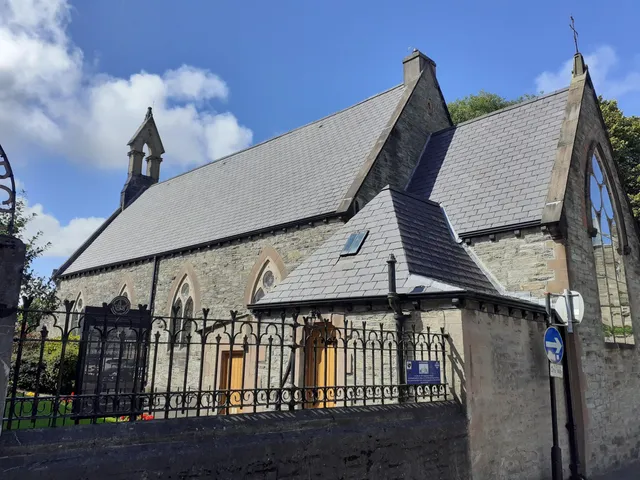
St Augustine's Church of Ireland
4.7
(50)
Open 24 hours
Click for details
Nearby restaurants of The Derry Walls
The Rocking Chair
The Sandwich Co
Brøn Cafe Bar and Restaurant
Nine Hostages Coffee
Dungloe Bar
Peadar O'Donnell's
Madame Pho Derry
Brickwork
Claudes Café
The Bentley Bar
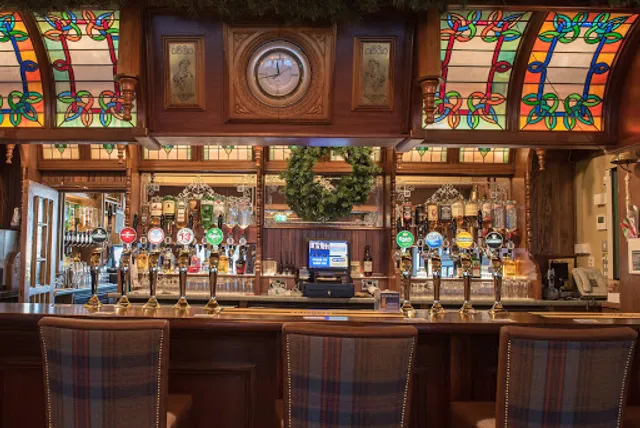
The Rocking Chair
4.5
(300)
Closed
Click for details
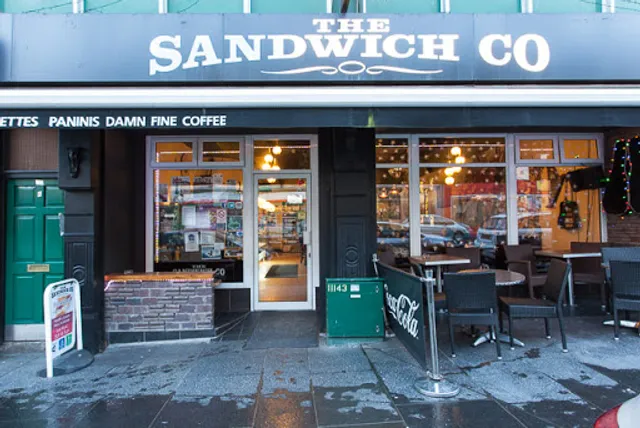
The Sandwich Co
4.4
(245)
Closed
Click for details
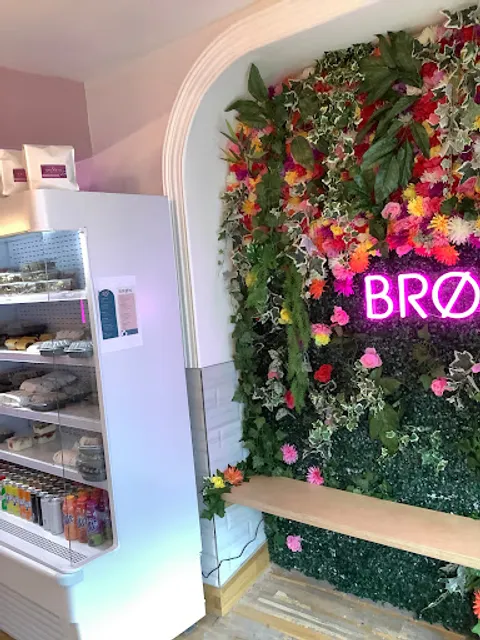
Brøn Cafe Bar and Restaurant
4.4
(148)
Click for details
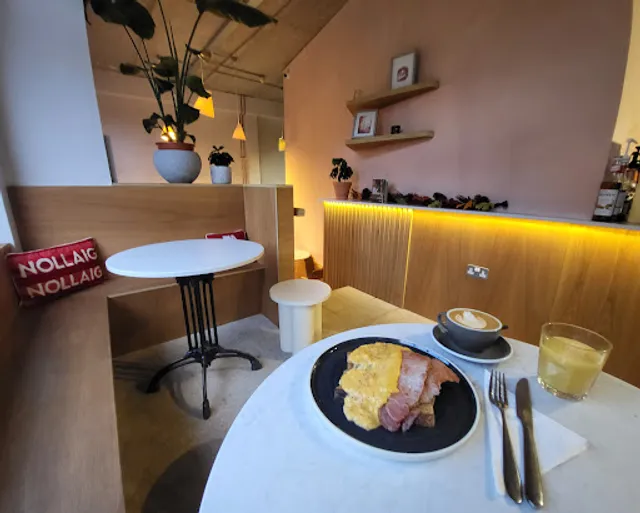
Nine Hostages Coffee
4.5
(153)
Closed
Click for details
Nearby local services of The Derry Walls
The Richmond Centre
Foyleside Shopping Centre
Pippa
Gimme Goodies
The St Columba Heritage Centre.
Omniplex Cinema Derry
The Bogside Artists
Puca Puca Games
Walled City Tours
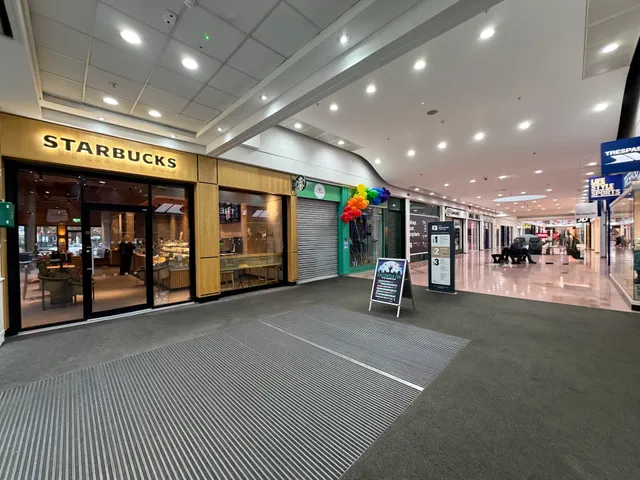
The Richmond Centre
4.2
(1.1K)
Click for details
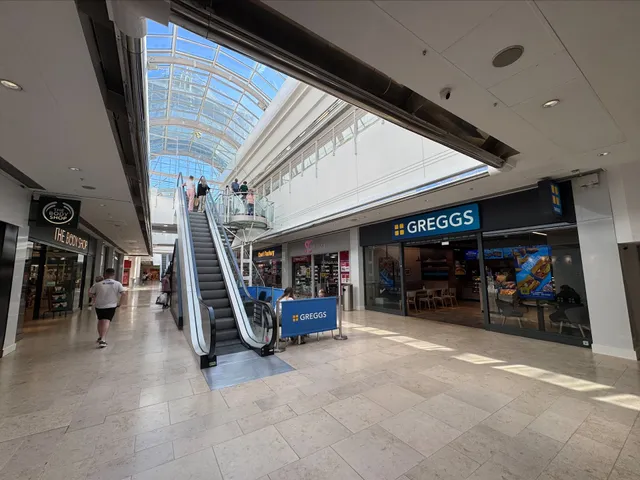
Foyleside Shopping Centre
4.4
(422)
Click for details
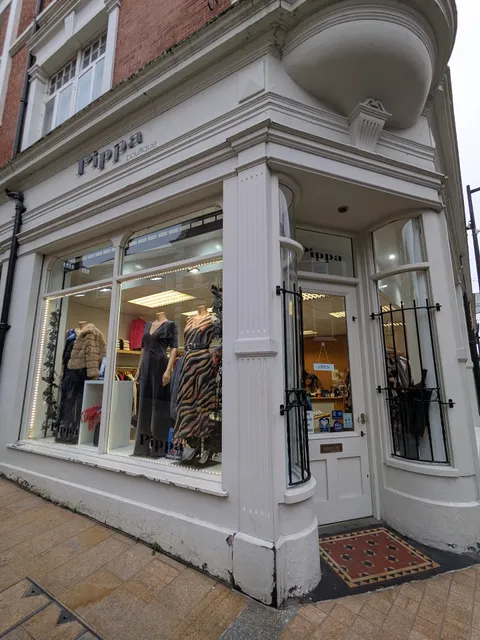
Pippa
4.6
(22)
Click for details
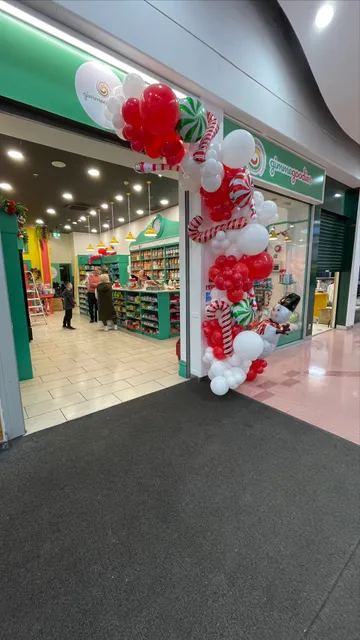
Gimme Goodies
4.6
(14)
Click for details