Oxford University Museum of Natural History things to do, attractions, restaurants, events info and trip planning
Basic Info
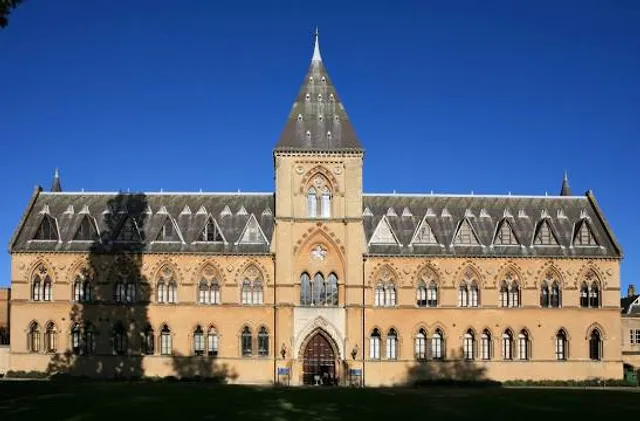
Oxford University Museum of Natural History
Parks Rd, Oxford OX1 3PW, United Kingdom
4.8(4.4K)
Closed
Save
spot
spot
Ratings & Description
Info
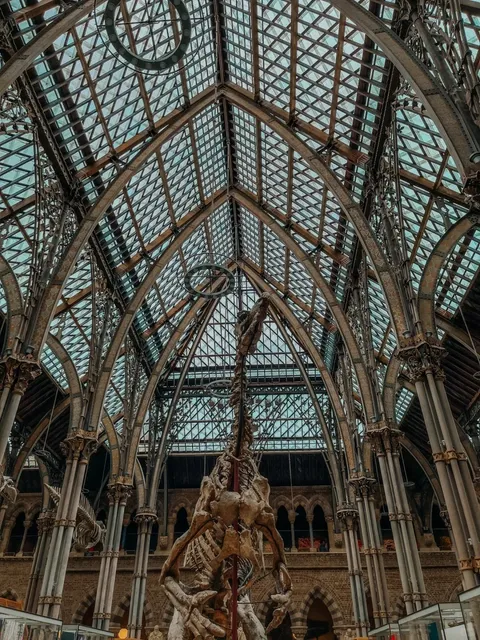
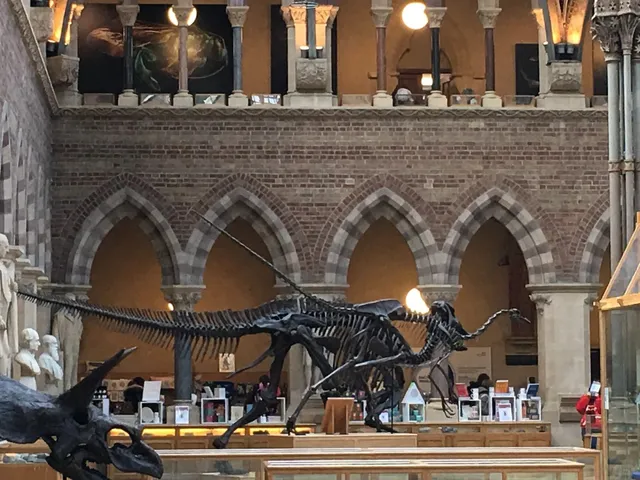
The Oxford University Museum of Natural History is a museum displaying many of the University of Oxford's natural history specimens, located on Parks Road in Oxford, England. It also contains a lecture theatre which is used by the university's chemistry, zoology and mathematics departments.
Cultural
Family friendly
Accessibility
attractions: Pitt Rivers Museum, University of Oxford, Radcliffe Science Library, Keble College, History of Science Museum, The Sheldonian Theatre, Martyrs' Memorial, Oxford Oratory Church of St Aloysius Gonzaga, Ashmolean Museum, New Theatre Oxford, restaurants: Horsebox Coffee Co, Lamb and Flag, Browns Oxford, The Eagle and Child, Turf Tavern, King's Arms, Oxford, Rincha Thai Café, Ramen Kulture, Parsonage Grill, Pierre Victoire – French Restaurant & Bistrot, local businesses: University Parks, Mansfield College, Keble College Chapel, Blushes Oxford Hair Salon, Glowbar Oxford, Popham Hairdressing Jericho, Oxford Walking Tours, Oxfam Bookshop, Blackwell's Sci-fi, Manga & Games, St. Giles' Barbers
 Learn more insights from Wanderboat AI.
Phone
+44 1865 272950
Website
oumnh.ox.ac.uk
Open hoursSee all hours
Fri10 AM - 5 PMClosed
Plan your stay

Pet-friendly Hotels in Oxford
Find a cozy hotel nearby and make it a full experience.

Affordable Hotels in Oxford
Find a cozy hotel nearby and make it a full experience.

The Coolest Hotels You Haven't Heard Of (Yet)
Find a cozy hotel nearby and make it a full experience.

Trending Stays Worth the Hype in Oxford
Find a cozy hotel nearby and make it a full experience.
Reviews
Live events
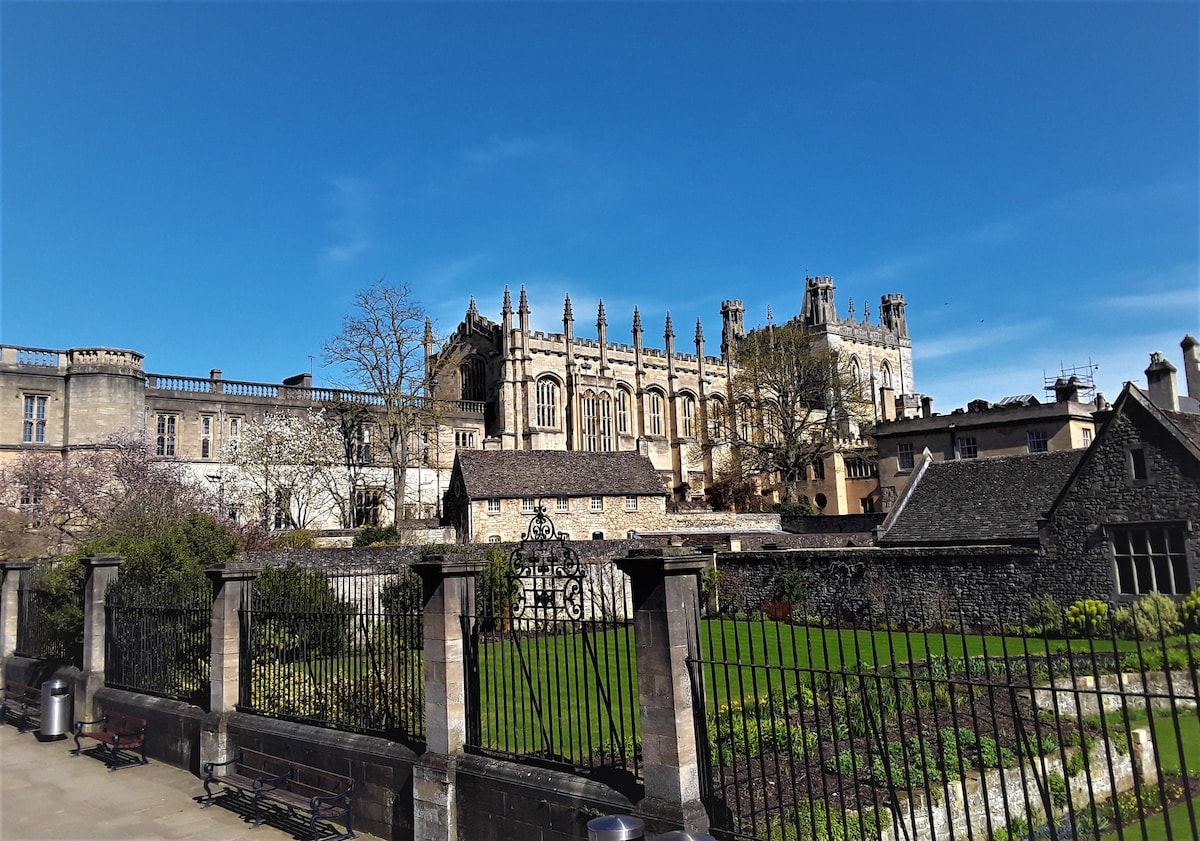
Escape to Oxford and explore its rich history
Fri, Feb 20 • 11:00 AM
Oxfordshire, OX1 3AE, United Kingdom
View details
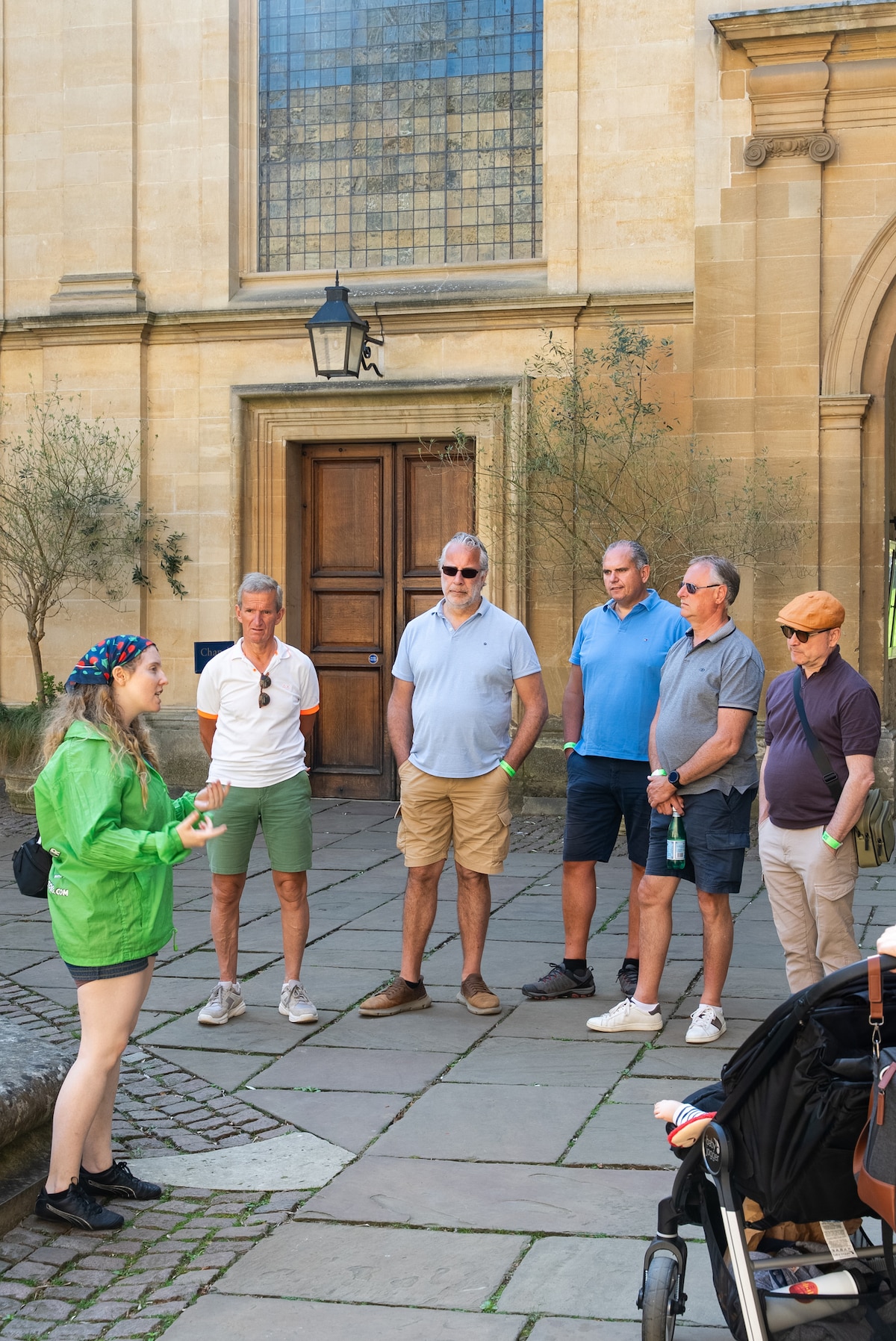
Explore Oxford University with Oxford Alumni
Fri, Feb 20 • 9:00 AM
Oxford, OX1 3AS, United Kingdom
View details
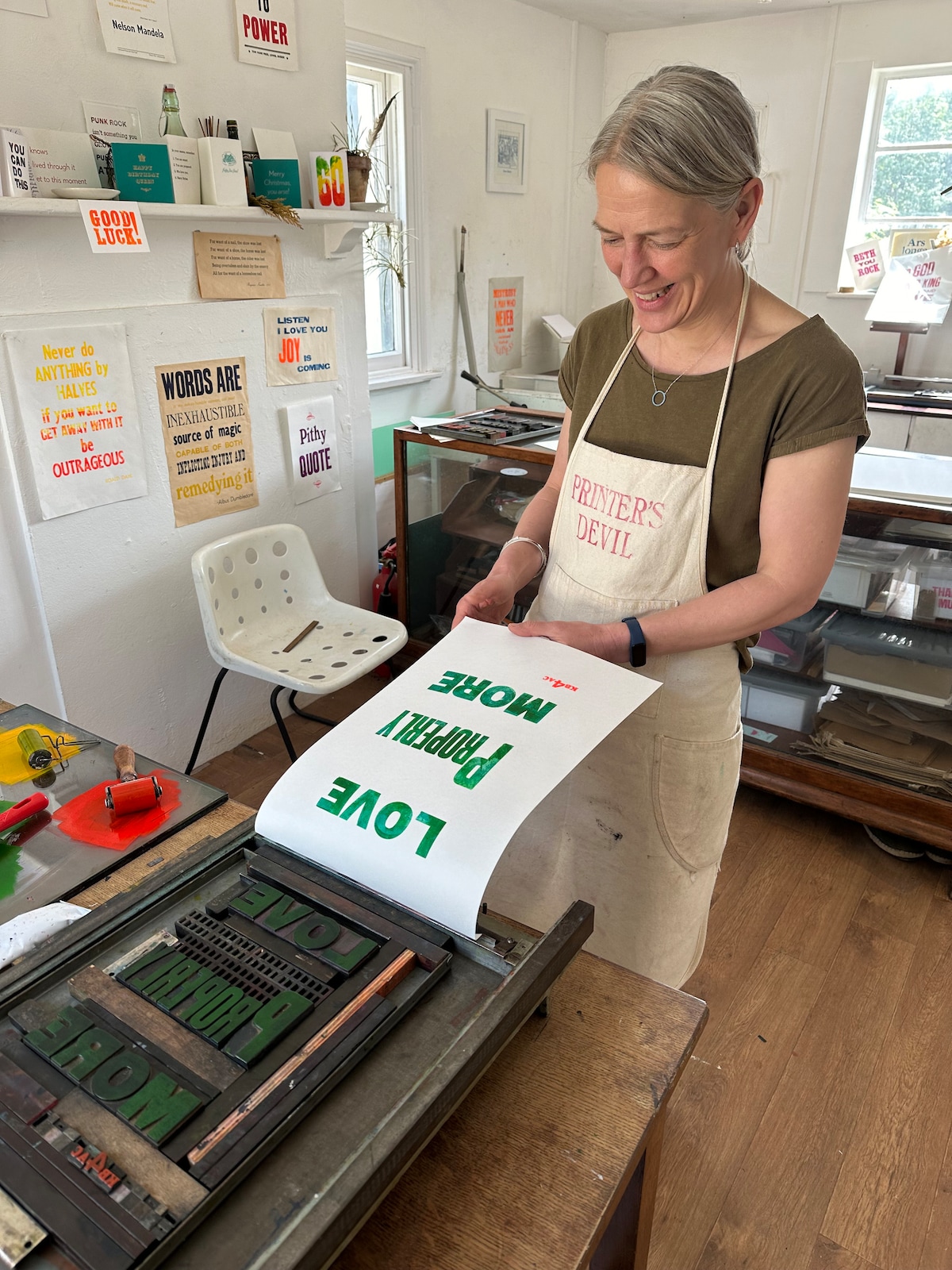
Letterpress printing workshop
Fri, Feb 20 • 10:00 AM
North Leigh, OX29 6PW, United Kingdom
View details
Nearby attractions of Oxford University Museum of Natural History
Pitt Rivers Museum
University of Oxford
Radcliffe Science Library
Keble College
History of Science Museum
The Sheldonian Theatre
Martyrs' Memorial
Oxford Oratory Church of St Aloysius Gonzaga
Ashmolean Museum
New Theatre Oxford
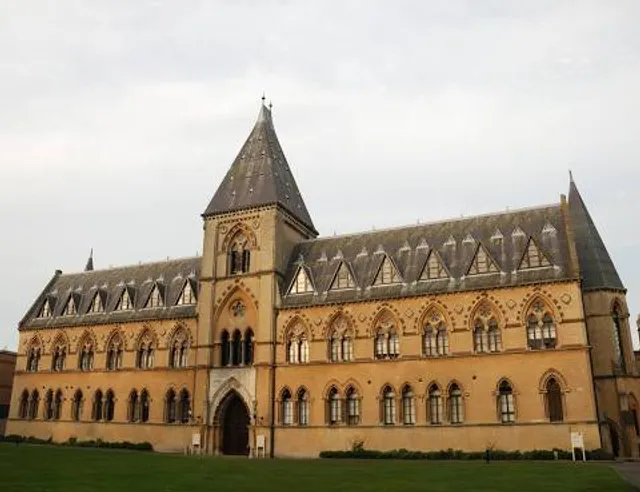
Pitt Rivers Museum
4.7
(1.6K)
Closed
Click for details
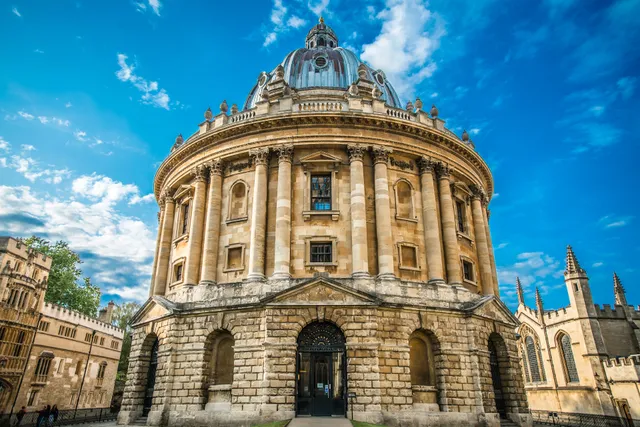
University of Oxford
4.6
(3K)
Closed
Click for details
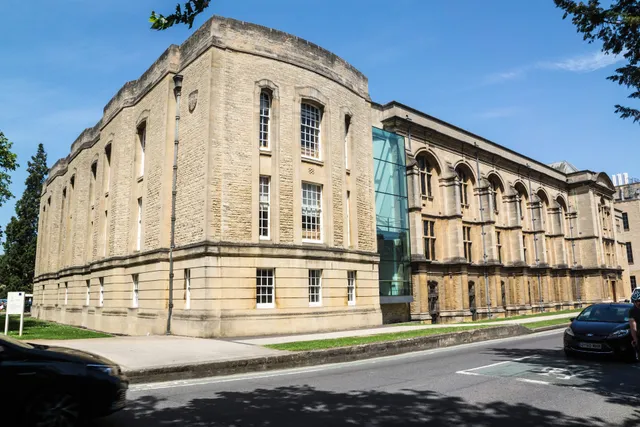
Radcliffe Science Library
4.8
(19)
Closed
Click for details
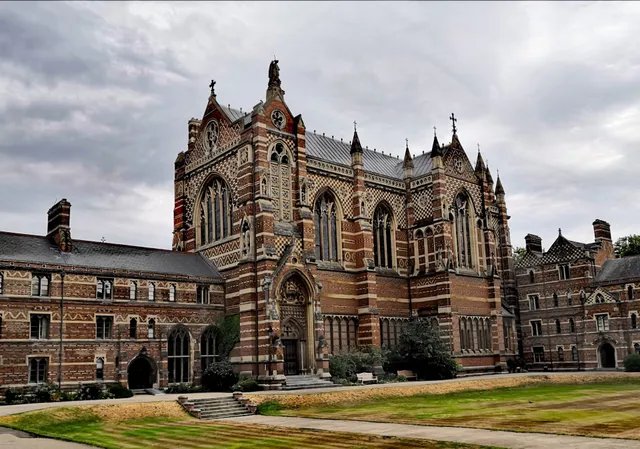
Keble College
4.6
(24)
Open 24 hours
Click for details
Nearby restaurants of Oxford University Museum of Natural History
Horsebox Coffee Co
Lamb and Flag
Browns Oxford
The Eagle and Child
Turf Tavern
King's Arms, Oxford
Rincha Thai Café
Ramen Kulture
Parsonage Grill
Pierre Victoire – French Restaurant & Bistrot

Horsebox Coffee Co
4.5
(88)
Closed
Click for details
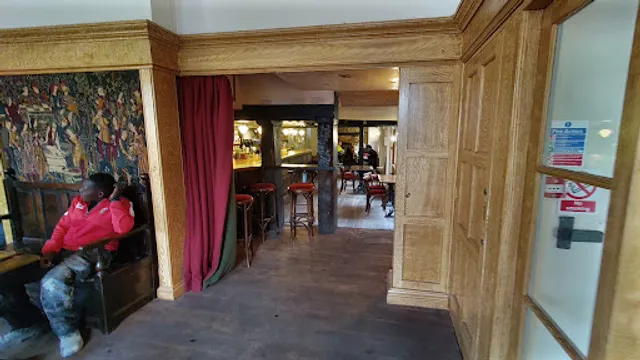
Lamb and Flag
4.4
(645)
Closed
Click for details
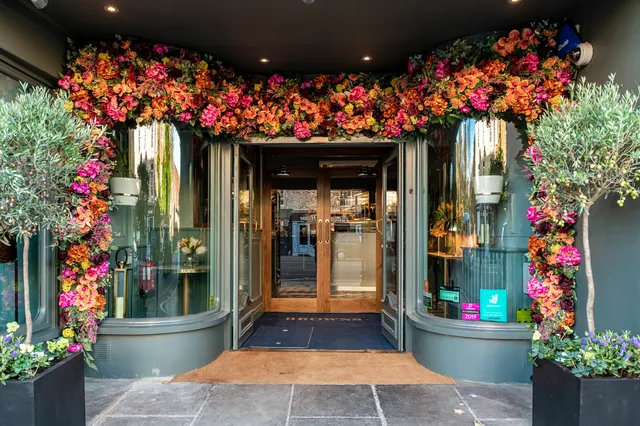
Browns Oxford
4.4
(1.4K)
$$
Closed
Click for details
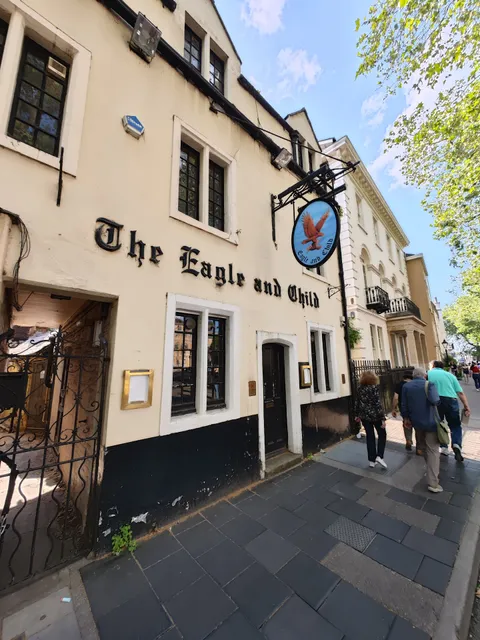
The Eagle and Child
4.3
(1.0K)
Click for details
Nearby local services of Oxford University Museum of Natural History
University Parks
Mansfield College
Keble College Chapel
Blushes Oxford Hair Salon
Glowbar Oxford
Popham Hairdressing Jericho
Oxford Walking Tours
Oxfam Bookshop
Blackwell's Sci-fi, Manga & Games
St. Giles' Barbers
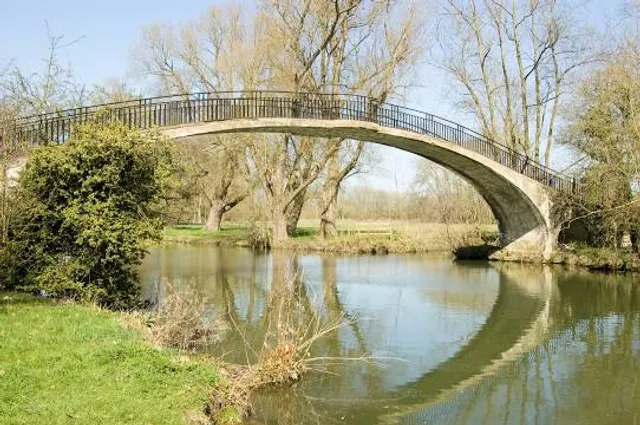
University Parks
4.7
(864)
Click for details
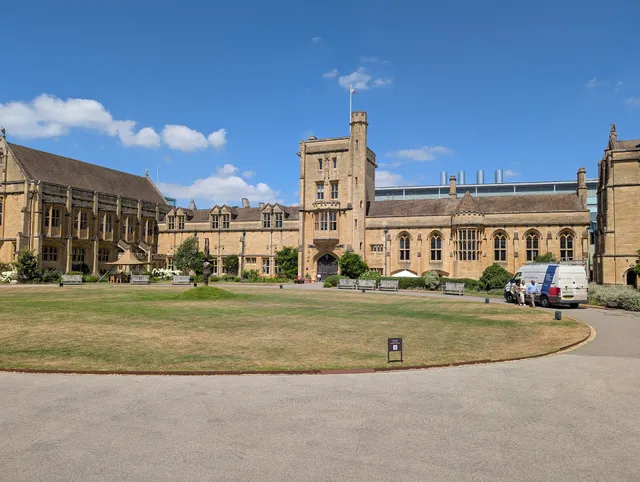
Mansfield College
4.8
(41)
Click for details
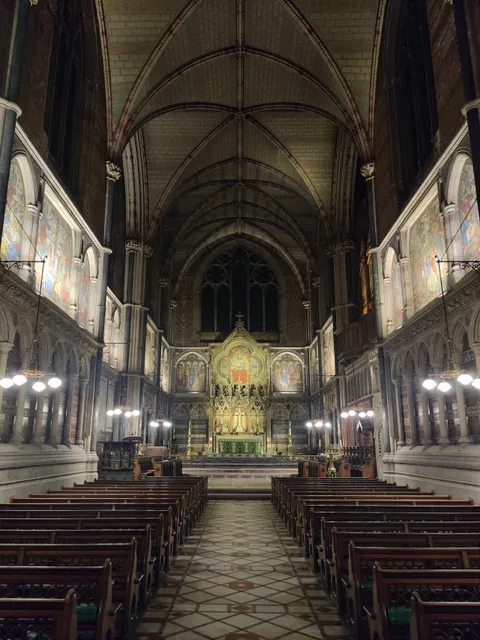
Keble College Chapel
4.8
(24)
Click for details

Blushes Oxford Hair Salon
4.9
(179)
Click for details