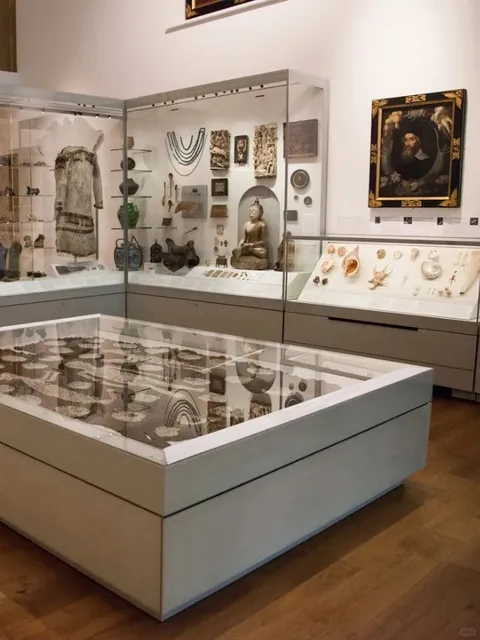
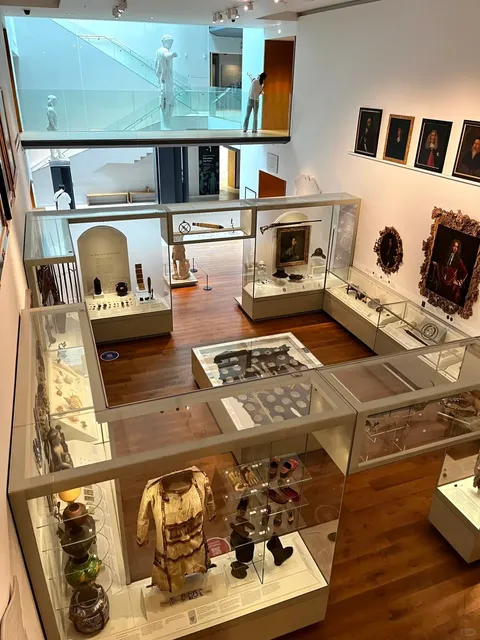
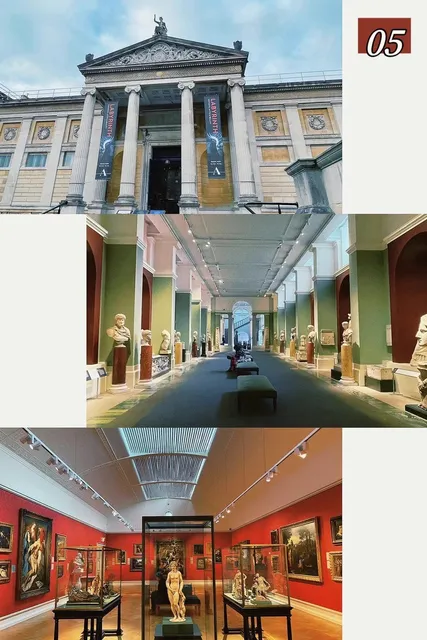
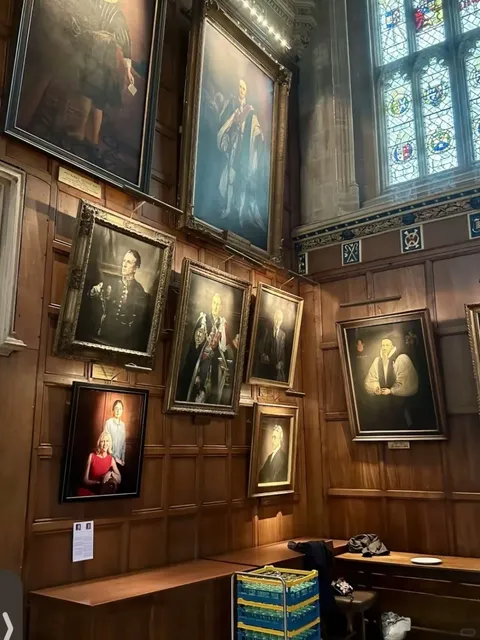
My recent journey to this cultural landmark left me feeling inspired and filled with a renewed appreciation for the artistic and historical achievements of humankind. The layout is thoughtfully designed, guiding you through different periods and regions, allowing for a chronological and thematic exploration of the collections. The Egyptian antiquities galleries are a particular highlight, transporting you to the land of pharaohs with their impressive sarcophagi, mummies, intricate jewellery, and everyday objects that offer a glimpse into ancient Egyptian life. The sheer scale and artistry of these artifacts are truly awe-inspiring. Moving through the museum, you encounter the wonders of the ancient Near East, with its cuneiform tablets and fascinating relics from Mesopotamia. The Greek and Roman galleries showcase stunning sculptures, pottery, and mosaics, bringing the classical world to life. The Minoan and Mycenaean collections offer a captivating look at the Bronze Age civilizations of the Aegean. The Ashmolean's dedication to art is equally impressive. The Western Art collections span from the medieval period to the present day, featuring masterpieces by renowned artists. I was particularly drawn to the Pre-Raphaelite paintings, their vibrant colours and intricate details captivating my attention. The museum also boasts an excellent collection of Old Master paintings, including works by artists like Botticelli, Raphael, and Rubens. The modern and contemporary art sections offer a thought-provoking contrast, showcasing the evolution of artistic expression. Beyond Europe, the Ashmolean's collections extend globally. The galleries dedicated to Eastern Art feature exquisite ceramics, paintings, and sculptures from China, Japan, India, and the Islamic world. The intricate craftsmanship and cultural significance of these objects are truly remarkable, offering a window into diverse artistic traditions and beliefs. What makes the Ashmolean particularly engaging is the way it presents its collections. Informative labels and displays provide context and enhance understanding. The museum also offers a variety of resources, including audio guides and guided tours, which can significantly enrich the visitor experience. I found the audio guide to be particularly helpful in providing deeper insights into specific objects and their historical significance. The museum also understands the importance of engaging younger audiences, with family-friendly activities and trails available. This makes it a fantastic destination for visitors of all ages. After immersing myself in the historical and artistic wonders, the rooftop restaurant offered a welcome respite. Enjoying a meal with panoramic views of the Oxford skyline was a delightful way to reflect on the incredible journey through time and culture I had just experienced. The museum also has a well-stocked shop where you can find books, prints, and unique souvenirs to remember your visit. Accessibility at the Ashmolean Museum: It's commendable that the Ashmolean Museum prioritizes accessibility for all visitors. Based on information available on their website and other sources, here's what you can expect: Step-free access: The museum has step-free access to all floors via lifts. There are accessible entrances at the main entrance on Beaumont Street and the St Giles entrance Wheelchairs: Wheelchairs are available for loan on a first-come, first-served basis. It's advisable to book in advance if possible. Accessible toilets: Accessible toilets are located on various floors throughout the museum. Induction loops: Induction loops are available at the information desks and in the lecture theatre. Large print materials: Large print versions of some information are available upon request. Assistance dogs: Assistance dogs are welcome in all areas...
Read moreThe Ashmolean Museum, located in Oxford, England, is the University of Oxford's museum of art and archaeology. It is one of the oldest museums in the world, with its origins dating back to 1683, and it holds an incredibly diverse collection spanning thousands of years of history and cultures.
Key Features of the Ashmolean Museum:
History: Founded in 1683: The Ashmolean Museum was founded in 1683, making it the first university museum in the world. It was originally based on the collection of Elias Ashmole, an antiquary and collector, who donated his collection to the University of Oxford. Expansions: Over the centuries, the museum has undergone several expansions and renovations, most notably the transformation in 2009, which significantly increased the display space and modernized the facilities.
Collections: Art and Antiquities: The museum’s collections cover a vast range of subjects, including Egyptian mummies, classical sculpture, Renaissance art, Asian artefacts, and contemporary art. It houses over a million objects. Highlights: Ancient Egypt: The museum has an impressive collection of Egyptian artefacts, including the Shrine of Taharqa and the wall paintings from Thebes. Western Art: The Ashmolean holds works by famous artists like Michelangelo, Leonardo da Vinci, Raphael, and J.M.W. Turner. Eastern Art: Its collection of Chinese paintings, ceramics, and Japanese art is renowned worldwide. Coins and Antiquities: The museum's numismatic collection is one of the largest in the world, with coins from ancient Greece and Rome, as well as modern-day currency.
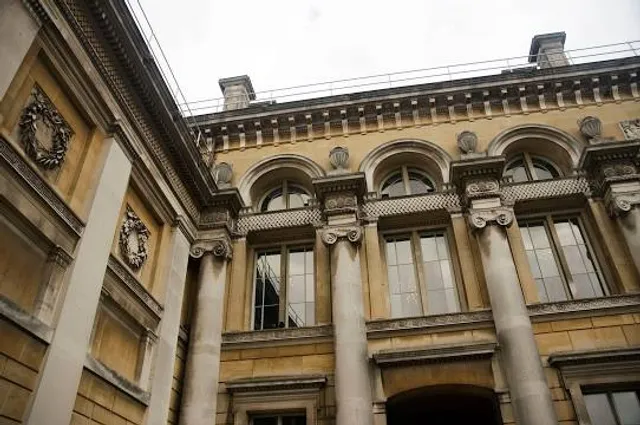
Architecture: Historic Building: The museum is housed in a striking neoclassical building, with its original structure designed by Charles Cockerell in the 1840s. The building itself is an architectural landmark in Oxford. Modern Extensions: The 2009 redevelopment, designed by architect Rick Mather, added a series of modern galleries and facilities, blending contemporary design with the historic elements of the museum.
Exhibitions and Events: Temporary Exhibitions: The Ashmolean regularly hosts major temporary exhibitions, showcasing everything from ancient civilizations to modern art. These exhibitions often draw from the museum's own collections as well as loans from other major institutions. Lectures and Workshops: The museum offers a variety of public programs, including lectures, workshops, and educational activities for all ages. Music and Performances: The Ashmolean also hosts concerts and performances, making it a vibrant cultural hub in Oxford.
Research and Education: Academic Resource: As part of the University of Oxford, the Ashmolean serves as an important resource for scholars and students. It is actively involved in research and collaborates with institutions worldwide. Learning Programs: The museum provides extensive educational programs for schools and families, aiming to engage the public with its collections through interactive learning.
The museum has a café with a rooftop terrace offering views of Oxford, as well as a shop selling books, prints, and gifts related to the museum’s collections. Ashmolean is open to the public with free admission, although some special exhibitions may have an entry fee.
The Ashmolean Museum is a must-visit for anyone interested in art, history, and archaeology. It appeals to a wide range of visitors, from casual tourists to serious scholars, offering a chance to explore world cultures through its extraordinary collections and...
Read moreFew museums manage to blend the weight of history with modern storytelling quite as well as the Ashmolean in Oxford. As the world’s first university museum, it is a cultural powerhouse, housing an extraordinary collection that spans millennia. From Egyptian mummies and Greek sculpture to Renaissance masterpieces and contemporary exhibitions, this was certainly one of the highlight stops on our visit to the city.
Walking through its grand entrance, it’s immediately clear that this is no ordinary museum. The Ashmolean's layout is beautifully curated, offering a journey through time that feels immersive rather than overwhelming. Unlike some institutions that feel rigidly compartmentalised, the Ashmolean allows history, art, and archaeology to intertwine, making for a dynamic and engaging experience.
One of the museum’s great strengths is its ability to connect past and present. The Ancient Egypt and Nubian collection is exceptional, with its beautifully displayed mummies and hieroglyph-covered artifacts offering deep insights into one of history’s most fascinating civilisations. Meanwhile, the Roman and Greek galleries bring antiquity to life with striking statues, intricate mosaics, and thought-provoking interpretations of classical mythology.
For those drawn to European art, the Ashmolean does not disappoint. The Western art collection boasts works from some of history’s most celebrated painters including Rembrandt! The collection is stunning and the museum has done a grand job of showcasing British art within a broader global context as well. In many ways art and history are not merely displayed but actively engaging. They've included interactive digital displays and thoughtful curation that asks visitors to consider the why as much as the what. Lovely touch.
Unlike some historic institutions that can feel static, our curated meandering through this place was full of highlights. The rooftop cafe was a spectacular one at that. It offered spectacular views over Oxford. For those on a shoestring, it’s the perfect spot to pause and reflect, with a coffee or lunch in hand. The museum shop, too, is well worth a visit, stocked with beautifully curated books, prints, and gifts that reflect the richness of the collections.
The Ashmolean is, quite simply, a must-visit. Whether you’re an art lover, history buff, or simply curious, it offers something for everyone. Exceptional really. Family and mobility friendly—a place where the past speaks, the present reflects, and inspiration is never in short supply. If you go, you'll thank me. If you can't take a date, take a mate. Just be sure to donate if you're willing and...
Read more