The Sheldonian Theatre things to do, attractions, restaurants, events info and trip planning
Basic Info
The Sheldonian Theatre
Broad St, Oxford OX1 3AZ, United Kingdom
4.7(639)
Open 24 hours

tickets
Save
spot
spot
Ratings & Description
Info
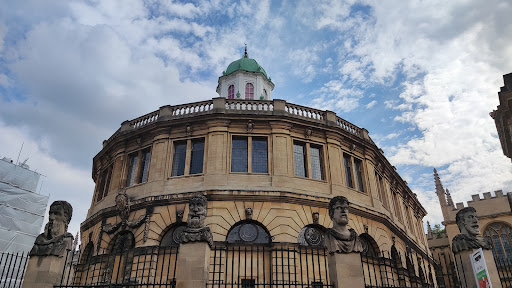
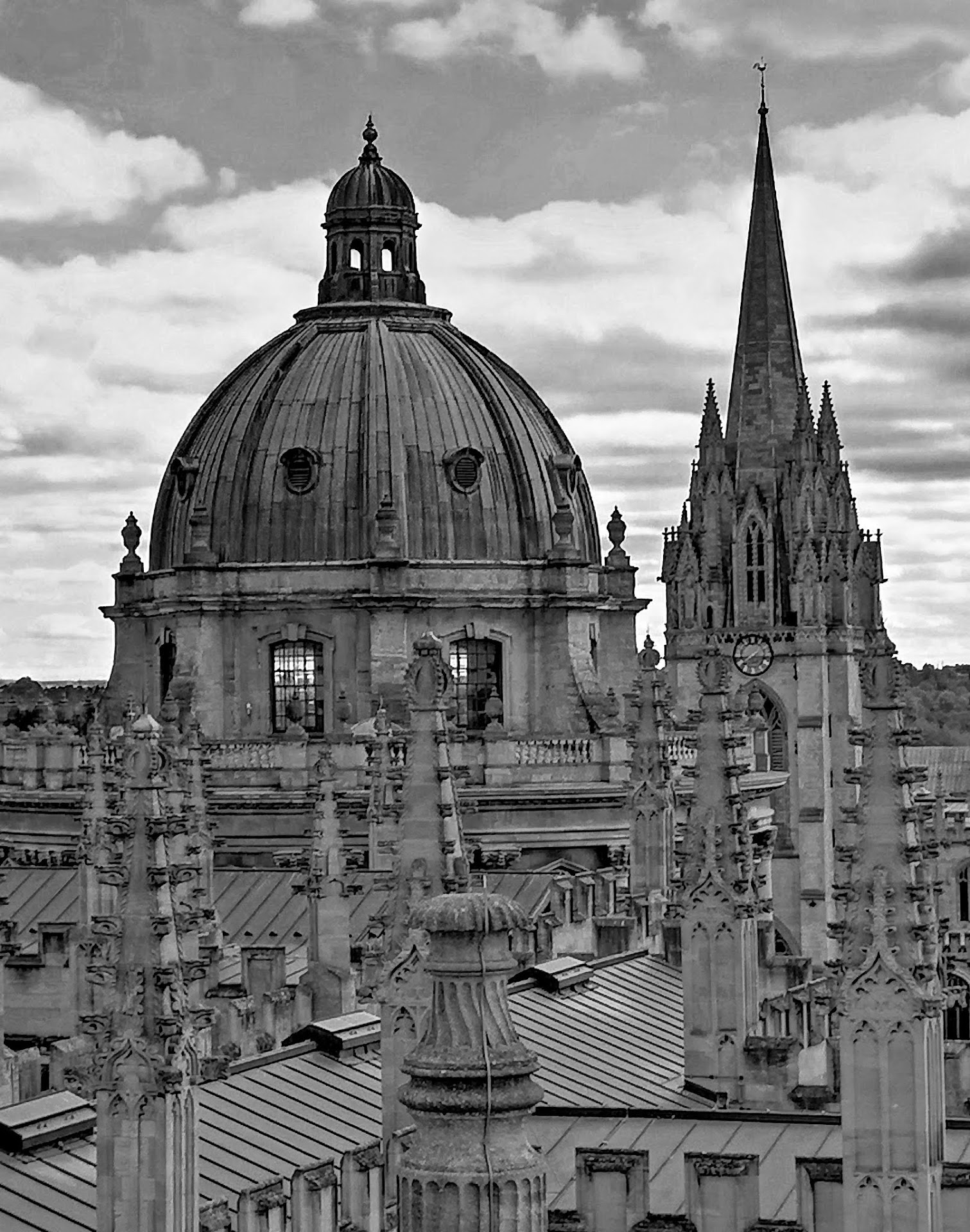
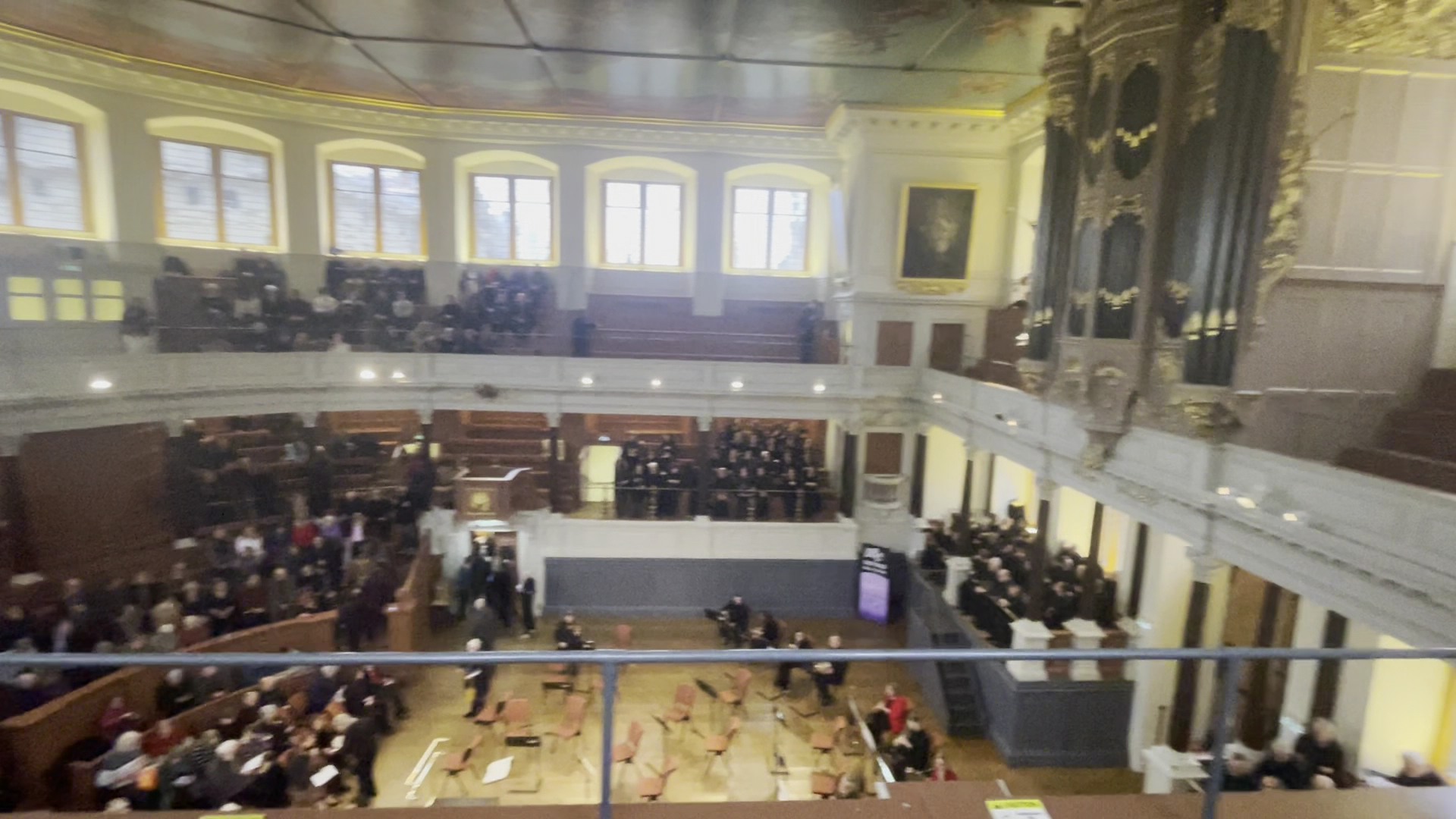
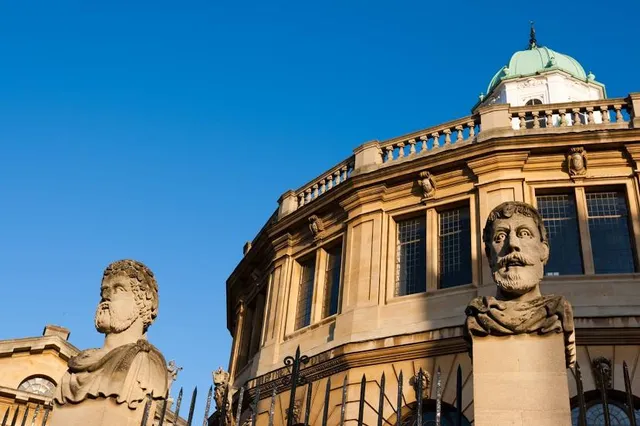
Sheldonian Theatre, located in Oxford, England, was built from 1664 to 1669 after a design by Christopher Wren for the University of Oxford. The building is named after Gilbert Sheldon, Warden of All Souls College and later chancellor of the University. Sheldon was the project's main financial backer.
Cultural
Entertainment
Accessibility
Family friendly
attractions: History of Science Museum, University Church of St Mary the Virgin, Radcliffe Camera, The Divinity School, Weston Library, Bodleian Library, University of Oxford, Clarendon Building, Ashmolean Museum, Trinity College, restaurants: Rincha Thai Café, Turf Tavern, King's Arms, Oxford, White Horse, Gusto Italian - Oxford, Missing Bean Turl St, The Ivy Oxford Brasserie, Bodleian Library Café, Quod Restaurant & Bar, Brown's Cafe, local businesses: Blackwell's Sci-fi, Manga & Games, Oxford Walking Tours, Kina Ceramics, Dukes Barbers, Blackwells Music Shop Oxford, Oxinspired, Objects of Use, Heritage of Oxford, Oxford market barbers (The Barberium), Esquires of Oxford
 Learn more insights from Wanderboat AI.
Phone
+44 1865 277299
Website
sheldonian.ox.ac.uk
Plan your stay

Pet-friendly Hotels in Oxford
Find a cozy hotel nearby and make it a full experience.

Affordable Hotels in Oxford
Find a cozy hotel nearby and make it a full experience.

The Coolest Hotels You Haven't Heard Of (Yet)
Find a cozy hotel nearby and make it a full experience.

Trending Stays Worth the Hype in Oxford
Find a cozy hotel nearby and make it a full experience.
Reviews
Live events
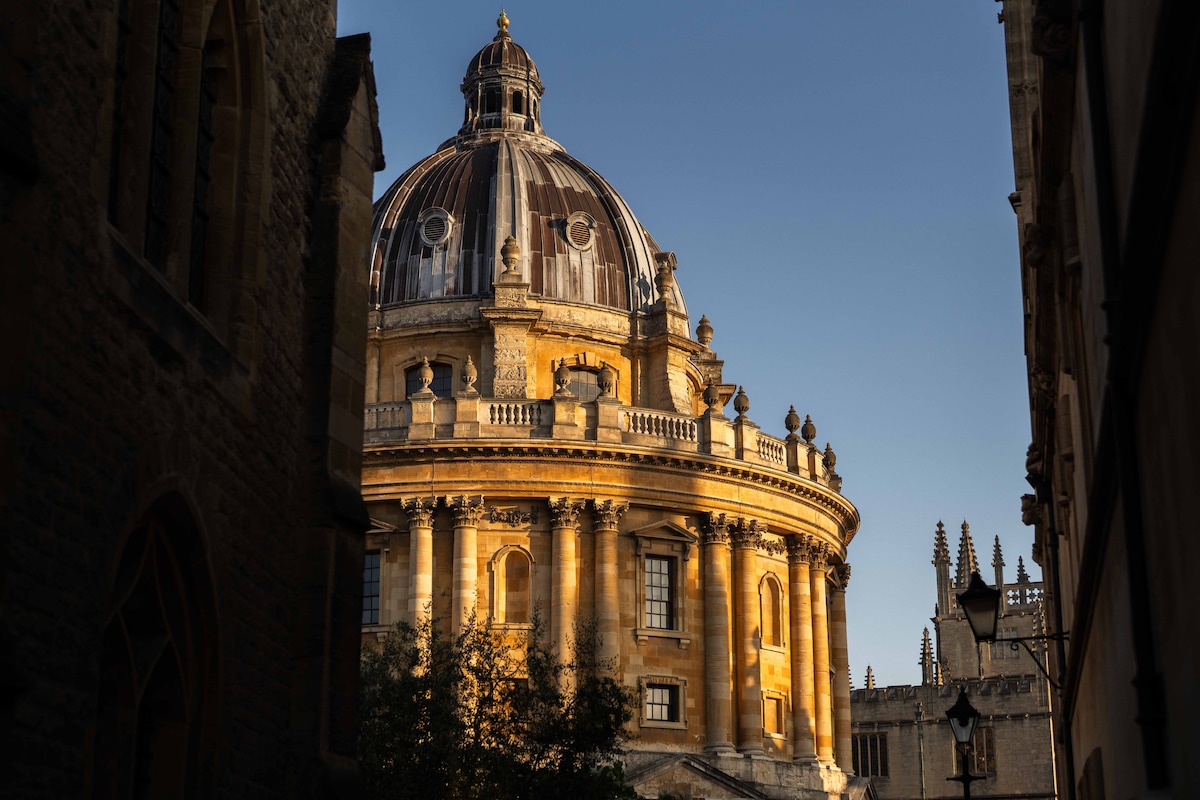
Explore Oxford On An Alumni-Led University Walk
Sun, Feb 15 • 1:00 PM
Oxfordshire, OX1 3AS, United Kingdom
View details
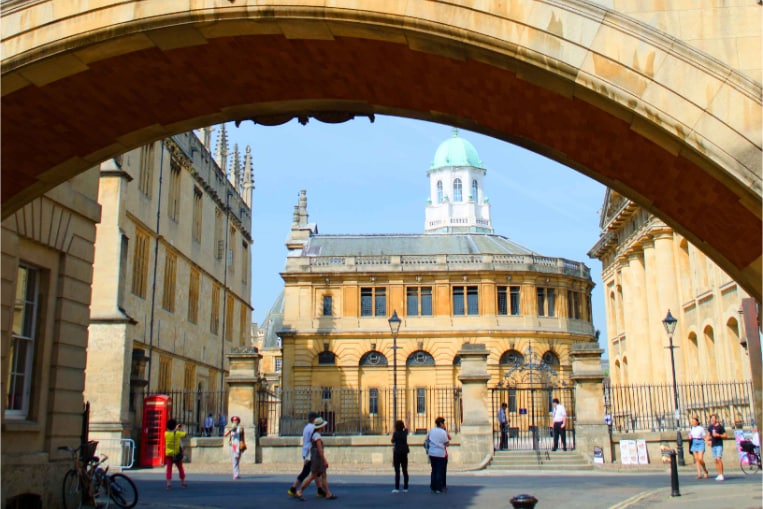
Oxford small group walking tour with a local guide
Tue, Feb 10 • 1:00 PM
Oxford, OX1 3AS, United Kingdom
View details
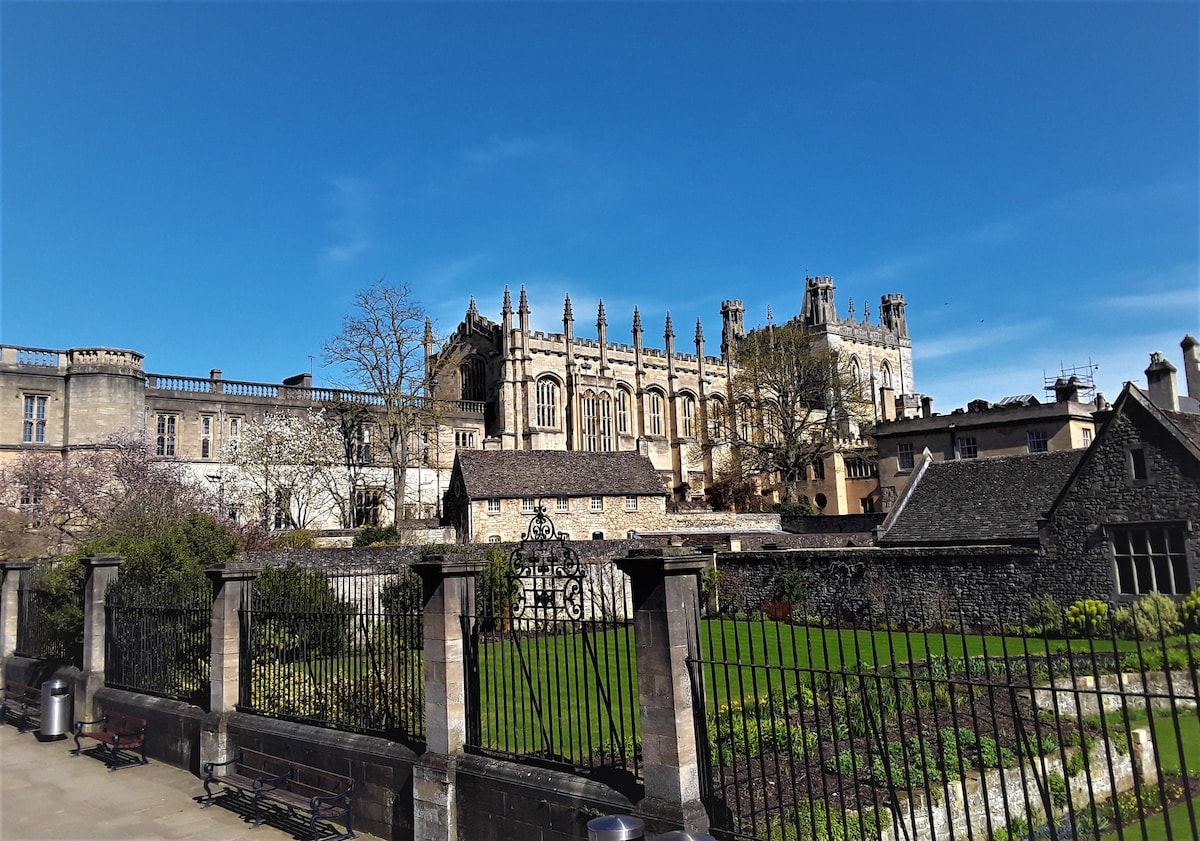
Escape to Oxford and explore its rich history
Tue, Feb 10 • 11:00 AM
Oxfordshire, OX1 3AE, United Kingdom
View details
Nearby attractions of The Sheldonian Theatre
History of Science Museum
University Church of St Mary the Virgin
Radcliffe Camera
The Divinity School
Weston Library
Bodleian Library
University of Oxford
Clarendon Building
Ashmolean Museum
Trinity College
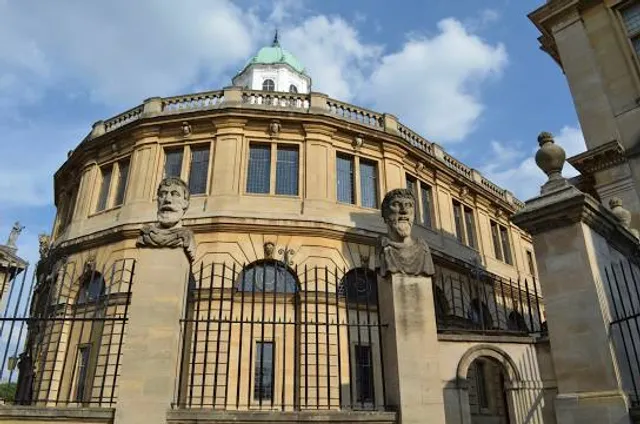
History of Science Museum
4.4
(1.2K)
Open until 12:00 AM
Click for details
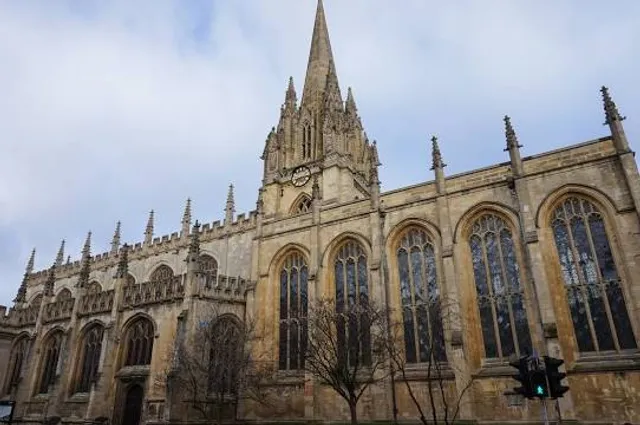
University Church of St Mary the Virgin
4.7
(1.3K)
Closed
Click for details
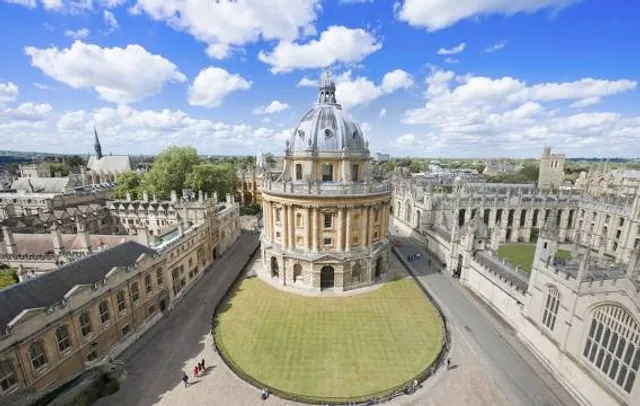
Radcliffe Camera
4.7
(422)
Closed
Click for details
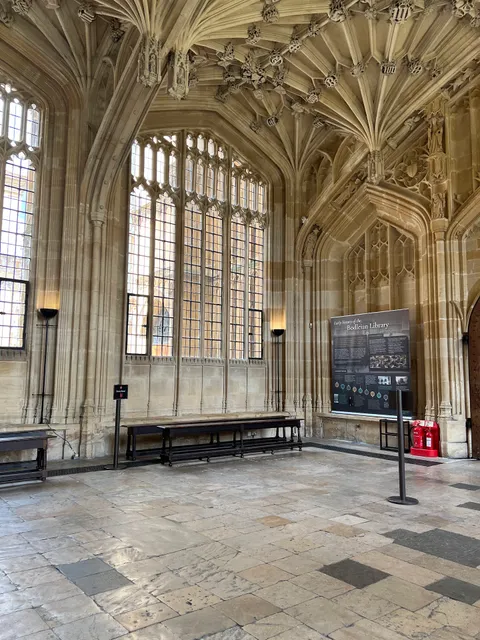
The Divinity School
4.5
(92)
Closed
Click for details
Nearby restaurants of The Sheldonian Theatre
Rincha Thai Café
Turf Tavern
King's Arms, Oxford
White Horse
Gusto Italian - Oxford
Missing Bean Turl St
The Ivy Oxford Brasserie
Bodleian Library Café
Quod Restaurant & Bar
Brown's Cafe

Rincha Thai Café
5.0
(30)
Closed
Click for details
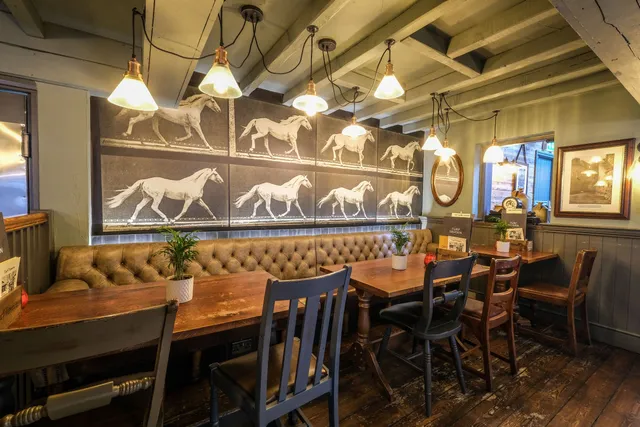
Turf Tavern
4.5
(3K)
Closed
Click for details
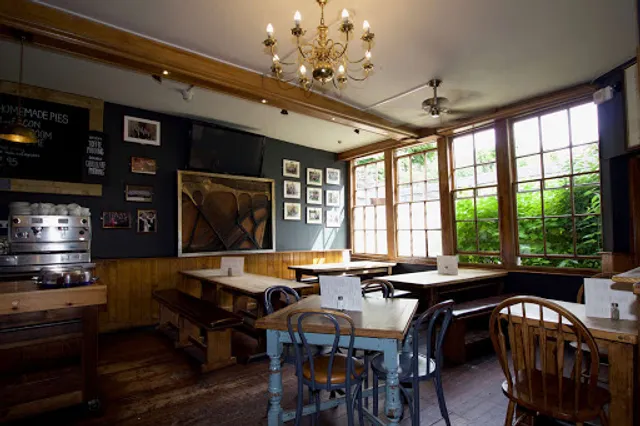
King's Arms, Oxford
4.3
(1.1K)
Closed
Click for details
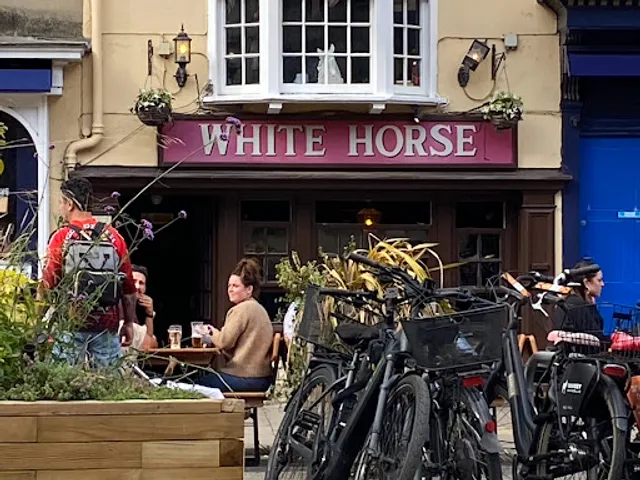
White Horse
4.2
(434)
Closed
Click for details
Nearby local services of The Sheldonian Theatre
Blackwell's Sci-fi, Manga & Games
Oxford Walking Tours
Kina Ceramics
Dukes Barbers
Blackwells Music Shop Oxford
Oxinspired
Objects of Use
Heritage of Oxford
Oxford market barbers (The Barberium)
Esquires of Oxford

Blackwell's Sci-fi, Manga & Games
4.6
(157)
Click for details
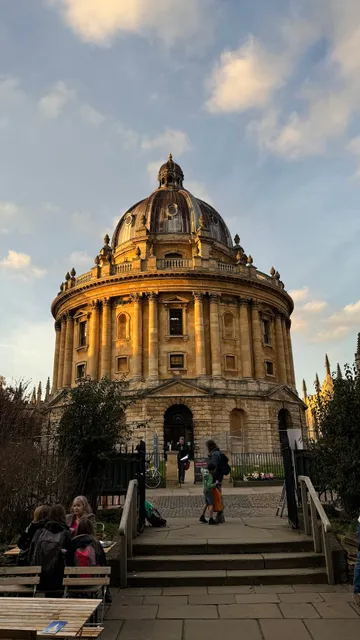
Oxford Walking Tours
4.3
(204)
Click for details

Kina Ceramics
5.0
(106)
Click for details

Dukes Barbers
4.7
(436)
Click for details