St Michael’s Church, Melbourne things to do, attractions, restaurants, events info and trip planning
Basic Info
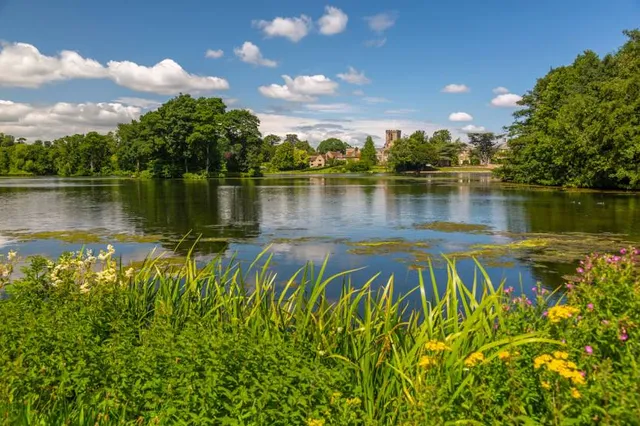
St Michael’s Church, Melbourne
Church Square, Melbourne, Derby DE73 8JH, United Kingdom
4.8(69)
Open 24 hours
Save
spot
spot
Ratings & Description
Info
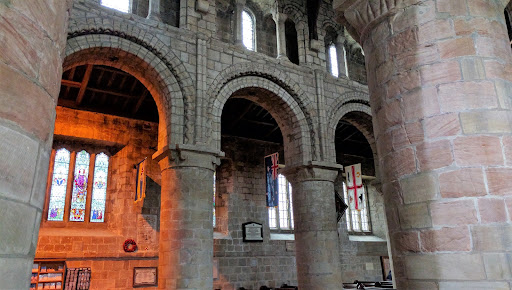
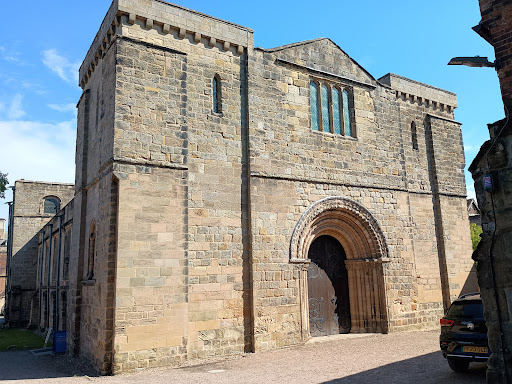
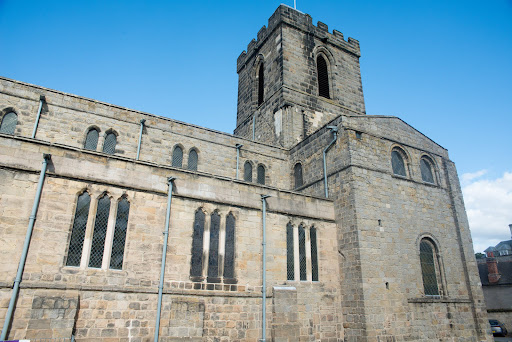
St Michael and St Mary's Church, Melbourne is a Grade I listed parish church in the Church of England in Melbourne, Derbyshire.
Cultural
Scenic
Family friendly
Accessibility
attractions: Melbourne Hall The Gardens, Creative Melbourne Gallery, restaurants: The Spirit Vaults, Melbourne Hall Tea Rooms, The Brewhouse Melbourne Hall, Harpur's Of Melbourne, Thai Village Restaurant, Tea At 3 Cake House, Birds Bakery - Melbourne, The Melbourne Inn, Forteys, Leddy's, local businesses:
 Learn more insights from Wanderboat AI.
Phone
+44 1332 862153
Website
melbourneparishchurch.org.uk
Plan your stay

Pet-friendly Hotels in South Derbyshire
Find a cozy hotel nearby and make it a full experience.

Affordable Hotels in South Derbyshire
Find a cozy hotel nearby and make it a full experience.

The Coolest Hotels You Haven't Heard Of (Yet)
Find a cozy hotel nearby and make it a full experience.

Trending Stays Worth the Hype in South Derbyshire
Find a cozy hotel nearby and make it a full experience.
Reviews
Live events
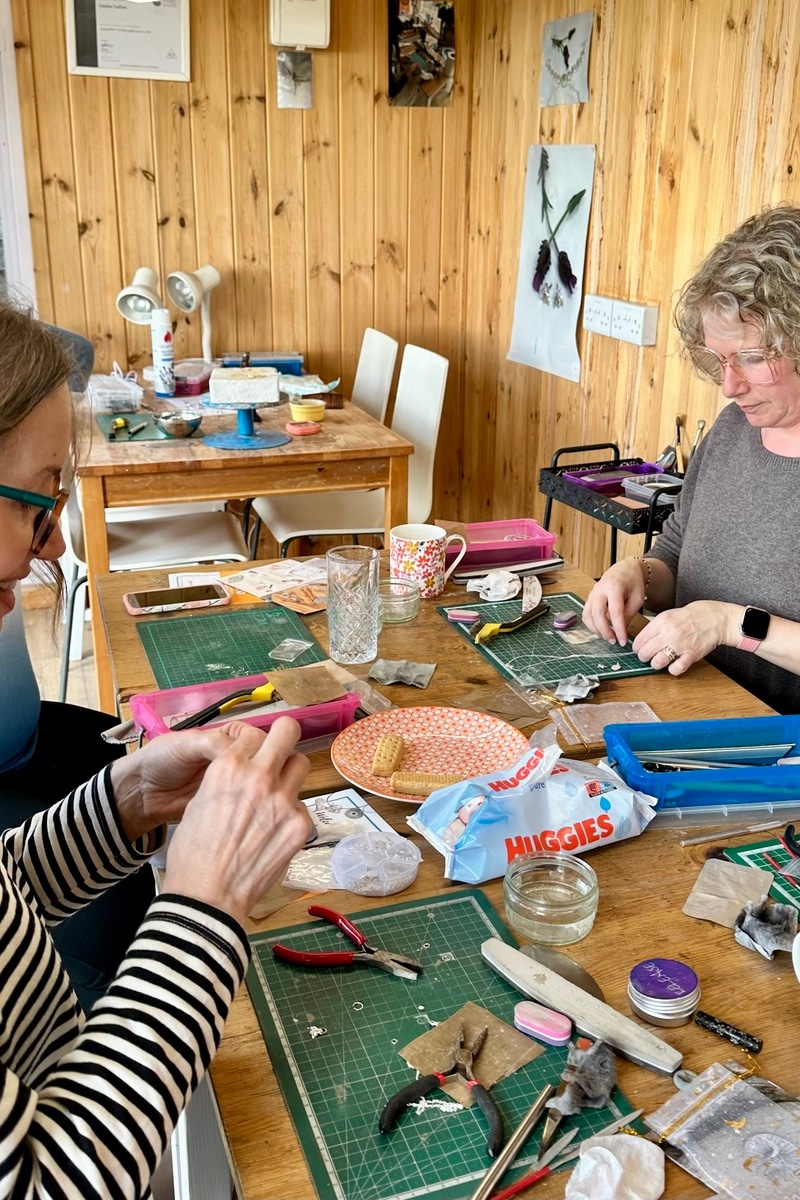
Design and make silver jewellery
Fri, Jan 16 • 10:00 AM
Market Bosworth, CV13 0NB, United Kingdom
View details
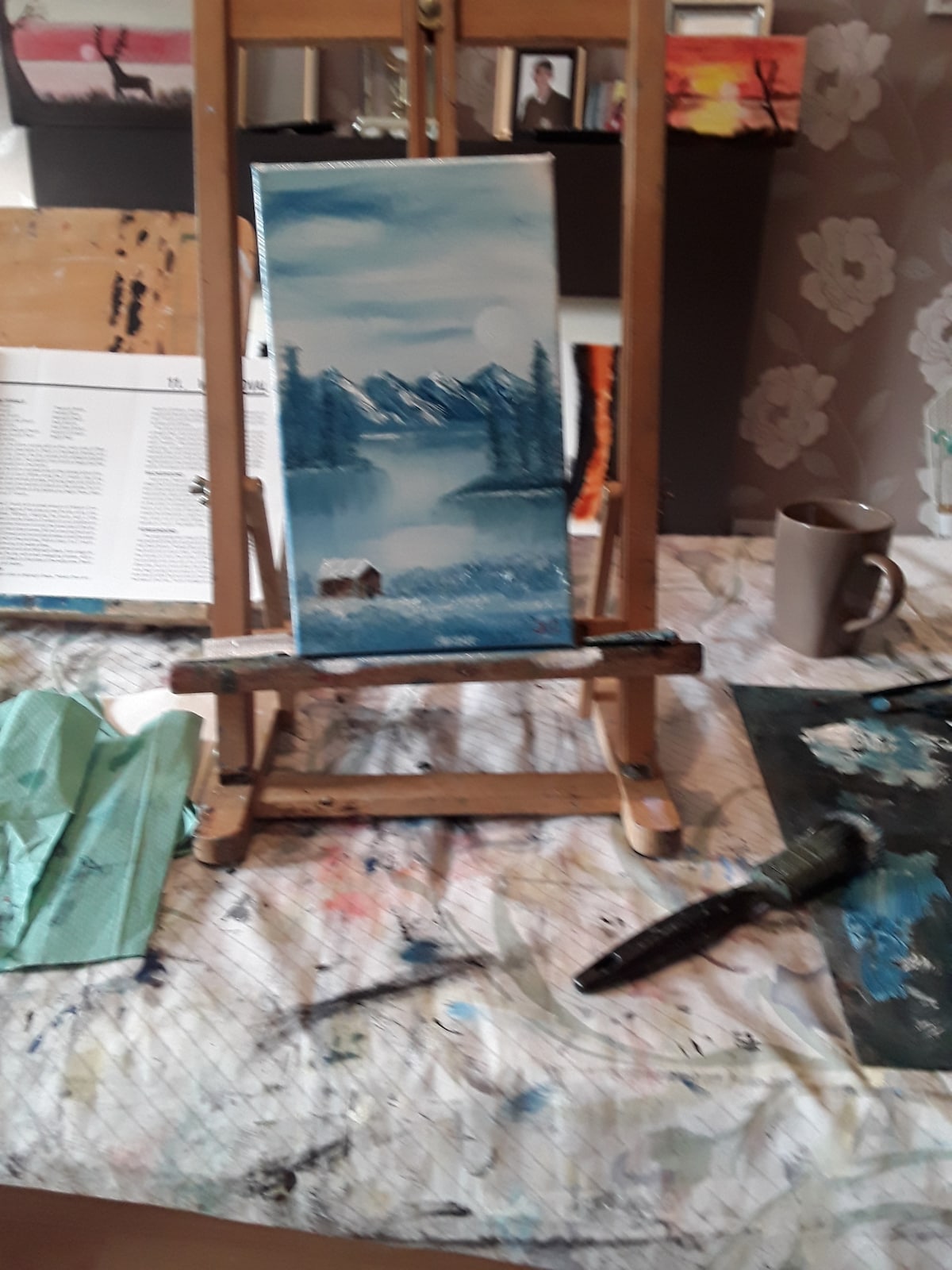
Learn oil painting
Wed, Jan 14 • 10:00 AM
Littleover, DE23 2PP, United Kingdom
View details
Derby Murder Mystery: Solve the case!
Thu, Jan 1 • 12:00 AM
Derby, DE1 3AH
View details
Nearby attractions of St Michael’s Church, Melbourne
Melbourne Hall The Gardens
Creative Melbourne Gallery
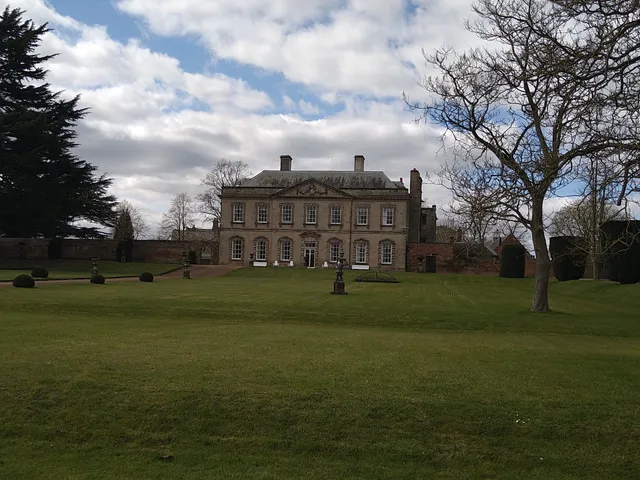
Melbourne Hall The Gardens
4.5
(439)
Closed
Click for details
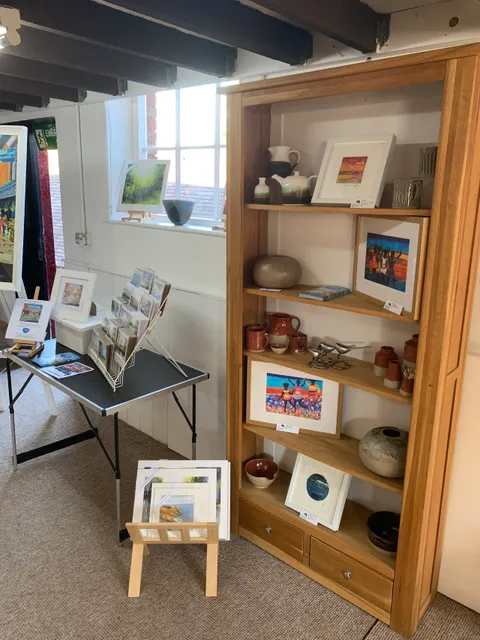
Creative Melbourne Gallery
5.0
(12)
Open until 12:00 AM
Click for details
Nearby restaurants of St Michael’s Church, Melbourne
The Spirit Vaults
Melbourne Hall Tea Rooms
The Brewhouse Melbourne Hall
Harpur's Of Melbourne
Thai Village Restaurant
Tea At 3 Cake House
Birds Bakery - Melbourne
The Melbourne Inn
Forteys
Leddy's
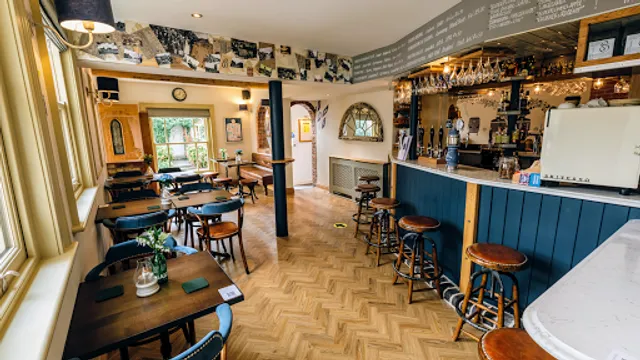
The Spirit Vaults
4.7
(287)
Click for details

Melbourne Hall Tea Rooms
4.3
(207)
$$
Open until 12:00 AM
Click for details
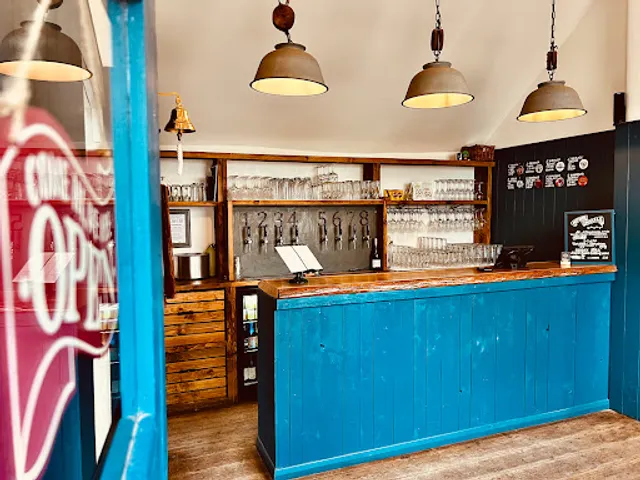
The Brewhouse Melbourne Hall
4.5
(62)
Open until 12:00 AM
Click for details
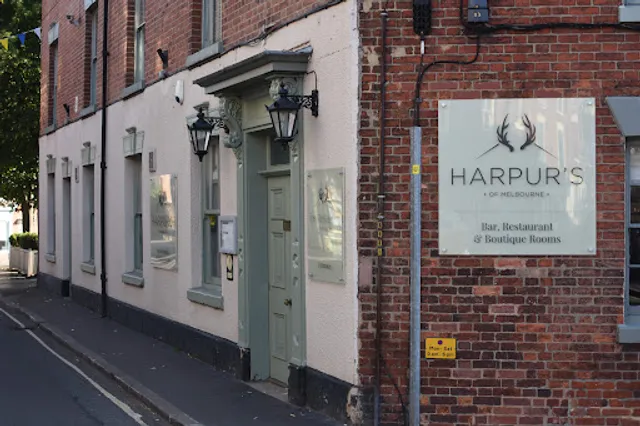
Harpur's Of Melbourne
4.4
(524)
Click for details