Wallingford Castle things to do, attractions, restaurants, events info and trip planning
Basic Info
Wallingford Castle
Castle Ln, Wallingford OX10 0BY, United Kingdom
4.4(210)
Open 24 hours
Save
spot
spot
Ratings & Description
Info
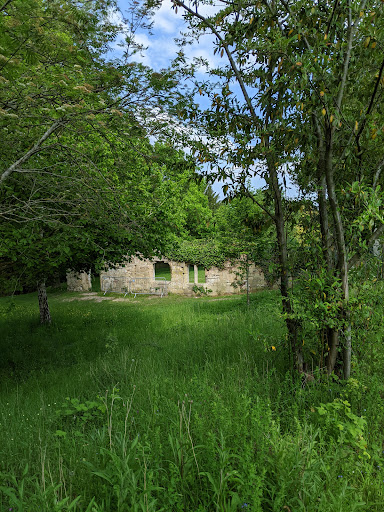
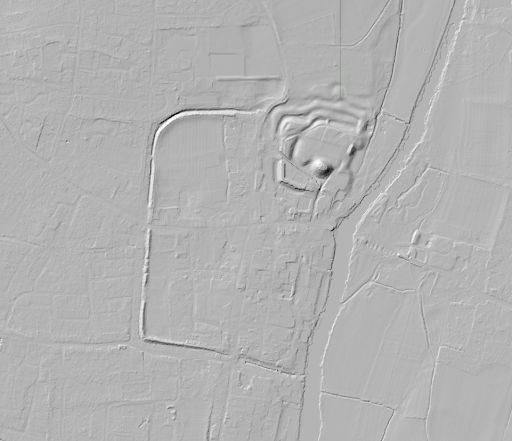
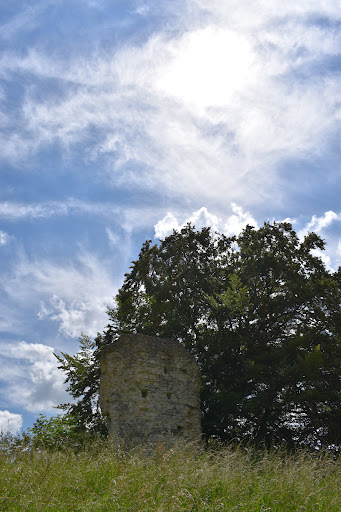
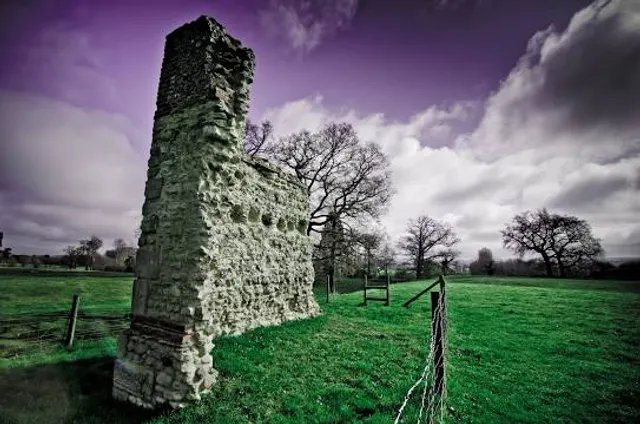
Wallingford Castle was a major medieval castle situated in Wallingford in the English county of Oxfordshire, adjacent to the River Thames.
Cultural
Scenic
Family friendly
attractions: Corn Exchange, Wallingford Museum, Cholsey & Wallingford Railway - (Wallingford Station), restaurants: Boat House, Avanti, The Town Arms, Wallingford, Bean & Brew, Wallingford Tandoori, Shellfish Cow Restaurant & Bar, The Keep Bar & Bottle Shop, le clos, The Dolphin, The Wallingford Tearoom, local businesses: Brooker & Breeze Goldsmiths Ltd, The Olde Wallingford Sweet Shop, Branching Out Florist Ltd, Rides On Air Cycles, Wallingford Museum, The Wallingford Bookshop, Wallingford market, St Mary-le-More Church, Winterbrook, Wallingford Flowers UK
 Learn more insights from Wanderboat AI.
Website
southoxon.gov.uk
Plan your stay

Pet-friendly Hotels in South Oxfordshire
Find a cozy hotel nearby and make it a full experience.

Affordable Hotels in South Oxfordshire
Find a cozy hotel nearby and make it a full experience.

The Coolest Hotels You Haven't Heard Of (Yet)
Find a cozy hotel nearby and make it a full experience.

Trending Stays Worth the Hype in South Oxfordshire
Find a cozy hotel nearby and make it a full experience.
Reviews
Live events
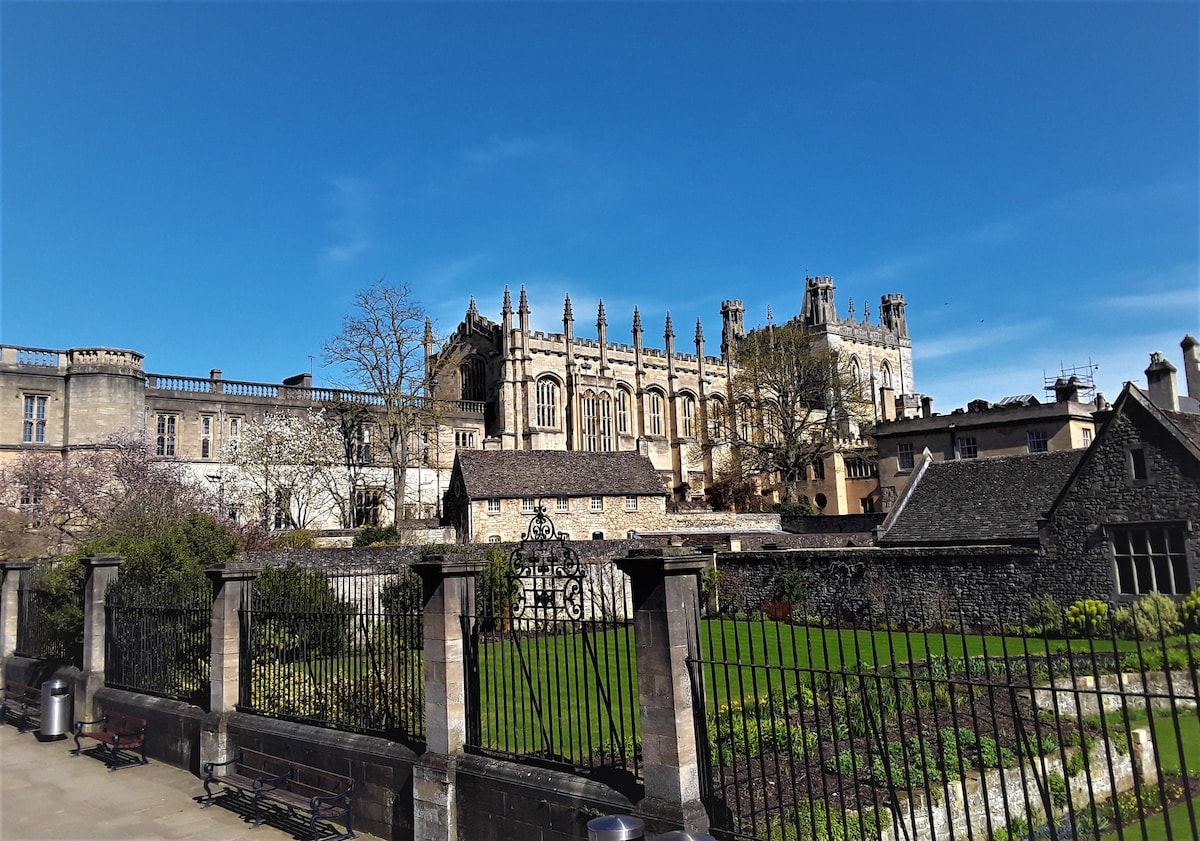
Escape to Oxford and explore its rich history
Sat, Jan 31 • 11:00 AM
Oxfordshire, OX1 3AE, United Kingdom
View details

Oxford small group walking tour with a local guide
Tue, Feb 3 • 1:00 PM
Oxford, OX1 3AS, United Kingdom
View details
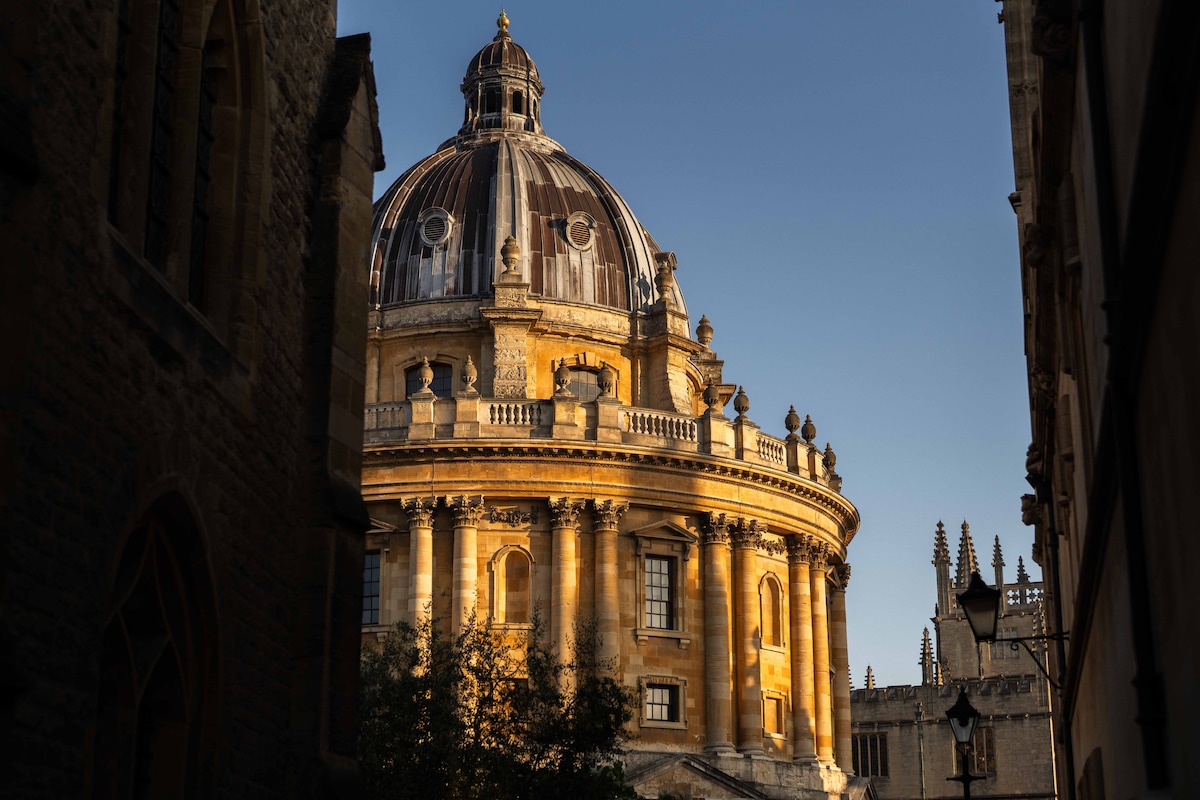
Explore Oxford On An Alumni-Led University Walk
Thu, Jan 29 • 11:00 AM
Oxfordshire, OX1 3AS
View details
Nearby attractions of Wallingford Castle
Corn Exchange
Wallingford Museum
Cholsey & Wallingford Railway - (Wallingford Station)

Corn Exchange
4.7
(121)
Open 24 hours
Click for details
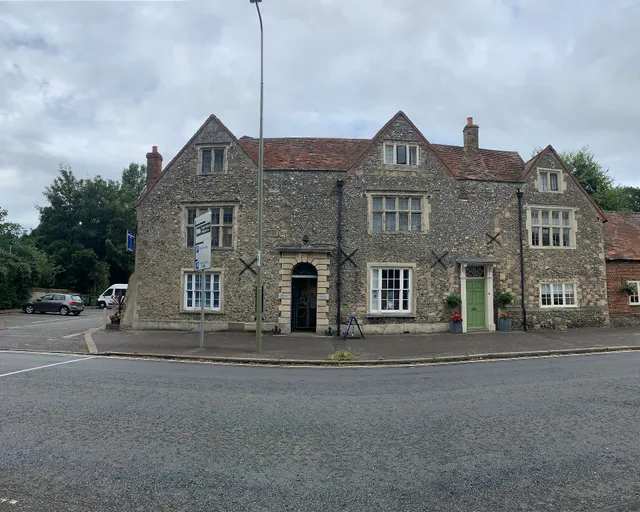
Wallingford Museum
4.5
(74)
Closed
Click for details

Cholsey & Wallingford Railway - (Wallingford Station)
4.5
(10)
Open 24 hours
Click for details
Nearby restaurants of Wallingford Castle
Boat House
Avanti
The Town Arms, Wallingford
Bean & Brew
Wallingford Tandoori
Shellfish Cow Restaurant & Bar
The Keep Bar & Bottle Shop
le clos
The Dolphin
The Wallingford Tearoom
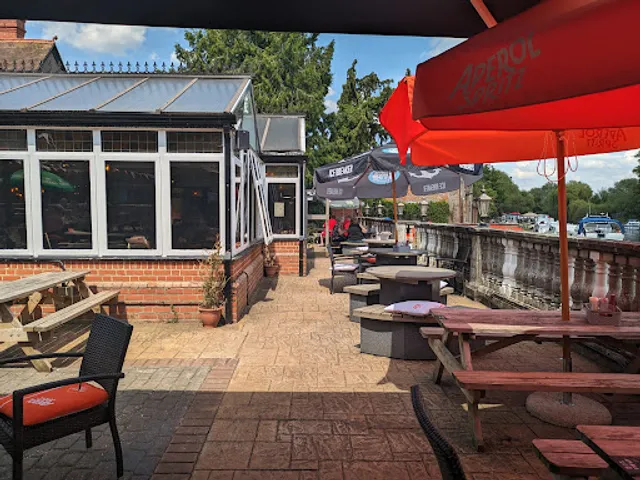
Boat House
4.0
(698)
Open until 11:00 PM
Click for details
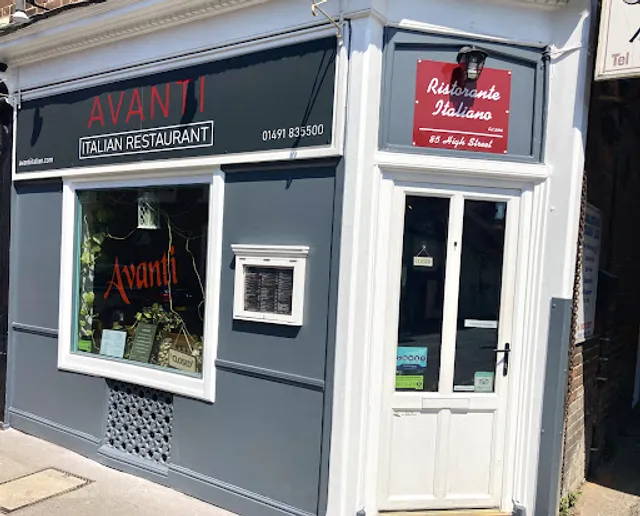
Avanti
4.8
(252)
$$
Open until 10:30 PM
Click for details
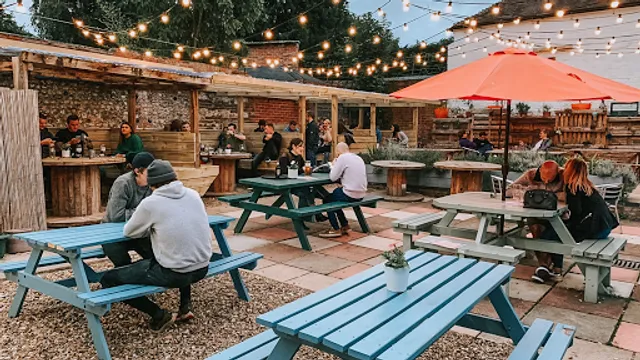
The Town Arms, Wallingford
4.5
(158)
Click for details
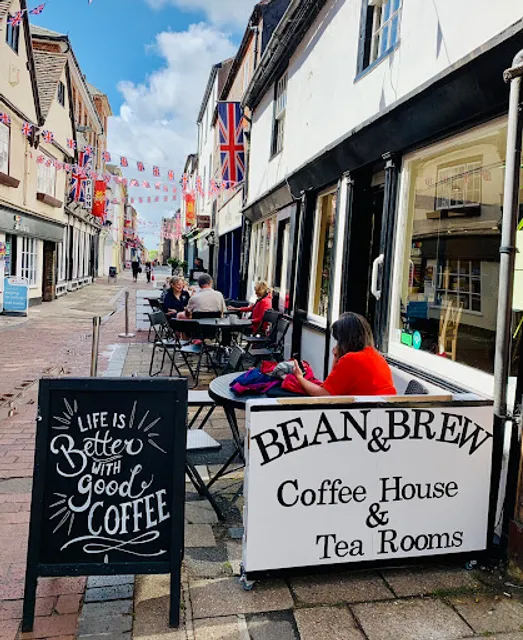
Bean & Brew
4.2
(263)
Closed
Click for details
Nearby local services of Wallingford Castle
Brooker & Breeze Goldsmiths Ltd
The Olde Wallingford Sweet Shop
Branching Out Florist Ltd
Rides On Air Cycles
Wallingford Museum
The Wallingford Bookshop
Wallingford market
St Mary-le-More Church
Winterbrook
Wallingford Flowers UK

Brooker & Breeze Goldsmiths Ltd
5.0
(42)
Click for details

The Olde Wallingford Sweet Shop
4.2
(44)
Click for details

Branching Out Florist Ltd
4.9
(50)
Click for details

Rides On Air Cycles
4.9
(183)
Click for details