Texas Energy Museum things to do, attractions, restaurants, events info and trip planning
Basic Info
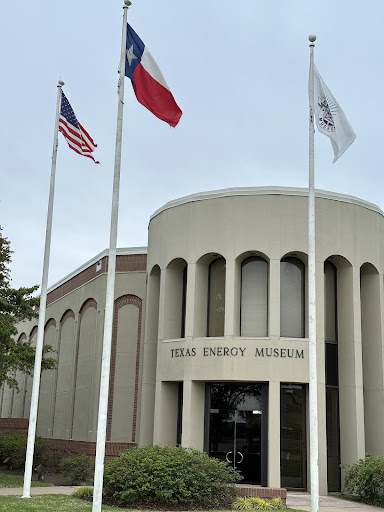
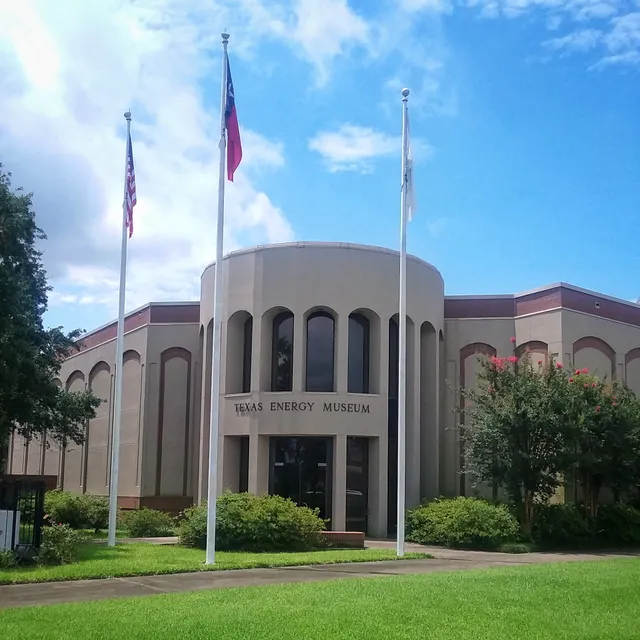
Texas Energy Museum
600 Main St, Beaumont, TX 77701
4.6(87)
Open 24 hours
Save
spot
spot
Ratings & Description
Info
The Texas Energy Museum is a museum in Beaumont, Texas in the United States. The museum was formed in 1987 to tell the story of oil through state of the art exhibits including talking robotic characters. The museum opened on January 10, 1990, the anniversary of the Spindletop gusher.
Cultural
Entertainment
Family friendly
Accessibility
attractions: Julie Rogers Theatre, Beaumont Children's Museum, Beaumont Civic Center, Jefferson Theatre, Art Museum of Southeast Texas, Dixie Dance Hall, Fire Museum of Texas, Edison Museum, St. Anthony Cathedral Basilica, Beautiful Mountain Skate Park, restaurants: Chuck's Sandwich Shop, Trust Downtown Bistro, Riverside Grille, Hearsay Beaumont, Culture Lounge, The Greek Gyro, CURRENT, Las Cazuelas, Spoonbill Cafe, ThisFitFuel, local businesses: The Haunted Hotel, Main Street Market, 434 Fannin, Beaumont Escape Room, SoutheastTexas.com, Downtown Event Centre, Lakeside Center, Treasure House of St Mark's, Tevis Room, BAW Resale and Interiors, LLC Beaumont Antique Warehouse
 Learn more insights from Wanderboat AI.
Phone
(409) 833-5100
Website
texasenergymuseum.org
Plan your stay

Pet-friendly Hotels in Beaumont
Find a cozy hotel nearby and make it a full experience.

Affordable Hotels in Beaumont
Find a cozy hotel nearby and make it a full experience.

The Coolest Hotels You Haven't Heard Of (Yet)
Find a cozy hotel nearby and make it a full experience.

Trending Stays Worth the Hype in Beaumont
Find a cozy hotel nearby and make it a full experience.
Reviews
Live events

2026 African American Cultural and Historical Society Black History Program
Sat, Feb 28 • 10:00 AM
4155 West Cardinal Drive Beaumont, TX 77705
View details

Beaumont Murder Mystery: Solve the case!
Sun, Feb 1 • 12:00 AM
801 Pearl St, Beaumont, 77701
View details

Nicholls State Colonels at Lamar University Cardinals Mens Basketball at Neches Federal Credit Union Arena at the Montagne Center
Mon, Feb 23 • 6:00 PM
Neches Federal Credit Union Arena at the Montagne Center, 4401 S. MLK Jr. Parkway, Beaumont, TX 77705, United States
View details
Nearby attractions of Texas Energy Museum
Julie Rogers Theatre
Beaumont Children's Museum
Beaumont Civic Center
Jefferson Theatre
Art Museum of Southeast Texas
Dixie Dance Hall
Fire Museum of Texas
Edison Museum
St. Anthony Cathedral Basilica
Beautiful Mountain Skate Park
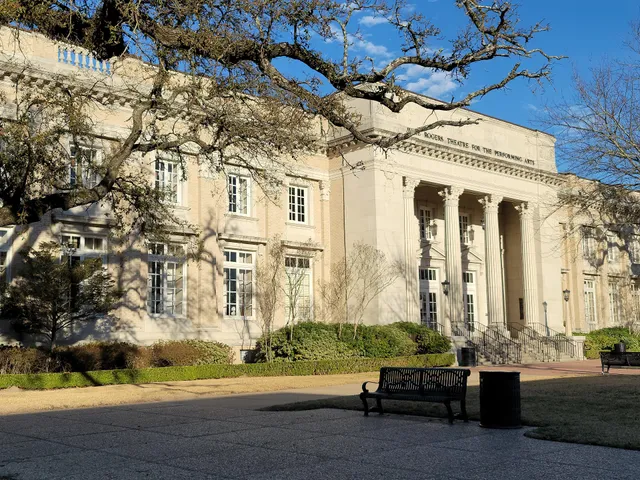
Julie Rogers Theatre
4.7
(351)
Open 24 hours
Click for details
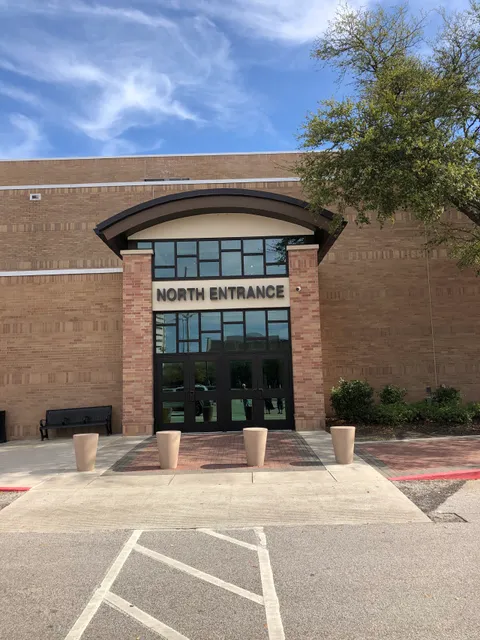
Beaumont Children's Museum
4.6
(273)
Open until 12:00 AM
Click for details

Beaumont Civic Center
4.4
(366)
Open 24 hours
Click for details
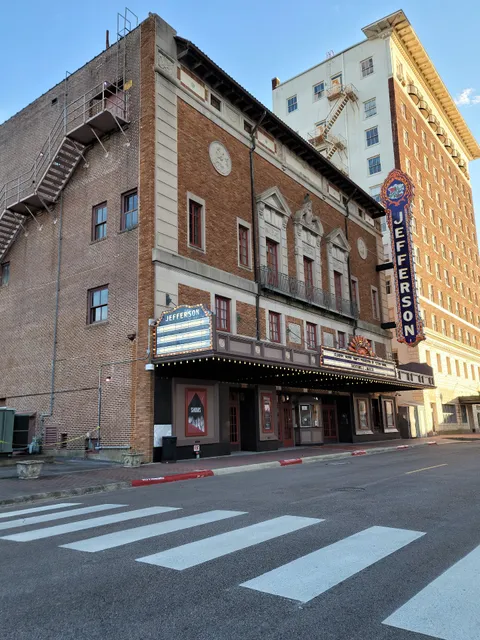
Jefferson Theatre
4.8
(317)
Open 24 hours
Click for details
Nearby restaurants of Texas Energy Museum
Chuck's Sandwich Shop
Trust Downtown Bistro
Riverside Grille
Hearsay Beaumont
Culture Lounge
The Greek Gyro
CURRENT
Las Cazuelas
Spoonbill Cafe
ThisFitFuel
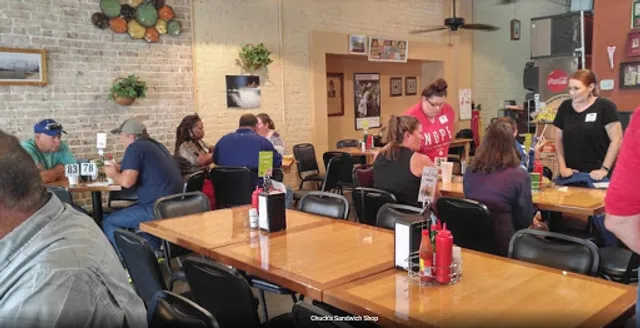
Chuck's Sandwich Shop
4.7
(185)
$
Open until 12:00 AM
Click for details
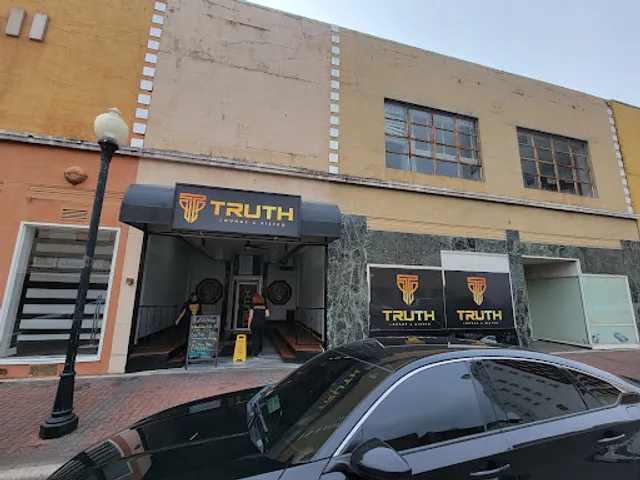
Trust Downtown Bistro
4.2
(109)
$$
Closed
Click for details
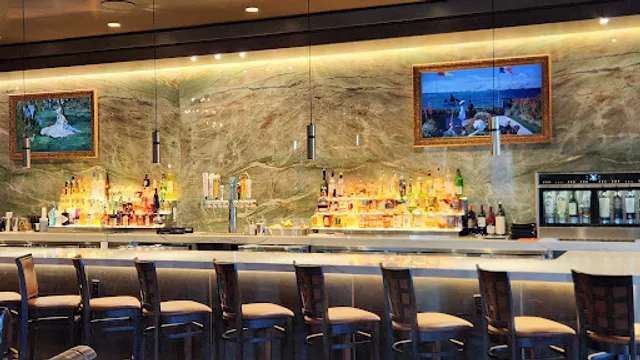
Riverside Grille
4.6
(284)
$$
Open until 9:00 PM
Click for details
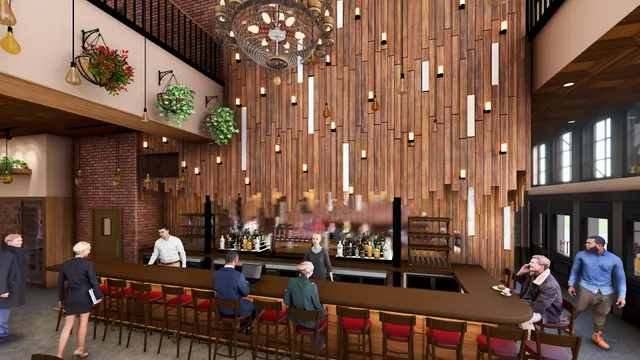
Hearsay Beaumont
4.5
(153)
$$
Open until 11:00 PM
Click for details
Nearby local services of Texas Energy Museum
The Haunted Hotel
Main Street Market
434 Fannin
Beaumont Escape Room
SoutheastTexas.com
Downtown Event Centre
Lakeside Center
Treasure House of St Mark's
Tevis Room
BAW Resale and Interiors, LLC Beaumont Antique Warehouse
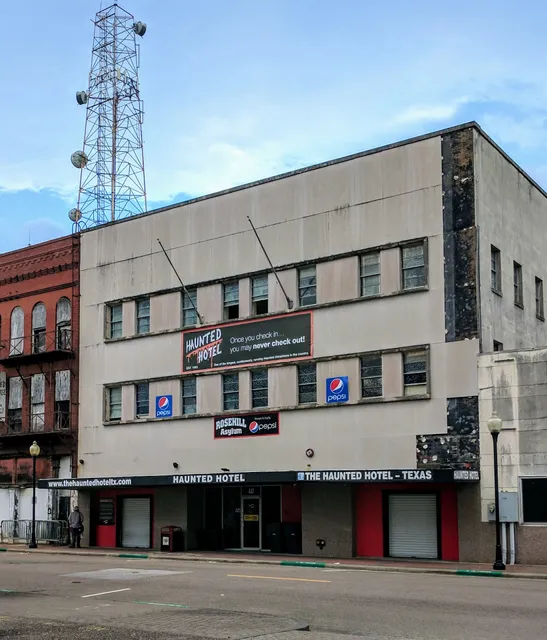
The Haunted Hotel
4.4
(156)
Click for details

Main Street Market
4.5
(8)
Click for details
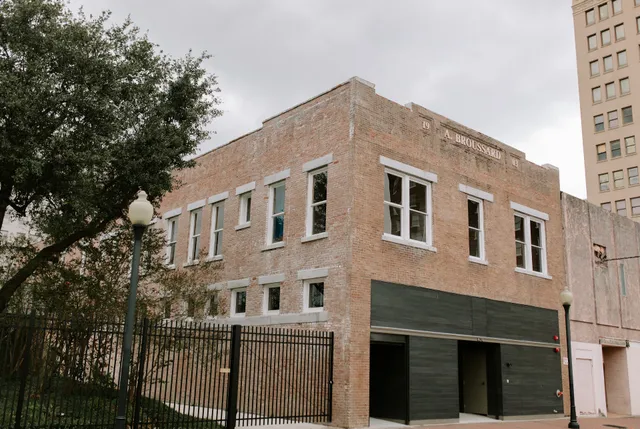
434 Fannin
4.9
(29)
Click for details
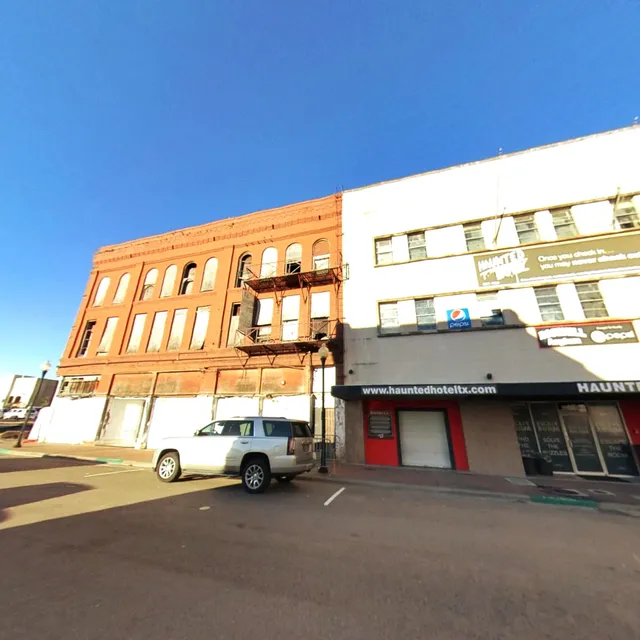
Beaumont Escape Room
4.8
(51)
Click for details