Eskenazi Museum of Art things to do, attractions, restaurants, events info and trip planning
Basic Info
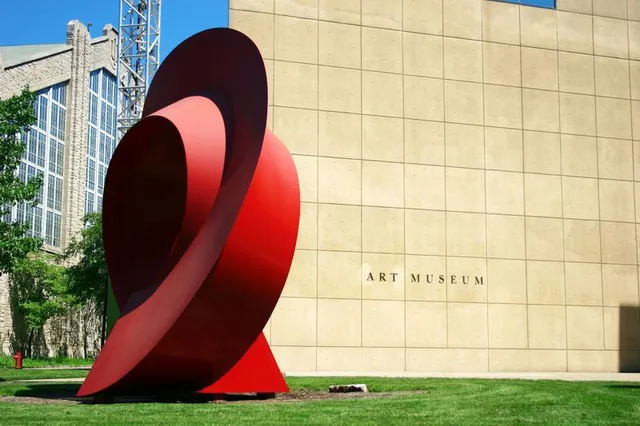
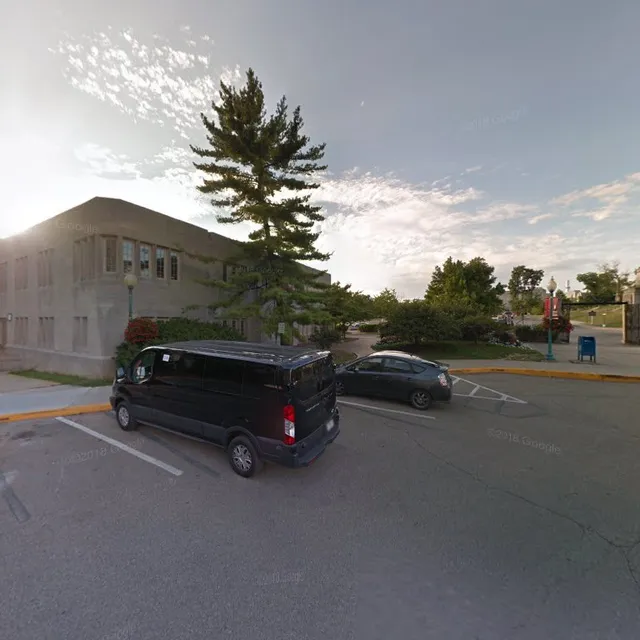
Eskenazi Museum of Art
Eskenazi Museum of Art, 1133 E 7th St, Bloomington, IN 47405
4.8(144)
Open until 12:00 AM
Save
spot
spot
Ratings & Description
Info
The Sidney and Lois Eskenazi Museum of Art at Indiana University is an art museum at Indiana University Bloomington, which opened in 1941 as the Indiana University Museum of Art under the direction of Henry Radford Hope.
Cultural
Entertainment
Family friendly
Accessibility
attractions: Indiana University Auditorium, Grunwald Gallery of Art, Indiana University Bloomington, The Lilly Library, Cox Arboretum, Conrad Prebys Amphitheater, Musical Arts Center (MAC), Herman B Wells Library, Beck Chapel, Auer Hall, restaurants: Newkirk Cafe and Gift Shop at the Sidney and Lois Eskenazi Museum of Art, Bookmark[et] Eatery, The Tudor Room, The Vault Pub, Sugar & Spice Bakery, Mother Bear's Pizza Campus, Restaurant Ami, Soma Coffee House And Juice Bar East, Dragon Express LLC, Starbucks, local businesses: ArtShop at Eskenazi School of Art, Indiana University Cinema, Showalter Arts Plaza, Office of Admissions, Kelley School of Business at Indiana University, Indiana University Bookstore, Hodge Hall Undergraduate Center, Ballantine Hall, IU Catering, Indiana University Jacobs School of Music
 Learn more insights from Wanderboat AI.
Phone
(812) 855-5445
Website
artmuseum.indiana.edu
Open hoursSee all hours
MonClosedOpen
Plan your stay

Pet-friendly Hotels in Bloomington
Find a cozy hotel nearby and make it a full experience.

Affordable Hotels in Bloomington
Find a cozy hotel nearby and make it a full experience.

The Coolest Hotels You Haven't Heard Of (Yet)
Find a cozy hotel nearby and make it a full experience.

Trending Stays Worth the Hype in Bloomington
Find a cozy hotel nearby and make it a full experience.
Reviews
Live events

Bloomington Breakfast Club Kickoff Featuring Lonnie Bedwell
Fri, Jan 30 • 9:00 AM
642 North Madison Street Bloomington, IN 47404
View details
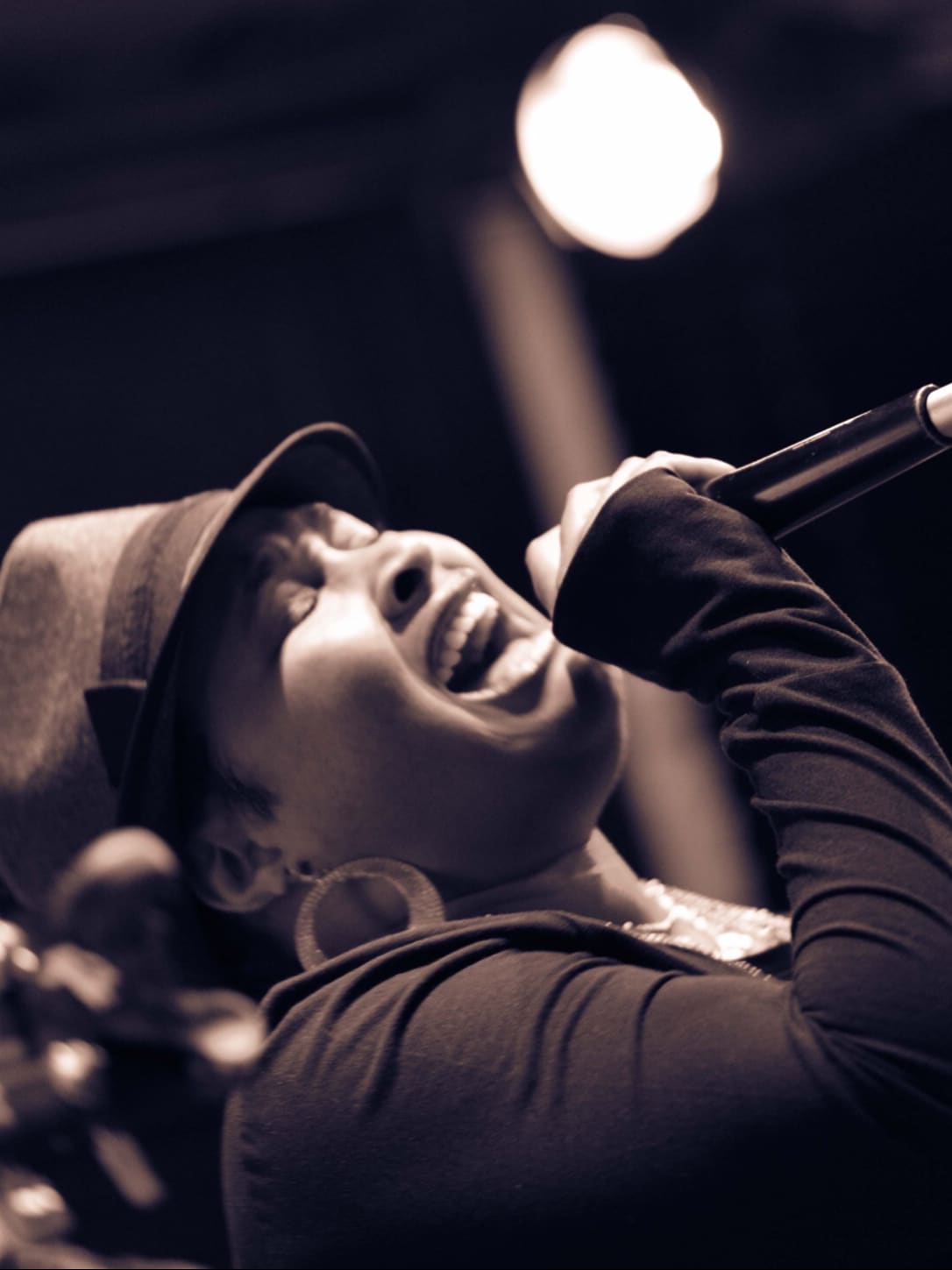
Music from the soul
at Felicias House of Blues
Fri, Jan 30 • 7:00 PM
Nashville, Indiana, 47448
View details

Dine & Donate at Pizza X to benefit MCHA
Mon, Jan 26 • 12:00 AM
Pizza X, 1789 E 10th St, Bloomington, IN 47408-3975, United States
View details
Nearby attractions of Eskenazi Museum of Art
Indiana University Auditorium
Grunwald Gallery of Art
Indiana University Bloomington
The Lilly Library
Cox Arboretum
Conrad Prebys Amphitheater
Musical Arts Center (MAC)
Herman B Wells Library
Beck Chapel
Auer Hall
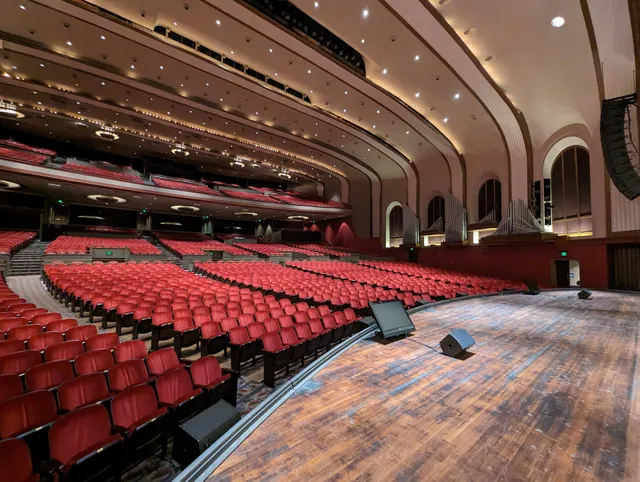
Indiana University Auditorium
4.7
(52)
Open 24 hours
Click for details
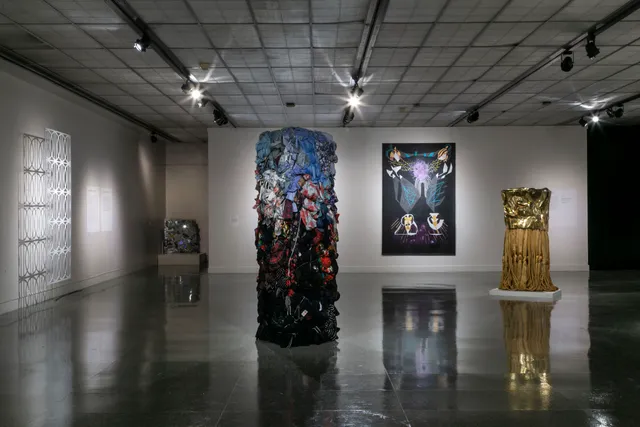
Grunwald Gallery of Art
4.6
(10)
Open until 12:00 AM
Click for details
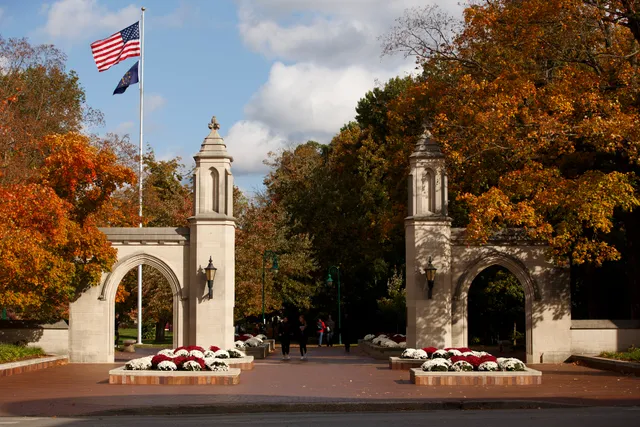
Indiana University Bloomington
4.4
(240)
Open until 12:00 AM
Click for details
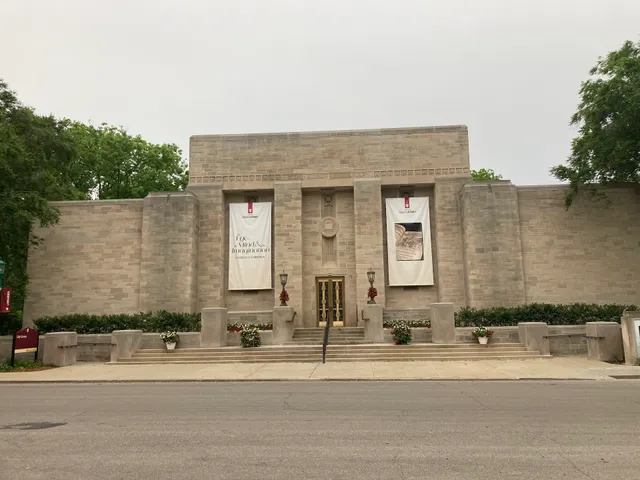
The Lilly Library
4.9
(24)
Open until 12:00 AM
Click for details
Nearby restaurants of Eskenazi Museum of Art
Newkirk Cafe and Gift Shop at the Sidney and Lois Eskenazi Museum of Art
Bookmark[et] Eatery
The Tudor Room
The Vault Pub
Sugar & Spice Bakery
Mother Bear's Pizza Campus
Restaurant Ami
Soma Coffee House And Juice Bar East
Dragon Express LLC
Starbucks
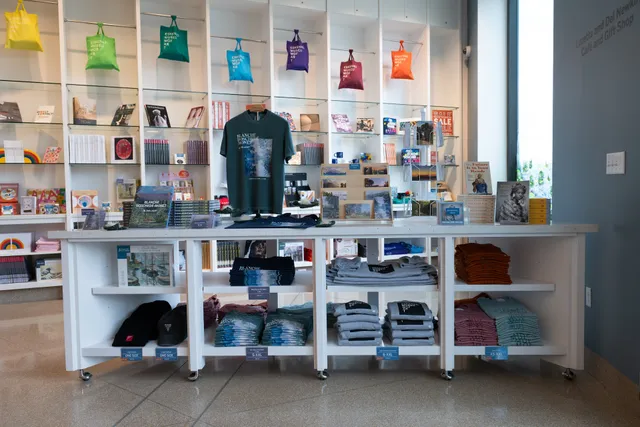
Newkirk Cafe and Gift Shop at the Sidney and Lois Eskenazi Museum of Art
3.4
(4)
$
Open until 12:00 AM
Click for details
![Bookmark[et] Eatery](https://d2kihw5e8drjh5.cloudfront.net/eyJidWNrZXQiOiJ1dGEtaW1hZ2VzIiwia2V5IjoicGxhY2VfaW1nL1JfSjJZZzlBU3ctN3lCbWJvN3dSS1EiLCJlZGl0cyI6eyJyZXNpemUiOnsid2lkdGgiOjY0MCwiaGVpZ2h0Ijo2NDAsImZpdCI6Imluc2lkZSJ9LCJyb3RhdGUiOm51bGwsInRvRm9ybWF0IjogIndlYnAifX0=)
Bookmark[et] Eatery
3.8
(40)
$
Open until 9:00 PM
Click for details
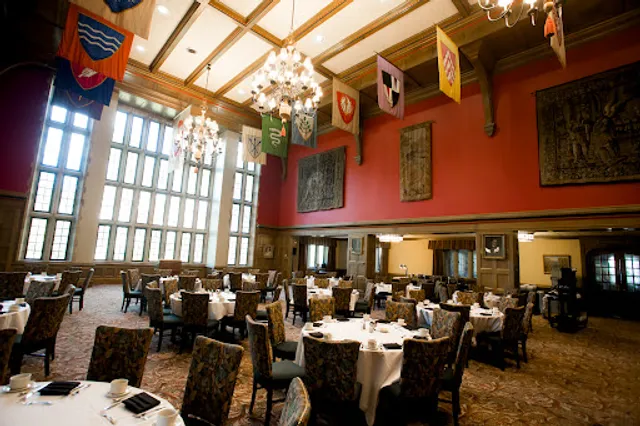
The Tudor Room
3.7
(53)
$
Closed
Click for details

The Vault Pub
4.4
(20)
$
Open until 12:00 AM
Click for details
Nearby local services of Eskenazi Museum of Art
ArtShop at Eskenazi School of Art
Indiana University Cinema
Showalter Arts Plaza
Office of Admissions
Kelley School of Business at Indiana University
Indiana University Bookstore
Hodge Hall Undergraduate Center
Ballantine Hall
IU Catering
Indiana University Jacobs School of Music
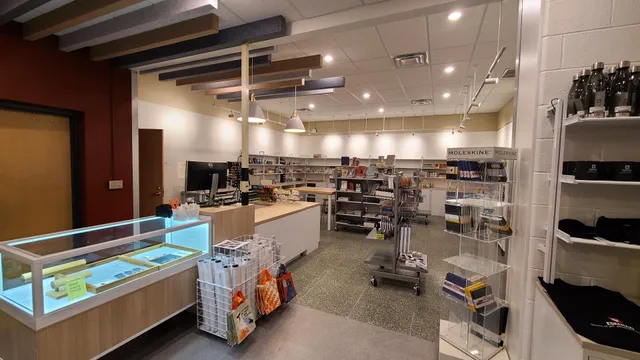
ArtShop at Eskenazi School of Art
4.9
(18)
Click for details
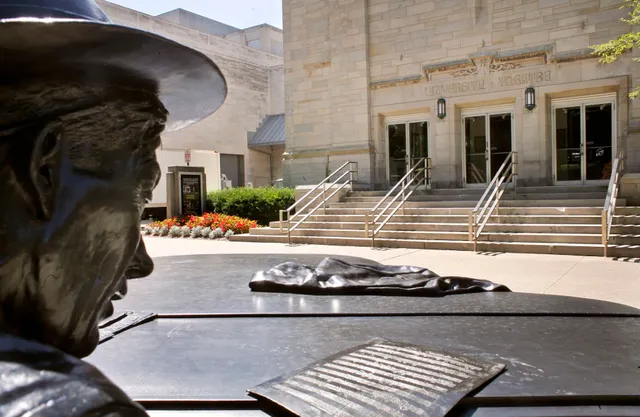
Indiana University Cinema
4.9
(52)
Click for details
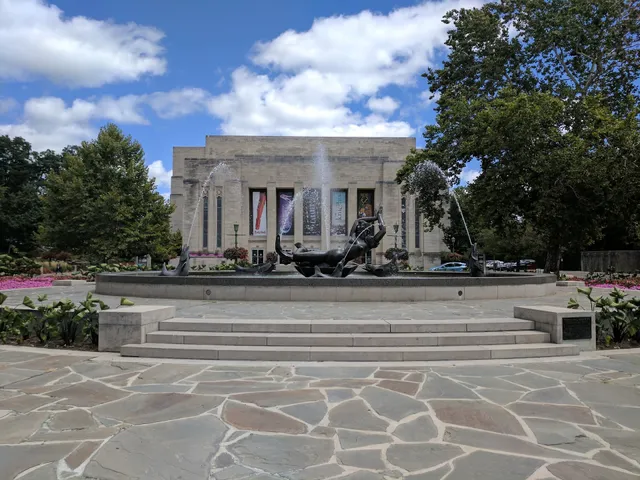
Showalter Arts Plaza
4.5
(8)
Click for details
Office of Admissions
4.5
(12)
Click for details