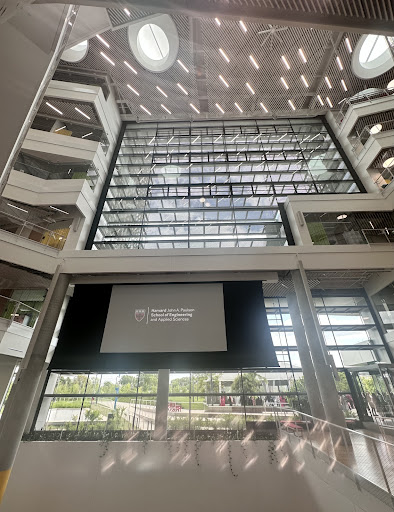
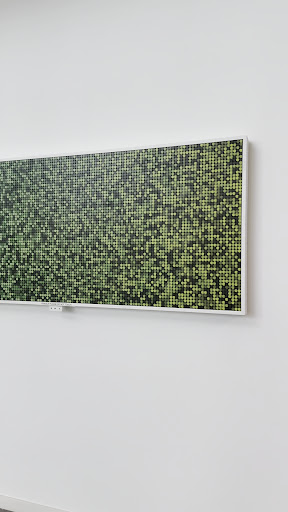
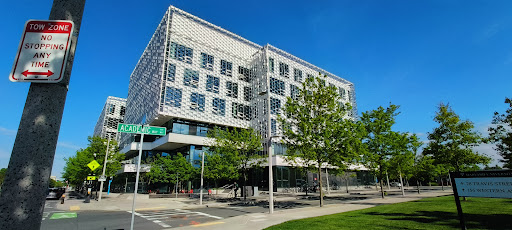
Harvard John A. Paulson School Of Engineering And Applied Sciences things to do, attractions, restaurants, events info and trip planning
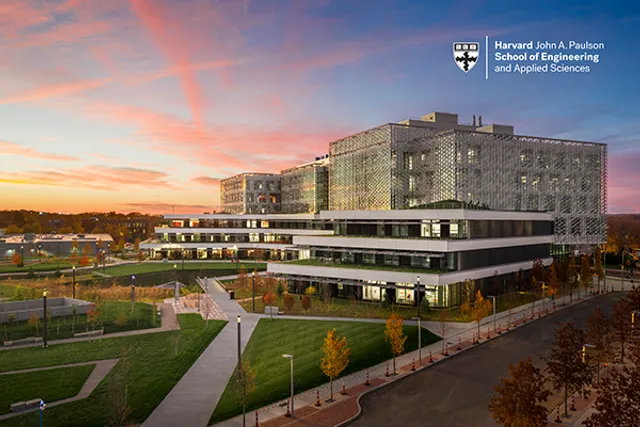
Basic Info
Harvard John A. Paulson School Of Engineering And Applied Sciences
Science and Engineering Complex, 150 Western Ave, Boston, MA 02134
4.8(31)
Open until 12:00 AM
Save
spot
spot
Ratings & Description
Info
Cultural
Accessibility
attractions: Harvard Stadium, Ohiri Field, Honan-Allston Branch of the Boston Public Library, Class of 1959 Chapel, Smith Playground, Ceramics Program, Office for the Arts at Harvard, Smith Skate Park and Pump Track, Velosolutions Pump Track, Anderson Memorial Bridge, Charles River Reservation, restaurants: swissbakers, SEC Café, Sloane’s, Sofra Bakery + Café Allston, Spangler Food Court, Dunkin', FiDO Pizza, Spring Shabu-Shabu, Park Bagelry, Scullers Jazz Club, local businesses: Ming's Auto Repair, Harvard Business School, Smith Field, Zone 3, Harvard University Athletics Complex, Petco, Paddle Boston: Allston Brighton, WBZ Boston, Vivant Vintage, Michael's Moving & Storage
 Learn more insights from Wanderboat AI.
Phone
(617) 496-1351
Website
seas.harvard.edu
Open hoursSee all hours
SatClosedOpen
Plan your stay

Pet-friendly Hotels in Boston
Find a cozy hotel nearby and make it a full experience.

Affordable Hotels in Boston
Find a cozy hotel nearby and make it a full experience.

The Coolest Hotels You Haven't Heard Of (Yet)
Find a cozy hotel nearby and make it a full experience.

Trending Stays Worth the Hype in Boston
Find a cozy hotel nearby and make it a full experience.
Reviews
Live events
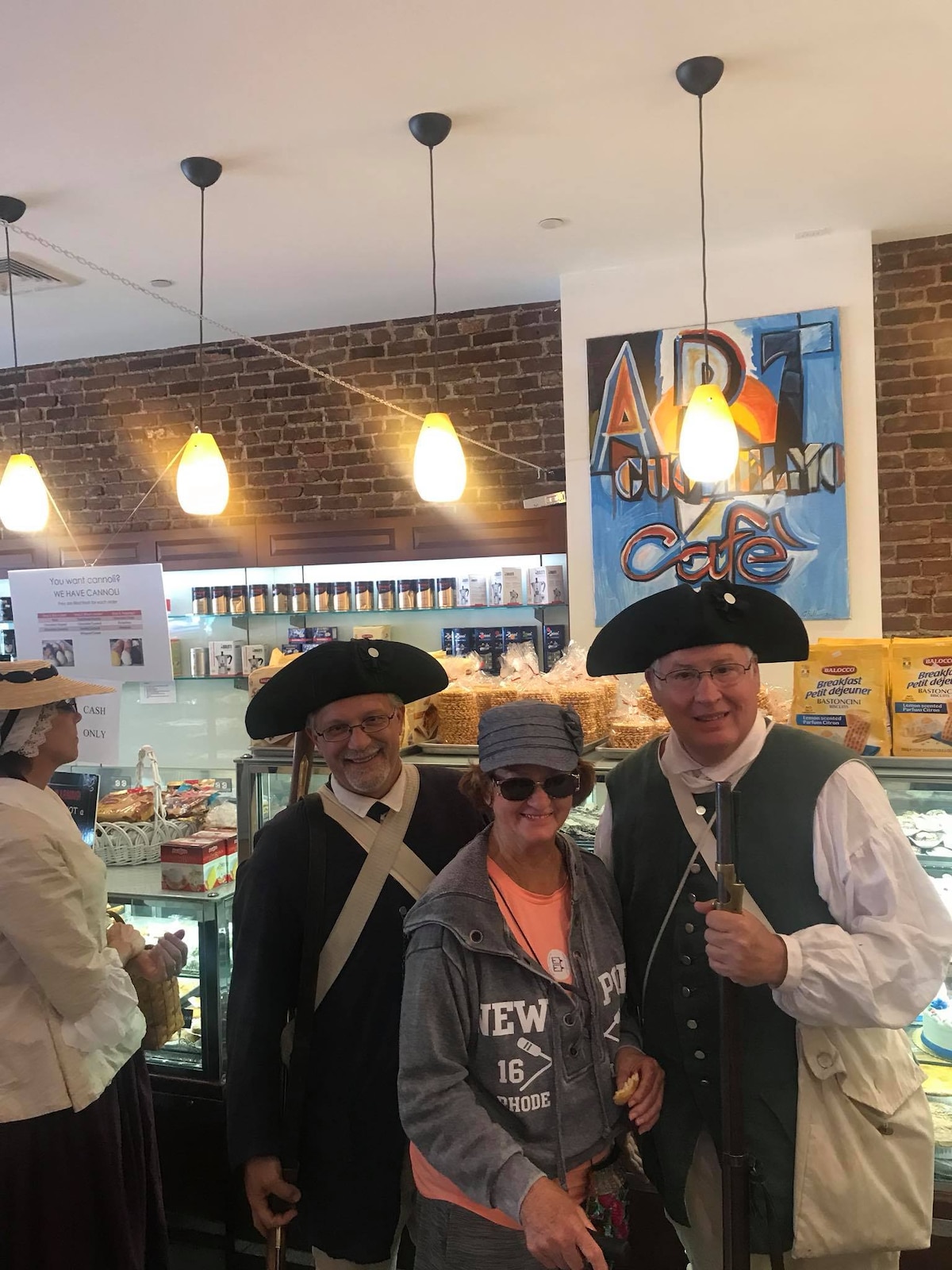
Bostons Politically Incorrect North End Food Tour
Sat, Feb 7 • 11:00 AM
Boston, Massachusetts, 02113
View details

Sat Feb 7 Paul Gilligan @ Giggles Comedy Club@ Prince Restaurant
Sat, Feb 7 • 7:30 PM
517 Broadway Saugus, MA 01906
View details

Dub Boat Live at Chianti
Sat, Feb 7 • 8:00 PM
285 Cabot Street Beverly, MA 01915
View details
Nearby attractions of Harvard John A. Paulson School Of Engineering And Applied Sciences
Harvard Stadium
Ohiri Field
Honan-Allston Branch of the Boston Public Library
Class of 1959 Chapel
Smith Playground
Ceramics Program, Office for the Arts at Harvard
Smith Skate Park and Pump Track
Velosolutions Pump Track
Anderson Memorial Bridge
Charles River Reservation
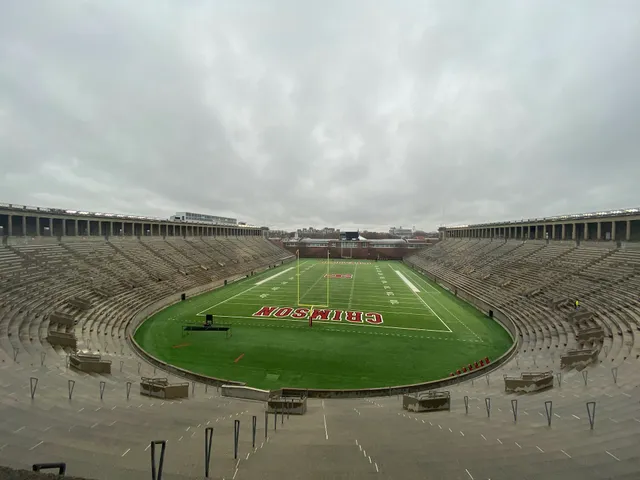
Harvard Stadium
4.6
(209)
Open 24 hours
Click for details
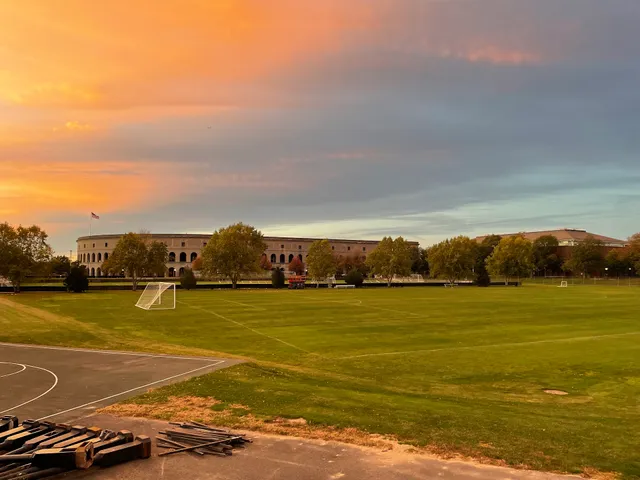
Ohiri Field
4.7
(11)
Open 24 hours
Click for details
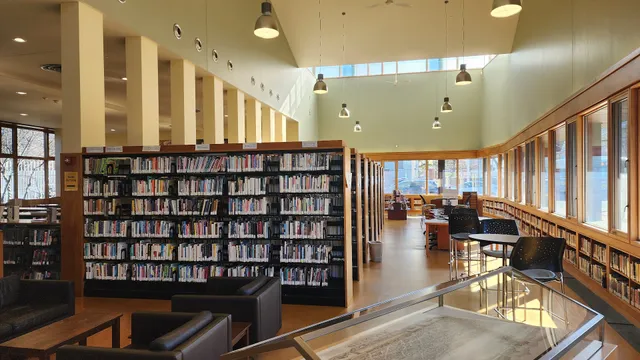
Honan-Allston Branch of the Boston Public Library
4.4
(47)
Closed
Click for details

Class of 1959 Chapel
4.8
(17)
Open until 12:00 AM
Click for details
Nearby restaurants of Harvard John A. Paulson School Of Engineering And Applied Sciences
swissbakers
SEC Café
Sloane’s
Sofra Bakery + Café Allston
Spangler Food Court
Dunkin'
FiDO Pizza
Spring Shabu-Shabu
Park Bagelry
Scullers Jazz Club
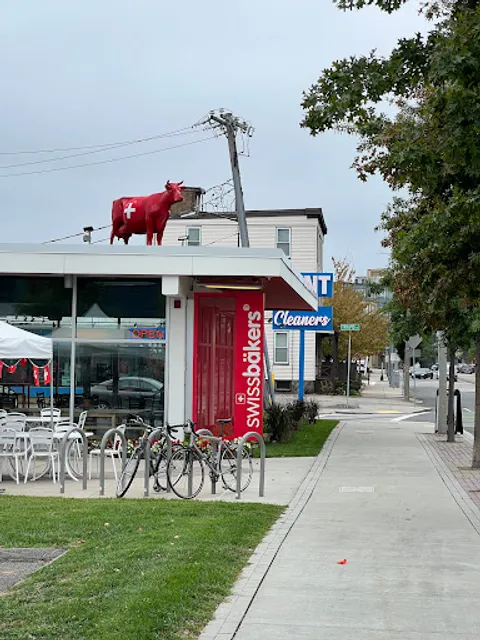
swissbakers
4.5
(273)
$
Open until 2:00 PM
Click for details
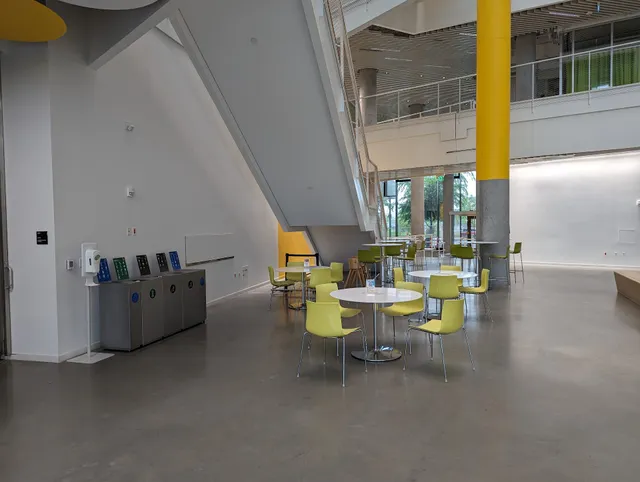
SEC Café
3.8
(3)
$
Open until 12:00 AM
Click for details
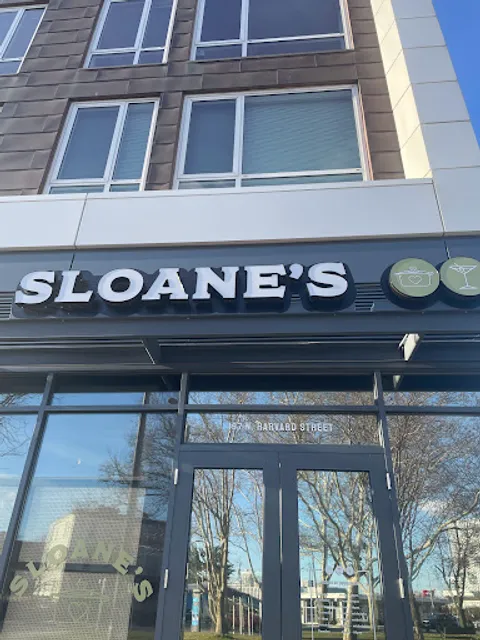
Sloane’s
4.6
(110)
$$
Closed
Click for details
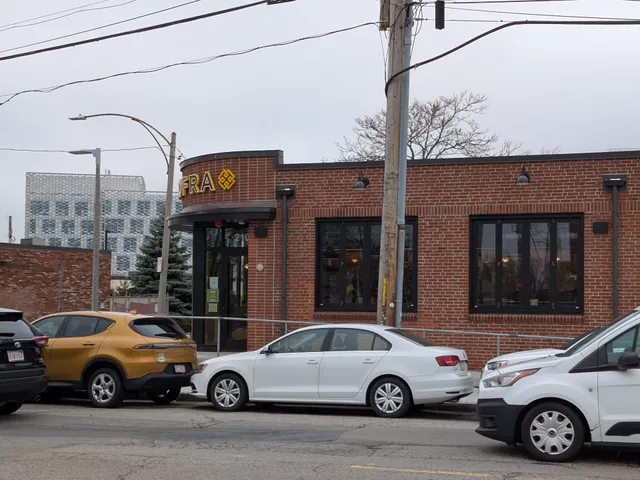
Sofra Bakery + Café Allston
4.1
(77)
$
Open until 5:00 PM
Click for details
Nearby local services of Harvard John A. Paulson School Of Engineering And Applied Sciences
Ming's Auto Repair
Harvard Business School
Smith Field
Zone 3
Harvard University Athletics Complex
Petco
Paddle Boston: Allston Brighton
WBZ Boston
Vivant Vintage
Michael's Moving & Storage
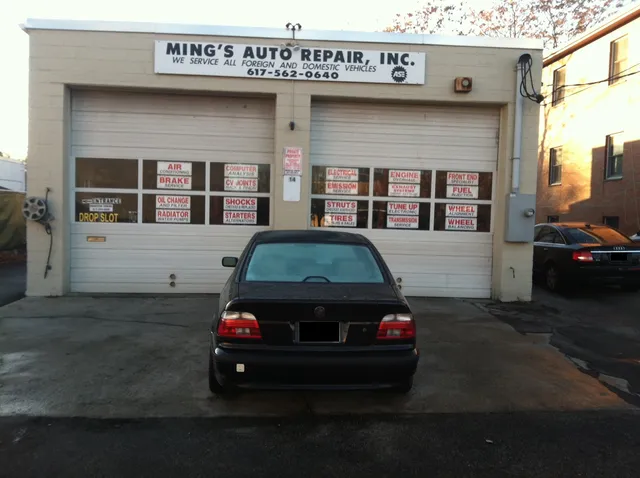
Ming's Auto Repair
4.6
(132)
Click for details
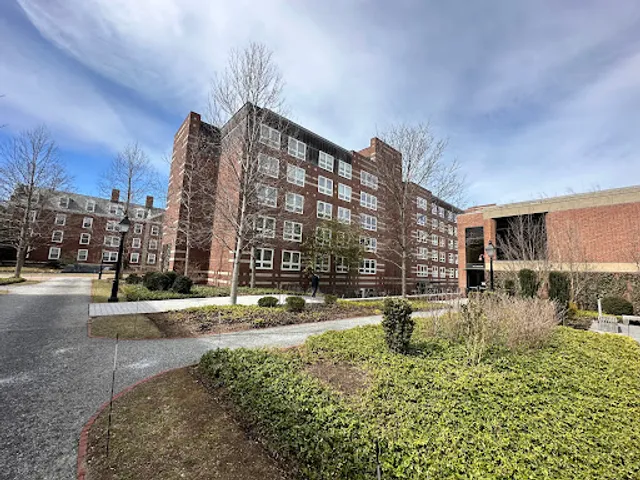
Harvard Business School
4.6
(329)
Click for details
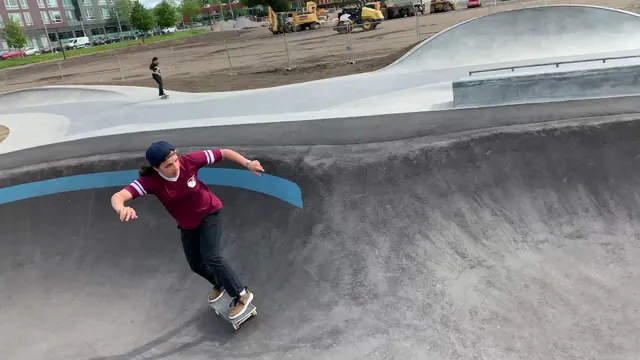
Smith Field
4.2
(43)
Click for details
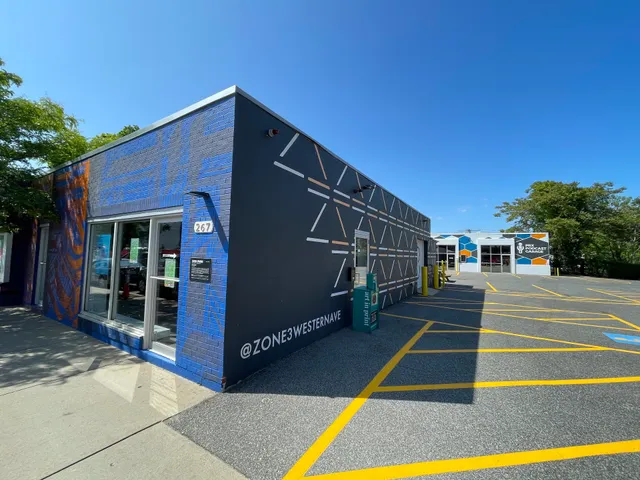
Zone 3
4.4
(57)
Click for details


The hit list
Plan your trip with Wanderboat
Welcome to Wanderboat AI, your AI search for local Eats and Fun, designed to help you explore your city and the world with ease.
Powered by Wanderboat AI trip planner.