The Wrigley Building things to do, attractions, restaurants, events info and trip planning
Basic Info
The Wrigley Building
400-410 Michigan Ave, Chicago, IL 60611
4.7(1.8K)
Open until 6:00 PM
Save
spot
spot
Ratings & Description
Info
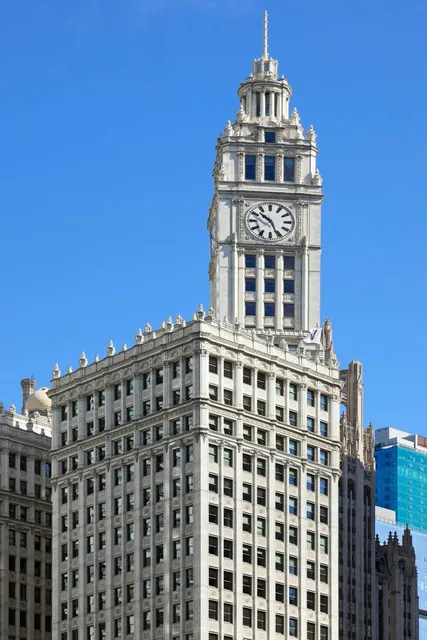
The Wrigley Building is a skyscraper located at 400–410 North Michigan Avenue on Chicago's Near North Side. It is located on the Magnificent Mile directly across Michigan Avenue from the Tribune Tower.
Cultural
Accessibility
attractions: Riverwalk, DuSable Bridge, First Lady, MUSEUM OF ICE CREAM, The Great Escape Room Chicago, Chicago Architecture Center, Wings of Mexico, Chicago Gangsters and Ghosts Tours, Plaza of the Americas, McCormick Bridgehouse & Chicago River Museum, restaurants: Ghirardelli Ice Cream & Chocolate Shop, The Purple Pig Restaurant, Billy Goat Tavern (The Original), Lou Malnati's Pizzeria, Bongiorno's Cucina Italiana & Pizzeria, Michael Jordan's Steak House Chicago, Shaw's Crab House, LH Rooftop, Andy's Jazz Club & Restaurant, Joe's Seafood, Prime Steak & Stone Crab, local businesses: Wendella Tours & Cruises, Tribune Tower, Apple Michigan Avenue, Shoreline Sightseeing, Chicago Water Taxi, Pioneer Court, 85 E Wacker Dr, Nordstrom, 201 E Grand Ave, Walgreens
 Learn more insights from Wanderboat AI.
Website
thewrigleybuilding.com
Open hoursSee all hours
Fri8 AM - 6 PMOpen
Plan your stay

Pet-friendly Hotels in Chicago
Find a cozy hotel nearby and make it a full experience.

Affordable Hotels in Chicago
Find a cozy hotel nearby and make it a full experience.

The Coolest Hotels You Haven't Heard Of (Yet)
Find a cozy hotel nearby and make it a full experience.

Trending Stays Worth the Hype in Chicago
Find a cozy hotel nearby and make it a full experience.
Reviews
Live events
Chicago Underground Pedway & Secret Interiors Tour
Fri, Feb 20 • 10:00 AM
Chicago, Illinois, 60602
View details
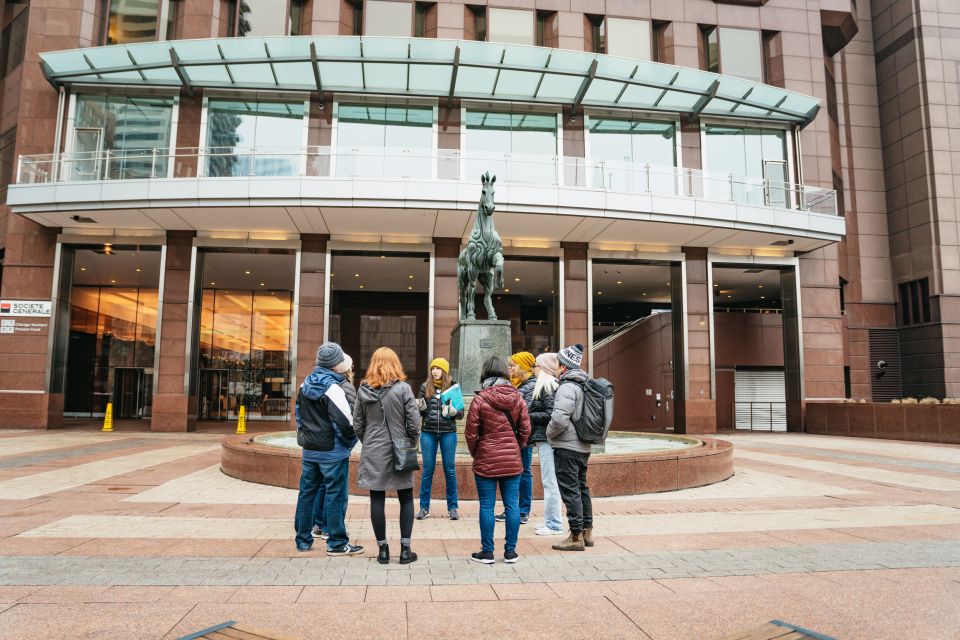
Discover Chicagos Dazzling Architecture Interiors
Fri, Feb 20 • 11:00 AM
Chicago, Illinois, 60605
View details
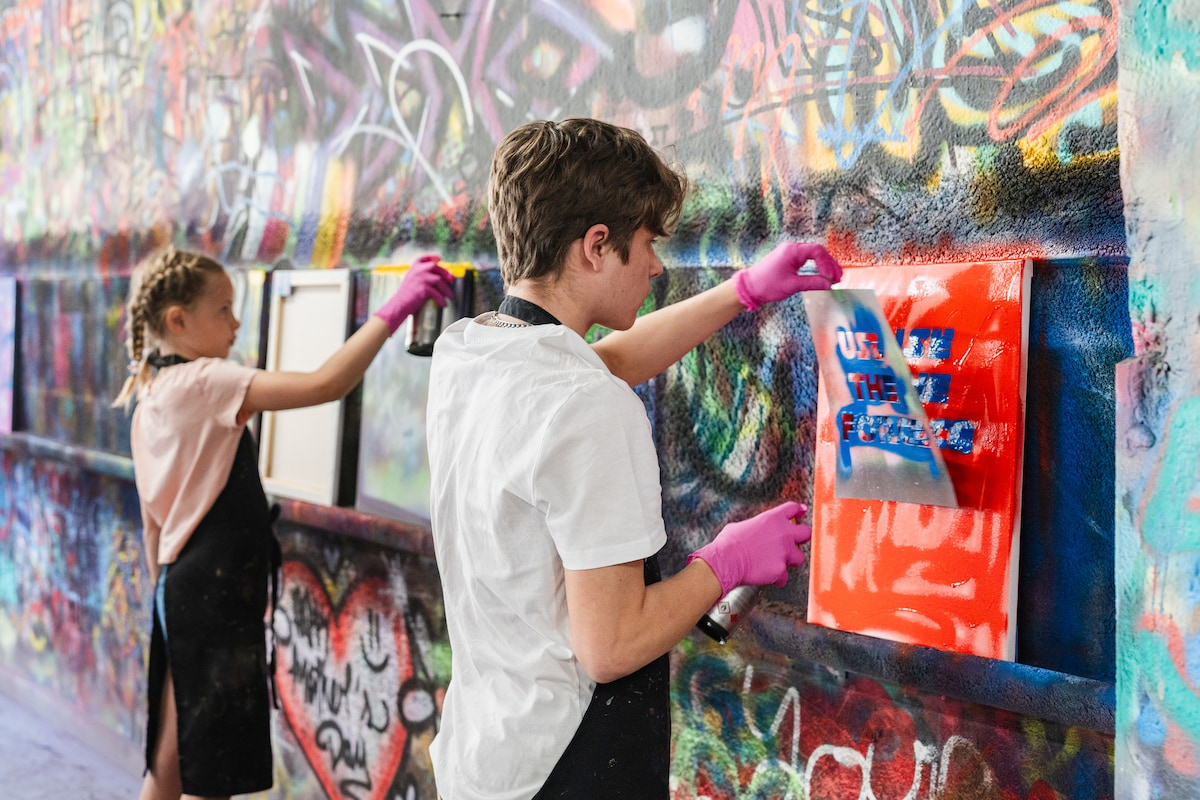
Street Art Workshop
Fri, Feb 20 • 8:30 PM
Chicago, Illinois, 60640
View details
Nearby attractions of The Wrigley Building
Riverwalk
DuSable Bridge
First Lady
MUSEUM OF ICE CREAM
The Great Escape Room Chicago
Chicago Architecture Center
Wings of Mexico
Chicago Gangsters and Ghosts Tours
Plaza of the Americas
McCormick Bridgehouse & Chicago River Museum
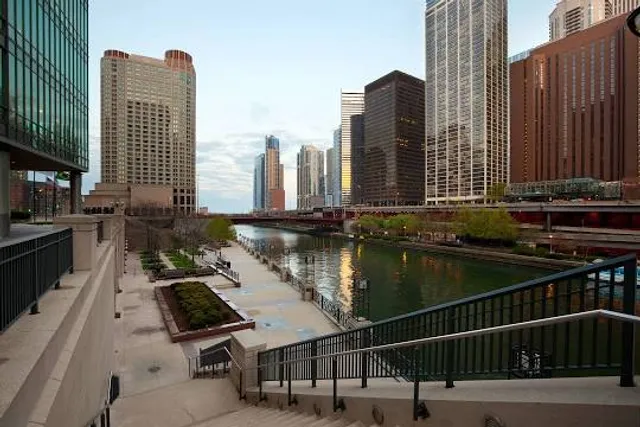
Riverwalk
4.8
(8.2K)
Open until 11:00 PM
Click for details
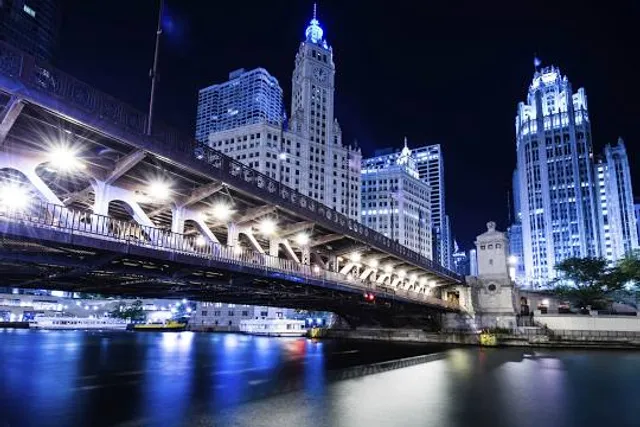
DuSable Bridge
4.7
(2K)
Open until 12:00 AM
Click for details
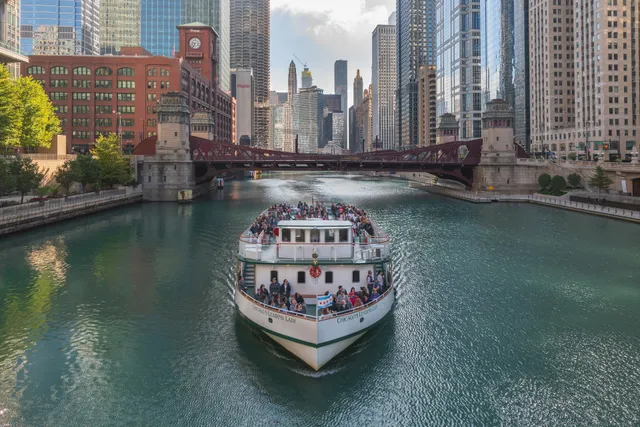
First Lady
4.8
(1.8K)
Closed
Click for details
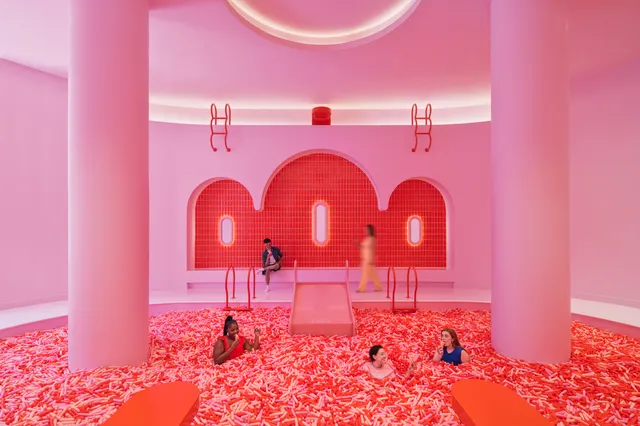
MUSEUM OF ICE CREAM
4.1
(2.1K)
Closed
Click for details
Nearby restaurants of The Wrigley Building
Ghirardelli Ice Cream & Chocolate Shop
The Purple Pig Restaurant
Billy Goat Tavern (The Original)
Lou Malnati's Pizzeria
Bongiorno's Cucina Italiana & Pizzeria
Michael Jordan's Steak House Chicago
Shaw's Crab House
LH Rooftop
Andy's Jazz Club & Restaurant
Joe's Seafood, Prime Steak & Stone Crab
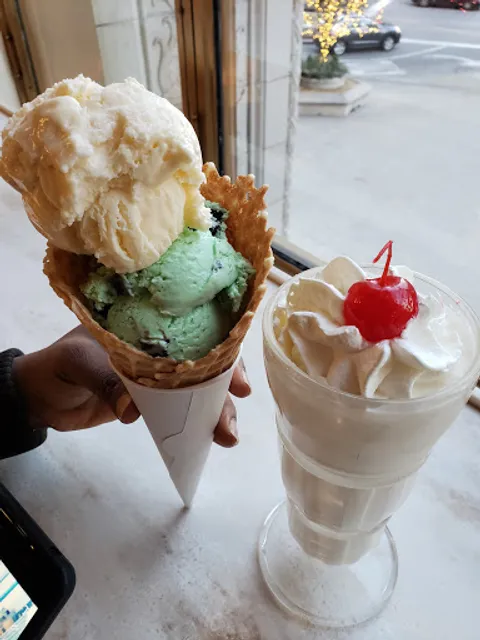
Ghirardelli Ice Cream & Chocolate Shop
4.5
(1.6K)
$$
Closed
Click for details
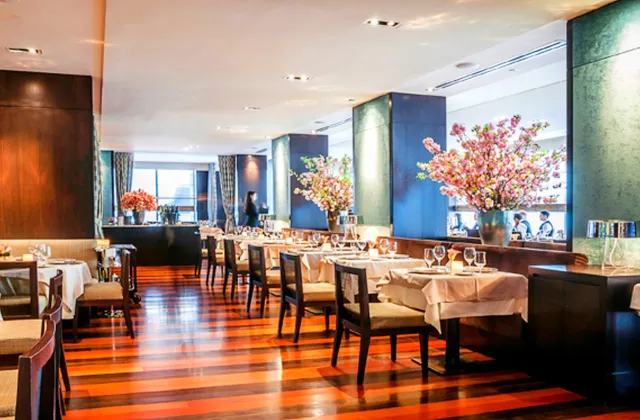
The Purple Pig Restaurant
4.6
(3.2K)
$$$
Closed
Click for details
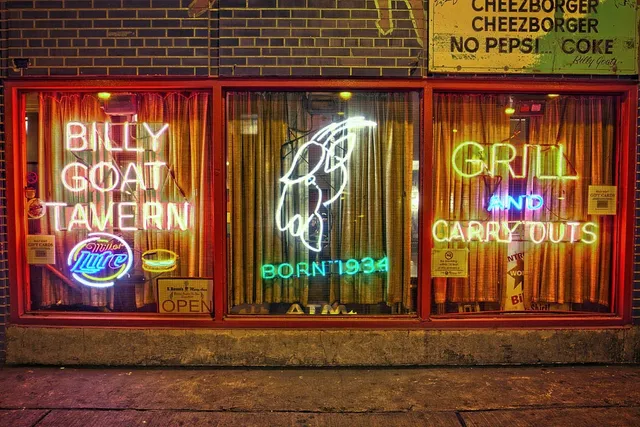
Billy Goat Tavern (The Original)
4.5
(2.5K)
$
Open until 1:30 AM
Click for details
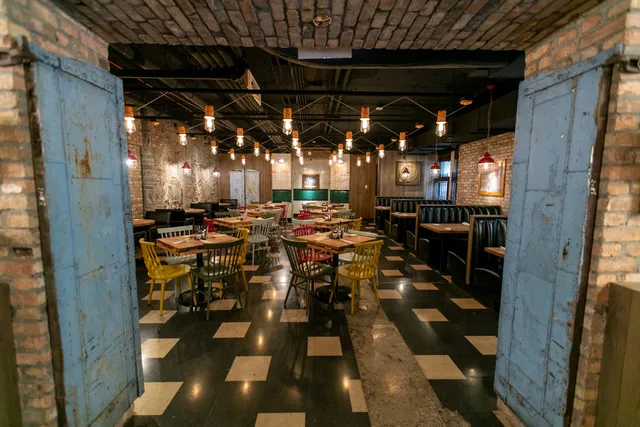
Lou Malnati's Pizzeria
4.2
(2.5K)
$$
Closed
Click for details
Nearby local services of The Wrigley Building
Wendella Tours & Cruises
Tribune Tower
Apple Michigan Avenue
Shoreline Sightseeing
Chicago Water Taxi
Pioneer Court
85 E Wacker Dr
Nordstrom
201 E Grand Ave
Walgreens
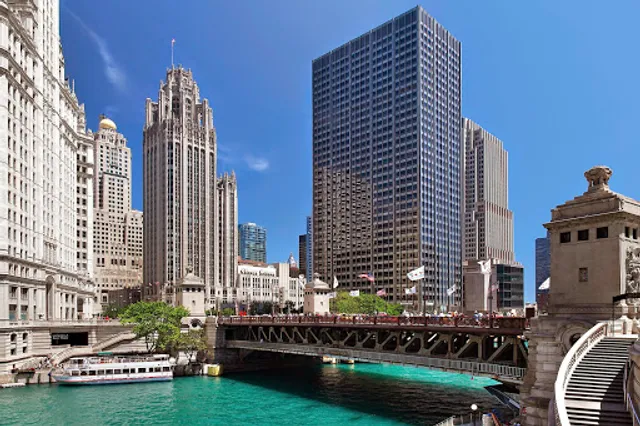
Wendella Tours & Cruises
4.7
(4.1K)
Click for details
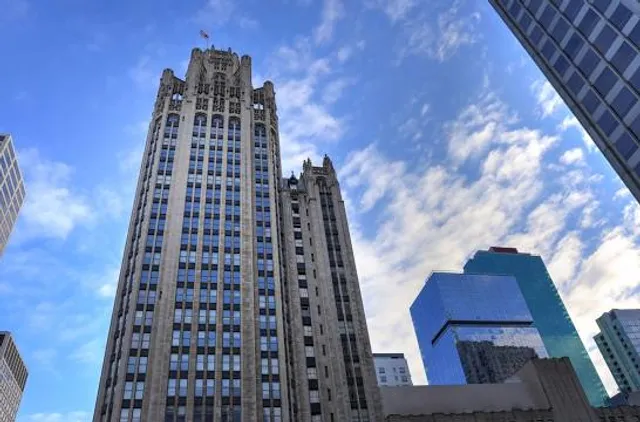
Tribune Tower
4.7
(2.1K)
Click for details
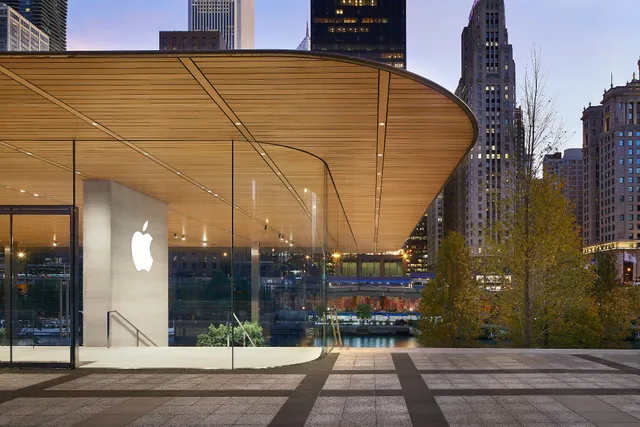
Apple Michigan Avenue
4.2
(2.3K)
Click for details

Shoreline Sightseeing
4.8
(2.1K)
Click for details


The hit list
Plan your trip with Wanderboat
Welcome to Wanderboat AI, your AI search for local Eats and Fun, designed to help you explore your city and the world with ease.
Powered by Wanderboat AI trip planner.