DuSable Bridge things to do, attractions, restaurants, events info and trip planning
Basic Info
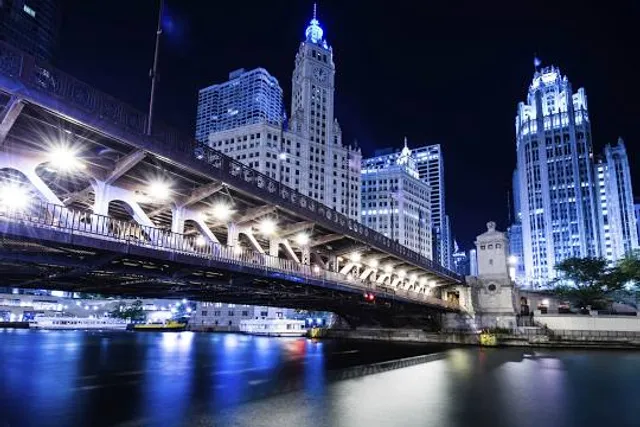
DuSable Bridge
333 Michigan Ave, Chicago, IL 60601
4.7(2K)
Open until 12:00 AM
Save
spot
spot
Ratings & Description
Info
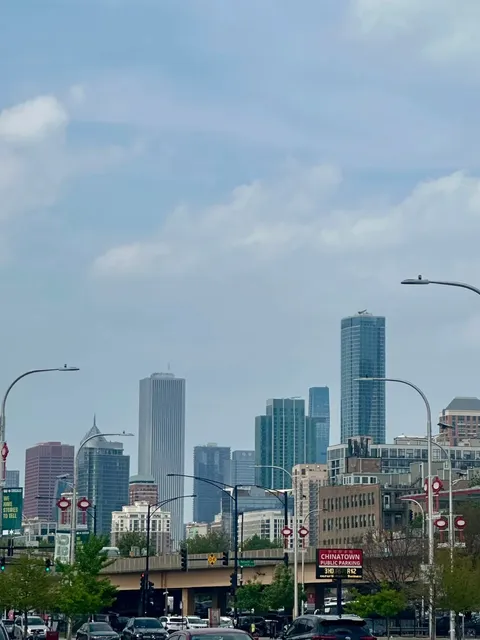
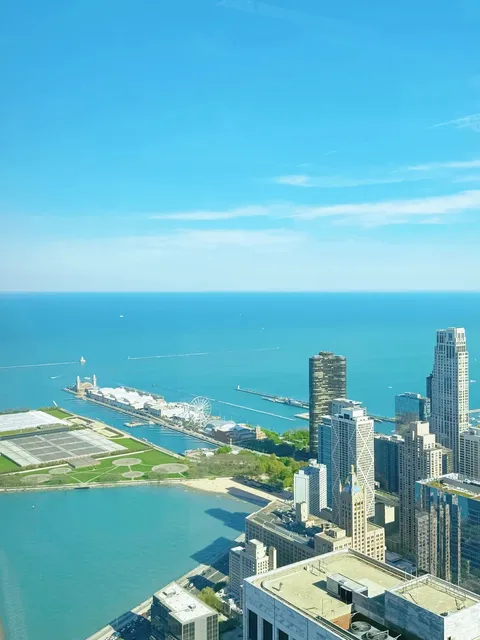
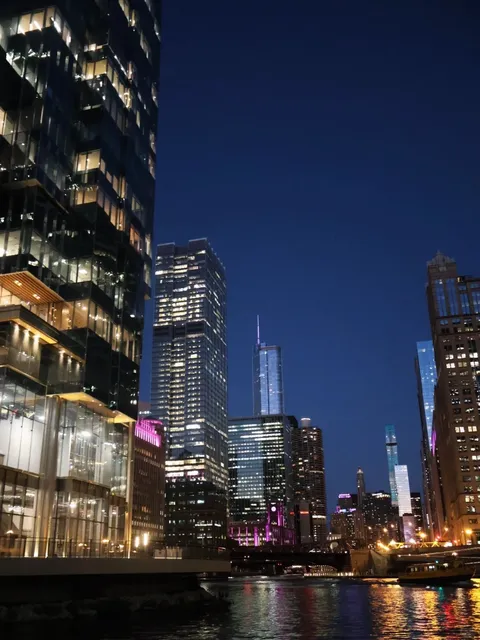
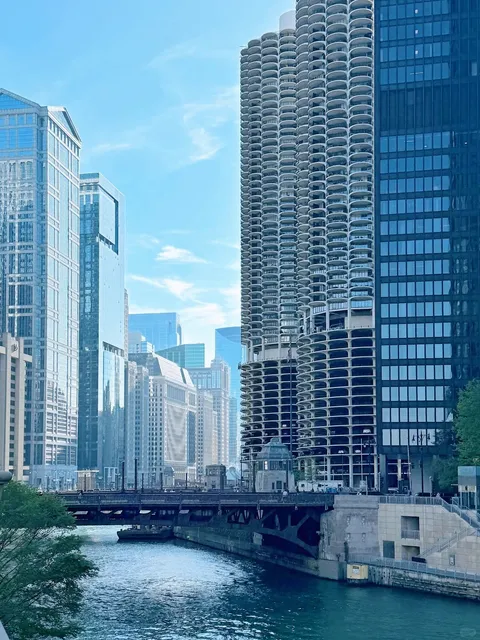
The DuSable Bridge is a bascule bridge that carries Michigan Avenue across the main stem of the Chicago River in downtown Chicago, Illinois, United States. The bridge was proposed in the early 20th century as part of a plan to link Grant Park and Lincoln Park with a grand boulevard.
Cultural
Outdoor
Accessibility
attractions: Riverwalk, First Lady, First Lady, The Wrigley Building, Chicago Architecture Center, MUSEUM OF ICE CREAM, Chicago Gangsters and Ghosts Tours, McCormick Bridgehouse & Chicago River Museum, Tribune Tower, The Great Escape Room Chicago, restaurants: Ghirardelli Ice Cream & Chocolate Shop, LH Rooftop, The Purple Pig Restaurant, Billy Goat Tavern (The Original), Beat Kitchen on the Riverwalk, Lou Malnati's Pizzeria, Bongiorno's Cucina Italiana & Pizzeria, Shaw's Crab House, Land & Lake Kitchen, Ocean Prime, local businesses: Wendella Tours & Cruises, 85 E Wacker Dr, Apple Michigan Avenue, Shoreline Sightseeing, Nexus Auto Transport, NAILaCARTE – Streeterville Nail Salon | Downtown Chicago, Chicago Water Taxi, Pioneer Court, 111 E Wacker Dr, Blackhawks Store
 Learn more insights from Wanderboat AI.
Website
webapps.cityofchicago.org
Open hoursSee all hours
ThuOpen 24 hoursOpen
Plan your stay

Pet-friendly Hotels in Chicago
Find a cozy hotel nearby and make it a full experience.

Affordable Hotels in Chicago
Find a cozy hotel nearby and make it a full experience.

The Coolest Hotels You Haven't Heard Of (Yet)
Find a cozy hotel nearby and make it a full experience.

Trending Stays Worth the Hype in Chicago
Find a cozy hotel nearby and make it a full experience.
Reviews
Live events
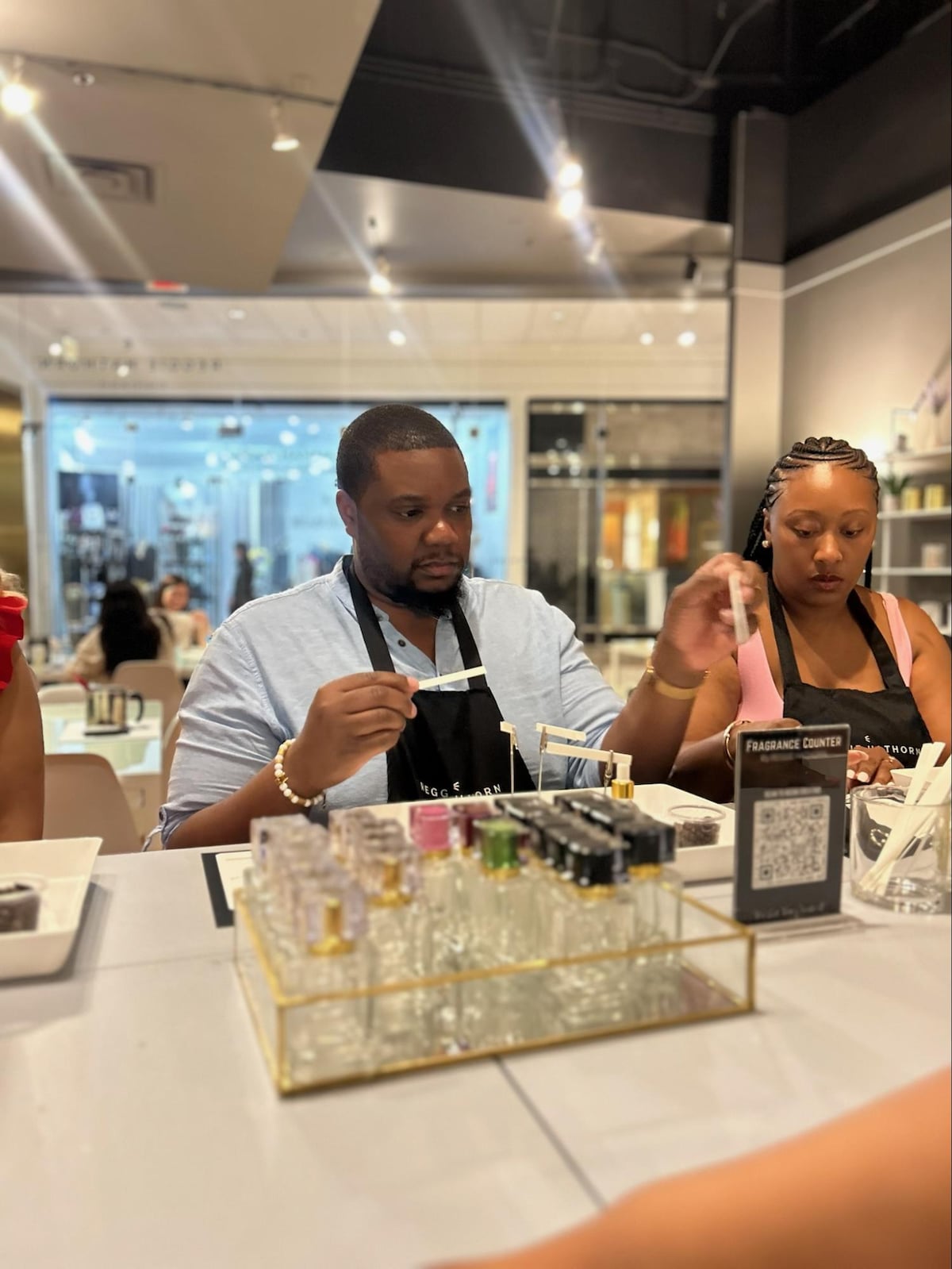
Blend Scents to Design Your Own Fragrance
Thu, Feb 26 • 3:00 PM
Chicago, Illinois, 60611
View details

Self-Care City Scavenger Hunt: Based on Hot Habits Series - Cicero Area
Thu, Feb 26 • 1:00 PM
2440 South Laramie Avenue Cicero, IL 60804
View details

ISSA CELEBRATION!!!!
Thu, Feb 26 • 8:00 PM
5055 West 111th Street Alsip, IL 60803
View details
Nearby attractions of DuSable Bridge
Riverwalk
First Lady
First Lady
The Wrigley Building
Chicago Architecture Center
MUSEUM OF ICE CREAM
Chicago Gangsters and Ghosts Tours
McCormick Bridgehouse & Chicago River Museum
Tribune Tower
The Great Escape Room Chicago
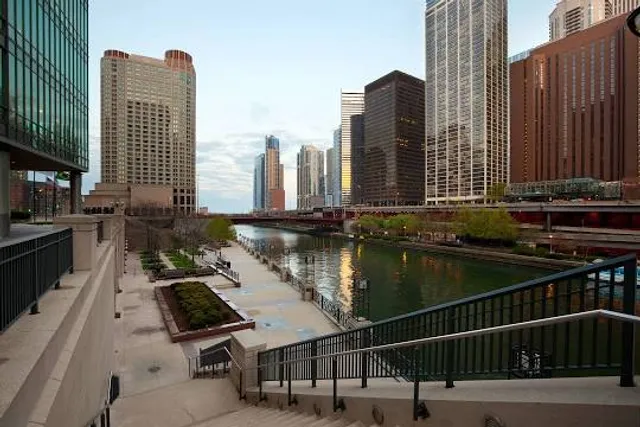
Riverwalk
4.8
(8.8K)
Open until 11:00 PM
Click for details
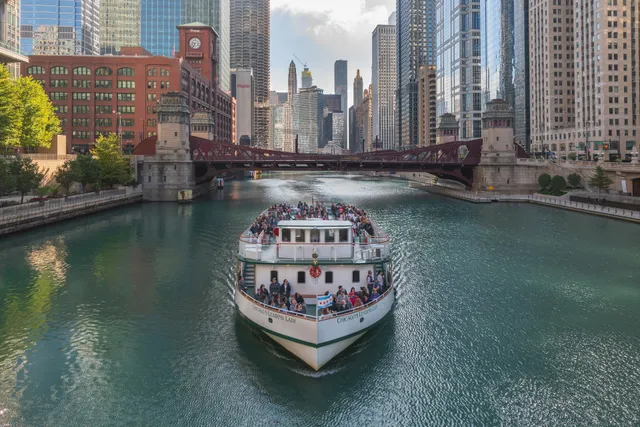
First Lady
4.8
(1.8K)
Open 24 hours
Click for details
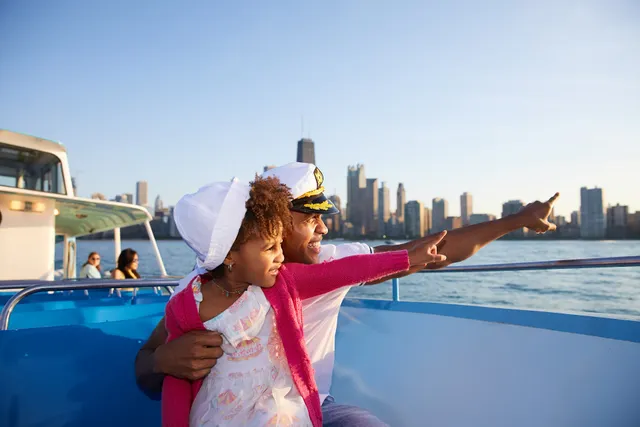
First Lady
4.8
(1.7K)
Open 24 hours
Click for details
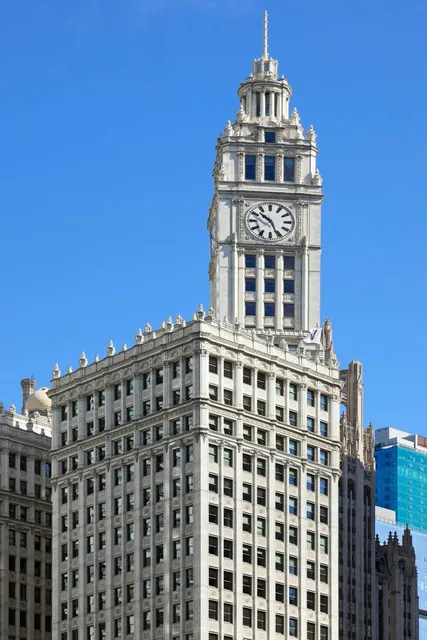
The Wrigley Building
4.7
(2K)
Open until 6:00 PM
Click for details
Nearby restaurants of DuSable Bridge
Ghirardelli Ice Cream & Chocolate Shop
LH Rooftop
The Purple Pig Restaurant
Billy Goat Tavern (The Original)
Beat Kitchen on the Riverwalk
Lou Malnati's Pizzeria
Bongiorno's Cucina Italiana & Pizzeria
Shaw's Crab House
Land & Lake Kitchen
Ocean Prime
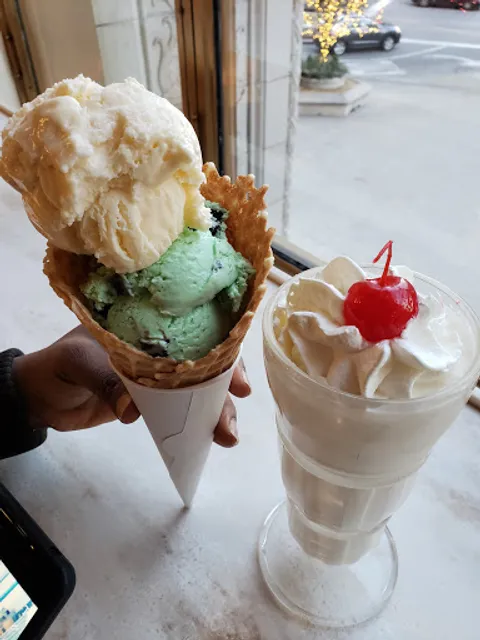
Ghirardelli Ice Cream & Chocolate Shop
4.5
(1.6K)
$$
Open until 9:00 PM
Click for details
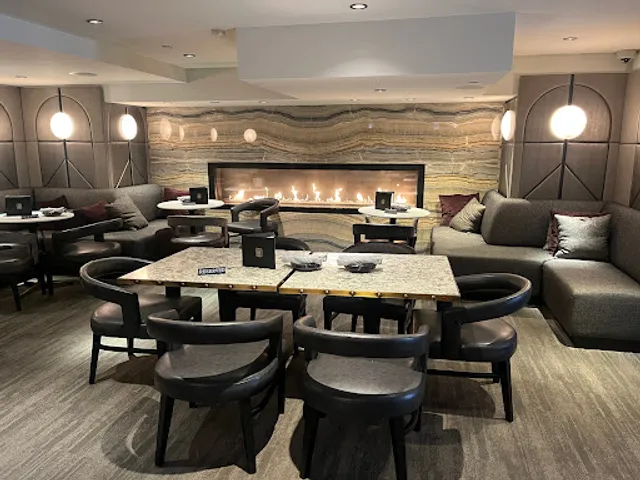
LH Rooftop
4.2
(1.6K)
$$
Open until 12:00 AM
Click for details
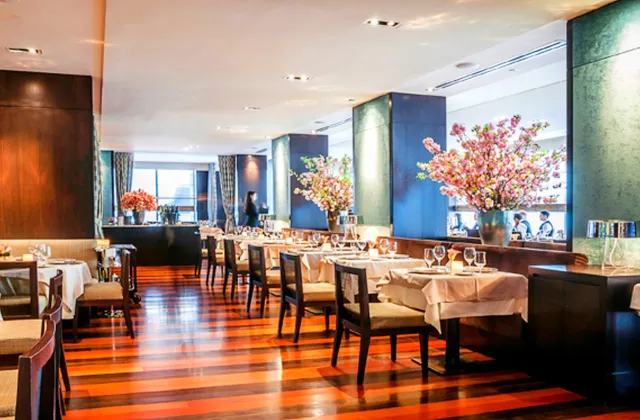
The Purple Pig Restaurant
4.6
(3K)
$$$
Open until 9:00 PM
Click for details
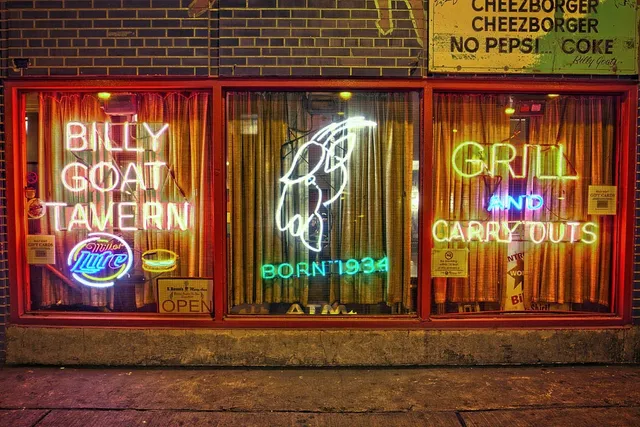
Billy Goat Tavern (The Original)
4.5
(2.6K)
$
Open until 1:30 AM
Click for details
Nearby local services of DuSable Bridge
Wendella Tours & Cruises
85 E Wacker Dr
Apple Michigan Avenue
Shoreline Sightseeing
Nexus Auto Transport
NAILaCARTE – Streeterville Nail Salon | Downtown Chicago
Chicago Water Taxi
Pioneer Court
111 E Wacker Dr
Blackhawks Store
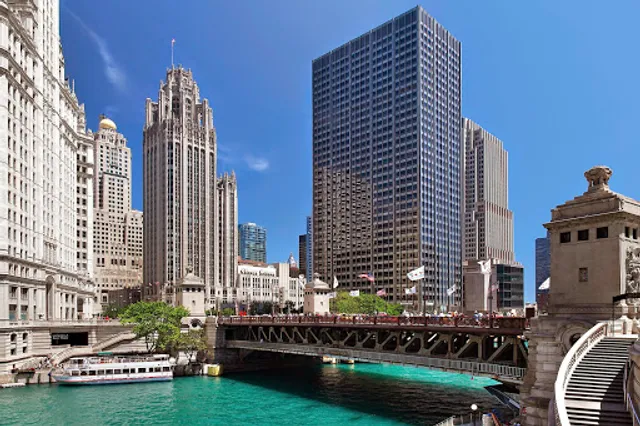
Wendella Tours & Cruises
4.7
(4.3K)
Click for details
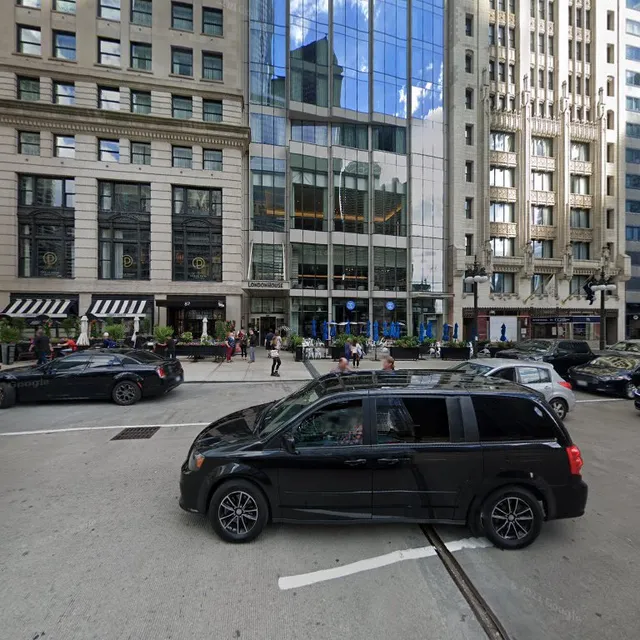
85 E Wacker Dr
4.5
(2.8K)
Click for details
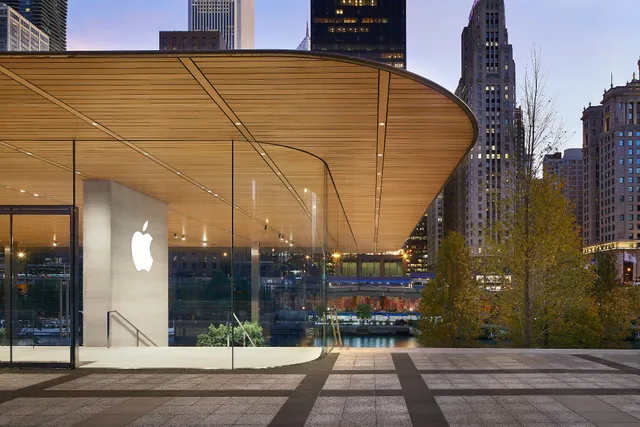
Apple Michigan Avenue
4.2
(2.1K)
Click for details

Shoreline Sightseeing
4.8
(2K)
Click for details


The hit list


Plan your trip with Wanderboat
Welcome to Wanderboat AI, your AI search for local Eats and Fun, designed to help you explore your city and the world with ease.
Powered by Wanderboat AI trip planner.