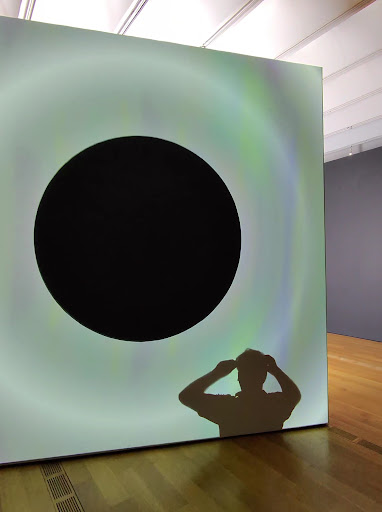
David J. Sencer CDC Museum things to do, attractions, restaurants, events info and trip planning

Basic Info
David J. Sencer CDC Museum
1600 Clifton Rd N E, Atlanta, GA 30329
4.5(131)
Open 24 hours
Save
spot
spot
Ratings & Description
Info
The David J. Sencer CDC Museum, often referred to as the CDC Museum, is museum about the U.S. Centers for Disease Control and Prevention located in Atlanta, Georgia. The museum is affiliated with the Smithsonian Institution.
Cultural
Entertainment
Family friendly
Accessibility
attractions: Emory University, Hahn Woods, Dooley Statue, Campus Dining, restaurants: The General Muir, Srithai: Thai Kitchen & Sushi Bar (Emory), TGM Bread, The Point, The Depot by Kaldi's Coffee, Thaicoon & Sushi Bar, Dancing Goats Emory, Pig-N-Chik BBQ, Pizza Bella, Cox Hall, local businesses: uBreakiFix - Phone and Computer Repair, The Black Hair Experience, Skynculture, Centers for Disease Control and Prevention, Art Of Wax Brazilian Waxing & Sugaring, The Do (formerly Emily J salon), LOFT, F45 Training Emory Point, Green Light Electric LLC, The Hatchery
 Learn more insights from Wanderboat AI.
Phone
(404) 639-0830
Website
cdc.gov
Plan your stay

Pet-friendly Hotels in Decatur
Find a cozy hotel nearby and make it a full experience.

Affordable Hotels in Decatur
Find a cozy hotel nearby and make it a full experience.

The Coolest Hotels You Haven't Heard Of (Yet)
Find a cozy hotel nearby and make it a full experience.

Trending Stays Worth the Hype in Decatur
Find a cozy hotel nearby and make it a full experience.
Reviews
Live events

Serial Killer: The Exhibition World Tour
Fri, Feb 27 • 6:00 PM
225 Rogers Street Northeast, Atlanta, 30317
View details
![LYFE ATL THIS SATURDAY [FREE ENTRY W/ RSVP]](https://img.evbuc.com/https%3A%2F%2Fcdn.evbuc.com%2Fimages%2F867624379%2F153161972037%2F1%2Foriginal.20241006-010517?crop=focalpoint&fit=crop&h=740&w=1200&auto=format%2Ccompress&q=75&sharp=10&fp-x=0.00496632996633&fp-y=0.000155642023346&s=9e0d9d21cdd205155bcb46dcdb7b84ee)
LYFE ATL THIS SATURDAY [FREE ENTRY W/ RSVP]
Sat, Feb 28 • 9:30 PM
201 Courtland Street Northeast Atlanta, GA 30303
View details

Year of the Fire Horse - Decatur Lunar New Year
Sun, Mar 1 • 1:00 PM
404 West Trinity Place Decatur, GA 30030
View details
Nearby attractions of David J. Sencer CDC Museum
Emory University
Hahn Woods
Dooley Statue
Campus Dining

Emory University
4.3
(648)
Open 24 hours
Click for details
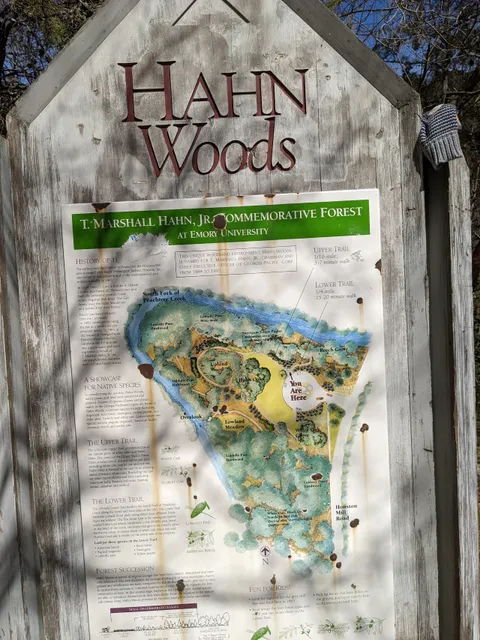
Hahn Woods
4.6
(97)
Open 24 hours
Click for details
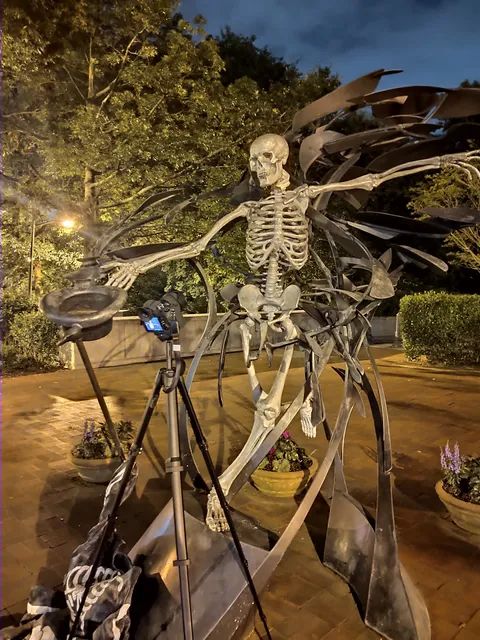
Dooley Statue
4.6
(4)
Open until 12:00 AM
Click for details

Campus Dining
4.0
(1)
Closed
Click for details
Nearby restaurants of David J. Sencer CDC Museum
The General Muir
Srithai: Thai Kitchen & Sushi Bar (Emory)
TGM Bread
The Point
The Depot by Kaldi's Coffee
Thaicoon & Sushi Bar
Dancing Goats Emory
Pig-N-Chik BBQ
Pizza Bella
Cox Hall

The General Muir
4.5
(1.1K)
$$
Open until 9:00 PM
Click for details
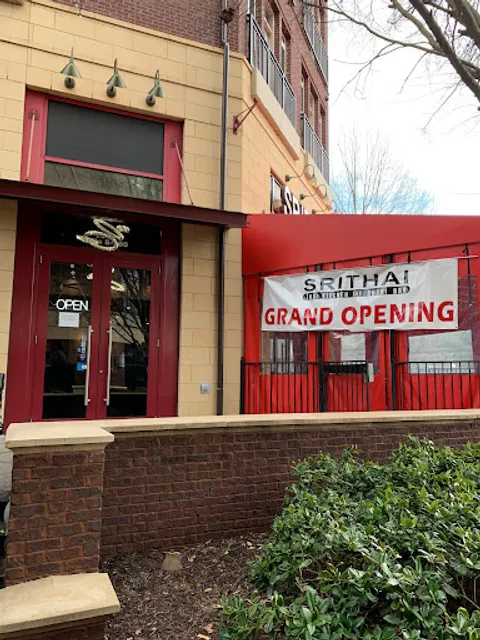
Srithai: Thai Kitchen & Sushi Bar (Emory)
4.3
(159)
$$
Open until 10:00 PM
Click for details
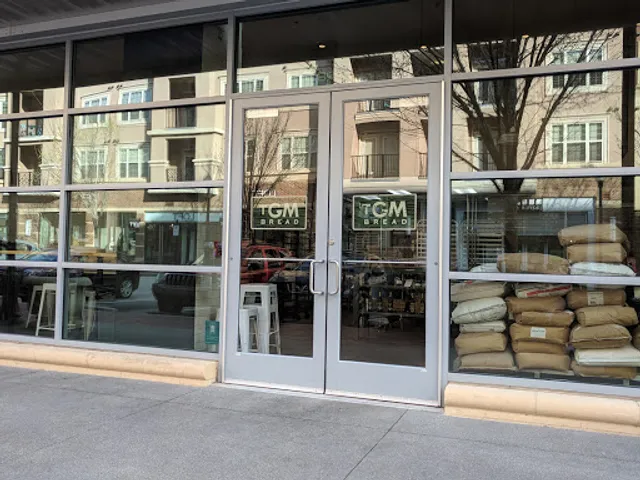
TGM Bread
4.0
(21)
$
Closed
Click for details

The Point
4.5
(29)
Open until 11:00 PM
Click for details
Nearby local services of David J. Sencer CDC Museum
uBreakiFix - Phone and Computer Repair
The Black Hair Experience
Skynculture
Centers for Disease Control and Prevention
Art Of Wax Brazilian Waxing & Sugaring
The Do (formerly Emily J salon)
LOFT
F45 Training Emory Point
Green Light Electric LLC
The Hatchery

uBreakiFix - Phone and Computer Repair
4.7
(505)
Click for details
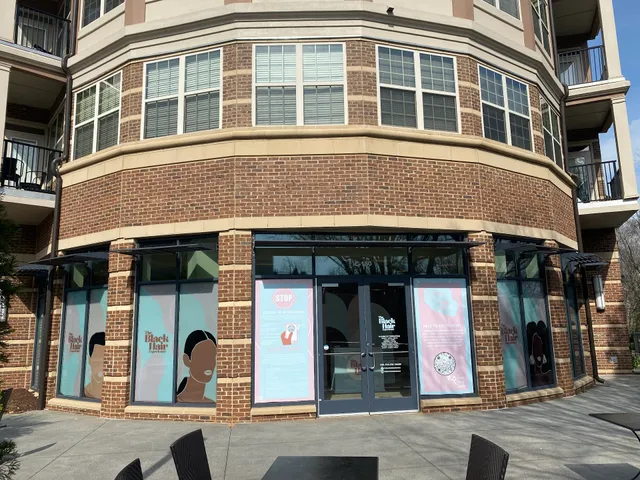
The Black Hair Experience
4.3
(66)
Click for details
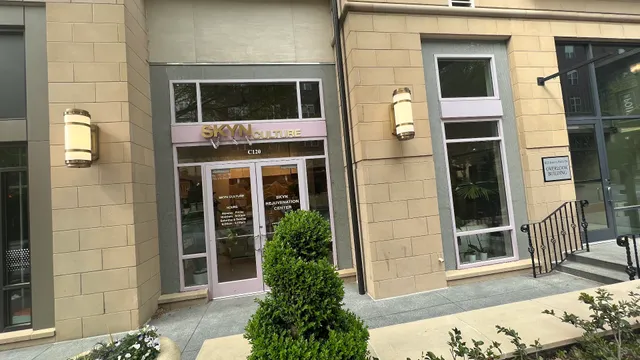
Skynculture
5.0
(48)
Click for details
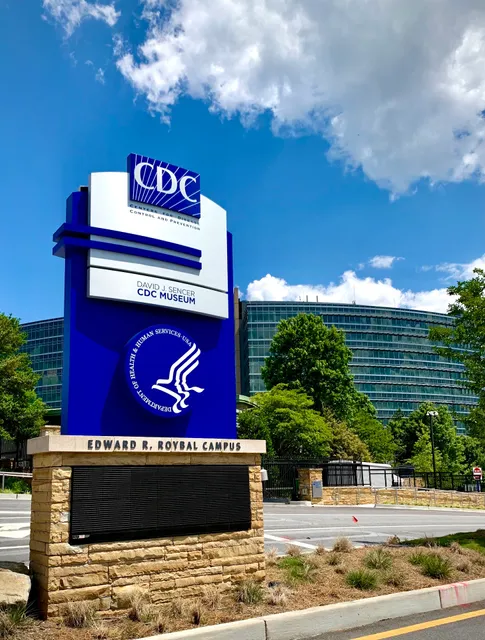
Centers for Disease Control and Prevention
3.8
(8)
Click for details