The Natural History Museum of Los Angeles (NHMLA) is a treasure trove of discovery and wonder, making it a must-visit destination for all ages. Not only does it house a remarkable collection of exhibits spanning natural history, but it also stands out as an autism-friendly venue, offering a thoughtful and inclusive environment for neurodiverse visitors.
Autism-Friendly Features
One of the most commendable aspects of the NHMLA is its commitment to creating an inclusive and accessible experience for all visitors, including those on the autism spectrum. The museum has implemented several thoughtful accommodations to ensure a comfortable visit for individuals with sensory sensitivities or other needs.
Upon request, the museum provides sensory kits at the entrance, which include noise-canceling headphones, fidget toys, and visual guides to help ease potential overstimulation. Quiet zones are designated throughout the museum, offering calming spaces for those who may need a break from the bustling exhibits. These quiet areas are easy to find, clearly marked on the museum map, and offer a peaceful retreat from the sensory input that museums can sometimes entail.
Additionally, the museum's layout and flow are well-organized, which is particularly beneficial for visitors who prefer structured, predictable environments. There’s a clear progression through each exhibit, allowing for a smooth, manageable experience. The wide pathways and spacious exhibit halls also make it easier to navigate, reducing the likelihood of feeling overwhelmed or crowded.
Engaging Exhibits
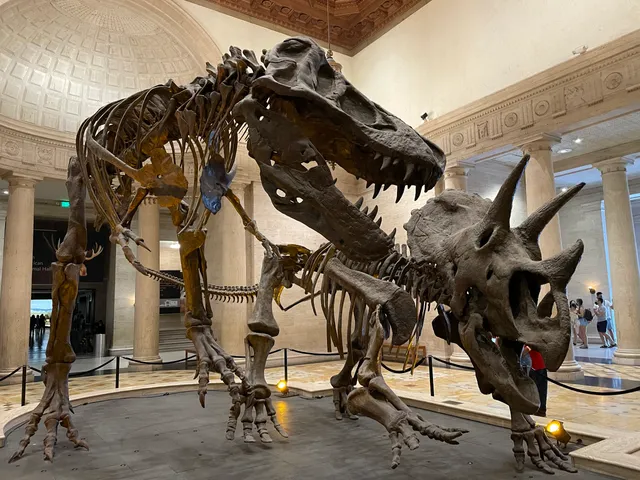
The NHMLA is home to an incredible variety of exhibits, each offering an engaging and immersive journey through time and nature. One of the museum’s most iconic displays is the Dinosaur Hall, which features towering skeletons of T. rex, Triceratops, and other prehistoric giants. The exhibit is visually stunning, with skeletal reconstructions that are scientifically accurate and presented in a way that makes learning about these ancient creatures both fun and informative. Interactive elements such as touchscreen displays and hands-on models are available, which offer additional sensory engagement for visitors who thrive on tactile experiences.
Another standout is the Nature Lab, a family-friendly interactive space that introduces visitors to local Southern California wildlife. This area is particularly autism-friendly as it allows for close, hands-on exploration of different natural environments, making it easy to engage with on a sensory level without feeling overwhelmed. The combination of live animal exhibits, real-time cameras, and naturalistic displays offers a balance of interactivity and calm observation.
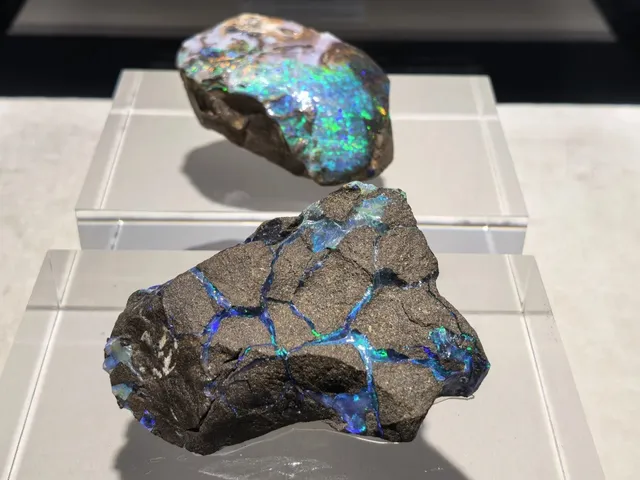
For those interested in geology, the Gem and Mineral Hall offers a fascinating array of beautiful stones, gems, and minerals, with carefully designed lighting and labeling to create a visually stimulating but not overly intense experience. The hall is quiet and serene, providing an ideal environment for visitors who prefer less sensory stimulation. Discovery Centre
The Discovery Center is an interactive space tailored for children but highly enjoyable for visitors of all ages. It features hands-on activities that cater to various learning preferences, from exploring fossils to experimenting with natural science concepts.
Conclusion
The Natural History Museum of Los Angeles excels not only in its world-class exhibits but also in its dedication to being a welcoming and inclusive space for neurodiverse individuals, including those on the autism spectrum. With its thoughtful accommodations, engaging sensory-friendly exhibits, and supportive staff, the NHMLA offers an enriching and accessible experience for all. Whether you're fascinated by the prehistoric past, the natural world, or simply seeking an autism-friendly cultural experience, the NHMLA is a top-tier destination in...
Read moreI recently visited the Natural History Museum of Los Angeles on a weekday, and I must say, it was an incredible experience from start to finish. From the moment I walked in, I was captivated by the grandeur and the sheer amount of fascinating exhibits on display. With no wait to enter, I was able to dive straight into the wonders of this world-renowned museum.
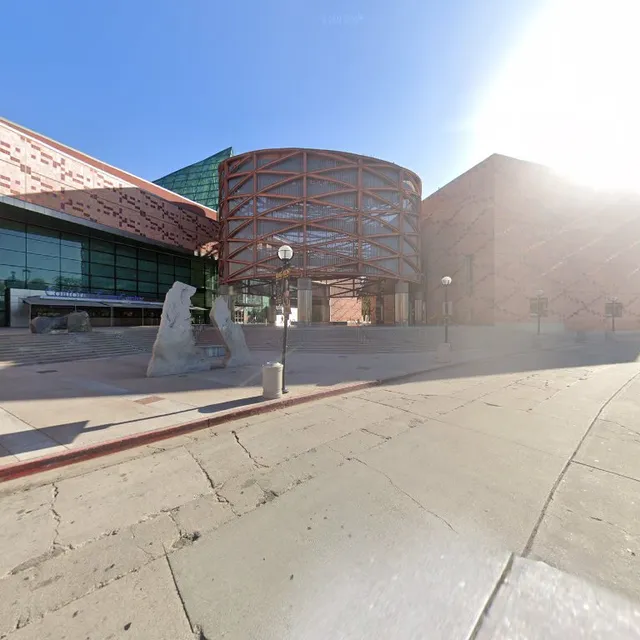
The museum itself is a masterpiece, seamlessly blending the old with the new. The architecture is both classic and modern, creating a perfect environment for exploration. The exhibitions are thoughtfully curated, offering a deep dive into various aspects of natural history, from the age of the dinosaurs to the diversity of life we see today. The layout is intuitive, making it easy to navigate through the different sections without feeling overwhelmed.
One of the highlights for me was the Dinosaur Hall. The life-sized skeletons of these prehistoric giants are nothing short of awe-inspiring. The displays are informative, providing detailed explanations of each species and their place in the history of our planet. It’s a surreal experience to stand next to a T. rex skeleton, realizing just how massive and powerful these creatures were. The interactive exhibits are particularly engaging, making the science behind paleontology accessible and exciting for visitors of all ages.
Another standout was the Gem and Mineral Hall. The collection is breathtaking, with specimens that sparkle and shine in every imaginable color. The hall offers a glimpse into the geological processes that create these natural wonders, and the diversity of minerals on display is truly astonishing. I found myself spending a significant amount of time here, marveling at the beauty and complexity of these formations.
The Nature Lab is another must-see, especially for families with children. It’s a hands-on experience that encourages curiosity and exploration. The lab is packed with live animals, interactive displays, and experiments that allow visitors to get up close and personal with the natural world. It’s a fantastic way to inspire the next generation of scientists and nature enthusiasts.
The staff at the museum deserve special mention as well. Everyone I encountered was friendly, knowledgeable, and eager to share their passion for natural history. Whether it was answering questions or providing directions, the staff went above and beyond to ensure that my visit was enjoyable and informative.
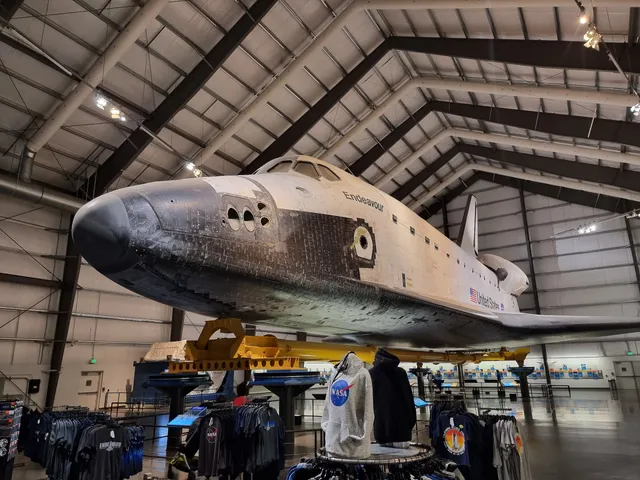
In terms of practicalities, the museum is well-equipped to handle large crowds without feeling congested. Despite visiting on a weekday, there was a steady flow of visitors, yet it never felt overcrowded. The facilities are clean, well-maintained, and easily accessible, with ample seating areas for those who need a break during their visit. The gift shop is also worth a visit, offering a wide range of unique souvenirs and educational materials.
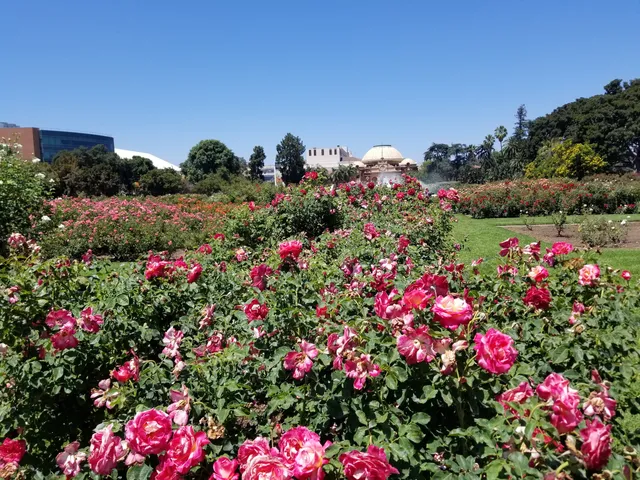
Parking was straightforward, and the museum’s location in Exposition Park is ideal for anyone looking to explore other attractions in the area. I did not need to purchase tickets in advance, as there was no wait to enter, but I can see the benefit of doing so on busier days, especially weekends or public holidays.
Overall, the Natural History Museum of Los Angeles is a gem in the city. It’s a place where history comes alive, offering a profound appreciation for the natural world and our place within it. Whether you’re a local or a tourist, I highly recommend setting aside a few hours to explore this remarkable institution. It’s a journey through time that you won’t...
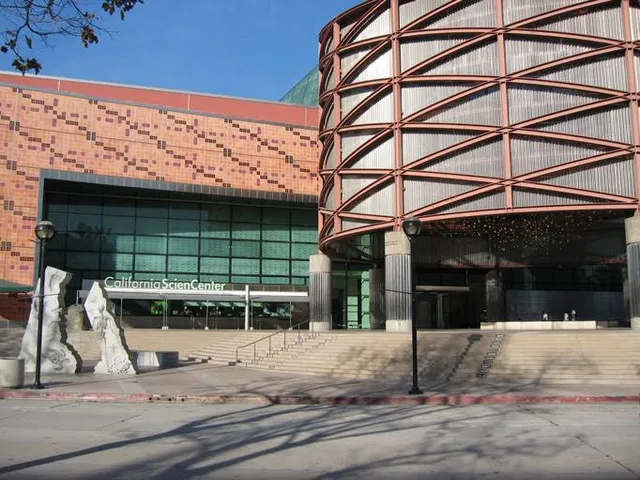
Read moreThe style sets the tempo, thus upon entry, the grandness of the entrance and then the foyer area’s are extraordinary, with the marble walls, floors, columns, elaborate moulding and elegant ceiling tiles. Altogether, I’m reminded of an old historic palace! The sounds of other visitors walking and talking, reverberated thru the cavernous rooms! The life size Dinosaur Hall skeletal exhibit was truly amazing! It was interesting learning facts by observation and signage. Some long time questions may be answered. Like how are the t-rex and brontosaurus different? One moved upright on two legs, the other on four! And as for aquatics, if it didn’t stand to reason, the plesiosaurus couldn’t paddle-board! Special thanks to the staff who so tirelessly discovered, prepared and presented the remains of these ancient and extinct animals! The much smaller skeletal assembly of more recent animals shows the similarities with humans. There’s even a display showing the scientific chronology of human development. The Hall of African Mammals was a favorite! The lifelike representations in the 3d diorama’s surely had a camera capture audience! Another room has some more lifelike animal mock-ups to compare up close. The Insect exhibit teaches us to appreciate the good they do for our ecosystem! The local California and Los Angeles History section has a good look back on the past. As much as I’ve been a local guide, I still enjoy learning new facts about our land and our people! As an added bonus the Gem and Mineral Hall has colorful rooms with lots of rocks and minerals, each illuminated for our own inspection thru the spectrum. Not to loose sight of the fact that these are meticulously prepared by the lab, just around the corner! It’s just a bit difficult remembering the correct names, as I thought Agatha Christie was an agate crystal, and that’s not going by the book! Hands-on experience is fun for all ages, as another display room has working examples to try ourselves. We can dig to uncover and combine replica artifact pieces, like the real one’s seen in the museum! The Dino Store or Museum Store and restrooms are conveniently located in the building. It may be natural to stop at the Natural History Museum, after a visit to the California Science Center, tho may have to be planned into busy workdays as possible. I’d allow plenty of time to see both. The museum admission charge is a small price to pay for all there is to see inside. Optional outside shows can be very entertaining, tho at an additional cost. Parking at Exposition Park is about $12. There’s also cheaper options outside the park, including street parking, tho be aware of parking enforcement with nearby spaces and vandalism with remote one’s. Spaces in the immediate area not only serve the museums, but also the USC Campus, Coliseum and Banc of...
Read more