Hess Triangle things to do, attractions, restaurants, events info and trip planning
Basic Info
Hess Triangle
110 7th Ave S, New York, NY 10014
4.7(74)
Open until 12:00 AM
Save
spot
spot
Ratings & Description
Info
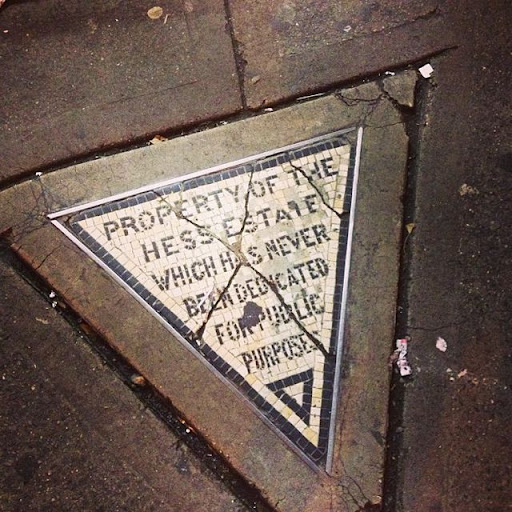
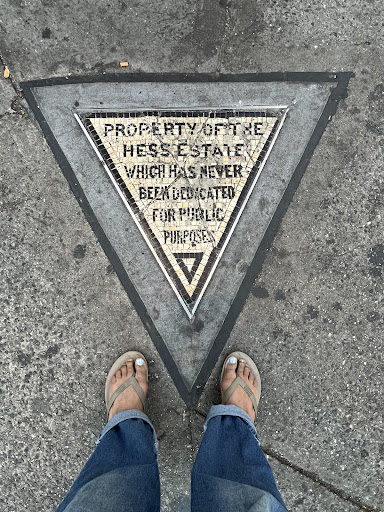
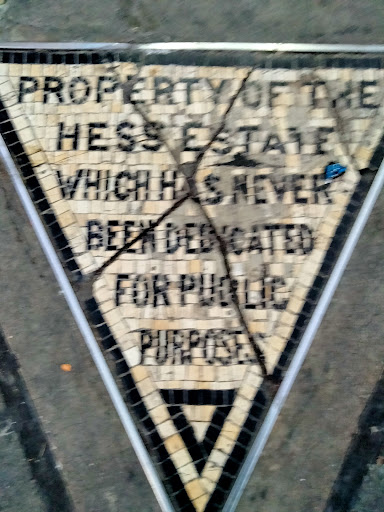
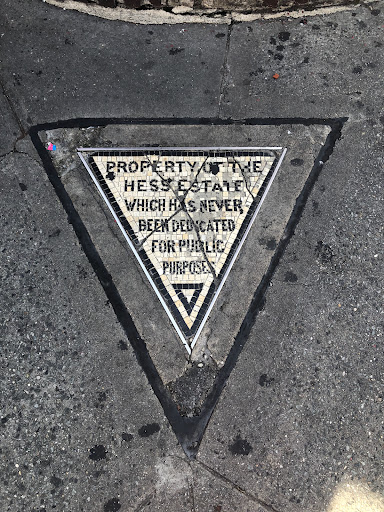
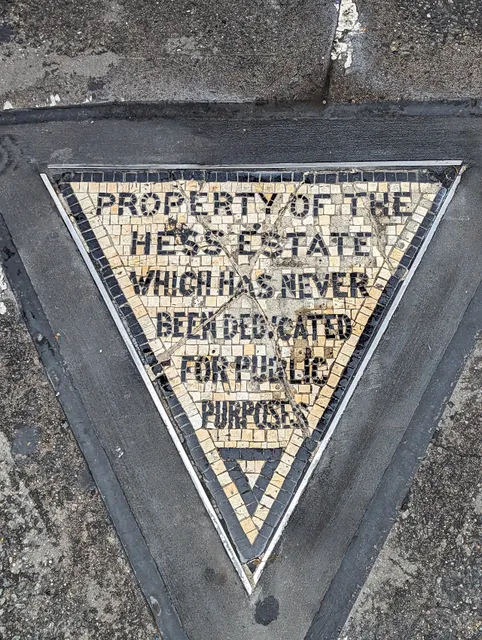
The Hess triangle is a triangular tile mosaic set in a sidewalk in New York City's West Village neighborhood at the corner of Seventh Avenue and Christopher Street. The plaque reads "Property of the Hess Estate which has never been dedicated for public purposes."
Cultural
Off the beaten path
attractions: Stonewall National Monument, Christopher Park, Gay Liberation Monument, Greenwich House Theater, Stonewall National Monument Visitor Center, Lucille Lortel Theatre, Sheridan Square Viewing Garden, Washington Square Park, Axis Theatre Company, Cherry Lane Theatre, restaurants: Boucherie West Village, Via Carota, Smalls Jazz Club, Marie's Crisis Café, The Duplex, Cellar Dog, Arthur's Tavern, Jekyll and Hyde Club, The Stonewall Inn, 787 Coffee, local businesses: QQ Nails & Spa, Heart of Chelsea - West Village, La Virtu Wax Studio, Stonewall National Monument, Bleecker Trading, YARA, TMPL - West Village, West Village Eyecare Associates, Olfactory NYC, Studio Zen New York - Best hair salon in West Village, NYC.
 Learn more insights from Wanderboat AI.
Open hoursSee all hours
FriOpen 24 hoursOpen
Plan your stay

Pet-friendly Hotels in New York
Find a cozy hotel nearby and make it a full experience.

Affordable Hotels in New York
Find a cozy hotel nearby and make it a full experience.

The Coolest Hotels You Haven't Heard Of (Yet)
Find a cozy hotel nearby and make it a full experience.

Trending Stays Worth the Hype in New York
Find a cozy hotel nearby and make it a full experience.
Reviews
Live events
ARTE MUSEUM: An Immersive Media Art Exhibition
Fri, Feb 27 • 10:00 AM
61 Chelsea Piers, New York, 10011
View details
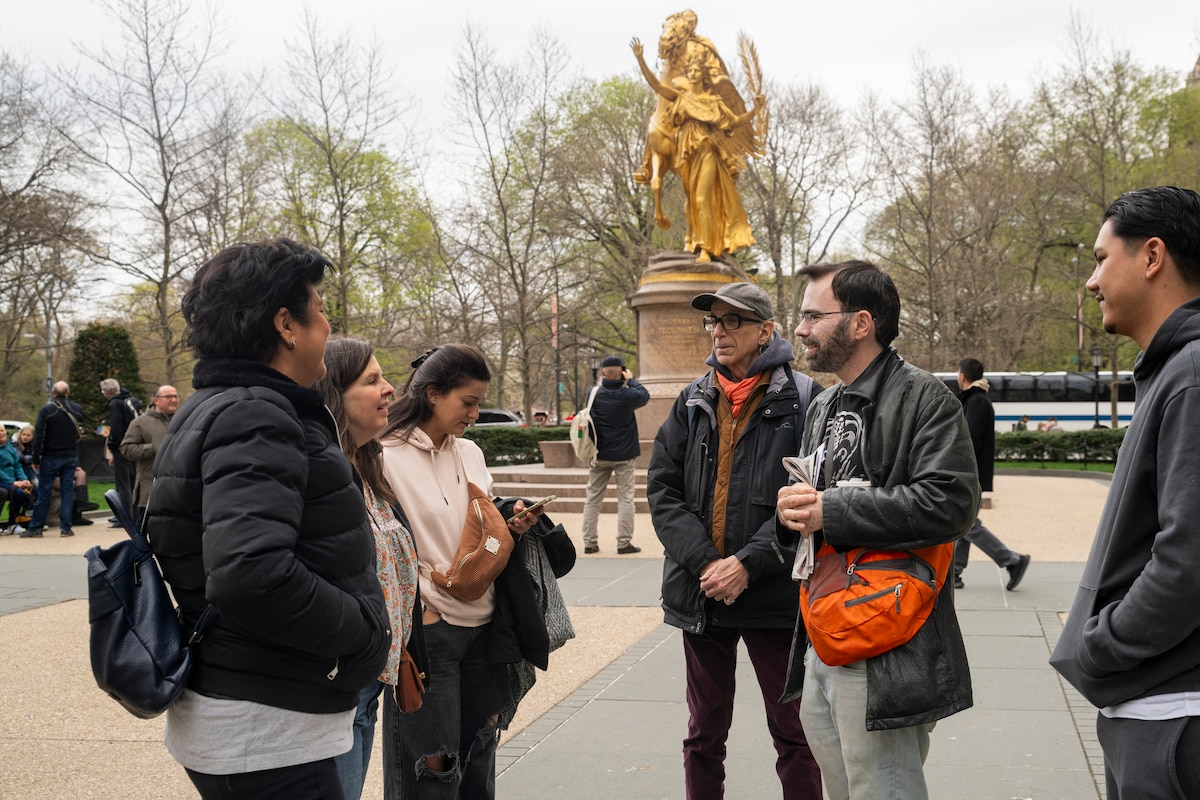
The Full-Day See It All NYC Tour
Fri, Feb 27 • 9:00 AM
New York, New York, 10019
View details
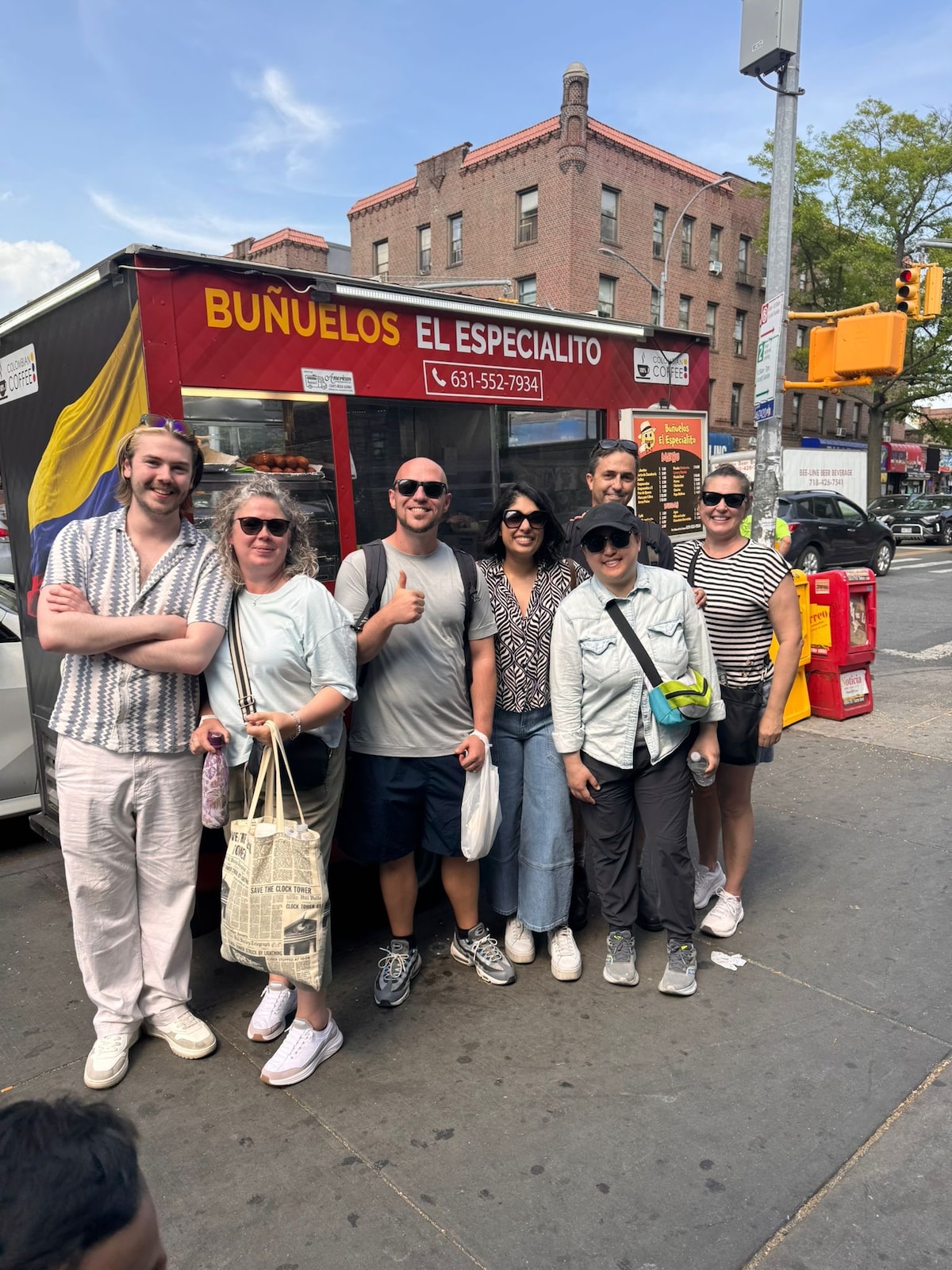
Taste New York street food with a native guide
Fri, Feb 27 • 1:00 PM
Queens, New York, 11372
View details
Nearby attractions of Hess Triangle
Stonewall National Monument
Christopher Park
Gay Liberation Monument
Greenwich House Theater
Stonewall National Monument Visitor Center
Lucille Lortel Theatre
Sheridan Square Viewing Garden
Washington Square Park
Axis Theatre Company
Cherry Lane Theatre
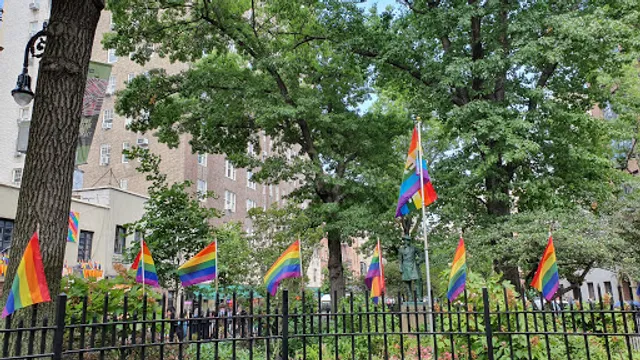
Stonewall National Monument
4.5
(360)
Closed
Click for details
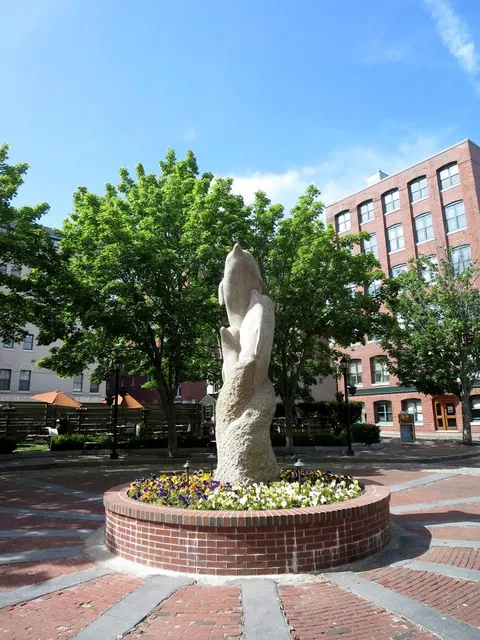
Christopher Park
4.6
(267)
Closed
Click for details
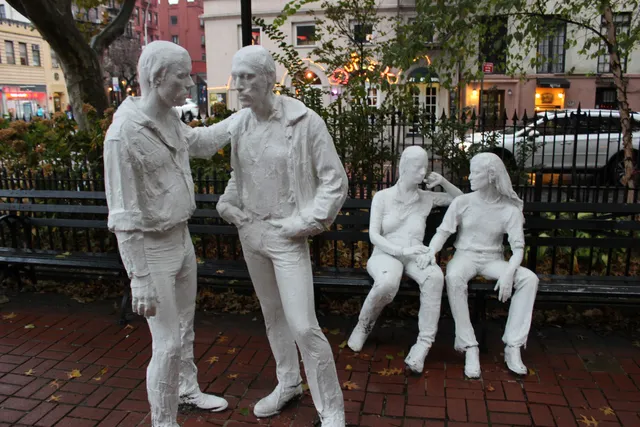
Gay Liberation Monument
4.4
(58)
Open 24 hours
Click for details
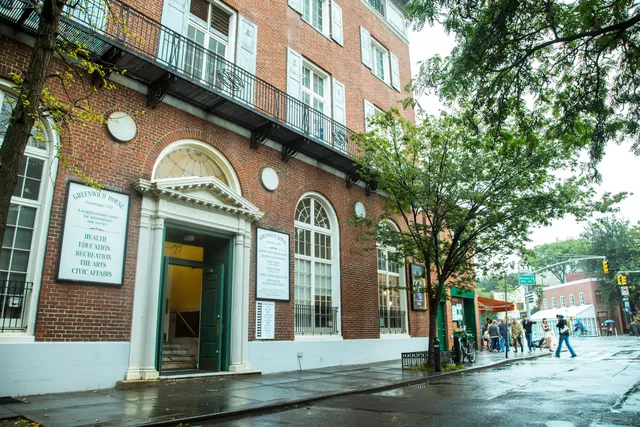
Greenwich House Theater
4.7
(102)
Open 24 hours
Click for details
Nearby restaurants of Hess Triangle
Boucherie West Village
Via Carota
Smalls Jazz Club
Marie's Crisis Café
The Duplex
Cellar Dog
Arthur's Tavern
Jekyll and Hyde Club
The Stonewall Inn
787 Coffee
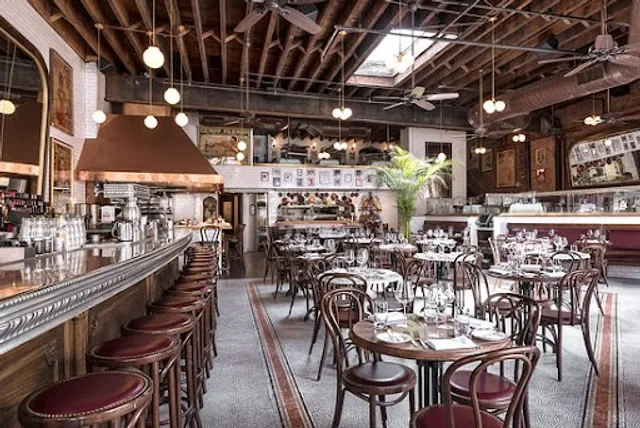
Boucherie West Village
4.8
(3.6K)
$$$
Closed
Click for details
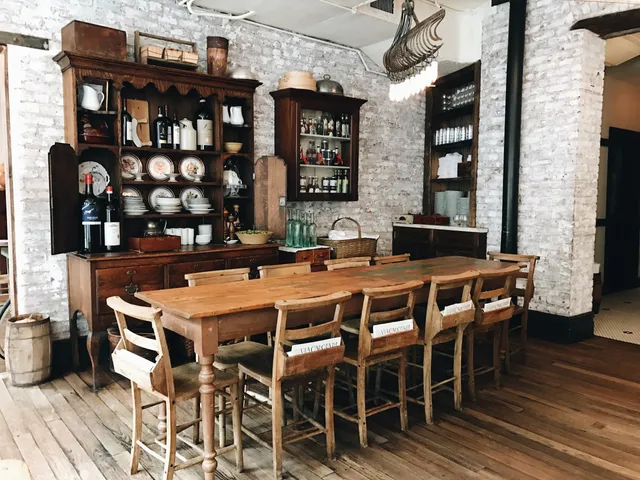
Via Carota
4.4
(1.4K)
$$$
Closed
Click for details
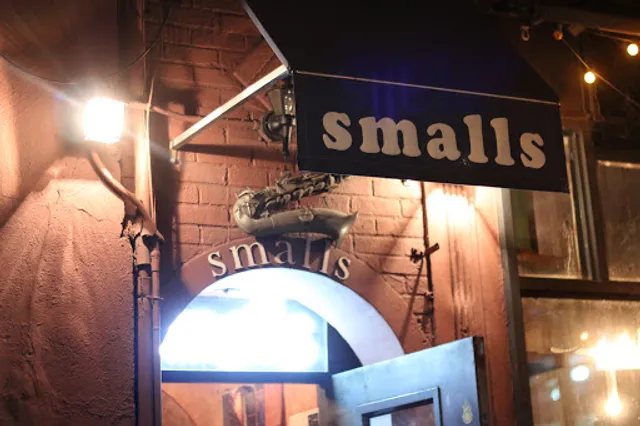
Smalls Jazz Club
4.6
(1.6K)
$$
Closed
Click for details
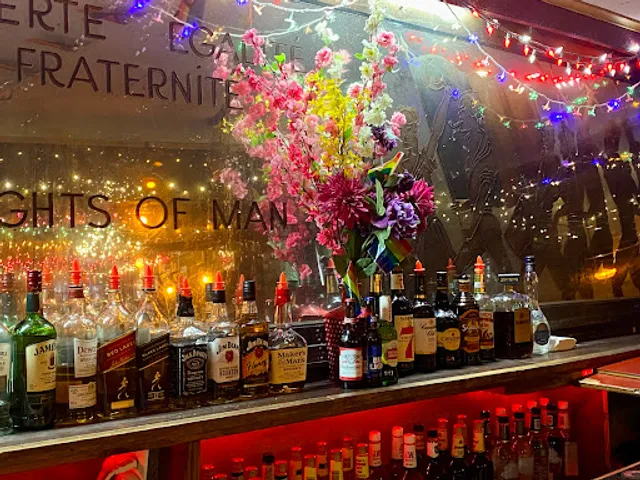
Marie's Crisis Café
4.5
(642)
$
Closed
Click for details
Nearby local services of Hess Triangle
QQ Nails & Spa
Heart of Chelsea - West Village
La Virtu Wax Studio
Stonewall National Monument
Bleecker Trading
YARA
TMPL - West Village
West Village Eyecare Associates
Olfactory NYC
Studio Zen New York - Best hair salon in West Village, NYC.
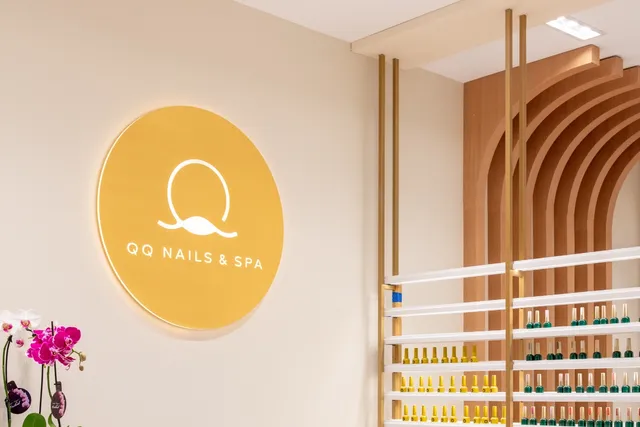
QQ Nails & Spa
4.7
(455)
Click for details

Heart of Chelsea - West Village
5.0
(20)
Click for details
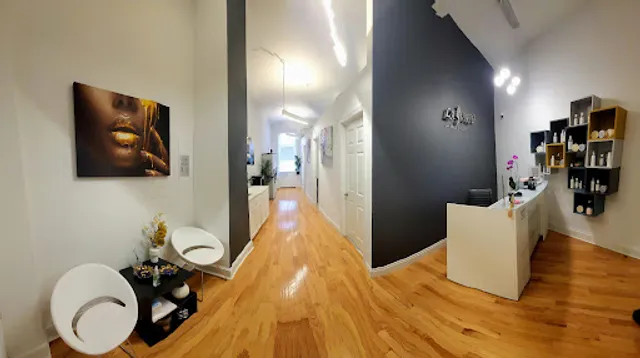
La Virtu Wax Studio
5.0
(178)
Click for details
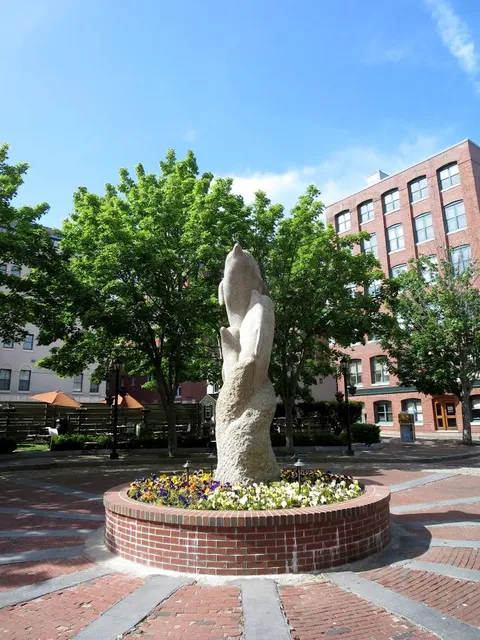
Stonewall National Monument
4.6
(267)
Click for details