Mission San Luis Rey things to do, attractions, restaurants, events info and trip planning
Basic Info
Mission San Luis Rey
4050 Mission Ave, Oceanside, CA 92057, United States
4.7(233)
Closed
tickets
Save
spot
spot
Ratings & Description
Info
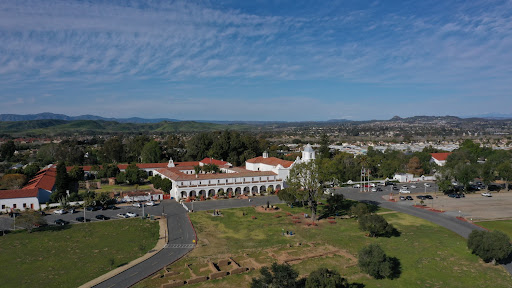
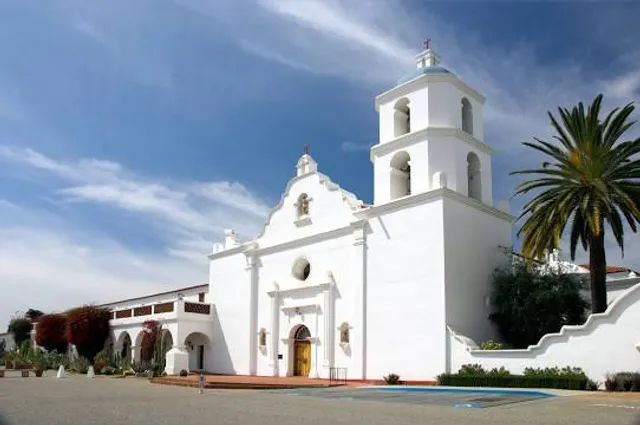
Mission San Luis Rey de Francia is a former Spanish mission in San Luis Rey, a neighborhood of Oceanside, California. This Mission lent its name to the Luiseño tribe of Mission Indians.
Cultural
Scenic
Family friendly
Accessibility
attractions: Mission San Luis Rey Cemetery, Heritage Park & Museum, New Song Community Church - Oceanside Campus, Muramid Art Studio of Joanne Tawfilis, Bella Gala Events, Inc, restaurants: San Luis Rey Bakery & Restaurant, La Hacienda, Torta Time, Pho Ha Grill & Bar, ROBATA-X SUSHI & IZAKAYA, Jack in the Box, Four Tunas Fish & Bar Oceanside, Panda Express, Taco Bell, Tb40796, local businesses: Historic Old Mission San Luis Rey Church, North County Model Railroad Society, Mission Douglas Plaza, AB Furniture, Scripps Coastal Medical Center Oceanside - Mission Avenue, Scripps Coastal Medical Center Oceanside Lab
 Learn more insights from Wanderboat AI.
Phone
+1 760-757-3651
Website
sanluisrey.org
Open hoursSee all hours
Mon10 am - 4 pmClosed
Plan your stay

Pet-friendly Hotels in Oceanside
Find a cozy hotel nearby and make it a full experience.

Affordable Hotels in Oceanside
Find a cozy hotel nearby and make it a full experience.

The Coolest Hotels You Haven't Heard Of (Yet)
Find a cozy hotel nearby and make it a full experience.

Trending Stays Worth the Hype in Oceanside
Find a cozy hotel nearby and make it a full experience.
Reviews
Live events

MS Seminar Series - Seminar 1
Tue, Feb 10 • 4:30 PM
2732 Loker Avenue West Carlsbad, CA 92010
View details

Erik Thor SoCal Record Release Show with Special Guest Artist
Sun, Feb 15 • 3:00 PM
2796 Loker Avenue West, Carlsbad, CA 92010
View details

Nature Unplugged Community Hike—February
Sat, Feb 14 • 8:30 AM
802 Santa Carina Trail Solana Beach, CA 92075
View details
Nearby attractions of Mission San Luis Rey
Mission San Luis Rey Cemetery
Heritage Park & Museum
New Song Community Church - Oceanside Campus
Muramid Art Studio of Joanne Tawfilis
Bella Gala Events, Inc

Mission San Luis Rey Cemetery
4.4
(16)
Closed
Click for details
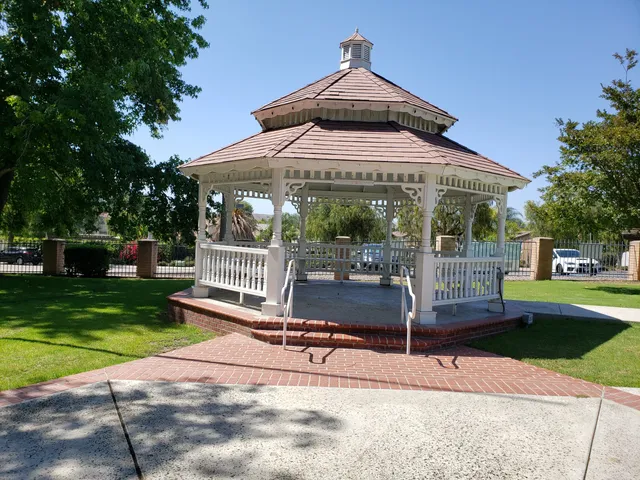
Heritage Park & Museum
4.5
(131)
Open until 12:00 AM
Click for details

New Song Community Church - Oceanside Campus
4.7
(68)
Open until 12:00 AM
Click for details
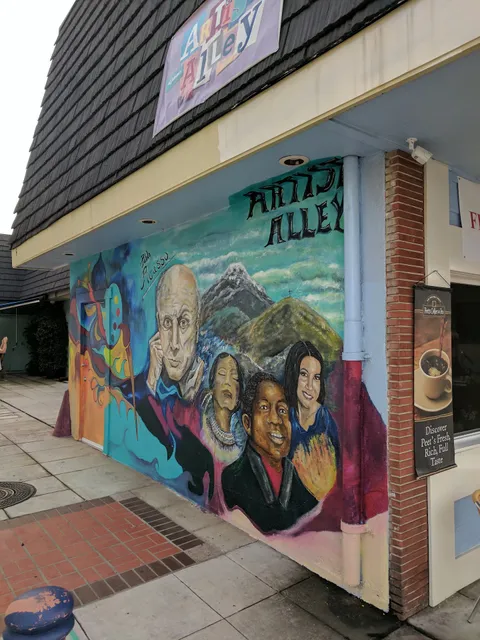
Muramid Art Studio of Joanne Tawfilis
4.9
(14)
Open 24 hours
Click for details
Nearby restaurants of Mission San Luis Rey
San Luis Rey Bakery & Restaurant
La Hacienda
Torta Time
Pho Ha Grill & Bar
ROBATA-X SUSHI & IZAKAYA
Jack in the Box
Four Tunas Fish & Bar Oceanside
Panda Express
Taco Bell
Tb40796
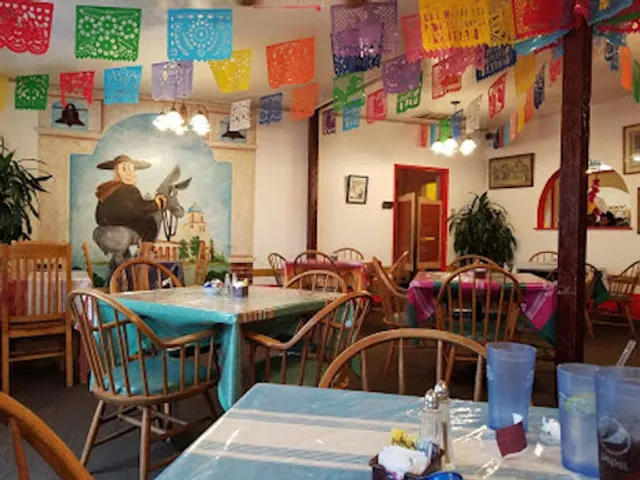
San Luis Rey Bakery & Restaurant
4.4
(418)
$
Closed
Click for details
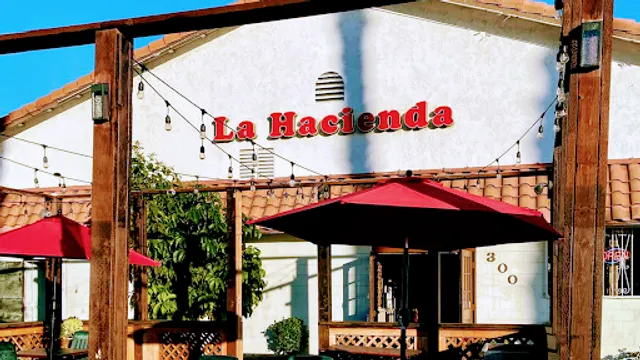
La Hacienda
4.1
(188)
$
Open until 10:00 PM
Click for details
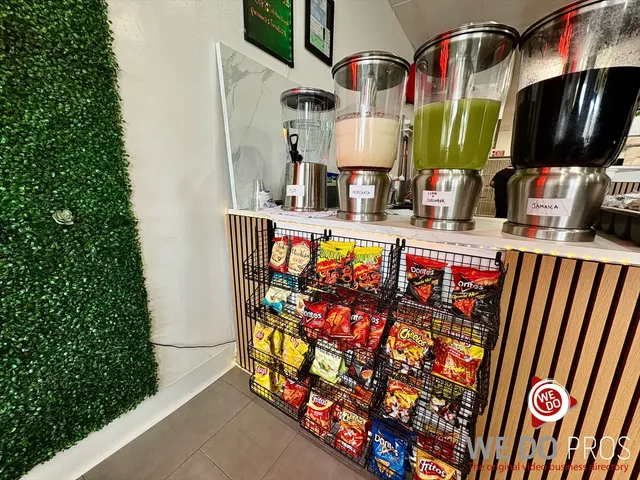
Torta Time
4.6
(32)
$
Open until 6:30 PM
Click for details

Pho Ha Grill & Bar
4.4
(249)
$
Open until 9:00 PM
Click for details
Nearby local services of Mission San Luis Rey
Historic Old Mission San Luis Rey Church
North County Model Railroad Society
Mission Douglas Plaza
AB Furniture
Scripps Coastal Medical Center Oceanside - Mission Avenue
Scripps Coastal Medical Center Oceanside Lab
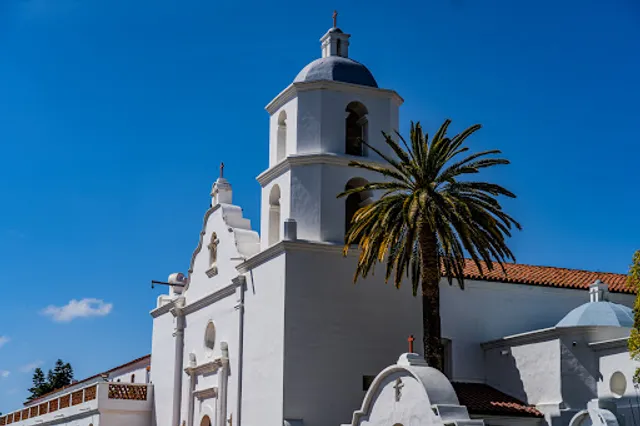
Historic Old Mission San Luis Rey Church
4.9
(75)
Click for details
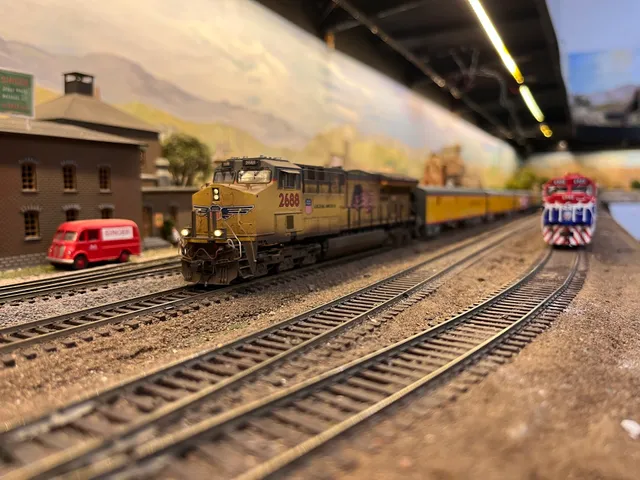
North County Model Railroad Society
4.9
(20)
Click for details
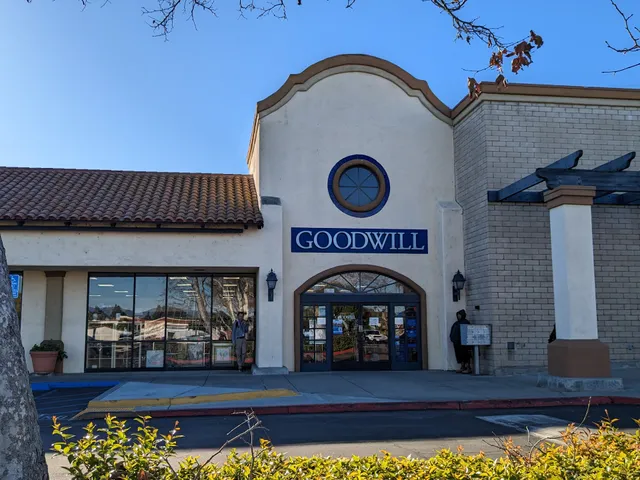
Mission Douglas Plaza
4.2
(396)
Click for details
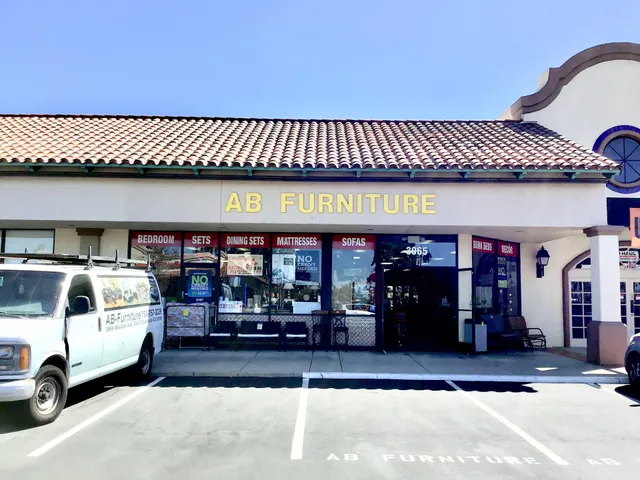
AB Furniture
3.6
(16)
Click for details