Clothespin Sculpture things to do, attractions, restaurants, events info and trip planning
Basic Info
Clothespin Sculpture
Market St & S 15th St, Philadelphia, PA 19102
4.4(75)
Open until 12:00 AM
Save
spot
spot
Ratings & Description
Info
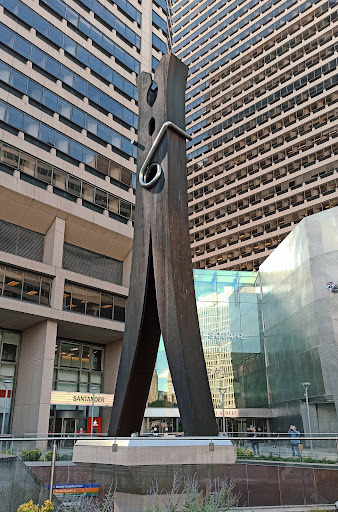
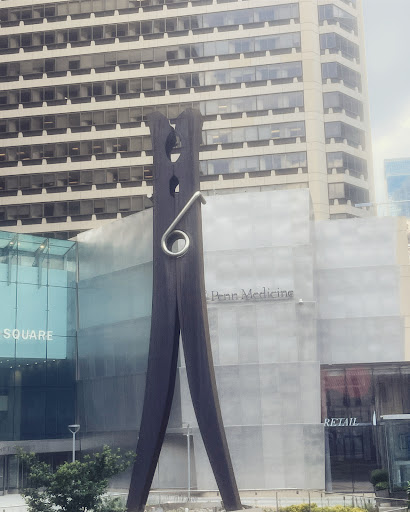
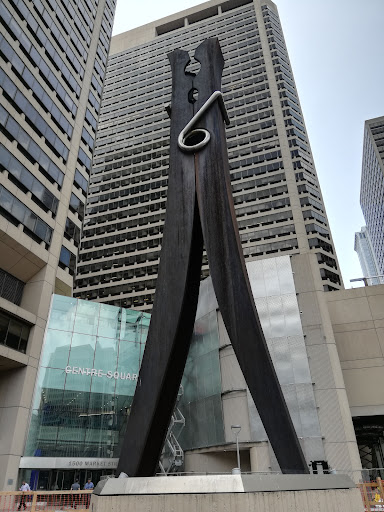
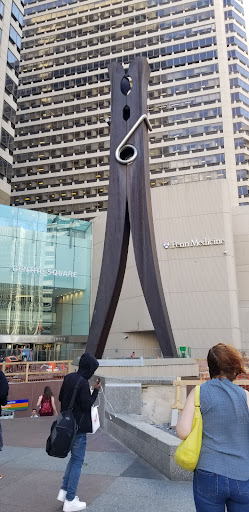
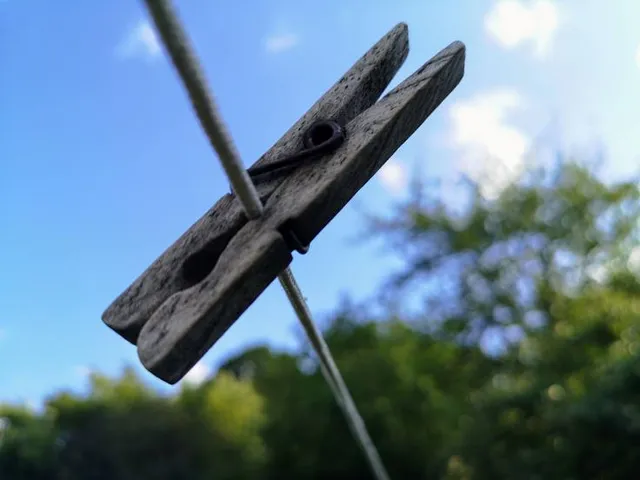
Clothespin is a weathering steel sculpture by Claes Oldenburg, located at Centre Square, 1500 Market Street, Philadelphia. It is designed to appear as a monumental black clothespin.
Cultural
Scenic
Accessibility
attractions: Dilworth Park, JFK Plaza (Love Park), City Hall Visitor Center, Time Mission - Philadelphia, PA, LOVE sign, Masonic Temple, Pennsylvania Convention Center, Philadelphia Convention & Visitors Bureau, Escape the Room Philadelphia, The Wanamaker Building, restaurants: Del Frisco's Double Eagle Steakhouse, Giovani's Bar and Grill, La Colombe Coffee Workshop, Harp & Crown, Uptown Beer Garden, Aqimero, Oyster House, Giuseppe & Sons, Concourse, McCormick & Schmick's Seafood & Steaks, local businesses: The Neat Company, Five Below, 1500 Market St, Two Penn Center Building, Philadelphia City Hall, Christmas Village in Philadelphia, Temple University Center City Campus, The Shops at Liberty Place, City Hall, Rothman Orthopaedics Rink
 Learn more insights from Wanderboat AI.
Phone
(215) 546-7550
Website
associationforpublicart.org
Open hoursSee all hours
ThuOpen 24 hoursOpen
Plan your stay

Pet-friendly Hotels in Philadelphia
Find a cozy hotel nearby and make it a full experience.

Affordable Hotels in Philadelphia
Find a cozy hotel nearby and make it a full experience.

The Coolest Hotels You Haven't Heard Of (Yet)
Find a cozy hotel nearby and make it a full experience.

Trending Stays Worth the Hype in Philadelphia
Find a cozy hotel nearby and make it a full experience.
Reviews
Live events
Explore Philly’s kept secrets
Fri, Feb 13 • 4:00 PM
Philadelphia, Pennsylvania, 19103
View details

Game Night
Thu, Feb 12 • 5:00 PM
2004 Renaissance Boulevard King of Prussia, PA 19406
View details

Speed Dating 30s and 40s!
Thu, Feb 12 • 7:00 PM
260 Mall Boulevard King of Prussia, PA 19406
View details
Nearby attractions of Clothespin Sculpture
Dilworth Park
JFK Plaza (Love Park)
City Hall Visitor Center
Time Mission - Philadelphia, PA
LOVE sign
Masonic Temple
Pennsylvania Convention Center
Philadelphia Convention & Visitors Bureau
Escape the Room Philadelphia
The Wanamaker Building
Dilworth Park
4.6
(4.3K)
Open until 1:00 AM
Click for details
JFK Plaza (Love Park)
4.5
(6.1K)
Open until 10:00 PM
Click for details
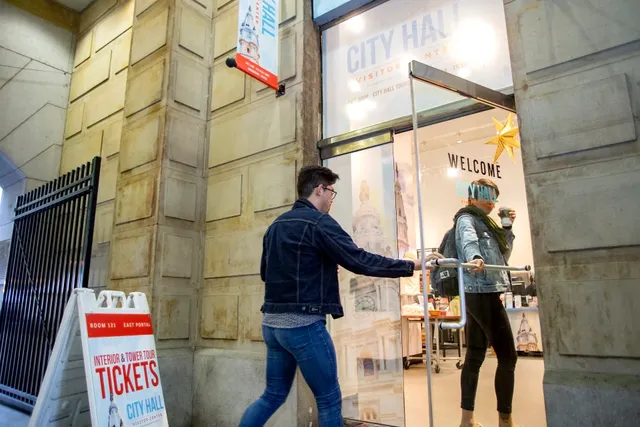
City Hall Visitor Center
4.8
(675)
Open until 4:00 PM
Click for details
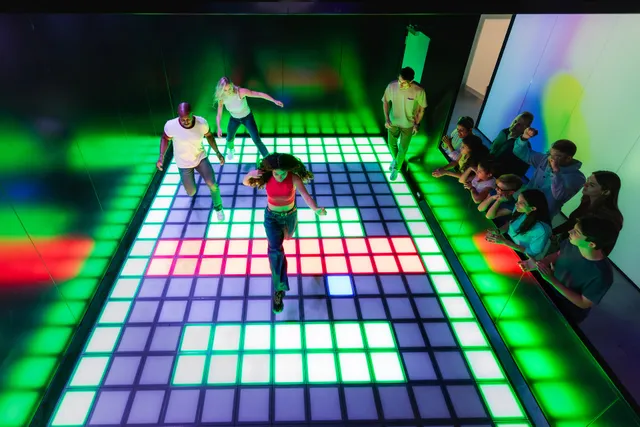
Time Mission - Philadelphia, PA
4.9
(600)
Open until 10:00 PM
Click for details
Nearby restaurants of Clothespin Sculpture
Del Frisco's Double Eagle Steakhouse
Giovani's Bar and Grill
La Colombe Coffee Workshop
Harp & Crown
Uptown Beer Garden
Aqimero
Oyster House
Giuseppe & Sons
Concourse
McCormick & Schmick's Seafood & Steaks
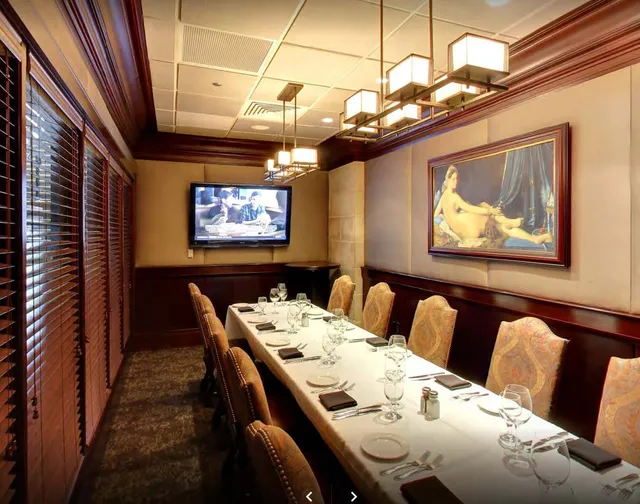
Del Frisco's Double Eagle Steakhouse
4.5
(1.8K)
$$$$
Closed
Click for details
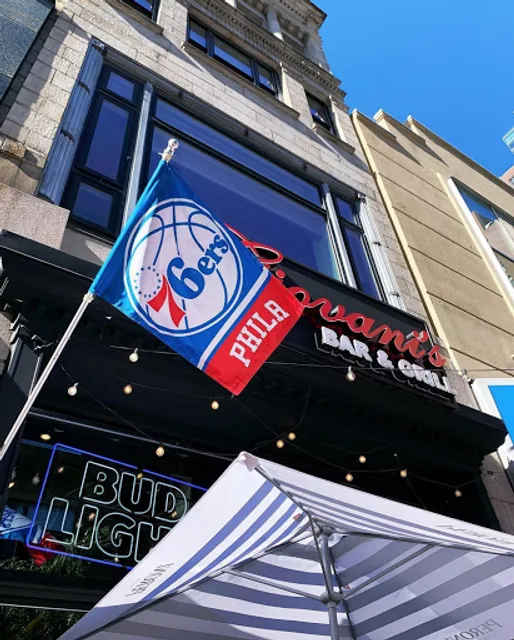
Giovani's Bar and Grill
4.4
(595)
$$
Open until 2:00 AM
Click for details
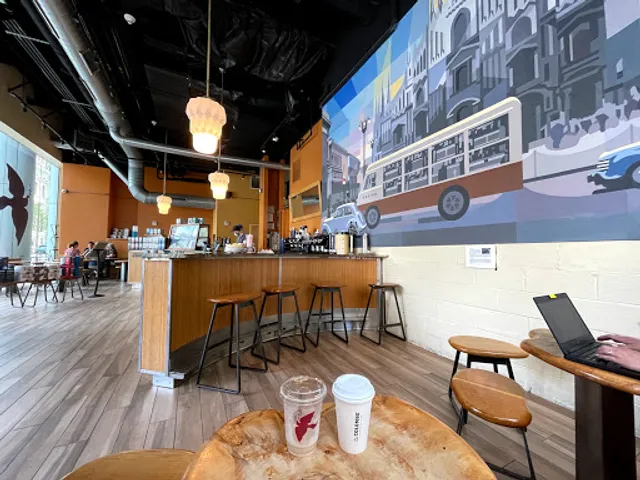
La Colombe Coffee Workshop
4.5
(695)
$
Open until 6:00 PM
Click for details
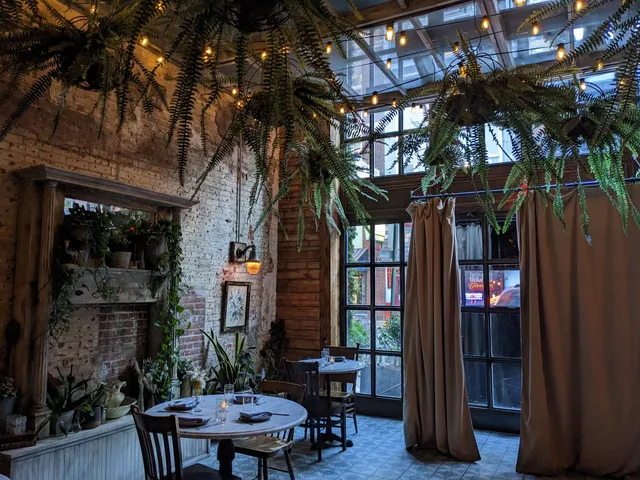
Harp & Crown
4.5
(1.2K)
$$
Closed
Click for details
Nearby local services of Clothespin Sculpture
The Neat Company
Five Below
1500 Market St
Two Penn Center Building
Philadelphia City Hall
Christmas Village in Philadelphia
Temple University Center City Campus
The Shops at Liberty Place
City Hall
Rothman Orthopaedics Rink

The Neat Company
4.6
(691)
Click for details
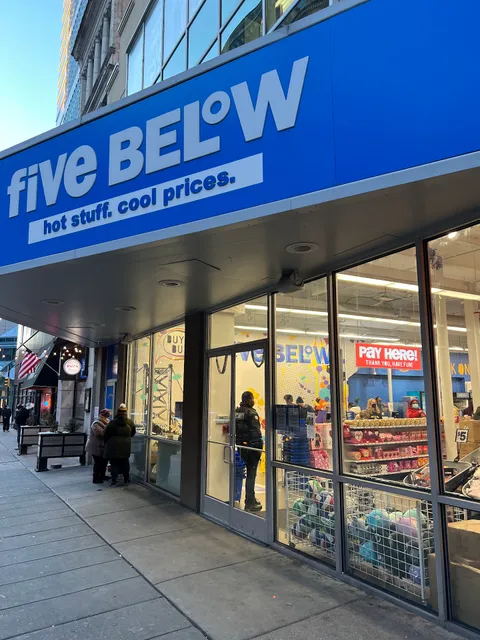
Five Below
4.4
(1.3K)
Click for details
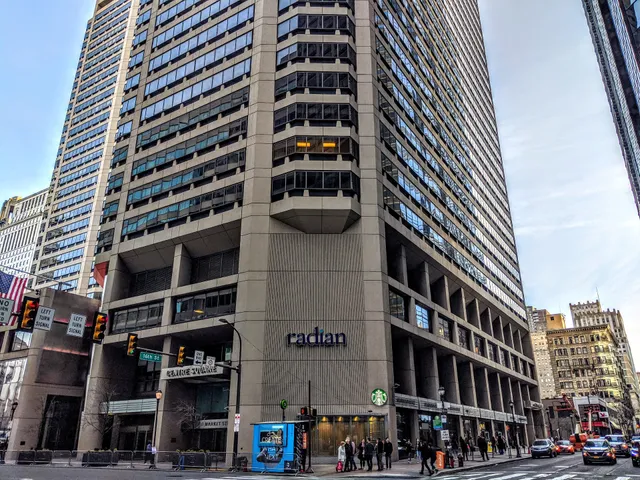
1500 Market St
4.7
(406)
Click for details
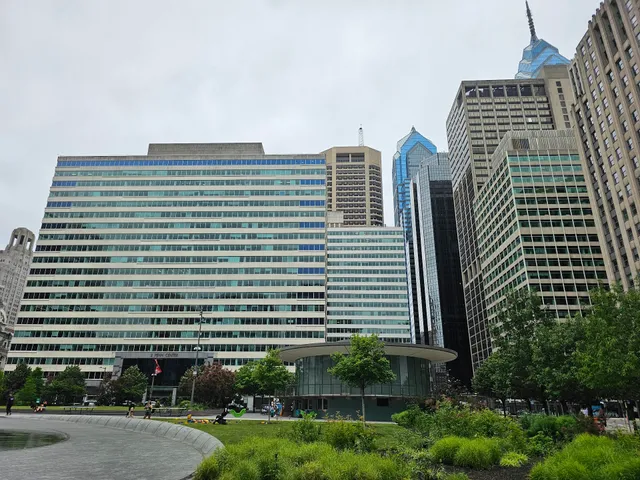
Two Penn Center Building
4.3
(394)
Click for details