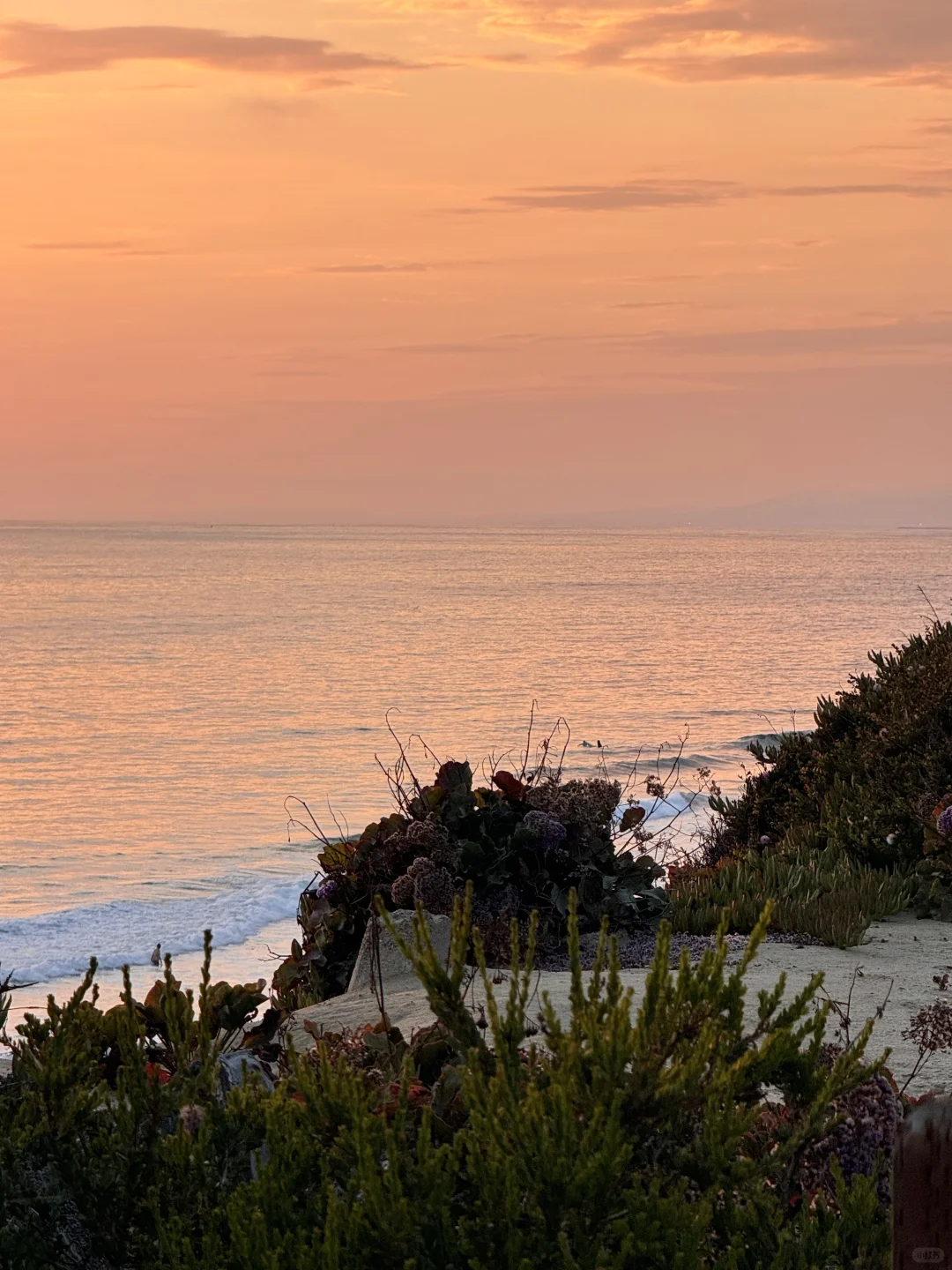
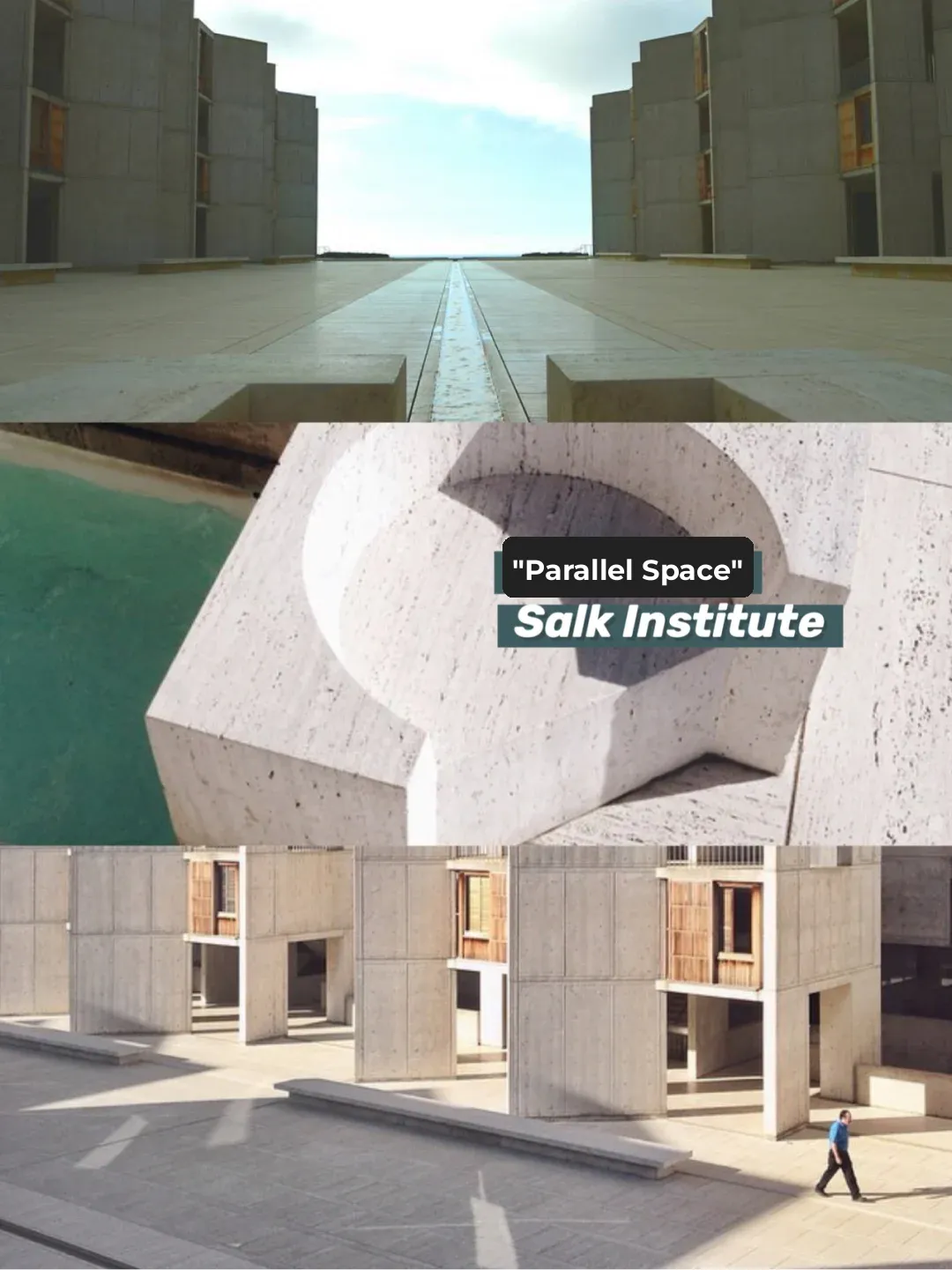
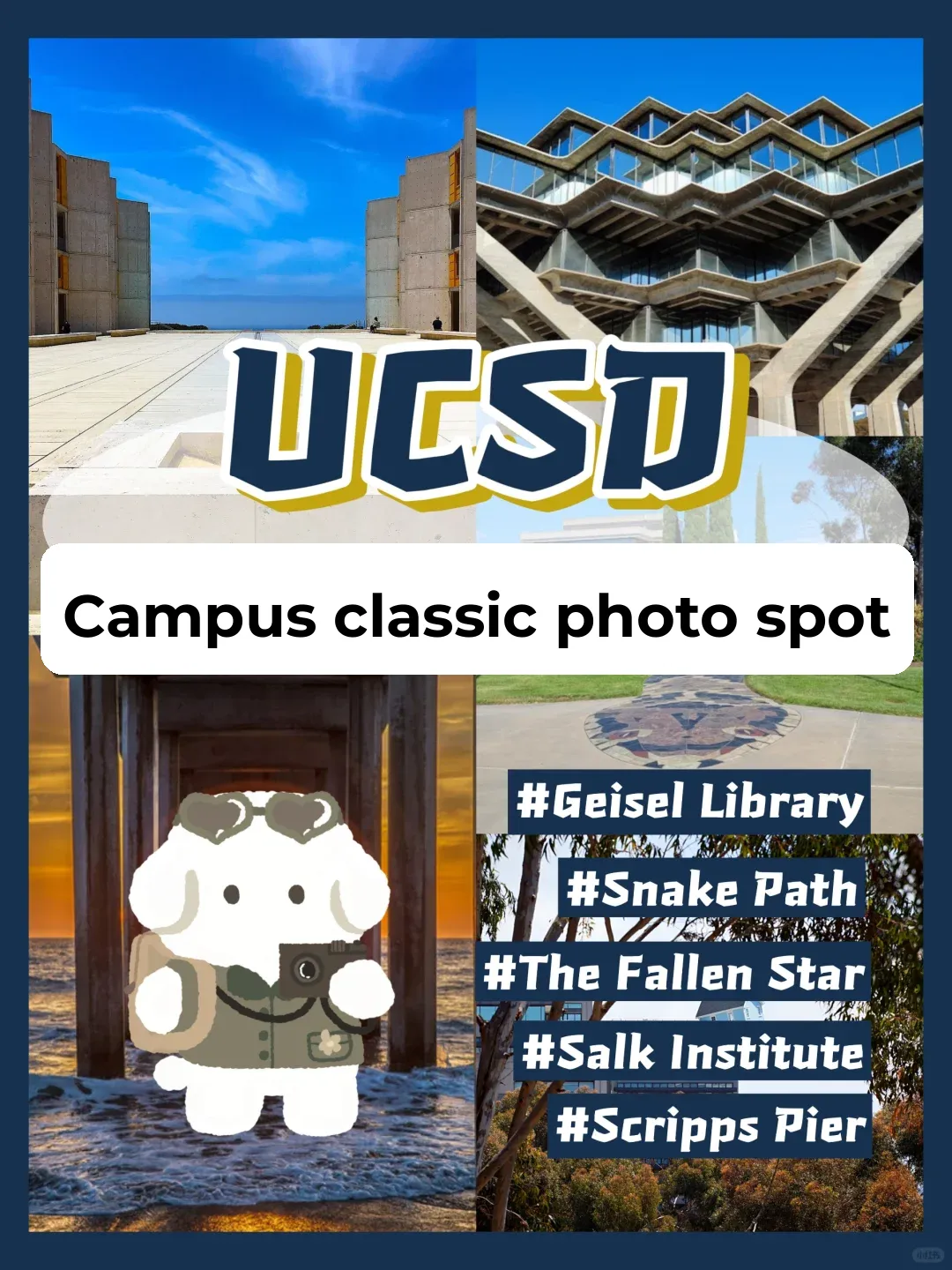
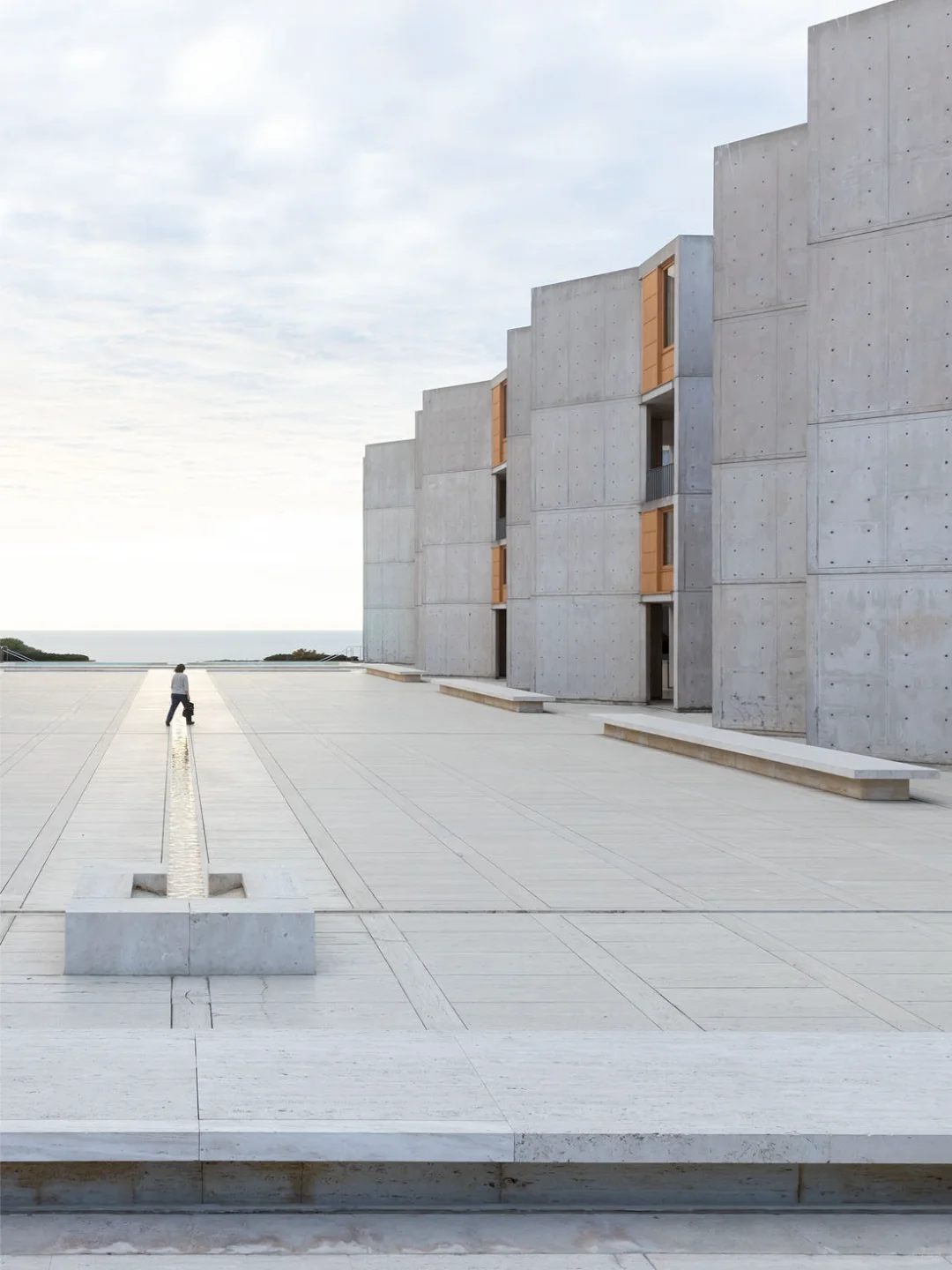
Salk Institute for Biological Studies things to do, attractions, restaurants, events info and trip planning
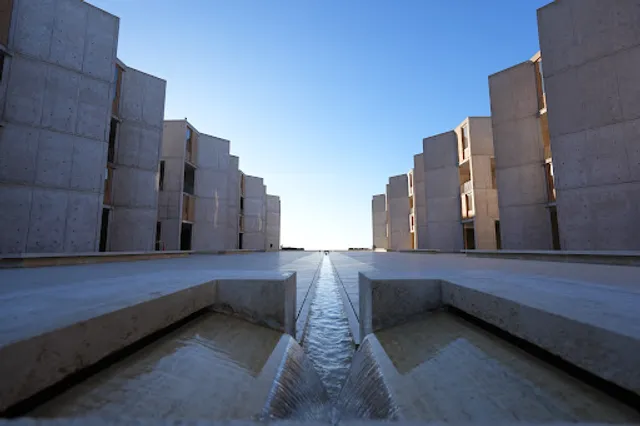
Basic Info
Salk Institute for Biological Studies
10010 N Torrey Pines Rd, La Jolla, CA 92037
4.5(150)
Open until 12:00 AM

tickets
Save
spot
spot
Ratings & Description
Info
Cultural
Scenic
Accessibility
attractions: Torrey Pines Gliderport, Saigon Trailhead, Visitor Information Center, Salk Institute Beach trail, Ho Chi Minh trailhead, La Jolla Trail, Black's Beach, Robinson Auditorium, Black's Beach Vista Point, Citizens Trail, restaurants: The Bella Lounge, Rhino Cake and Coffee Company, Salk Cafe, Mustangs & Burros, The Bistro at the Strand, Café Ventanas, Greenfinch Restaurant & Bar, Oceanview Terrace, Ridgewalk Social, Cliff Hanger Cafe, local businesses: Salk Institute Architecture, Seventh Market, Seventh College, Rady School of Management, The Spa at Estancia La Jolla, Eleanor Roosevelt College, La Jolla Trail, RIMAC, International House, Black's Beach
 Learn more insights from Wanderboat AI.
Phone
(858) 453-4100
Website
salk.edu
Open hoursSee all hours
Wed10 - 11 AMOpen
Plan your stay

Pet-friendly Hotels in San Diego
Find a cozy hotel nearby and make it a full experience.

Affordable Hotels in San Diego
Find a cozy hotel nearby and make it a full experience.

The Coolest Hotels You Haven't Heard Of (Yet)
Find a cozy hotel nearby and make it a full experience.

Trending Stays Worth the Hype in San Diego
Find a cozy hotel nearby and make it a full experience.
Reviews
Live events

The Art of Banksy: Without Limits Exhibition
Wed, Feb 18 • 12:00 PM
2260 Jimmy Durante Blvd, 92014
View details

Two Scientists Walk Into a Bar @ Lighting Brewing
Thu, Feb 19 • 5:30 PM
13200 Kirkham Way #STE 106 Poway, CA 92064
View details

Pamilya Sessions: Sound Lounge Open Jam
Fri, Feb 20 • 6:00 PM
1301 Market Street San Diego, CA 92101
View details
Nearby attractions of Salk Institute for Biological Studies
Torrey Pines Gliderport
Saigon Trailhead
Visitor Information Center
Salk Institute Beach trail
Ho Chi Minh trailhead
La Jolla Trail
Black's Beach
Robinson Auditorium
Black's Beach Vista Point
Citizens Trail
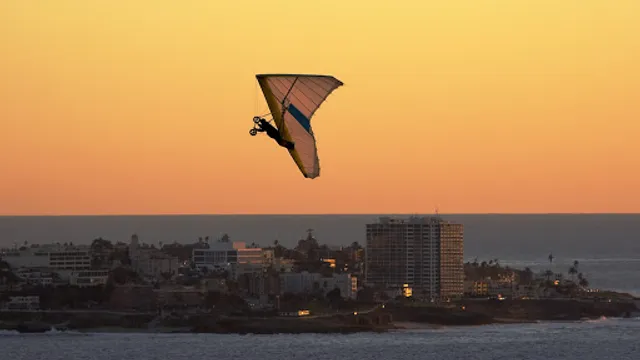
Torrey Pines Gliderport
4.8
(2.4K)
Closed
Click for details
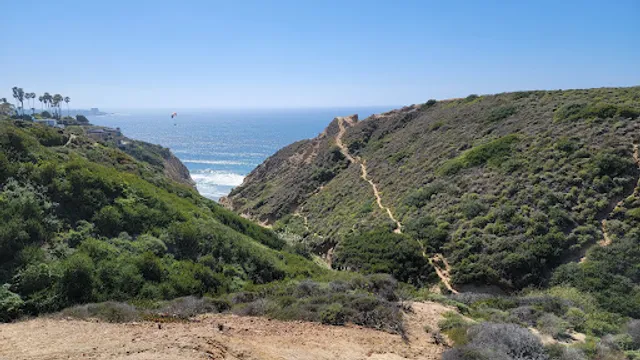
Saigon Trailhead
4.4
(45)
Open 24 hours
Click for details

Visitor Information Center
4.3
(32)
Closed
Click for details
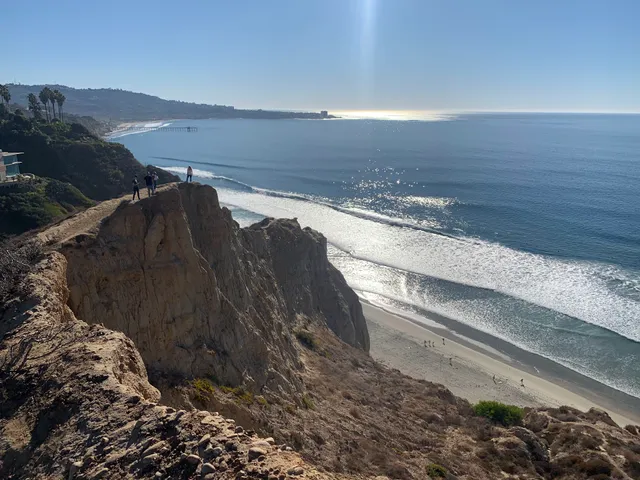
Salk Institute Beach trail
4.0
(16)
Open 24 hours
Click for details
Nearby restaurants of Salk Institute for Biological Studies
The Bella Lounge
Rhino Cake and Coffee Company
Salk Cafe
Mustangs & Burros
The Bistro at the Strand
Café Ventanas
Greenfinch Restaurant & Bar
Oceanview Terrace
Ridgewalk Social
Cliff Hanger Cafe
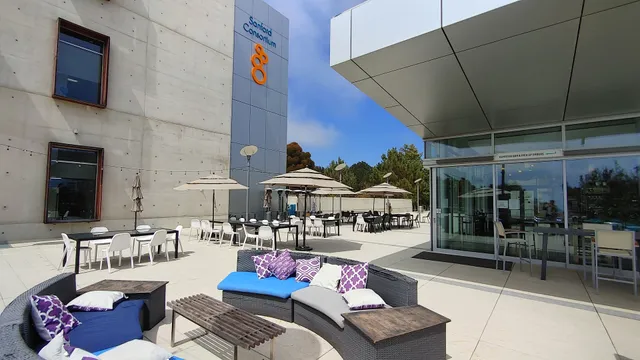
The Bella Lounge
4.4
(315)
$
Closed
Click for details
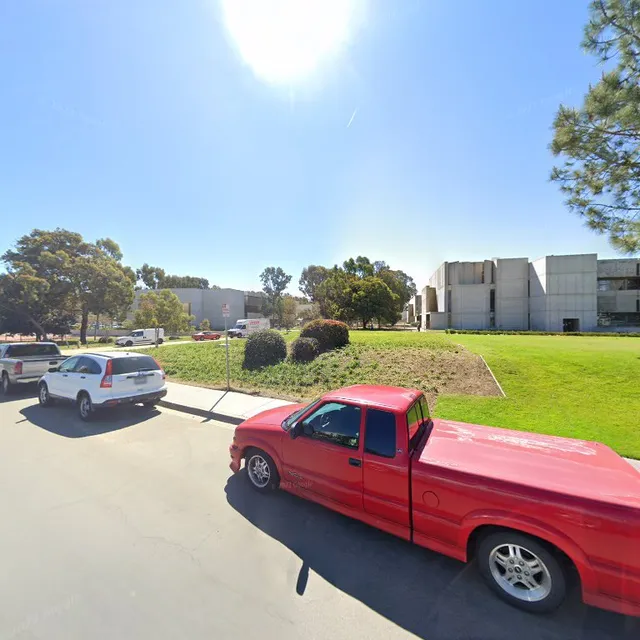
Rhino Cake and Coffee Company
5.0
(1)
Closed
Click for details
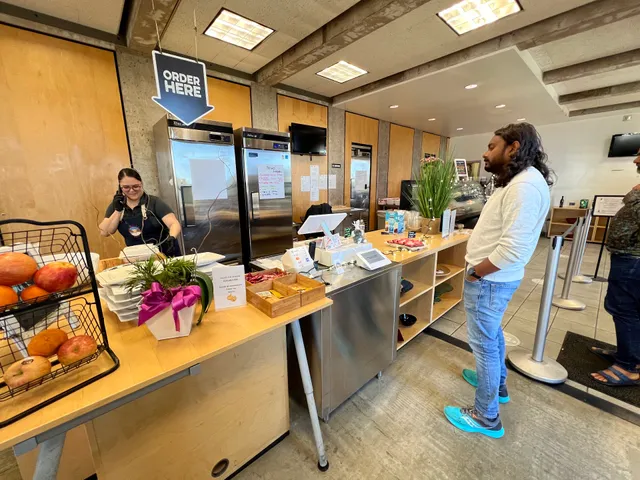
Salk Cafe
4.5
(15)
$
Closed
Click for details
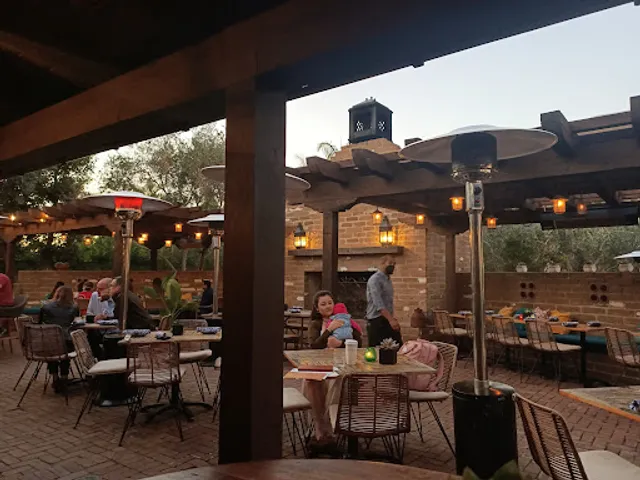
Mustangs & Burros
4.0
(149)
$$$
Closed
Click for details
Nearby local services of Salk Institute for Biological Studies
Salk Institute Architecture
Seventh Market
Seventh College
Rady School of Management
The Spa at Estancia La Jolla
Eleanor Roosevelt College
La Jolla Trail
RIMAC
International House
Black's Beach
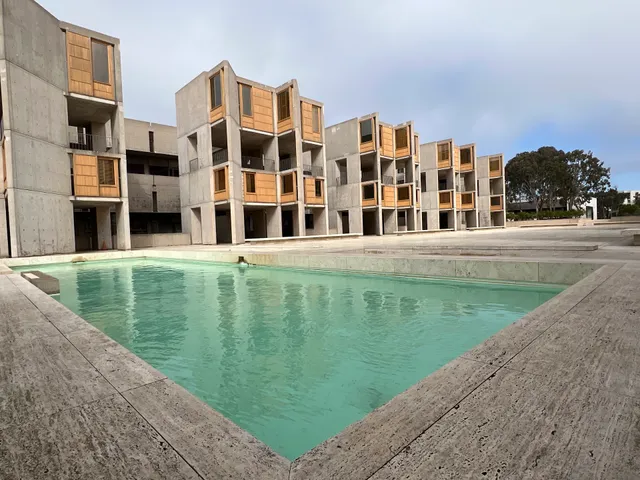
Salk Institute Architecture
2.7
(10)
Click for details
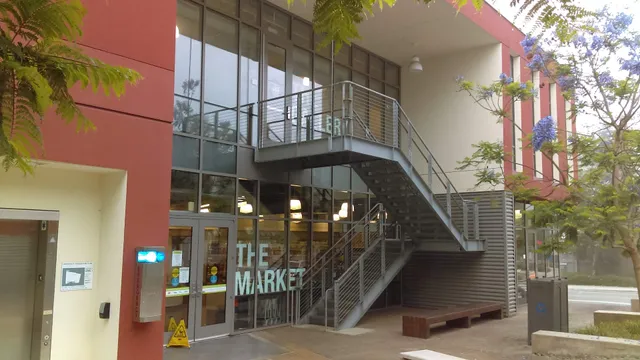
Seventh Market
4.1
(50)
Click for details
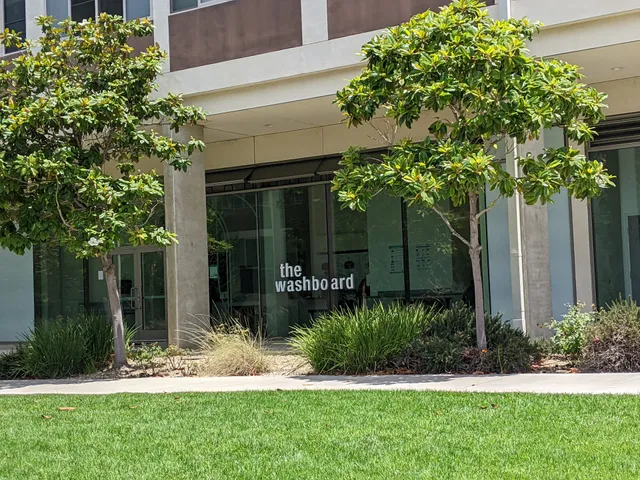
Seventh College
4.8
(9)
Click for details
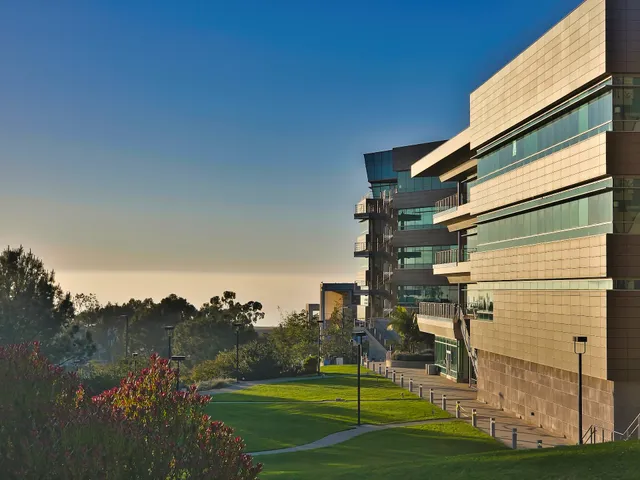
Rady School of Management
4.4
(21)
Click for details


The hit list
Plan your trip with Wanderboat
Welcome to Wanderboat AI, your AI search for local Eats and Fun, designed to help you explore your city and the world with ease.
Powered by Wanderboat AI trip planner.