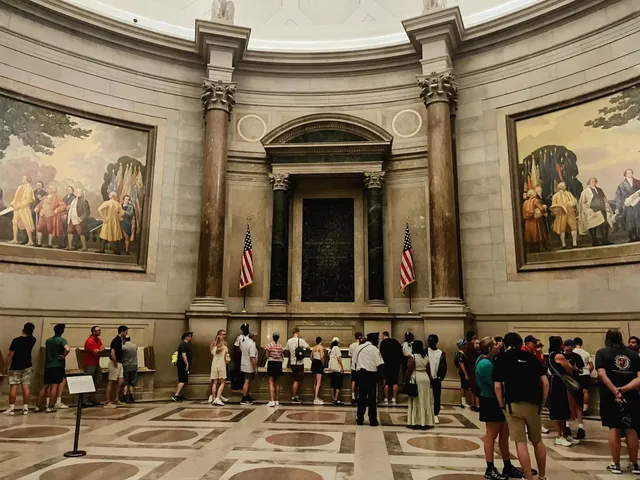
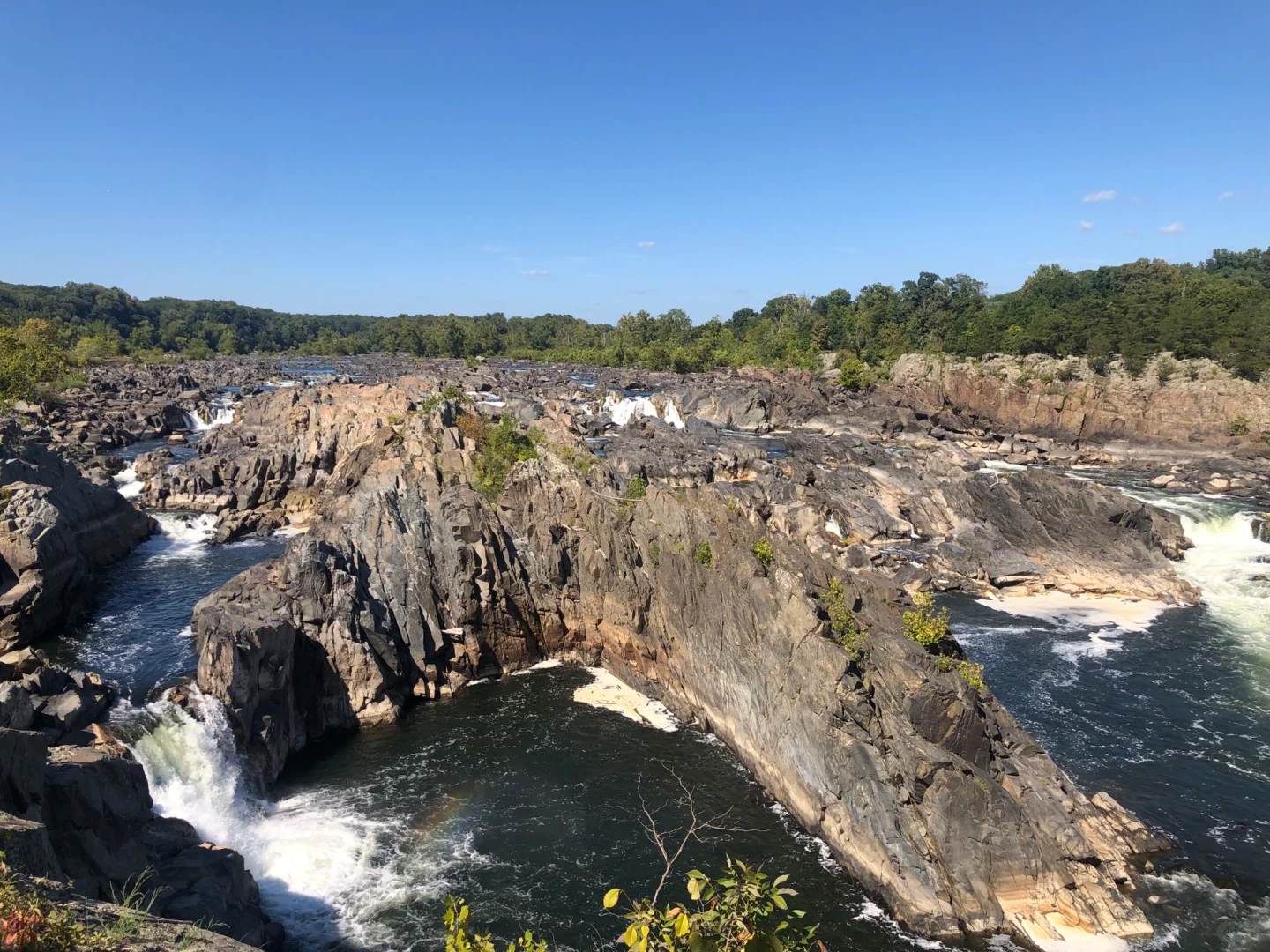
National Archives Museum things to do, attractions, restaurants, events info and trip planning
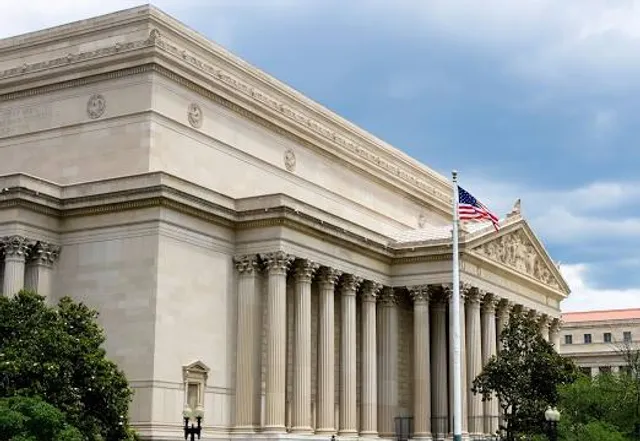
Basic Info
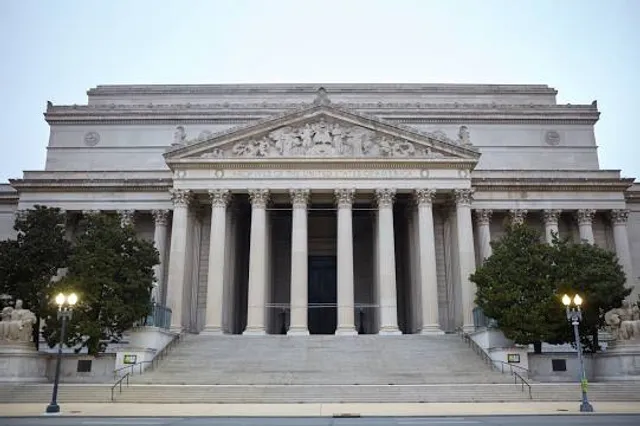
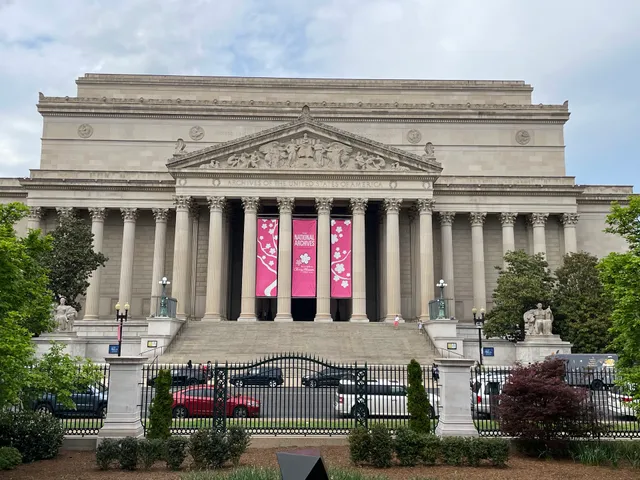
National Archives Museum
701 Constitution Ave. NW, Washington, DC 20408
4.7(2.7K)
Open until 5:30 PM


tickets
Save
spot
spot
Ratings & Description
Info
Cultural
Accessibility
attractions: Smithsonian National Museum of Natural History, National Gallery of Art, National Gallery of Art – Sculpture Garden, US Navy Memorial Plaza, Escape the Room DC (Penn Quarter), Sculpture Garden, Smithsonian National Air and Space Museum, US Navy Memorial Visitor Center, Smithsonian Pollinator Garden, Woolly Mammoth Theatre Company, restaurants: Oyamel, Pavilion Café, Rice Bar Market Place, Rasika, Penn Quarter Sports Tavern, China Chilcano, Fiola, Carmine's - Washington DC, Teaism Penn Quarter, The Capital Grille, local businesses: National Archives Research Center, National Archives Foundation, Tea Around Town, USA Guided Tours, Residences At Market Square West, National Gallery of Art Sculpture Garden Ice Rink, National Archives Store, National Archives And Records Administration, Archives-Navy Memorial-Penn Quarter, Smithsonian National Museum of Natural History Store
 Learn more insights from Wanderboat AI.
Phone
(202) 357-5000
Website
visit.archives.gov
Open hoursSee all hours
Sat10 AM - 5:30 PMOpen
Plan your stay

Pet-friendly Hotels in Washington
Find a cozy hotel nearby and make it a full experience.

Affordable Hotels in Washington
Find a cozy hotel nearby and make it a full experience.

The Coolest Hotels You Haven't Heard Of (Yet)
Find a cozy hotel nearby and make it a full experience.

Trending Stays Worth the Hype in Washington
Find a cozy hotel nearby and make it a full experience.
Reviews
Live events
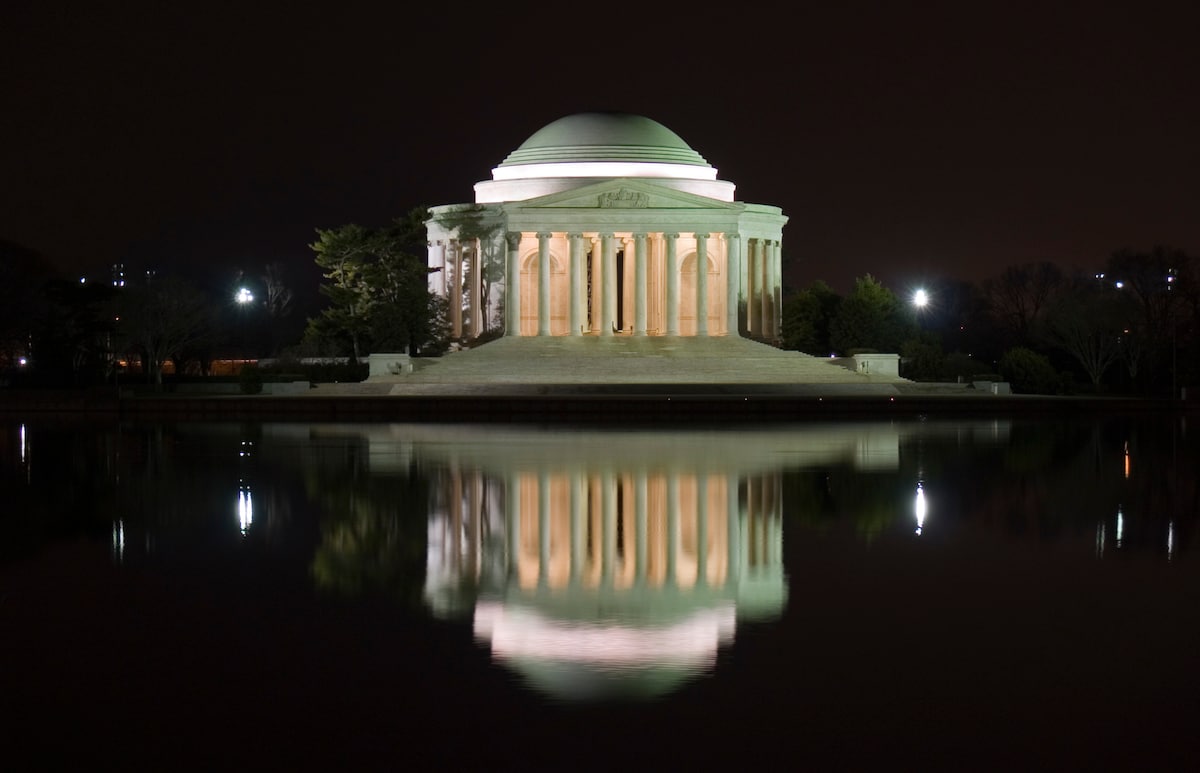
Marvel at the National Mall at night with a guide
Mon, Feb 23 • 7:00 PM
Washington, District of Columbia, 20001
View details

Lunar New Year Celebration 2026
Sat, Feb 21 • 10:00 AM
7401 Baltimore Avenue College Park, MD 20740
View details

ADAPTIVE OPEN GYM SATURDAYS 2026-$0 Sponsored by the AFL
Sat, Feb 21 • 11:00 AM
3545 Chain Bridge Road #101 Fairfax, VA 22030
View details
Nearby attractions of National Archives Museum
Smithsonian National Museum of Natural History
National Gallery of Art
National Gallery of Art – Sculpture Garden
US Navy Memorial Plaza
Escape the Room DC (Penn Quarter)
Sculpture Garden
Smithsonian National Air and Space Museum
US Navy Memorial Visitor Center
Smithsonian Pollinator Garden
Woolly Mammoth Theatre Company
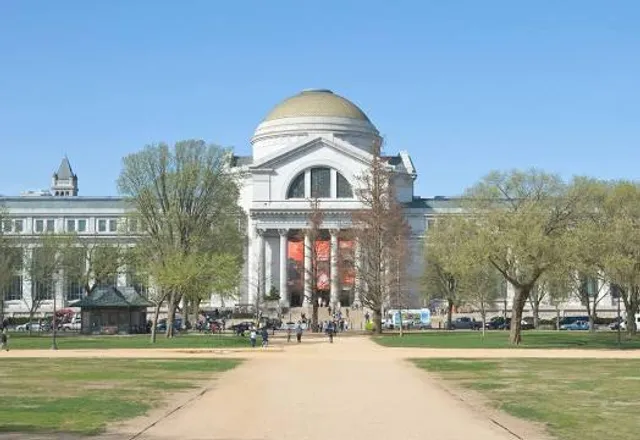
Smithsonian National Museum of Natural History
4.8
(20.7K)
Open until 5:30 PM
Click for details
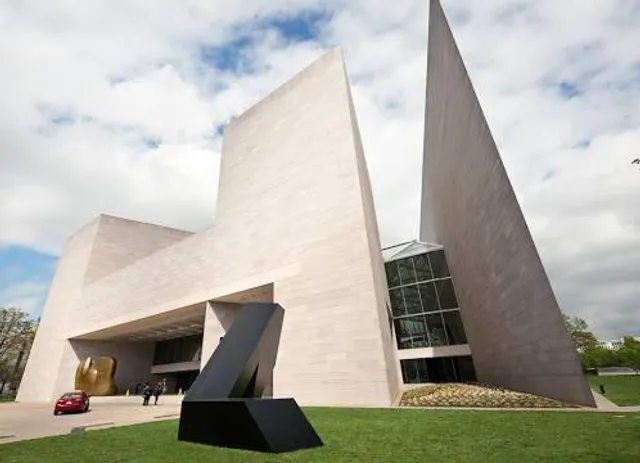
National Gallery of Art
4.8
(7.4K)
Open until 5:00 PM
Click for details
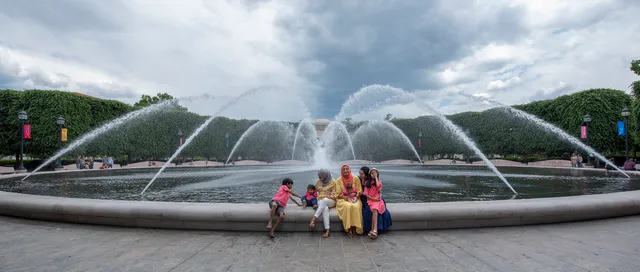
National Gallery of Art – Sculpture Garden
4.7
(718)
Open until 5:00 PM
Click for details
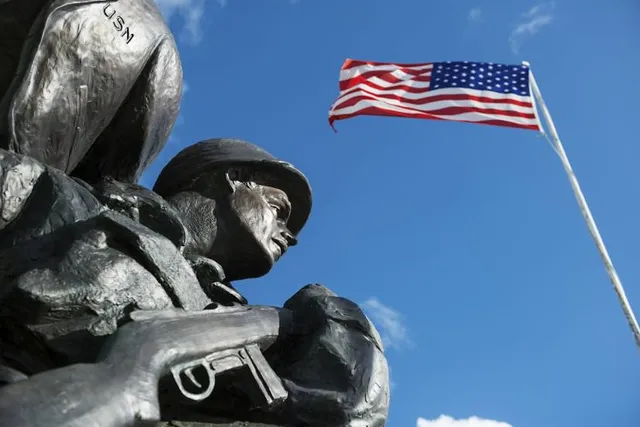
US Navy Memorial Plaza
4.7
(527)
Open until 5:00 PM
Click for details
Nearby restaurants of National Archives Museum
Oyamel
Pavilion Café
Rice Bar Market Place
Rasika
Penn Quarter Sports Tavern
China Chilcano
Fiola
Carmine's - Washington DC
Teaism Penn Quarter
The Capital Grille
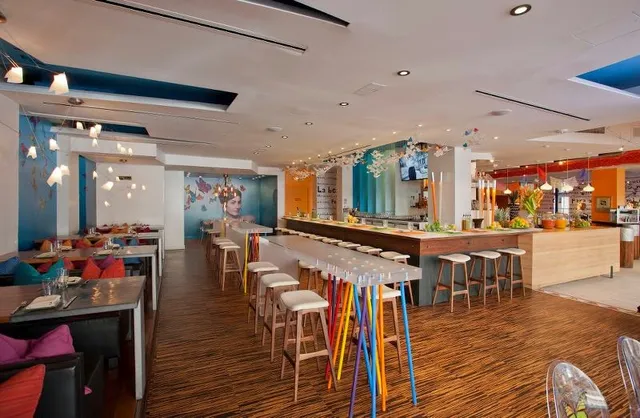
Oyamel
4.5
(3K)
$$
Open until 11:00 PM
Click for details
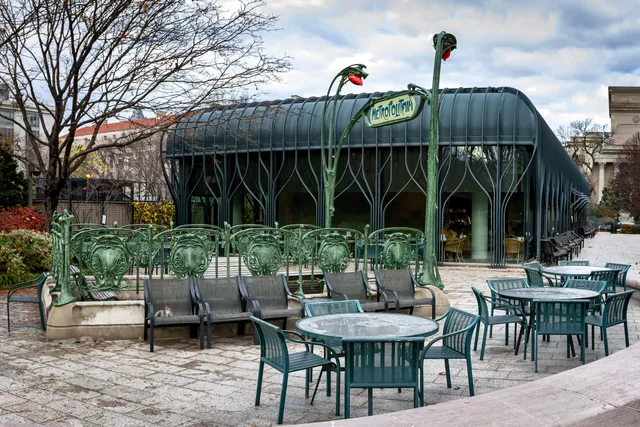
Pavilion Café
3.9
(351)
$
Open until 4:00 PM
Click for details
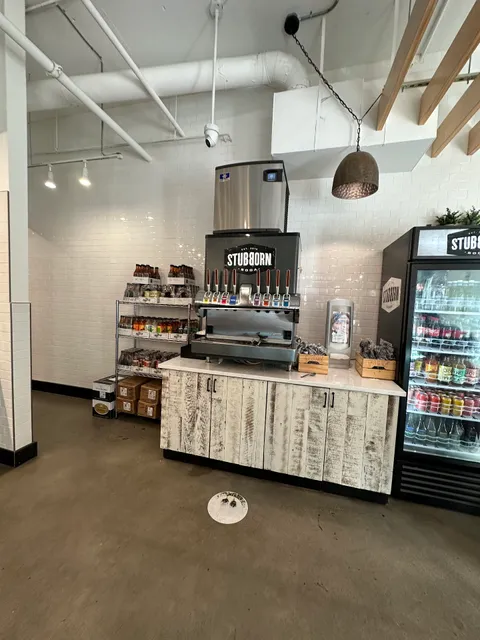
Rice Bar Market Place
4.7
(772)
$
Open until 7:00 PM
Click for details
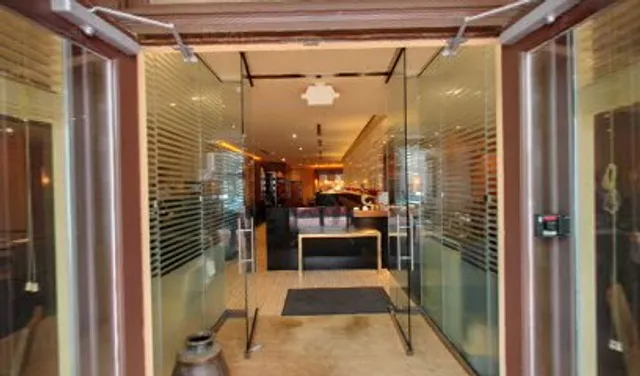
Rasika
4.3
(1.8K)
$$$
Closed
Click for details
Nearby local services of National Archives Museum
National Archives Research Center
National Archives Foundation
Tea Around Town
USA Guided Tours
Residences At Market Square West
National Gallery of Art Sculpture Garden Ice Rink
National Archives Store
National Archives And Records Administration
Archives-Navy Memorial-Penn Quarter
Smithsonian National Museum of Natural History Store
National Archives Research Center
4.5
(393)
Click for details
National Archives Foundation
4.8
(280)
Click for details

Tea Around Town
4.1
(469)
Click for details

USA Guided Tours
4.9
(706)
Click for details