National Geographic Museum things to do, attractions, restaurants, events info and trip planning
Basic Info
National Geographic Museum
1145 17th St NW, Washington, DC 20036
4.3(1.3K)$$$$
Open 24 hours
Save
spot
spot
Ratings & Description
Info
Cultural
Family friendly
Accessibility
attractions: Cathedral of St. Matthew the Apostle, Charles Sumner School, Farragut Square, Chinese American Museum DC, Q Street Fine Art - Rafael Gallardo Art Studio, Custom Tours of DC - Private Tour Agency, General Winfield Scott Statue, Daniel Webster Memorial, Nuns of the Battlefield Civil War Nurses Monument, Nexford University, restaurants: Le DeSales, City Place Cafe, Darvish Kitchen, Pisco y Nazca Ceviche Gastrobar, Quill at The Jefferson, The Coffee Bar, Iron Gate Restaurant, Edgar Bar & Kitchen, SUSHI SNOB, Decades DC, local businesses: AllCare Primary & Immediate Care, National Geographic Headquarters, Tiny Jewel Box, Omega Boutique - Washington, D.C., Gold's Gym - Dupont Circle, Men's Wearhouse, Brooks Brothers, Farragut North Metro Station North Entrance, The Good Liar Brian Curry, 1627 K St NW
 Learn more insights from Wanderboat AI.
Phone
(202) 857-7700
Website
nationalgeographic.org
Plan your stay

Pet-friendly Hotels in Washington
Find a cozy hotel nearby and make it a full experience.

Affordable Hotels in Washington
Find a cozy hotel nearby and make it a full experience.

The Coolest Hotels You Haven't Heard Of (Yet)
Find a cozy hotel nearby and make it a full experience.

Trending Stays Worth the Hype in Washington
Find a cozy hotel nearby and make it a full experience.
Reviews
Live events
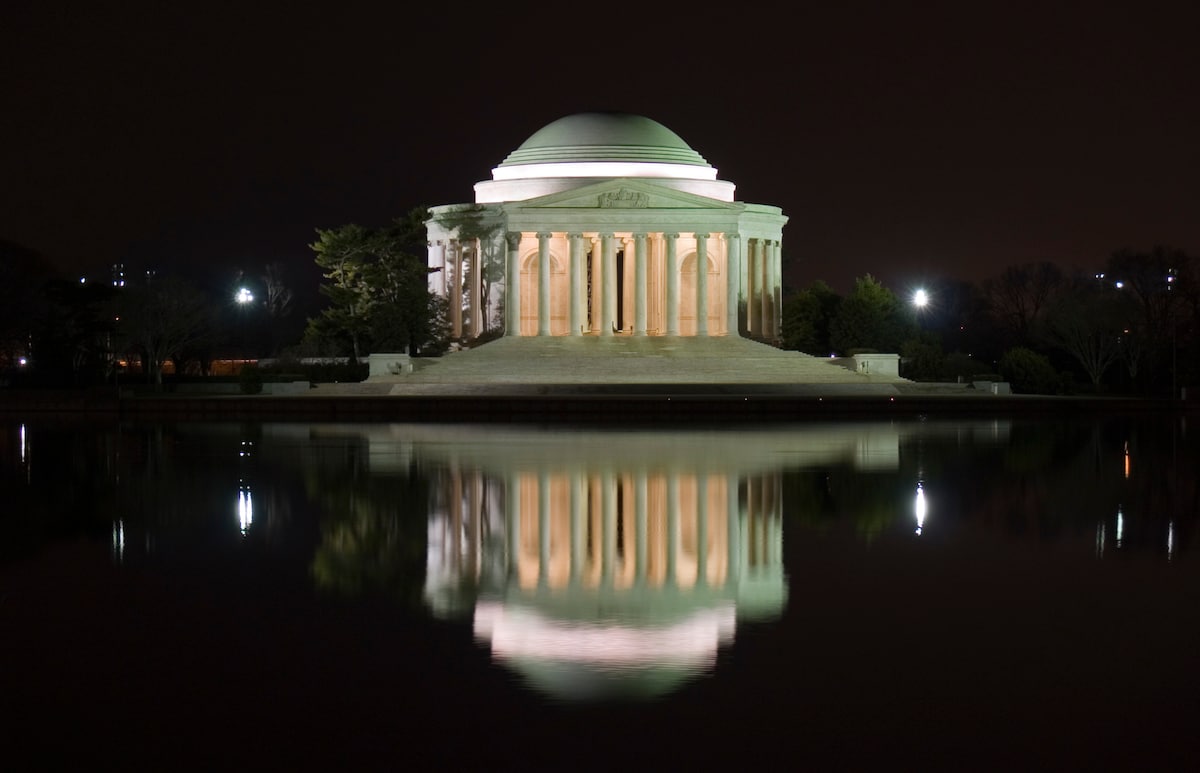
Marvel at the National Mall at night with a guide
Mon, Feb 16 • 7:00 PM
Washington, District of Columbia, 20001
View details

Family Game Night at sweetFrog Laurel
Thu, Feb 19 • 5:00 PM
3341 Corridor Marketplace Laurel, MD 20724
View details
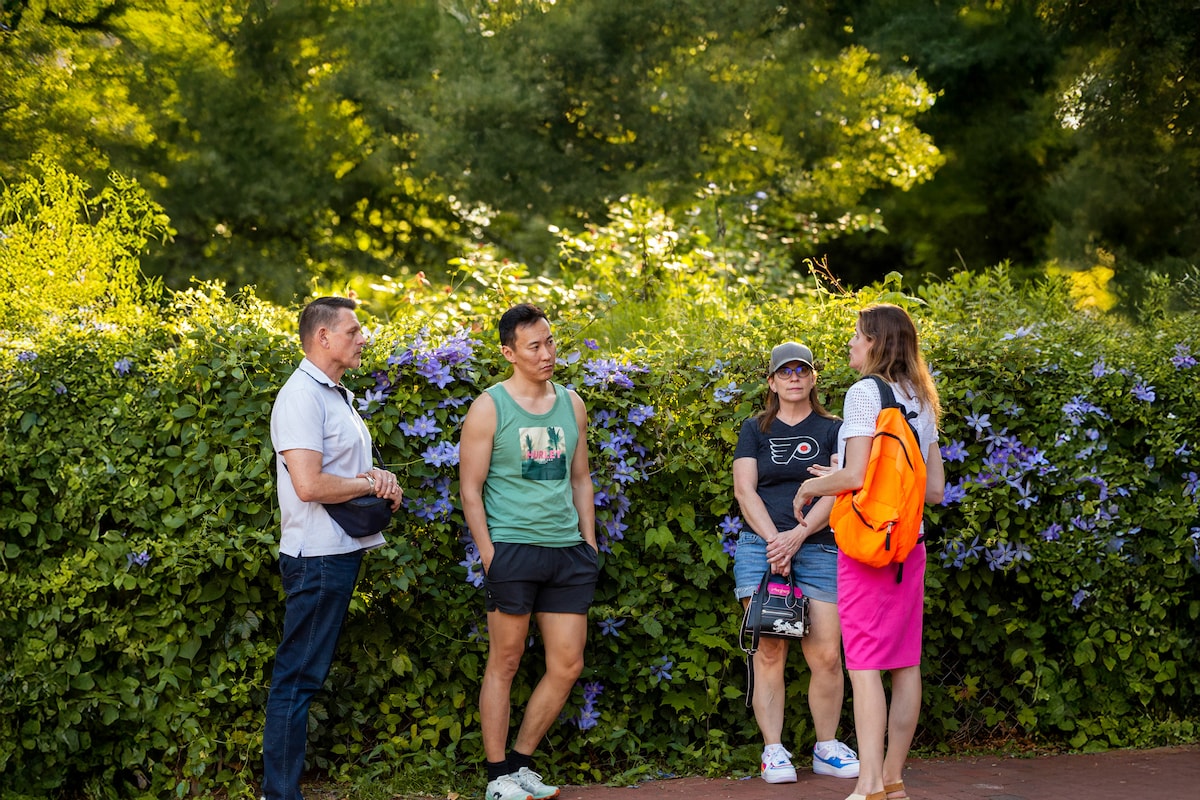
Uncover Georgetowns secret spy stories
Sat, Feb 21 • 1:00 PM
Washington, District of Columbia, 20007
View details
Nearby attractions of National Geographic Museum
Cathedral of St. Matthew the Apostle
Charles Sumner School
Farragut Square
Chinese American Museum DC
Q Street Fine Art - Rafael Gallardo Art Studio
Custom Tours of DC - Private Tour Agency
General Winfield Scott Statue
Daniel Webster Memorial
Nuns of the Battlefield Civil War Nurses Monument
Nexford University
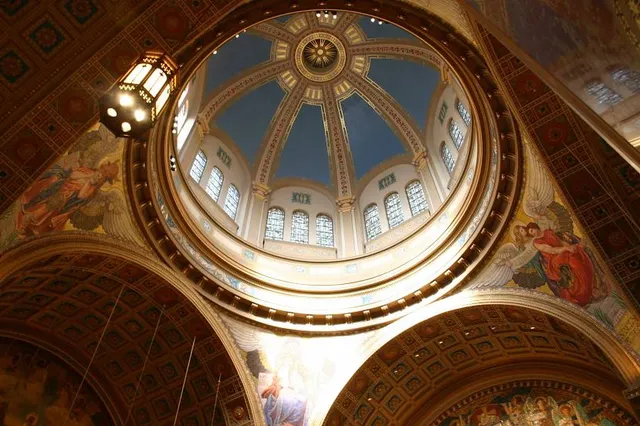
Cathedral of St. Matthew the Apostle
4.8
(549)
Open until 7:00 PM
Click for details
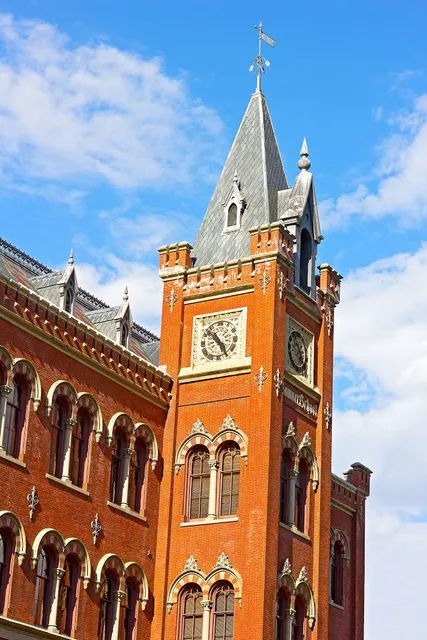
Charles Sumner School
4.7
(26)
Open until 12:00 AM
Click for details
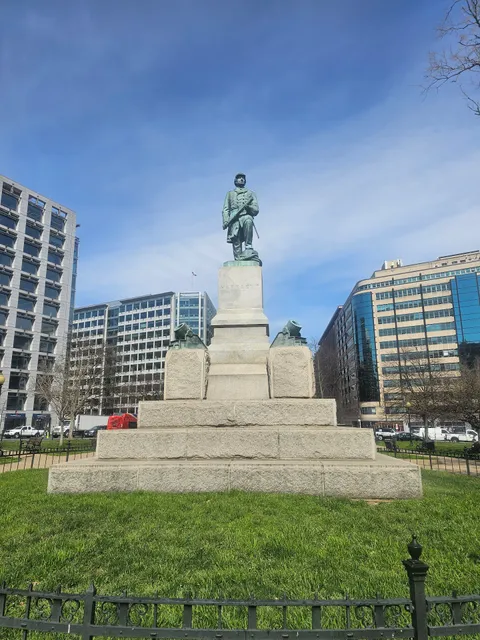
Farragut Square
4.5
(922)
Open until 12:00 AM
Click for details
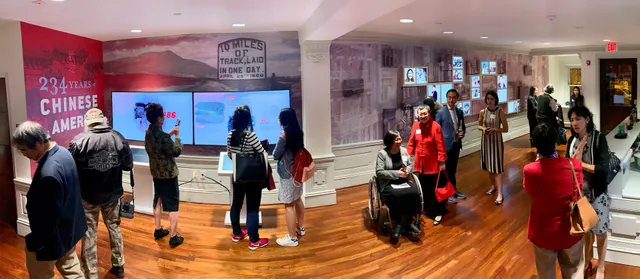
Chinese American Museum DC
4.6
(44)
Open until 12:00 AM
Click for details
Nearby restaurants of National Geographic Museum
Le DeSales
City Place Cafe
Darvish Kitchen
Pisco y Nazca Ceviche Gastrobar
Quill at The Jefferson
The Coffee Bar
Iron Gate Restaurant
Edgar Bar & Kitchen
SUSHI SNOB
Decades DC
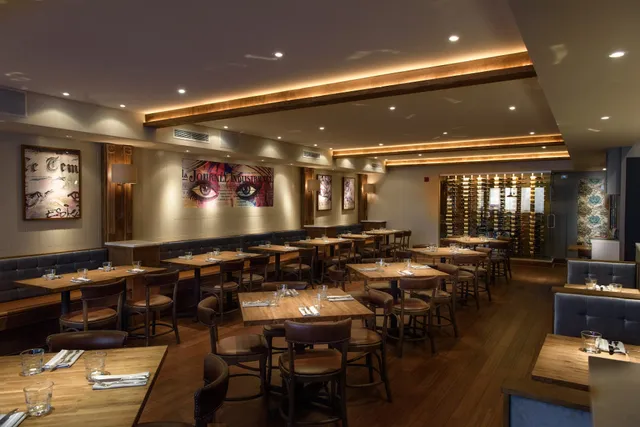
Le DeSales
4.6
(465)
$$
Open until 12:00 AM
Click for details
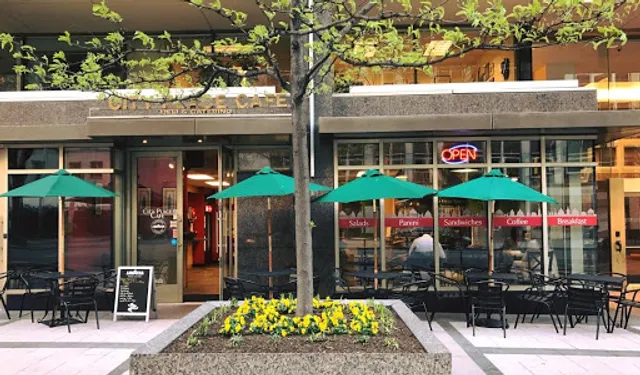
City Place Cafe
4.5
(152)
$
Open until 12:00 AM
Click for details
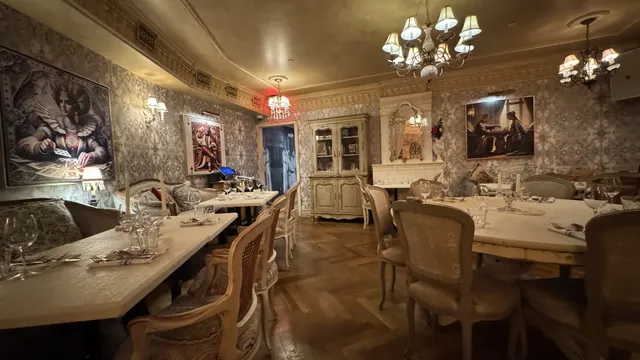
Darvish Kitchen
4.6
(563)
$$$
Closed
Click for details
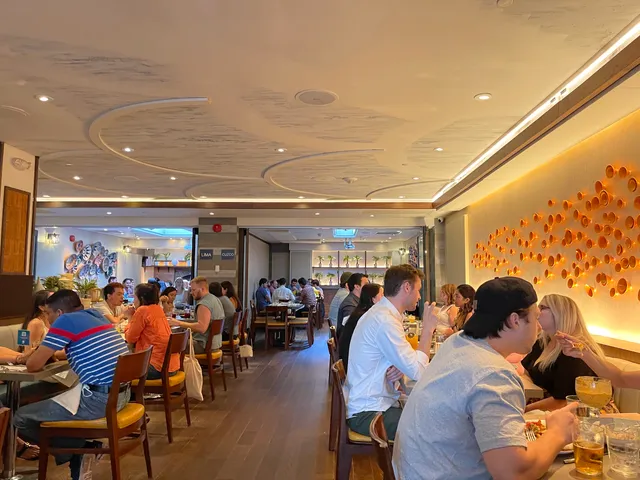
Pisco y Nazca Ceviche Gastrobar
4.9
(9.6K)
$$
Closed
Click for details
Nearby local services of National Geographic Museum
AllCare Primary & Immediate Care
National Geographic Headquarters
Tiny Jewel Box
Omega Boutique - Washington, D.C.
Gold's Gym - Dupont Circle
Men's Wearhouse
Brooks Brothers
Farragut North Metro Station North Entrance
The Good Liar Brian Curry
1627 K St NW
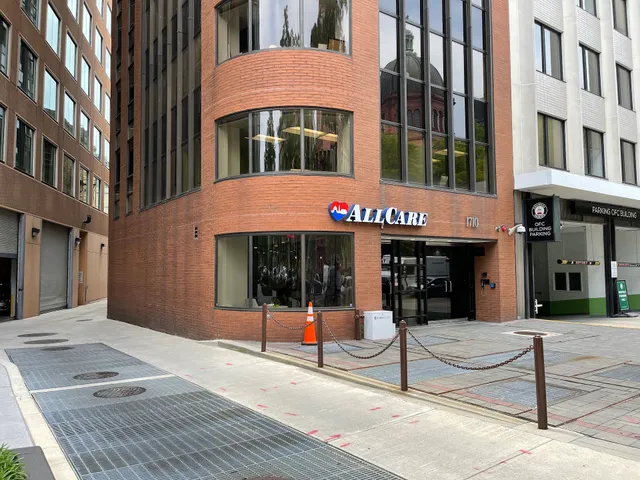
AllCare Primary & Immediate Care
4.2
(359)
Click for details
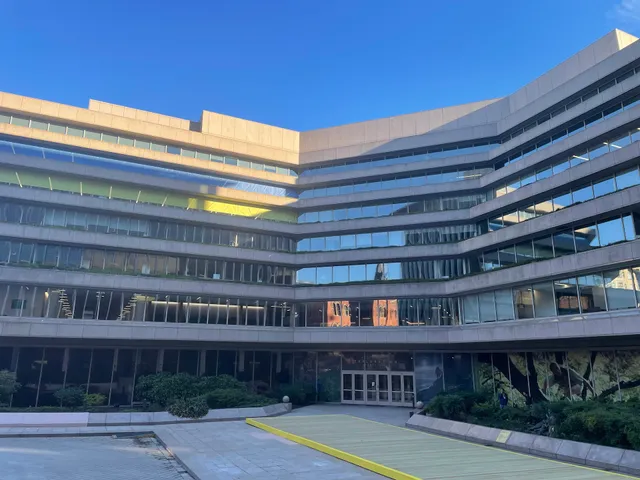
National Geographic Headquarters
4.1
(20)
Click for details
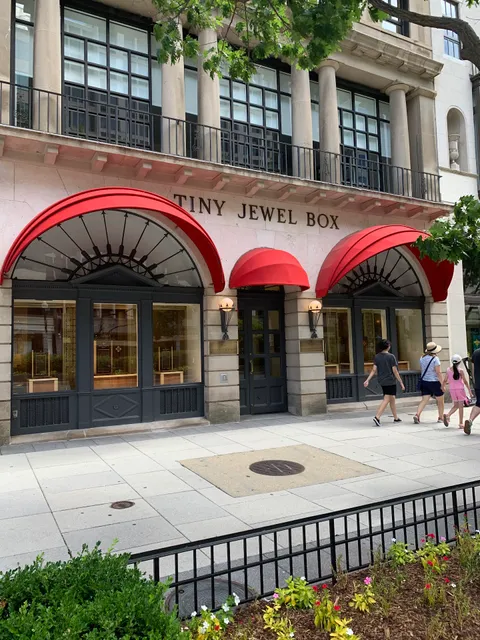
Tiny Jewel Box
4.7
(167)
Click for details
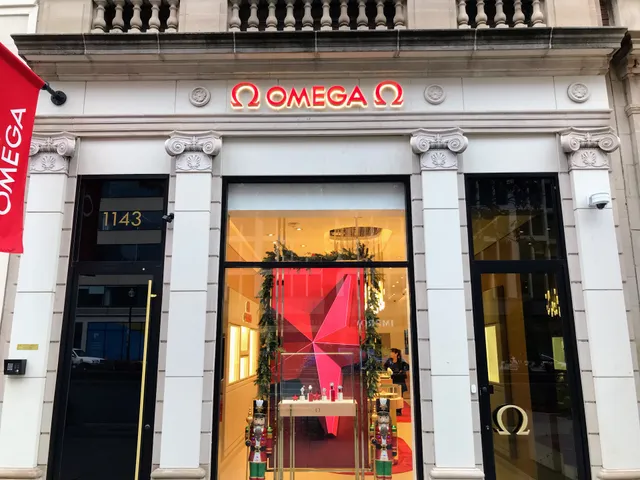
Omega Boutique - Washington, D.C.
4.9
(146)
Click for details