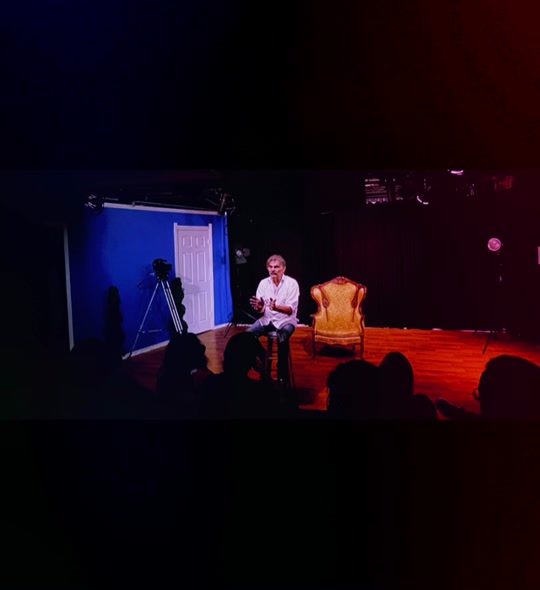
Chicago Actors Studio things to do, attractions, restaurants, events info and trip planning

Basic Info
Chicago Actors Studio
2040 N Elston Ave, Chicago, IL 60614
4.4(28)
Closed
Save
spot
spot
Ratings & Description
Info
attractions: Bloomingdale Trail Park, Trap Door Theatre, Walsh (John) Park, Pagoda Red, Cortland Street Bridge, Vivian Maier Mural, Trebes Park, restaurants: Pequod's Pizza, Bucktown Pub, Lan's Chicago, The Hurley Tap, The Albion Manor, Anor 1985 Restaurant, Soulfrito, Koi Sushi, Beck's Chicago, Rock Wrap & Roll, local businesses: Best Buy, Kohl's, Regal Webster Place, Five Iron Golf, Frog Temple Pilates Studio, C.H. Robinson, Webster Place Theaters Shops, Zeitlin's Delicatessen, Spavia Day Spa - Lincoln Park, SEPHORA at Kohl's
 Learn more insights from Wanderboat AI.
Phone
(773) 645-0222
Website
chicagoactorsstudio.net
Open hoursSee all hours
Sat1 - 6 PMClosed
Plan your stay

Pet-friendly Hotels in West Chicago Township
Find a cozy hotel nearby and make it a full experience.

Affordable Hotels in West Chicago Township
Find a cozy hotel nearby and make it a full experience.

The Coolest Hotels You Haven't Heard Of (Yet)
Find a cozy hotel nearby and make it a full experience.

Trending Stays Worth the Hype in West Chicago Township
Find a cozy hotel nearby and make it a full experience.
Reviews
Live events
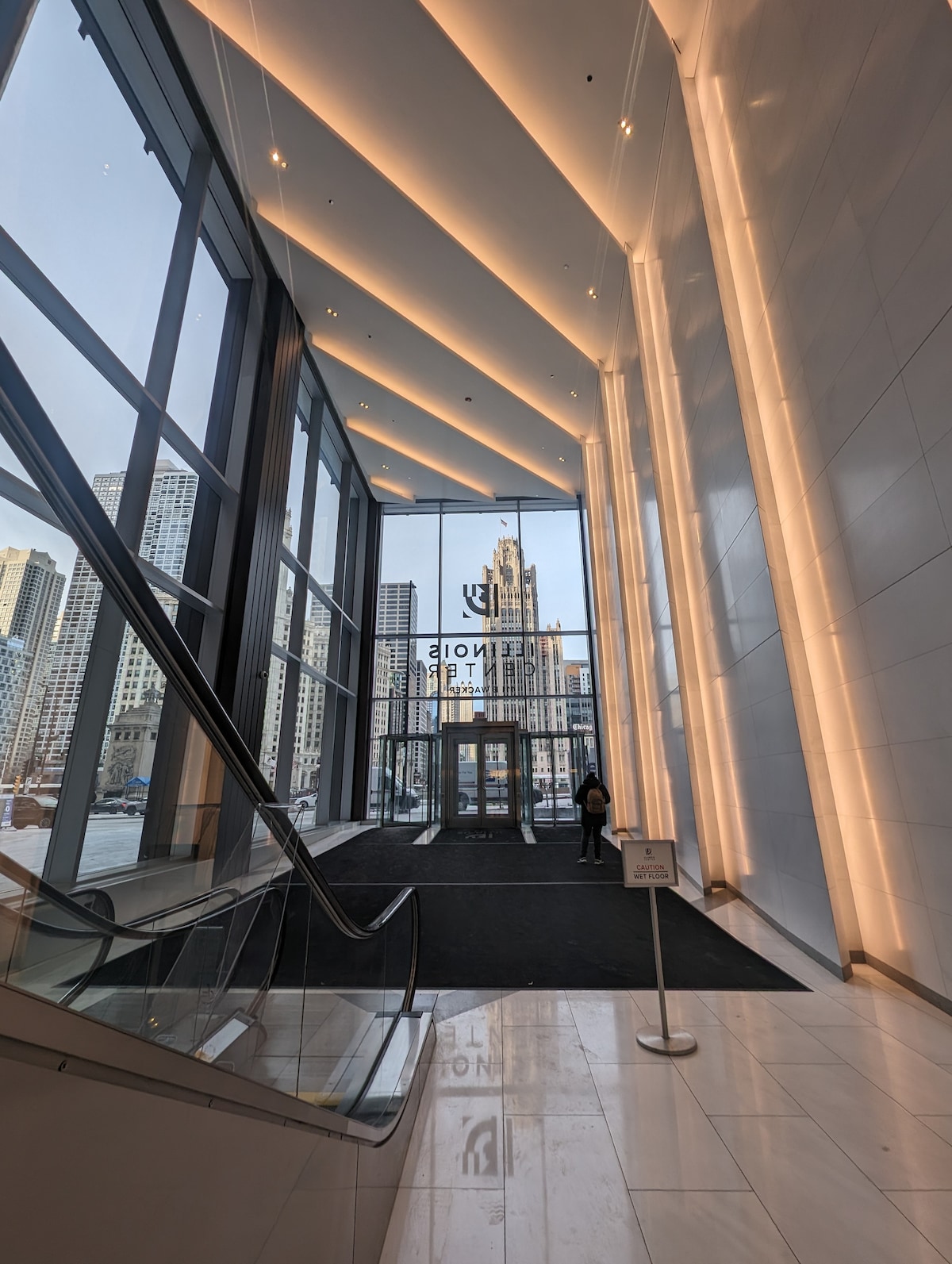
Chicago Underground Pedway & Secret Interiors Tour
Sun, Feb 8 • 2:00 PM
Chicago, Illinois, 60602
View details

2026 Chicago International Salsa Congress
Thu, Feb 12 • 7:00 PM
6100 N River Road Rosemont, IL 60018
View details
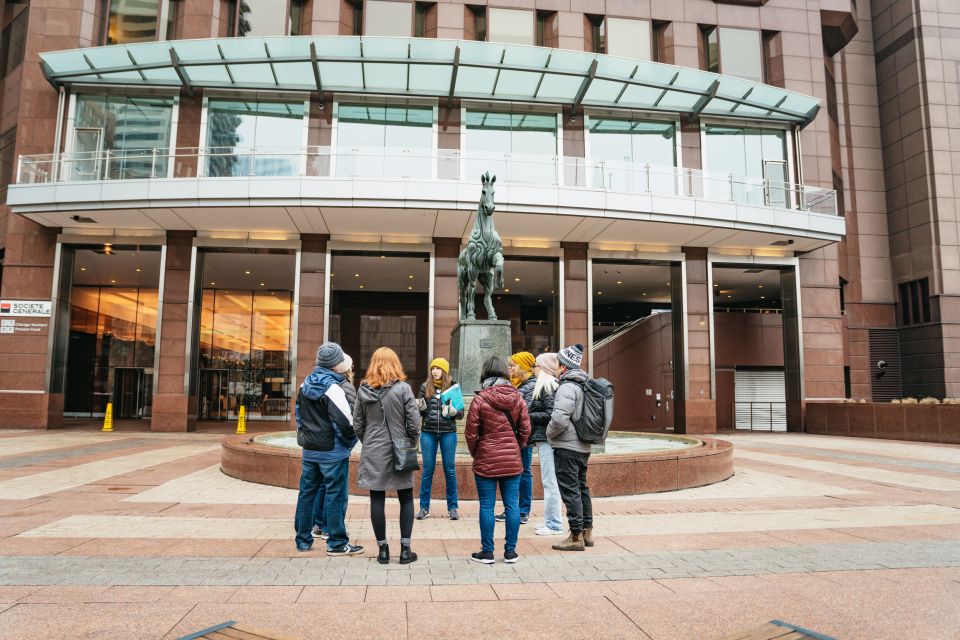
Discover Chicagos Dazzling Architecture Interiors
Sun, Feb 8 • 11:00 AM
Chicago, Illinois, 60605
View details
Nearby attractions of Chicago Actors Studio
Bloomingdale Trail Park
Trap Door Theatre
Walsh (John) Park
Pagoda Red
Cortland Street Bridge
Vivian Maier Mural
Trebes Park
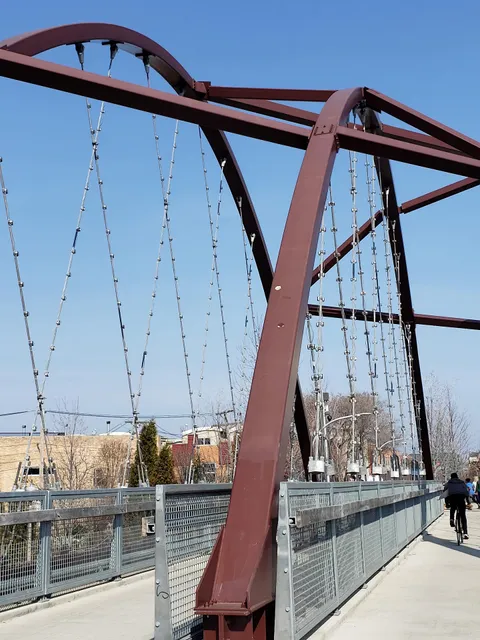
Bloomingdale Trail Park
4.7
(604)
Open until 11:00 PM
Click for details
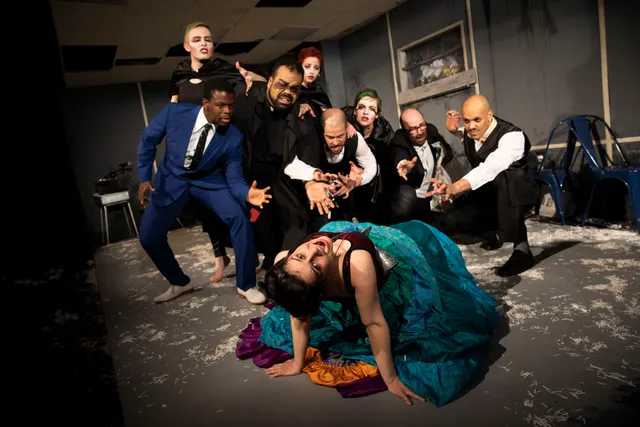
Trap Door Theatre
4.8
(60)
Open 24 hours
Click for details
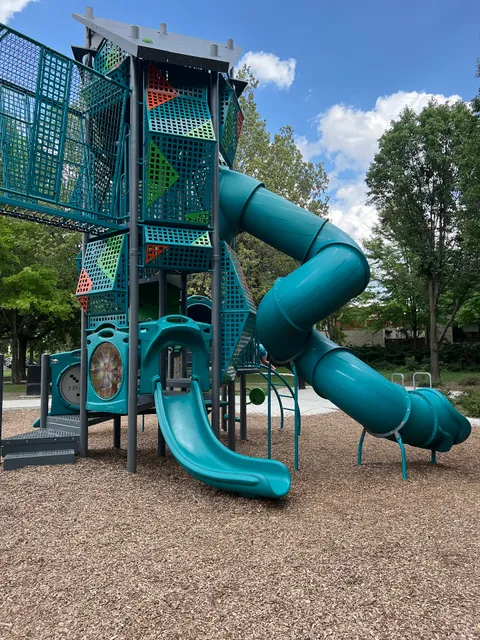
Walsh (John) Park
4.7
(415)
Open until 11:00 PM
Click for details
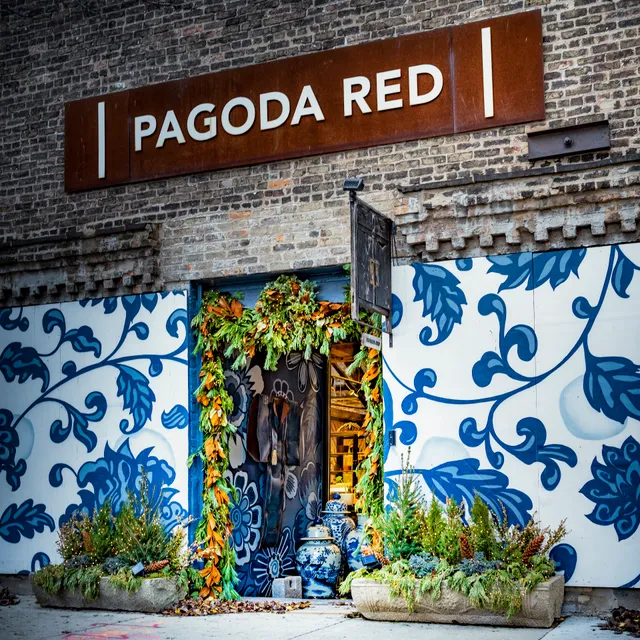
Pagoda Red
4.4
(21)
Closed
Click for details
Nearby restaurants of Chicago Actors Studio
Pequod's Pizza
Bucktown Pub
Lan's Chicago
The Hurley Tap
The Albion Manor
Anor 1985 Restaurant
Soulfrito
Koi Sushi
Beck's Chicago
Rock Wrap & Roll
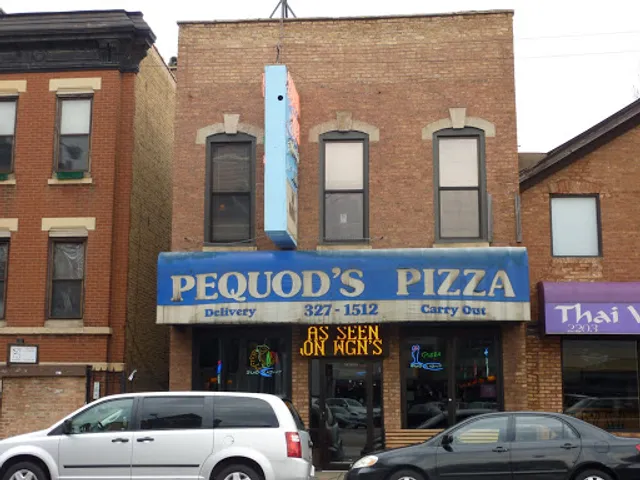
Pequod's Pizza
4.4
(6.6K)
$$
Open until 2:00 AM
Click for details
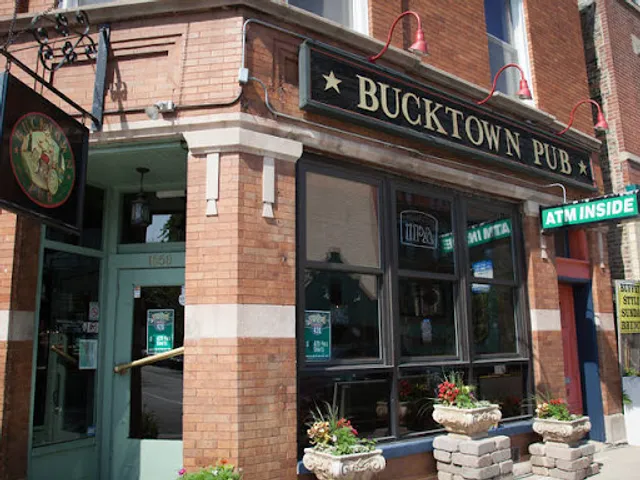
Bucktown Pub
4.4
(214)
$
Open until 3:00 AM
Click for details
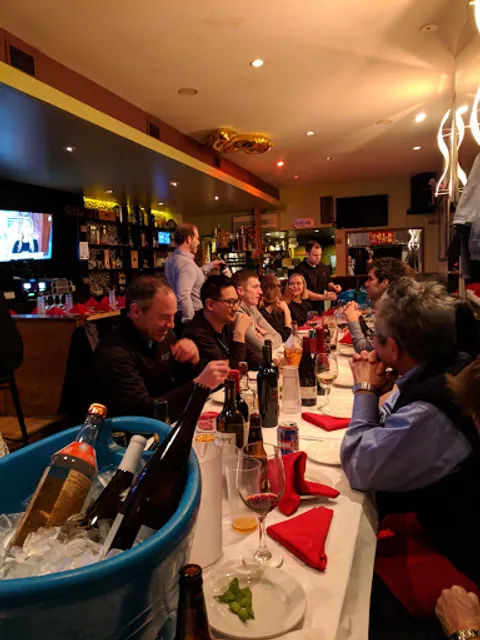
Lan's Chicago
4.2
(149)
$
Open until 11:00 PM
Click for details
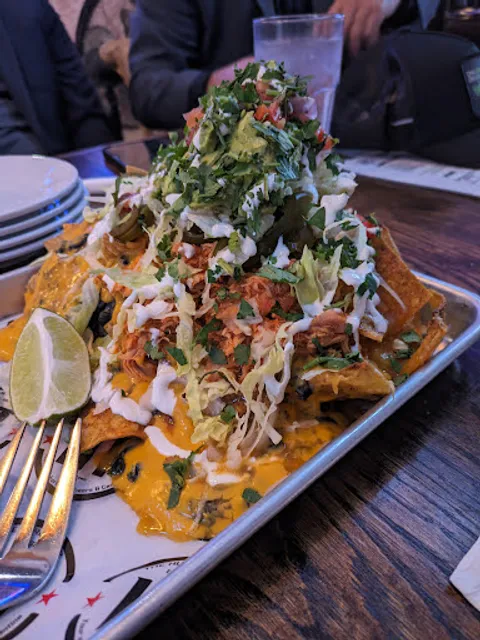
The Hurley Tap
4.7
(81)
$$
Open until 3:00 AM
Click for details
Nearby local services of Chicago Actors Studio
Best Buy
Kohl's
Regal Webster Place
Five Iron Golf
Frog Temple Pilates Studio
C.H. Robinson
Webster Place Theaters Shops
Zeitlin's Delicatessen
Spavia Day Spa - Lincoln Park
SEPHORA at Kohl's
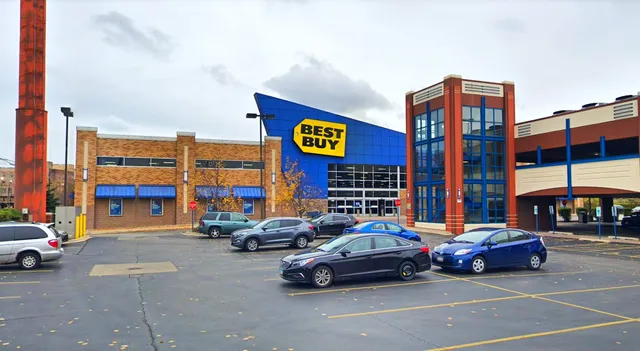
Best Buy
4.2
(1.7K)
Click for details

Kohl's
4.4
(1.4K)
Click for details
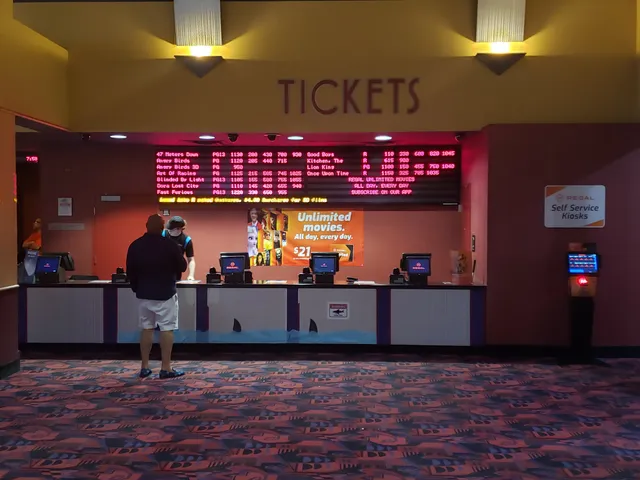
Regal Webster Place
4.4
(1.4K)
Click for details
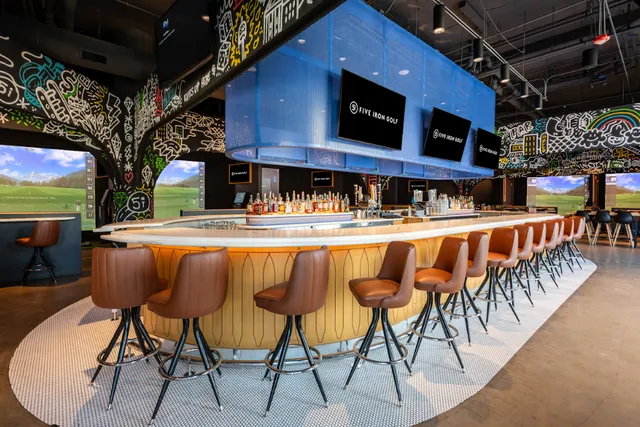
Five Iron Golf
4.9
(40)
Click for details