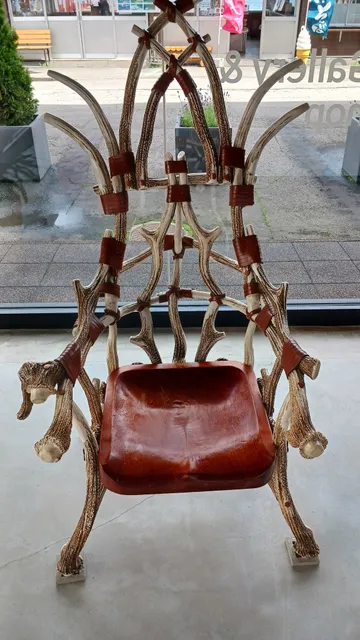
We spent two nights at this property earlier this month, as Akanko (i.e. Lake Akan) has a variety of things to do and we wanted to make the most of our time there. The Lake Akan area of Eastern Hokkaido is blessed with some of the country's most incredible natural environments including old-growth forests, a pristine lake, scenic mountains, mud volcanoes and the Marimo, a unique and unusual freshwater green algae that is shaped like a green ball and which can grow to about the size of a volleyball. There is also a cultural element to the area, as Ainu Kotan is one of Hokkaido's largest Ainu (indigenous people) settlements with roughly 130 individuals calling the place home. Aino Kotan has a main strip that has a variety of stores selling Ainu handicrafts as well as restaurants serving traditional Ainu cuisine. There is also a museum and a performing arts center, giving visitors the opportunity to enjoy a variety of Ainu performing arts. You can also reserve a private guided tour with an Ainu descendent who you will follow through a pretty forest while he/she explains how the Ainu used to live.||Akan Tsuruga Besso Hinanoza (that's its full name) is a luxury ryokan established in 2004 by the Tsuruga Group, and is just steps away from the lake shore. It's ideally situated - almost everything we wanted to experience (Ainu Village, Lake cruise, hiking, shopping) is within short walking distance from the ryokan. That said, the entire town is clustered in a small area along the South shore of the lake, so wherever you stay, it's going to be convenient. The property is in a nondescript 7-story building, although it's in pretty good shape from the outside (which is not the case with many older ryokans of this type.) Inside, in the common areas there are a variety of wood carvings that are on display; the indigenous Ainu are renowned for their woodworking skills, the displays are a wonderful tribute to the local Ainu artisans.||Of the 25 rooms at Hinanoza, 4 of them are Tokubetsu-shitsu ("Special") units that are 110m² in size, and are denoted as Ama no Za Suite. Our Tokubetsu-shitsu was on the 6th floor (the highest floor among guest rooms), and was named the Hina no Za (#601.) As is the case with most suites at top ryokans, it featured a living room, a tatami room and a separate bedroom. The decor and furnishings were Japanese-contemporary and of high quality - the hard product was fantastic overall. The Onsen bath is located on the deck, and is free-flowing and not recirculated... perfect. As was the case with Sanyoan, our Special room had two toilets in different areas of the Suite, although - curiously - featured only one sink. Mrs. KI-NRT would take that trade-off any day of the week. Hinanoza does have the obligatory Daiyokujo (gender-segregated communal Onsen bath), but given that every room here has en-suite Onsen, the vast majority of guests will never leave the comforts of their room. It was empty every time we took a peak in the Daiyokujo.||All meals are served in private dining rooms for each group of guests, although on one occasion they could not accommodate our dinner time preference, which was a bummer. On the bright side, the kaiseki cuisine was terrific. The kitchen did a wonderful job bringing out the goodness of the locally source ingredients, including Okra, Butterbur, Mountain Yam, Corn (very sweet!), Squash and Bamboo Shoots, as well as Salmon, Trout, Whelk and Sea Urchin on the seafood side. Hokkaido beef is better known for its quantity rather than quality, but the charcoal-grilled Kuroge Wagyu that they served was almost at the level of more renowned beef varieties such as Hida and Matsusaka. Breakfast was equally inspiring. Rather than the typical stuff - miso soup, some fish, rice, pickled vegetables and tofu - they went out of their way to serve them in a creative way, again focusing on Hokkaido-sourced ingredients. One of the highlights on both mornings was the Ikura (salmon roe.) We're not strangers to Ikura, but the ones they serve at Hinanoza are never frozen and have no preservatives. We had no idea that Ikura could be so plump, firm and delightful. I usually try to lay off heavy carbs, but I made an exception here and had two helpings of rice with heaps of Ikura on top. It was sublime.||Service was fine, but not exactly a highlight. I'm guessing it has to do with the ryokan not being family owned; compared to top ryokans, the approach was formulaic and a bit less personalized. They tended to our every needs (which were very few), but the staff didn't seem to wear pride and the Omotenashi ethos on their sleeves. No matter - everything worked like clockwork, our (rather infrequent) needs were dealt with efficiently and there were no service failures to speak of.||We really dug Lake Akan, and Hinanoza did nothing but to add luster to the experiences that...
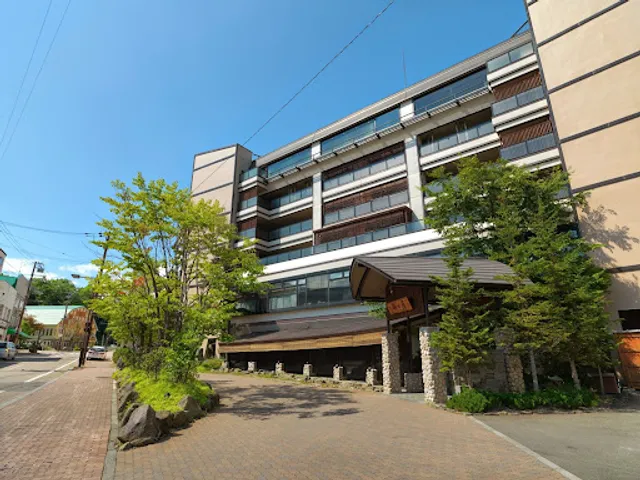
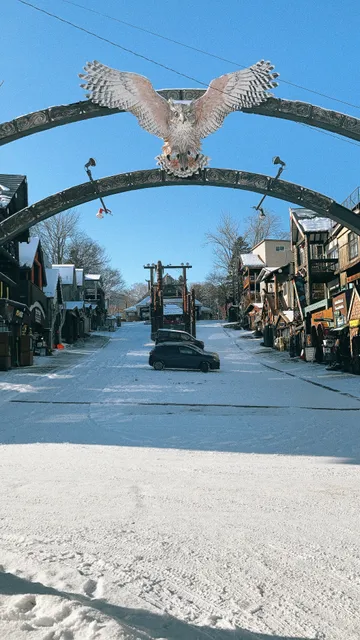
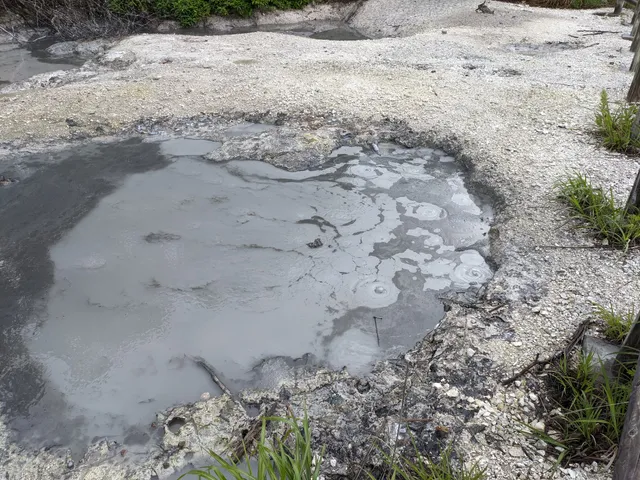
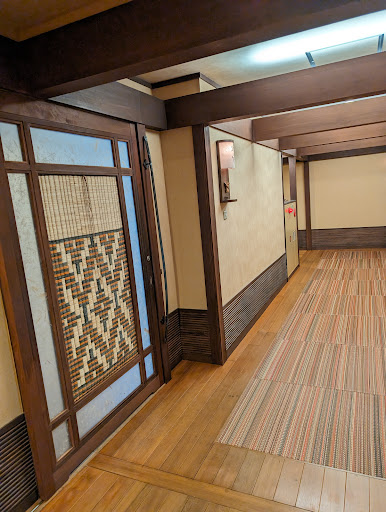
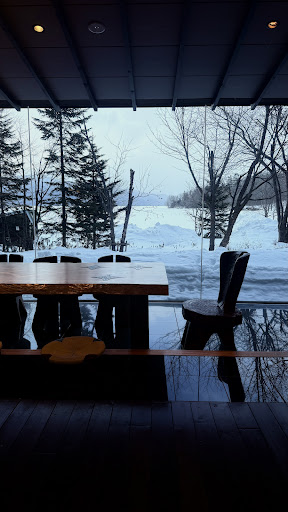
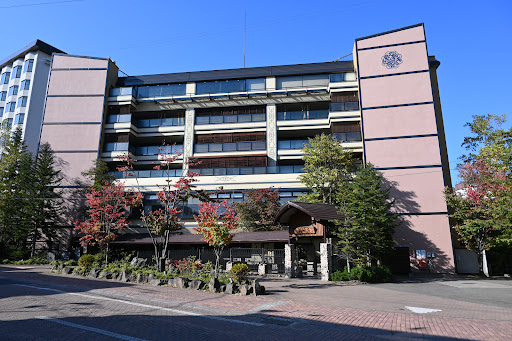
Read moreWe spent two nights at this property earlier this month, as Akanko (i.e. Lake Akan) has a variety of things to do and we wanted to make the most of our time there. The Lake Akan area of Eastern Hokkaido is blessed with some of the country's most incredible natural environments including old-growth forests, a pristine lake, scenic mountains, mud volcanoes and the Marimo, a unique and unusual freshwater green algae that is shaped like a green ball and which can grow to about the size of a volleyball. There is also a cultural element to the area, as Ainu Kotan is one of Hokkaido's largest Ainu (indigenous people) settlements with roughly 130 individuals calling the place home. Aino Kotan has a main strip that has a variety of stores selling Ainu handicrafts as well as restaurants serving traditional Ainu cuisine. There is also a museum and a performing arts center, giving visitors the opportunity to enjoy a variety of Ainu performing arts. You can also reserve a private guided tour with an Ainu descendent who you will follow through a pretty forest while he/she explains how the Ainu used to live.||Akan Tsuruga Besso Hinanoza (that's its full name) is a luxury ryokan established in 2004 by the Tsuruga Group, and is just steps away from the lake shore. It's ideally situated - almost everything we wanted to experience (Ainu Village, Lake cruise, hiking, shopping) is within short walking distance from the ryokan. That said, the entire town is clustered in a small area along the South shore of the lake, so wherever you stay, it's going to be convenient. The property is in a nondescript 7-story building, although it's in pretty good shape from the outside (which is not the case with many older ryokans of this type.) Inside, in the common areas there are a variety of wood carvings that are on display; the indigenous Ainu are renowned for their woodworking skills, the displays are a wonderful tribute to the local Ainu artisans.||Of the 25 rooms at Hinanoza, 4 of them are Tokubetsu-shitsu ("Special") units that are 110m² in size, and are denoted as Ama no Za Suite. Our Tokubetsu-shitsu was on the 6th floor (the highest floor among guest rooms), and was named the Hina no Za (#601.) As is the case with most suites at top ryokans, it featured a living room, a tatami room and a separate bedroom. The decor and furnishings were Japanese-contemporary and of high quality - the hard product was fantastic overall. The Onsen bath is located on the deck, and is free-flowing and not recirculated... perfect. As was the case with Sanyoan, our Special room had two toilets in different areas of the Suite, although - curiously - featured only one sink. Mrs. KI-NRT would take that trade-off any day of the week. Hinanoza does have the obligatory Daiyokujo (gender-segregated communal Onsen bath), but given that every room here has en-suite Onsen, the vast majority of guests will never leave the comforts of their room. It was empty every time we took a peak in the Daiyokujo.||All meals are served in private dining rooms for each group of guests, although on one occasion they could not accommodate our dinner time preference, which was a bummer. On the bright side, the kaiseki cuisine was terrific. The kitchen did a wonderful job bringing out the goodness of the locally source ingredients, including Okra, Butterbur, Mountain Yam, Corn (very sweet!), Squash and Bamboo Shoots, as well as Salmon, Trout, Whelk and Sea Urchin on the seafood side. Hokkaido beef is better known for its quantity rather than quality, but the charcoal-grilled Kuroge Wagyu that they served was almost at the level of more renowned beef varieties such as Hida and Matsusaka. Breakfast was equally inspiring. Rather than the typical stuff - miso soup, some fish, rice, pickled vegetables and tofu - they went out of their way to serve them in a creative way, again focusing on Hokkaido-sourced ingredients. One of the highlights on both mornings was the Ikura (salmon roe.) We're not strangers to Ikura, but the ones they serve at Hinanoza are never frozen and have no preservatives. We had no idea that Ikura could be so plump, firm and delightful. I usually try to lay off heavy carbs, but I made an exception here and had two helpings of rice with heaps of Ikura on top. It was sublime.||Service was fine, but not exactly a highlight. I'm guessing it has to do with the ryokan not being family owned; compared to top ryokans, the approach was formulaic and a bit less personalized. They tended to our every needs (which were very few), but the staff didn't seem to wear pride and the Omotenashi ethos on their sleeves. No matter - everything worked like clockwork, our (rather infrequent) needs were dealt with efficiently and there were no service failures to speak of.||We really dug Lake Akan, and Hinanoza did nothing but to add luster to the experiences that...
Read moreWhile I had a relaxing stay here on Lake Akan, I unfortunately did experience some things that made the stay more mixed in the end.
First of all, the room and onsen amenities were great. There was a ton of space in our room, it was all neat and quite comfortable. The private onsen was very nice, and had a great view of the lake. My one criticism is the room did feel a bit stuffy with a lack of windows and ventilation. The public onsen was a surprising highlight. There wasn't many people using the facilities, and there was plenty of space to relax and enjoy the onsen. The wild milk bottles were a great amenity that I enjoyed after the public onsen.
This leads into my criticisms, the milk bottle essentially outshined the keiseki meal experience for me, which I found to be subpar. I have stayed in one other ryokan in Japan besides this one, and I found that to be amazing and really added to the relaxing overall experience. Unfortunately, that was not the case here, especially considering the price tag for that ryokan was cheaper by a significant amount. For the amount of money to stay at this ryokan, I expected an amazing dinner and breakfast. The food was overall mediocre, some minor highlights but not that great. Even compared to normal meals that we had just in cities and everywhere we visited in Japan. I wasn't that impressed, the dessert to me was much stronger than the courses. Similar problem with the breakfast.
What really tipped it over the edge for me as being a negative experience during the meals was the server. I know they must have rigorous training, and it must be difficult, but I expect better for such an expensive luxury. There was an overall awkwardness that my server at my other ryokan experience did not have. From that other experience, he went above and beyond, taking time to explain every food item, announcing his presence, being delicate, methodical, etc. I don't normally care about these things, and it feels nitpicky, but I think in an experience like this it's expected. The woman who served us felt like she kept essentially barging in, not really announcing herself and would leave very awkwardly. It's hard to explain, but even the way she placed our food felt awkward, it just didn't feel elegant like I'd expect. The biggest issue was that I ordered several beers, while pointing at the Japanese on the menu (in case she didn't understand me). Every time she had no hesitation and acted as if she understood, only to give me the wrong beer both times. I ordered the same beer twice, and got two completely different beers. To be clear, this woman was not japanese. I have spent a month total in japan, I am used to not being able to fully communicate with servers and Japanese staff, it's never been a problem before. If she didn't understand, or can't read Japanese, she should've made this clear instead of just giving me whatever she felt like. This felt so inconsiderate in what I'd expect to be a fancy environment where everything is taken care of for what I am paying. The light/ambience in our room for dinner was just off, way too bright and not relaxing at all.
Comparing this to the other ryokan I have stayed in the Hakone area, I can't say I will come here again. I think there are a lot of small things specifically with the keiseki meal that they are not up to par on, and they are more expensive. Luckily, the onsen experience was great and made it still relaxing even if everything wasn't...
Read more