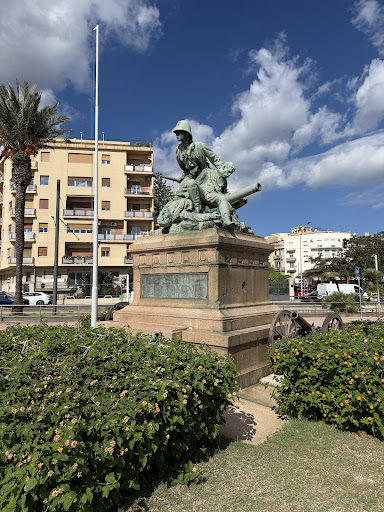
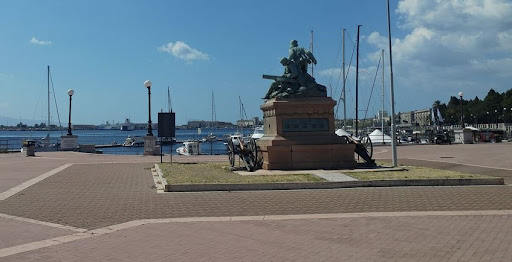
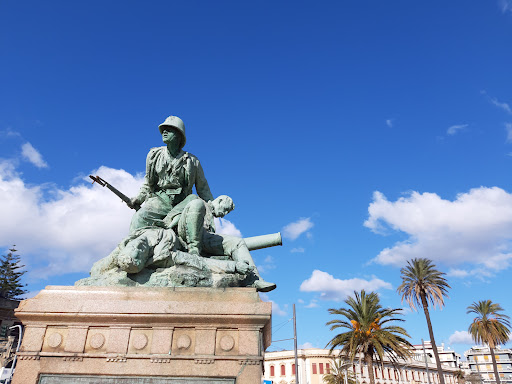
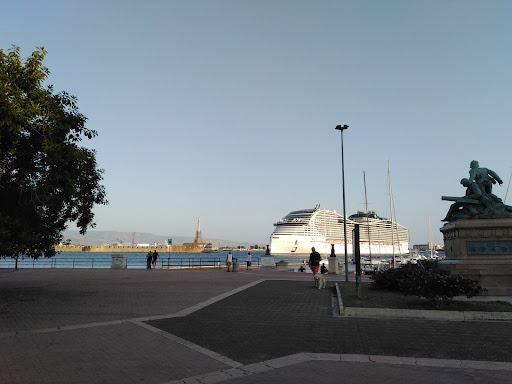
Monumento alla Batteria Masotto things to do, attractions, restaurants, events info and trip planning
Basic Info
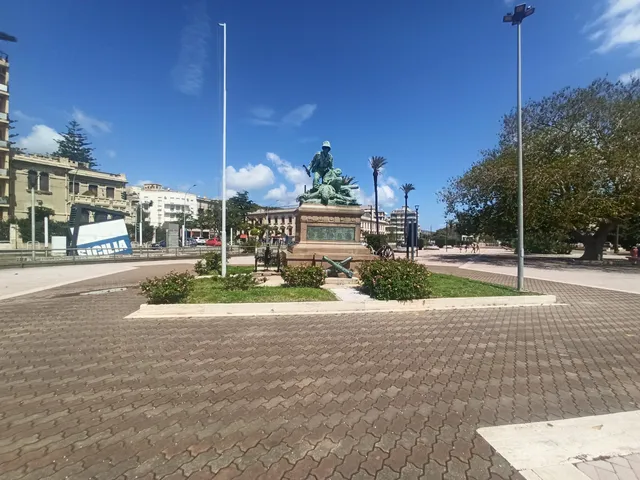
Monumento alla Batteria Masotto
Piazzale Batteria Masotto, 98121/38°12'02. 15°33'32.4"E, 98121 Messina ME, Italy
4.6(18)
Open until 12:00 AM
Save
spot
spot
Ratings & Description
Info
Cultural
Scenic
Outdoor
attractions: Passeggiata a Mare Messina, Villa Mazzini, Porta Grazia, Forte del Santissimo Salvatore, Tempio di Cristo Re, Astronomical Clock of the Cathedral of Messina, Palazzo del Monte di Pietà, Galleria Vittorio Emanuele III, restaurants: La Tradizione Doddis, Ristorante Marina del Nettuno Yachting club Messina, L’Angolo Burger Pizza, Shayan, Salumeria Piero Il Salumaio Doddis, Astone Felice, Sale & Pepe ll di DI Bella Giuseppe (UNICA SEDE)!!!, L'Orso, Bar Spadaro, New World Sushi Bar, local businesses: Fontana di Nettuno, Lombardo 1830, Halal Kebab & Pizza...caffe. Servizio a domicilio, Pasticceria Stello Dell'acqua
 Learn more insights from Wanderboat AI.
Open hoursSee all hours
ThuOpen 24 hoursOpen
Plan your stay

Pet-friendly Hotels in Messina
Find a cozy hotel nearby and make it a full experience.

Affordable Hotels in Messina
Find a cozy hotel nearby and make it a full experience.

The Coolest Hotels You Haven't Heard Of (Yet)
Find a cozy hotel nearby and make it a full experience.

Trending Stays Worth the Hype in Messina
Find a cozy hotel nearby and make it a full experience.
Reviews
Live events
Candlelight: Tributo ai Queen
Sun, Feb 15 • 7:30 PM
Via Francesco Cananzi, Reggio di Calabria, 89123
View details
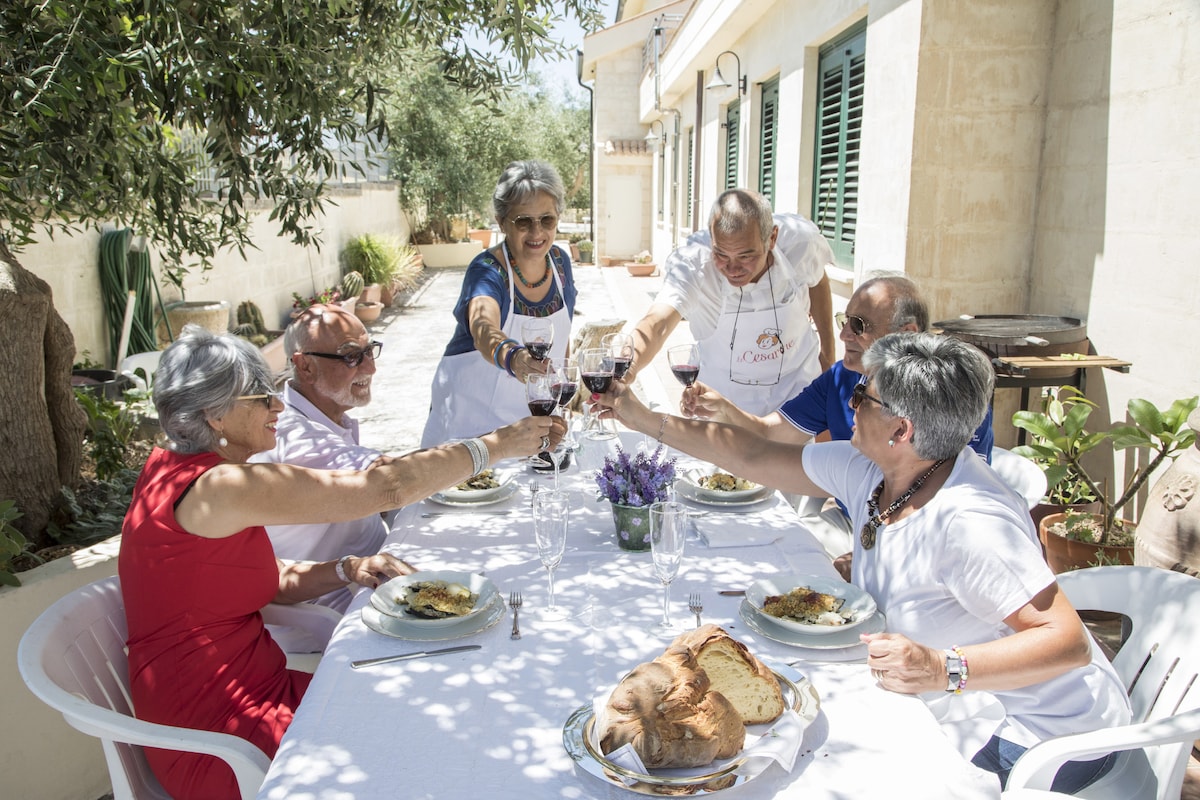
Make traditional pasta and Tiramisu in Messina
Thu, Feb 12 • 5:00 PM
98123, Messina, Sicily, Italy
View details
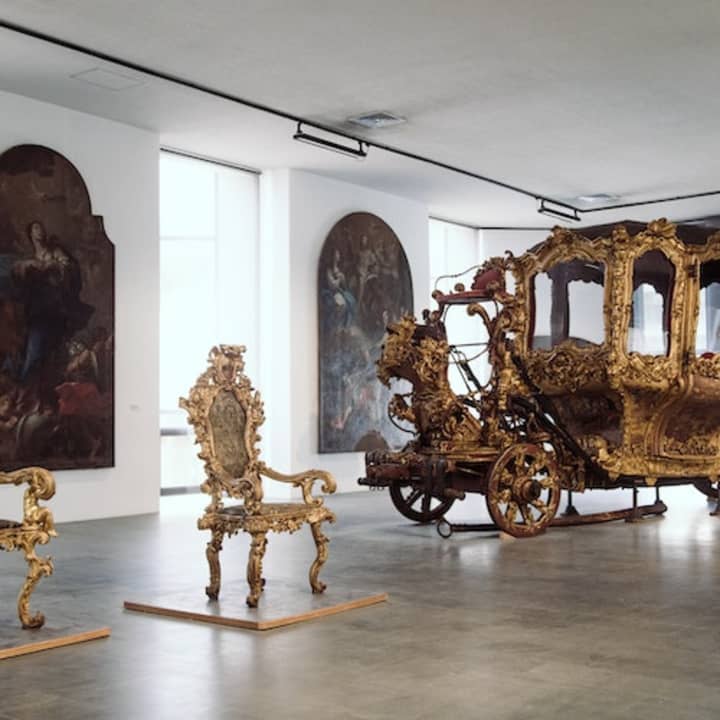
Museo Interdisciplinare Regionale di Messina: Biglietto dingresso
Thu, Feb 12 • 9:30 AM
Viale della Libertà, 465, Messina, 98121
View details
Nearby attractions of Monumento alla Batteria Masotto
Passeggiata a Mare Messina
Villa Mazzini
Porta Grazia
Forte del Santissimo Salvatore
Tempio di Cristo Re
Astronomical Clock of the Cathedral of Messina
Palazzo del Monte di Pietà
Galleria Vittorio Emanuele III
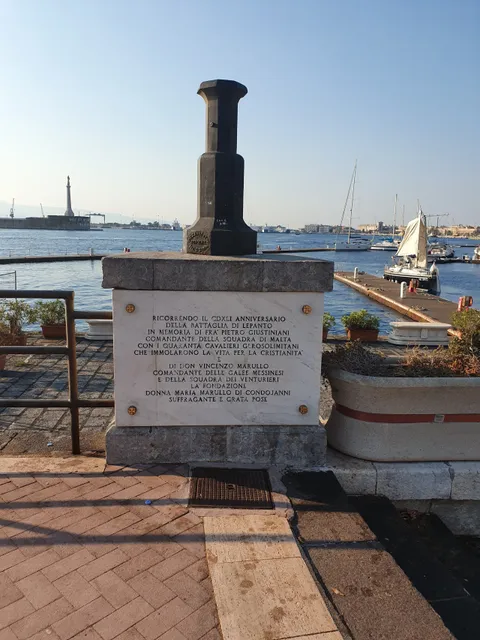
Passeggiata a Mare Messina
4.2
(754)
Open until 12:00 AM
Click for details
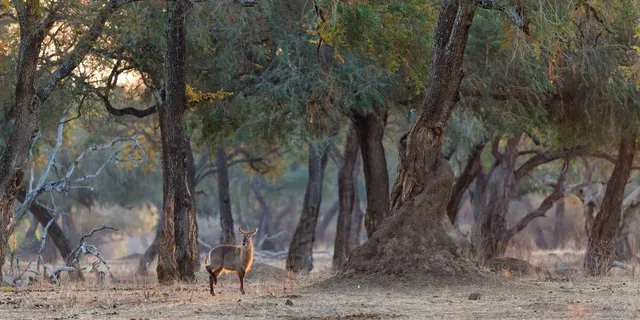
Villa Mazzini
3.4
(609)
Open until 9:00 PM
Click for details
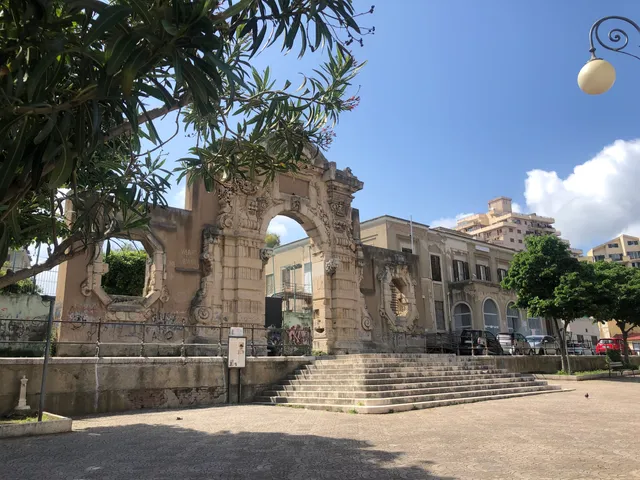
Porta Grazia
4.2
(120)
Open until 12:00 AM
Click for details
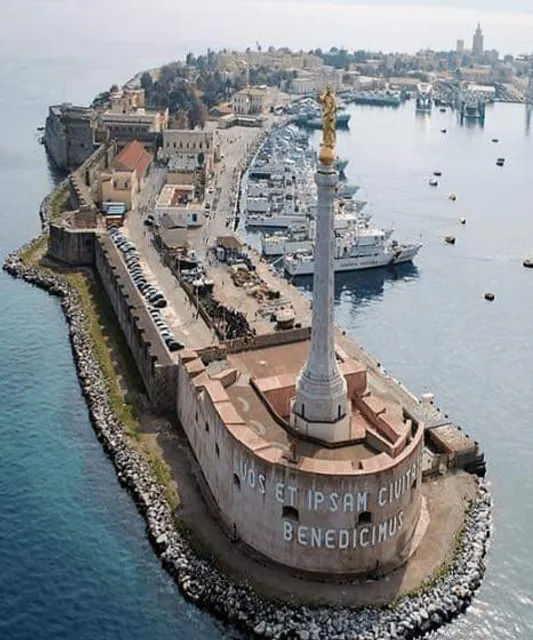
Forte del Santissimo Salvatore
4.6
(40)
Open 24 hours
Click for details
Nearby restaurants of Monumento alla Batteria Masotto
La Tradizione Doddis
Ristorante Marina del Nettuno Yachting club Messina
L’Angolo Burger Pizza
Shayan
Salumeria Piero Il Salumaio Doddis
Astone Felice
Sale & Pepe ll di DI Bella Giuseppe (UNICA SEDE)!!!
L'Orso
Bar Spadaro
New World Sushi Bar
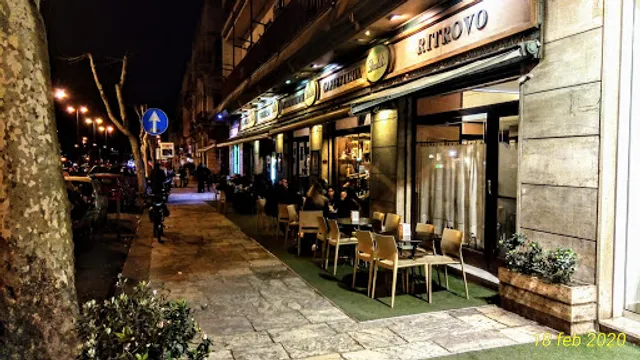
La Tradizione Doddis
4.0
(927)
$$
Open until 11:00 PM
Click for details
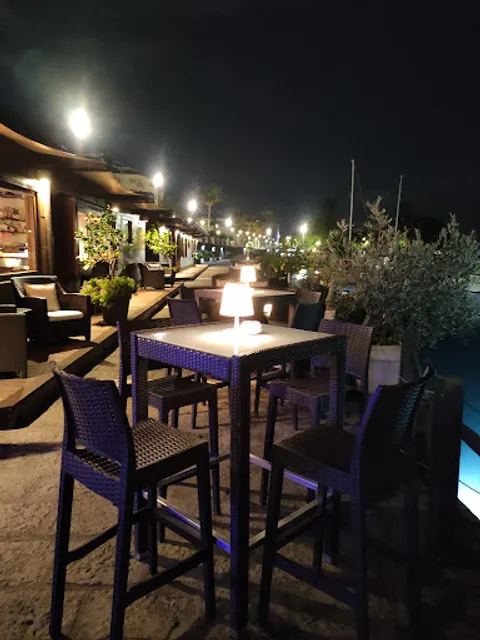
Ristorante Marina del Nettuno Yachting club Messina
4.4
(222)
$$$
Closed
Click for details

L’Angolo Burger Pizza
3.9
(79)
Closed
Click for details
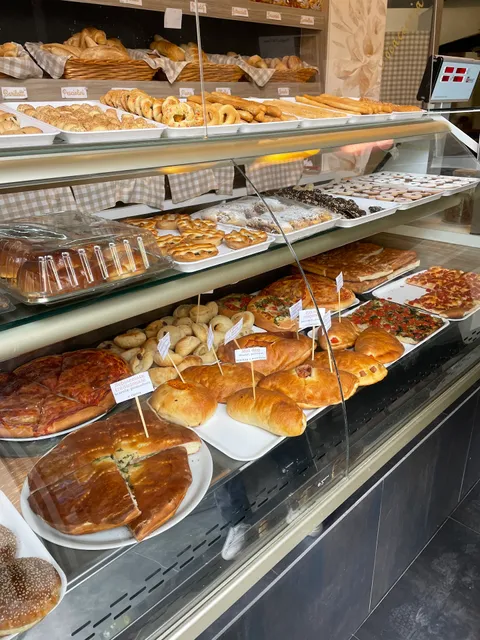
Shayan
4.9
(32)
Open until 2:00 PM
Click for details
Nearby local services of Monumento alla Batteria Masotto
Fontana di Nettuno
Lombardo 1830
Halal Kebab & Pizza...caffe. Servizio a domicilio
Pasticceria Stello Dell'acqua
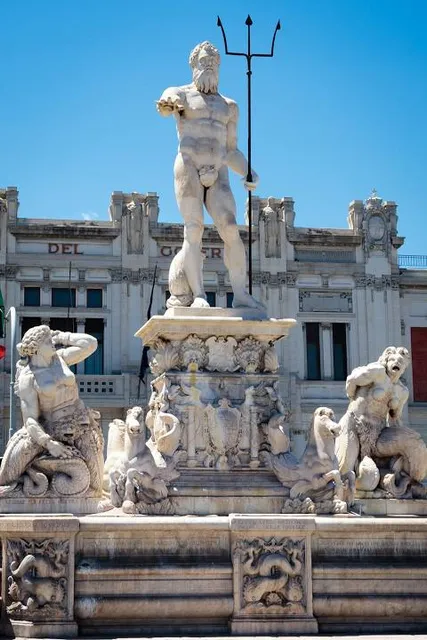
Fontana di Nettuno
4.5
(605)
Click for details
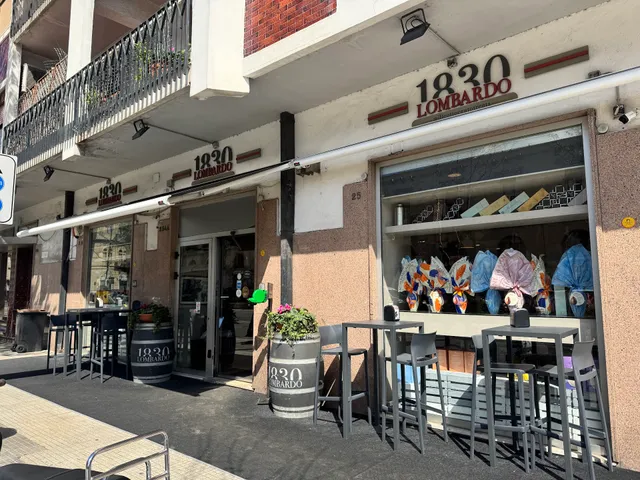
Lombardo 1830
4.4
(211)
Click for details
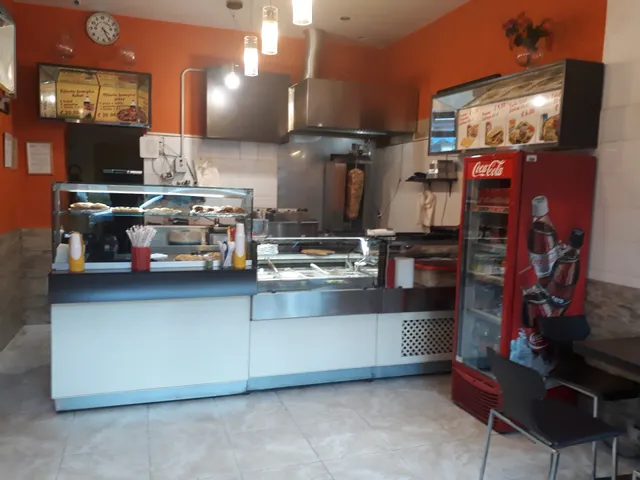
Halal Kebab & Pizza...caffe. Servizio a domicilio
3.7
(106)
Click for details
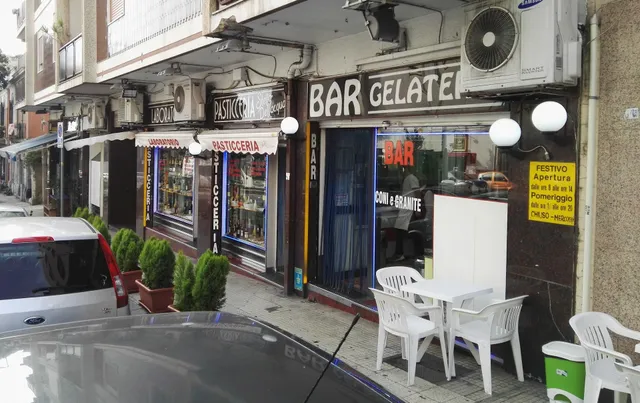
Pasticceria Stello Dell'acqua
4.2
(96)
Click for details