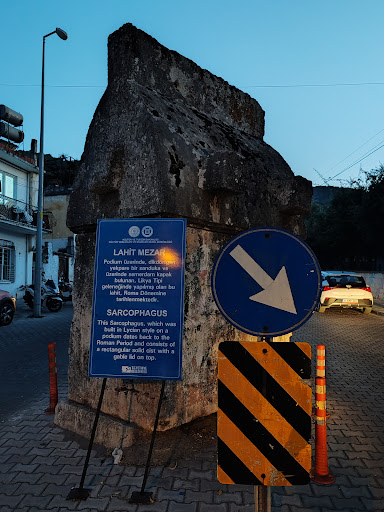
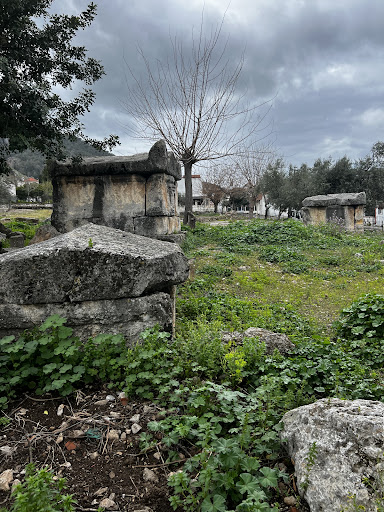
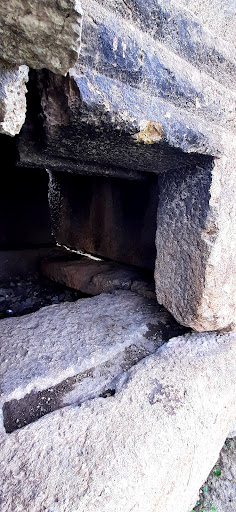
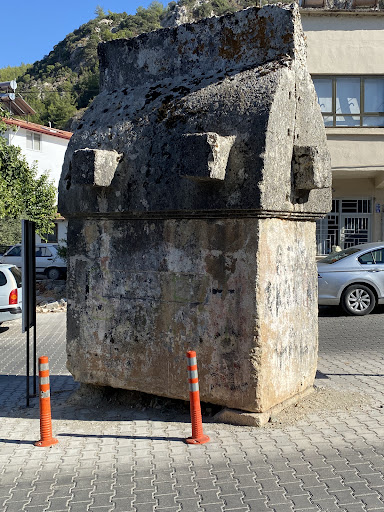
Ancient Tomb things to do, attractions, restaurants, events info and trip planning
Basic Info
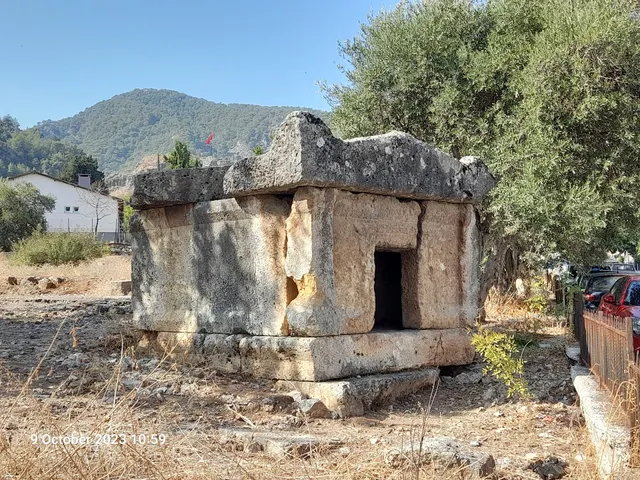
Ancient Tomb
Kesikkapı, 71. Sk. No:35, 48300 Fethiye/Muğla, Türkiye
4.3(61)
Open until 12:00 AM
Save
spot
spot
Ratings & Description
Info
Cultural
Scenic
Off the beaten path
attractions: Amyntas Rock Tombs, Ancient City of Telmessos, Uğur Mumcu Parkı, Castle, Rock Tombs, Castle of Fethiye, Likya Anıt Mezar, The ancient Lycian Mezarı2, restaurants: Köşe Kahve fethiye, Köfteci Yusuf, Mantı & yağlama salonu, kings garden restaurant, NOMADES Cafe & Restaurant, Ossy Baklava & Lokum(Turkish Delight-Рахат-лукум), Kebapçı Ökkeş Fethiye, Fethiye Balıkçılar Hal ve pazar yeri, Hani Baba (Fethiye) Köftecisi, Ailem Kafe Restaurant, local businesses: Fethiye Fish Market - Balık Pazarı, Market Area, Tüfekçioğlu Sport Fishing, Kadyanda (Cadianda), Rise Restaurant, Seydi Usta - Fethiye'nin kebapçısı, ÇETİN BALIKÇILIK, Servet Şekerleme Fabrika Satış Mağazası, Рынок фетхие, Servet Şekerleme Cadde Mağaza
 Learn more insights from Wanderboat AI.
Open hoursSee all hours
ThuOpen 24 hoursOpen
Plan your stay

Pet-friendly Hotels in Fethiye
Find a cozy hotel nearby and make it a full experience.

Affordable Hotels in Fethiye
Find a cozy hotel nearby and make it a full experience.

The Coolest Hotels You Haven't Heard Of (Yet)
Find a cozy hotel nearby and make it a full experience.

Trending Stays Worth the Hype in Fethiye
Find a cozy hotel nearby and make it a full experience.
Reviews
Live events
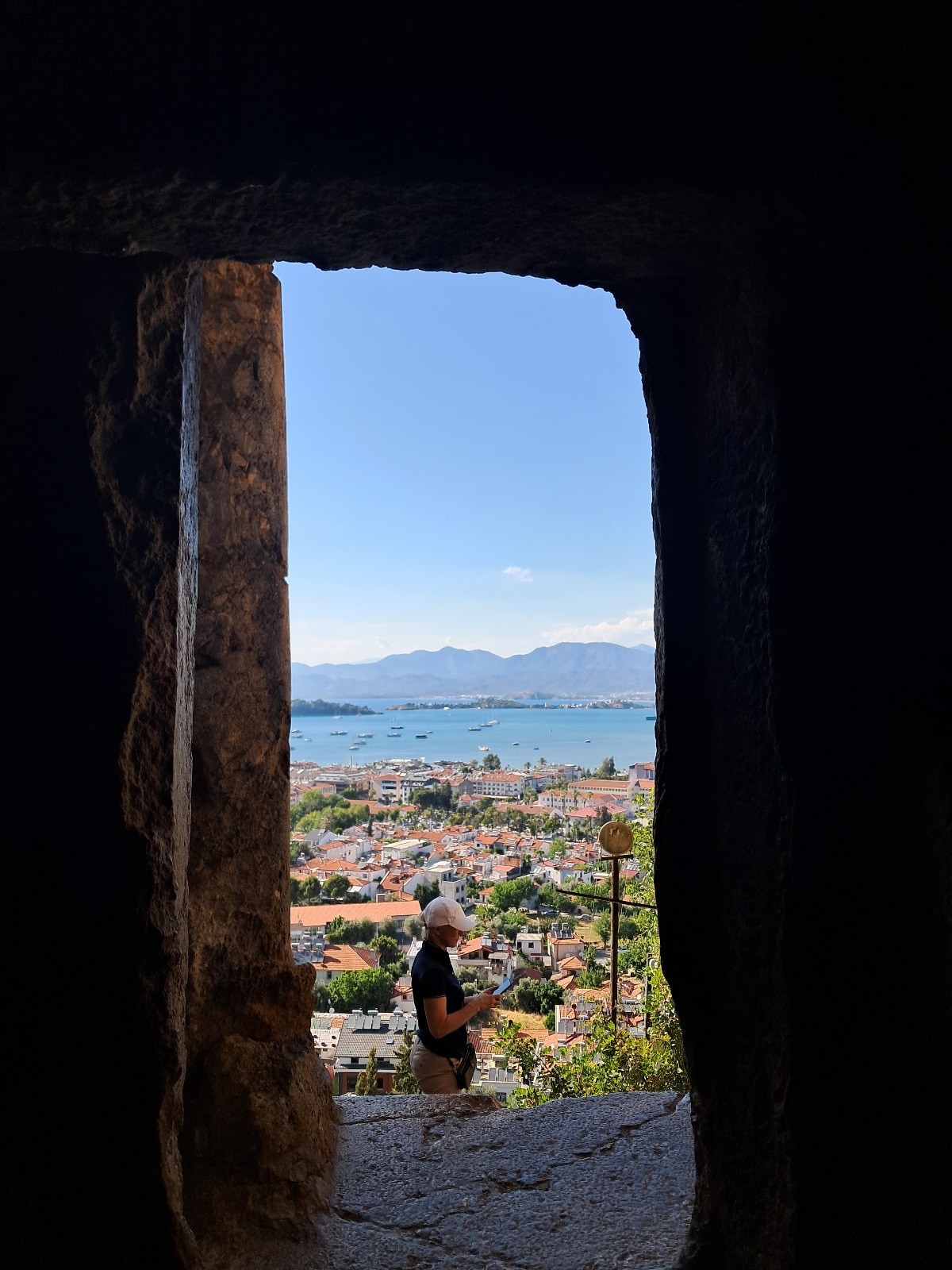
Fethiye Highlights Day Tour
Fri, Feb 13 • 10:00 AM
48303, Fethiye, Muğla, Turkey
View details
Nearby attractions of Ancient Tomb
Amyntas Rock Tombs
Ancient City of Telmessos
Uğur Mumcu Parkı
Castle, Rock Tombs
Castle of Fethiye
Likya Anıt Mezar
The ancient Lycian Mezarı2
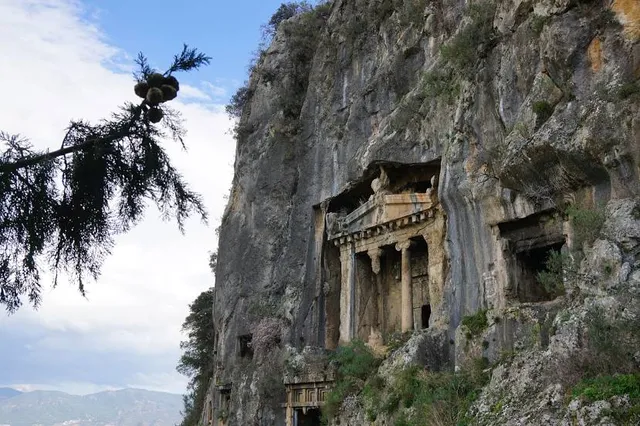
Amyntas Rock Tombs
4.5
(3.2K)
Closed
Click for details
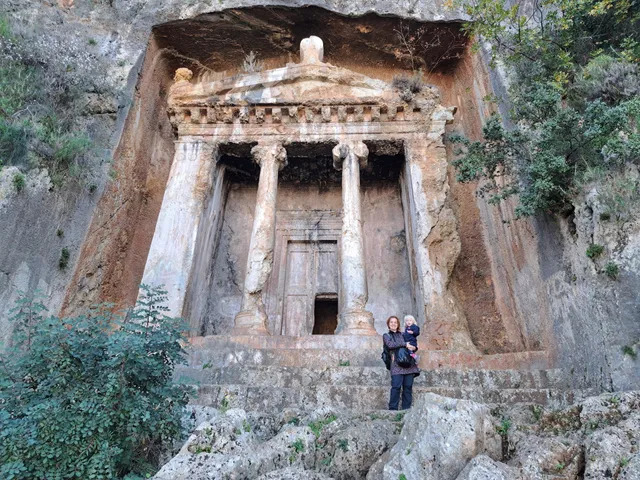
Ancient City of Telmessos
4.5
(479)
Closed
Click for details
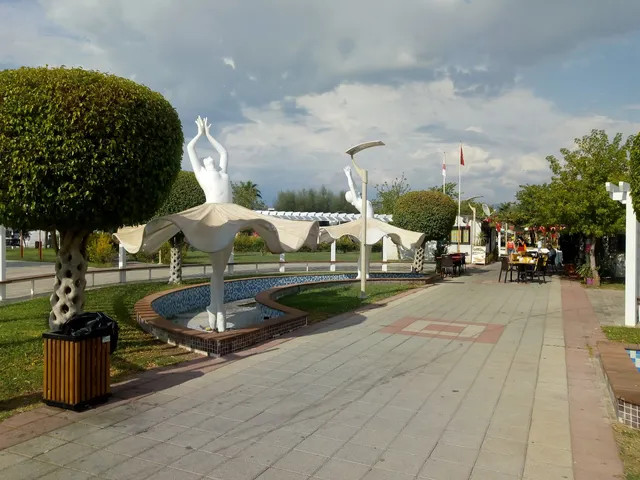
Uğur Mumcu Parkı
4.4
(621)
Open until 12:00 AM
Click for details
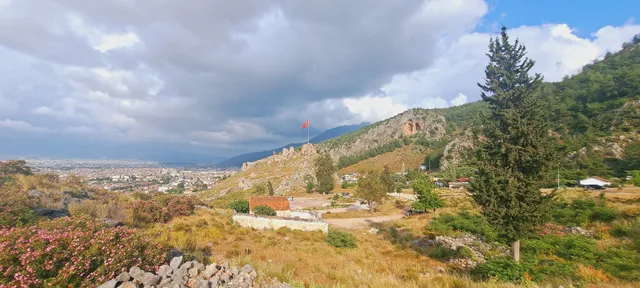
Castle, Rock Tombs
4.4
(60)
Open 24 hours
Click for details
Nearby restaurants of Ancient Tomb
Köşe Kahve fethiye
Köfteci Yusuf
Mantı & yağlama salonu
kings garden restaurant
NOMADES Cafe & Restaurant
Ossy Baklava & Lokum(Turkish Delight-Рахат-лукум)
Kebapçı Ökkeş Fethiye
Fethiye Balıkçılar Hal ve pazar yeri
Hani Baba (Fethiye) Köftecisi
Ailem Kafe Restaurant
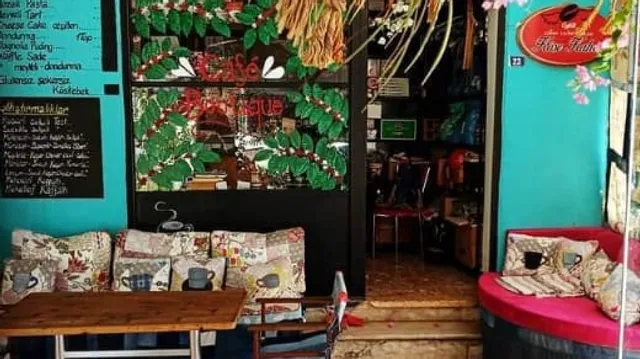
Köşe Kahve fethiye
4.8
(613)
Closed
Click for details
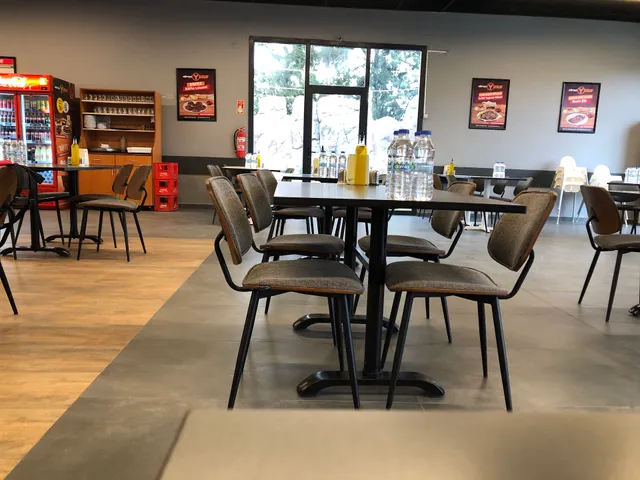
Köfteci Yusuf
3.7
(1.6K)
Closed
Click for details
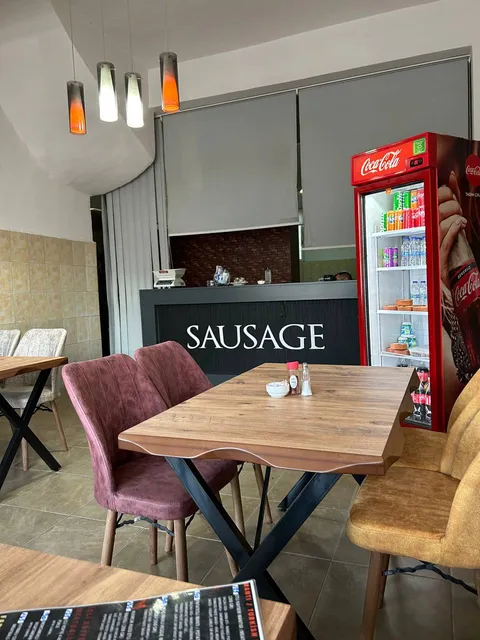
Mantı & yağlama salonu
4.8
(108)
Closed
Click for details
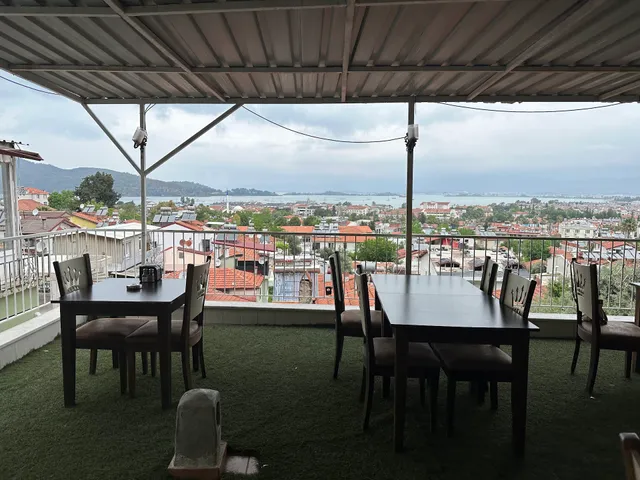
kings garden restaurant
4.3
(150)
$$
Closed
Click for details
Nearby local services of Ancient Tomb
Fethiye Fish Market - Balık Pazarı
Market Area
Tüfekçioğlu Sport Fishing
Kadyanda (Cadianda)
Rise Restaurant
Seydi Usta - Fethiye'nin kebapçısı
ÇETİN BALIKÇILIK
Servet Şekerleme Fabrika Satış Mağazası
Рынок фетхие
Servet Şekerleme Cadde Mağaza
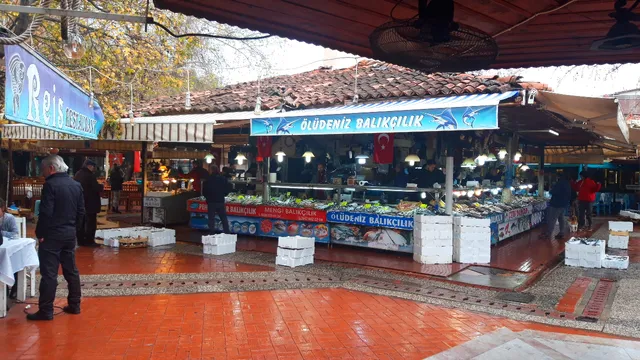
Fethiye Fish Market - Balık Pazarı
4.2
(1.3K)
Click for details
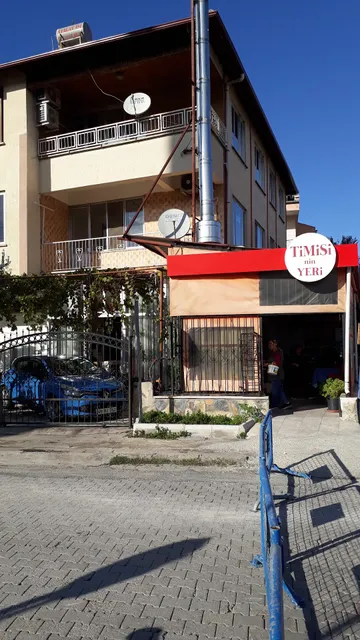
Market Area
4.2
(702)
Click for details
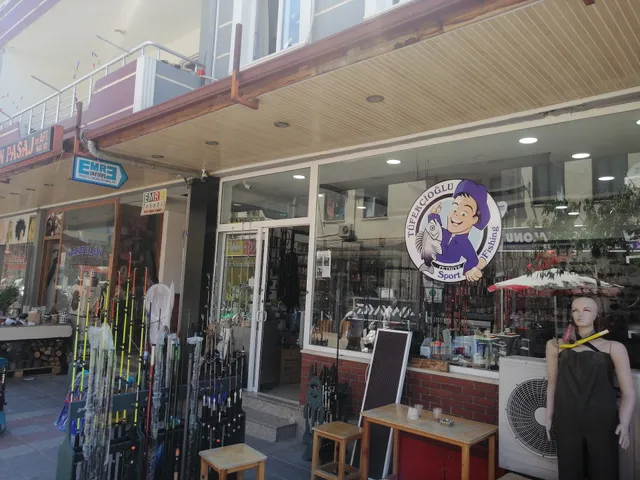
Tüfekçioğlu Sport Fishing
4.8
(121)
Click for details

Kadyanda (Cadianda)
4.3
(10)
Click for details