English Heritage things to do, attractions, restaurants, events info and trip planning

Basic Info
English Heritage
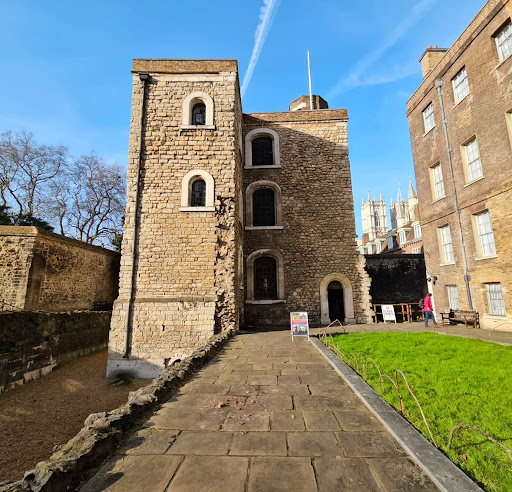
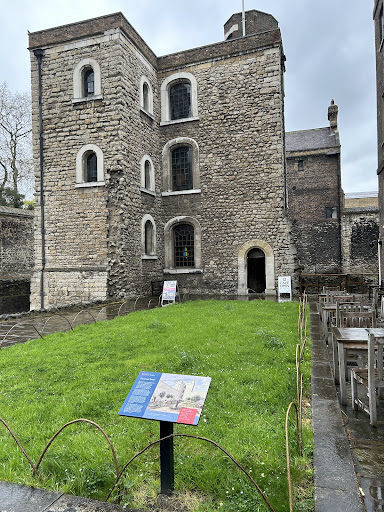
The Jewel Tower, Old Palace Yard, London SW1P 3JY, United Kingdom
4.2(10)
Closed
Save
spot
spot
Ratings & Description
Info
Cultural
Family friendly
Accessibility
attractions: Westminster Abbey, Big Ben, Jewel Tower, Palace of Westminster, Dean's Yard, Victoria Tower Gardens South, College Garden, St Margaret's Church, Central Hall Westminster, Abingdon Street Gardens, restaurants: Cellarium Cafe & Terrace, The Cinnamon Club, St Stephen's Tavern, Westminster Arms, Ma La Sichuan, The Red Lion, Parliament Street, Blue Boar Pub, Wesley's Cafe, The Marquis Of Granby, Old Queen Street Cafe, local businesses: Queen Elizabeth II Centre, Westminster Abbey Shop, St Margaret's Church, VisaHQ - Passport and Visa Services - London, The Cloisters, House of Lords, Embassy of the Republic of Indonesia, Lady Chapel, House of Commons, St Margaret’s Church
 Learn more insights from Wanderboat AI.
Phone
+44 20 7222 2219
Website
english-heritage.org.uk
Open hoursSee all hours
Tue10 AM - 5 PMClosed
Plan your stay

Pet-friendly Hotels in London
Find a cozy hotel nearby and make it a full experience.

Affordable Hotels in London
Find a cozy hotel nearby and make it a full experience.

The Coolest Hotels You Haven't Heard Of (Yet)
Find a cozy hotel nearby and make it a full experience.

Trending Stays Worth the Hype in London
Find a cozy hotel nearby and make it a full experience.
Reviews
Live events
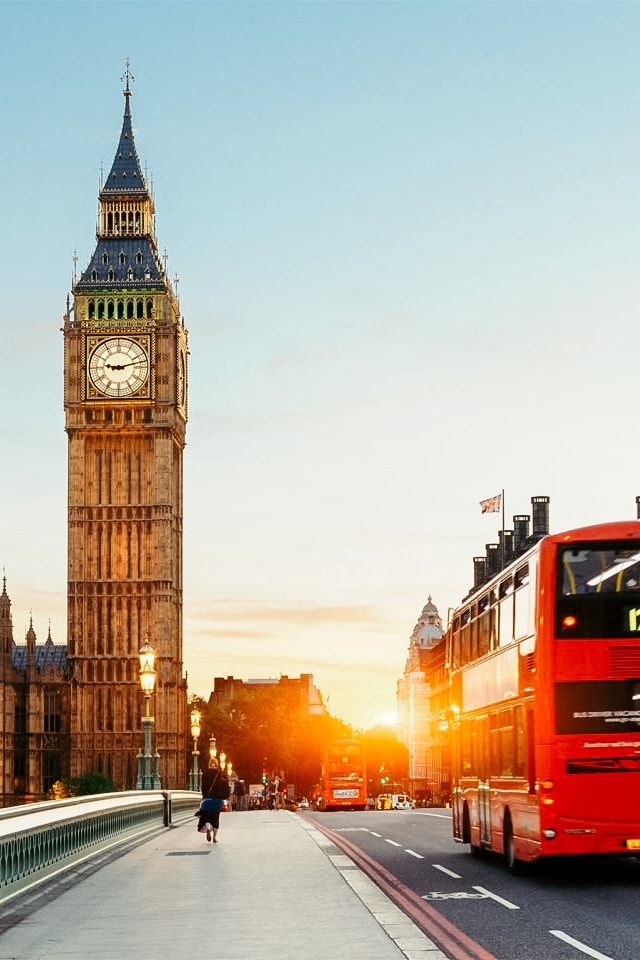
Explore 30+ London sights
Tue, Feb 17 • 3:00 PM
Greater London, W1J 9BR, United Kingdom
View details
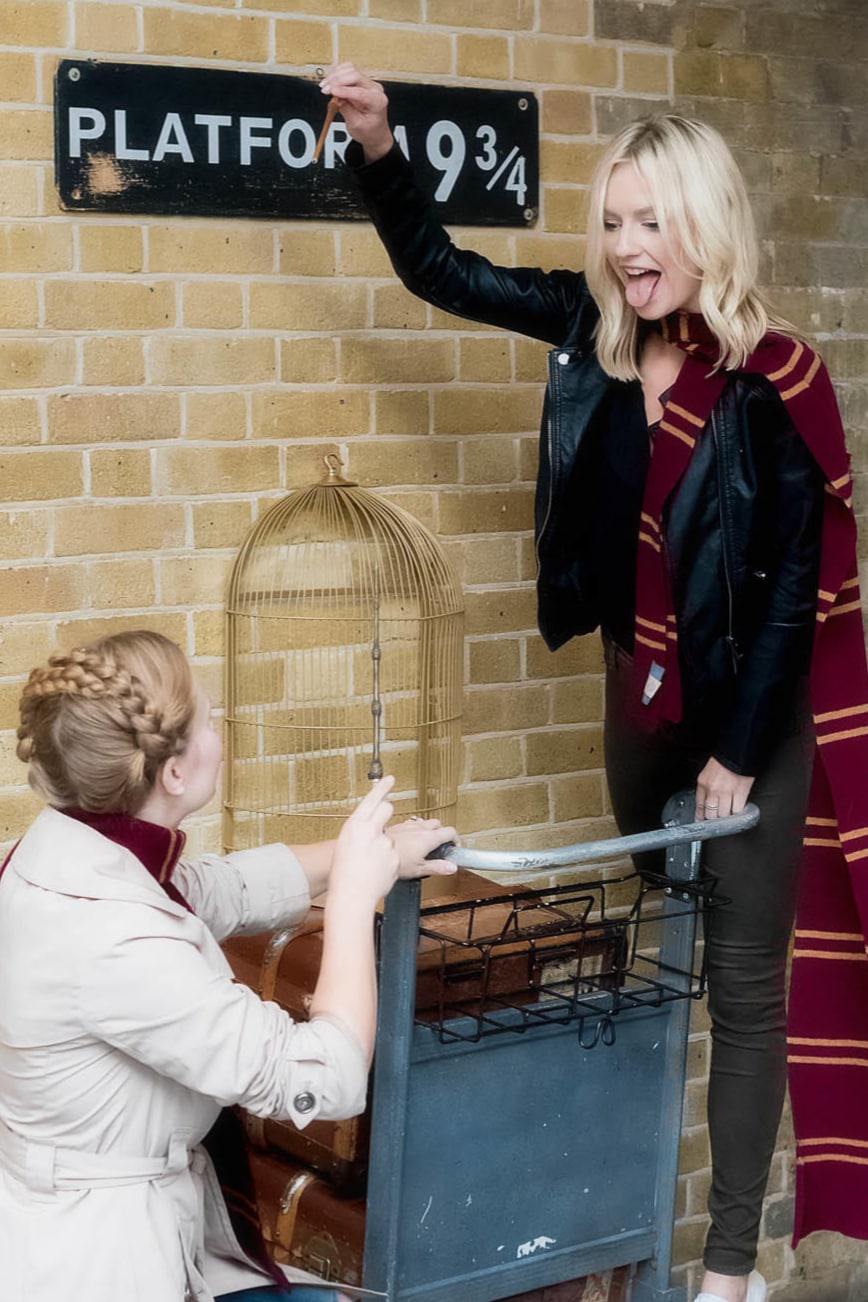
Top-Rated London Harry Potter Tour—Family Friendly
Tue, Feb 17 • 4:00 PM
Greater London, N1 9AP, United Kingdom
View details
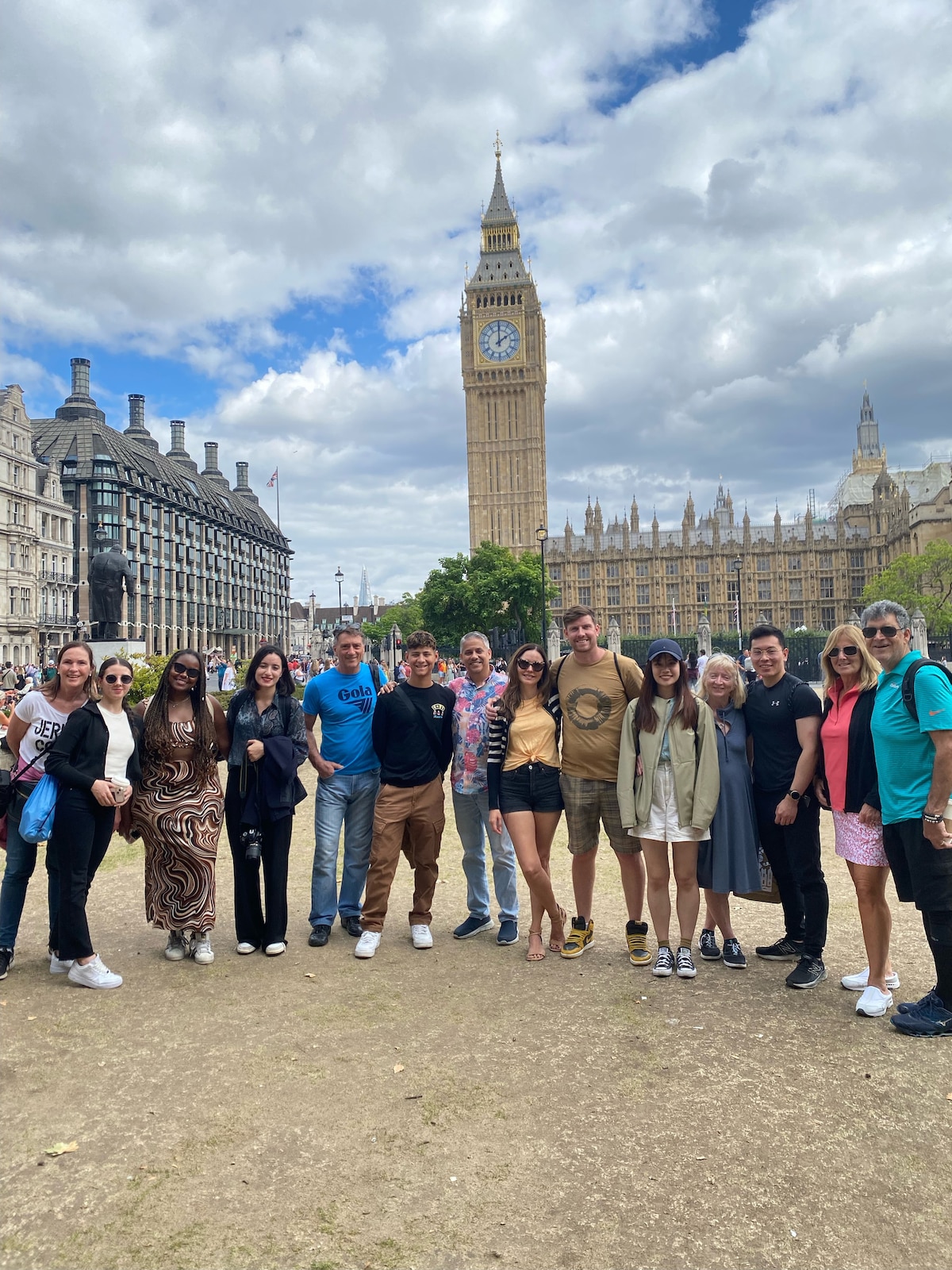
London sightseeing walking tour with 30 sights
Fri, Feb 20 • 10:00 AM
Greater London, SW1E 5EA, United Kingdom
View details
Nearby attractions of English Heritage
Westminster Abbey
Big Ben
Jewel Tower
Palace of Westminster
Dean's Yard
Victoria Tower Gardens South
College Garden
St Margaret's Church
Central Hall Westminster
Abingdon Street Gardens
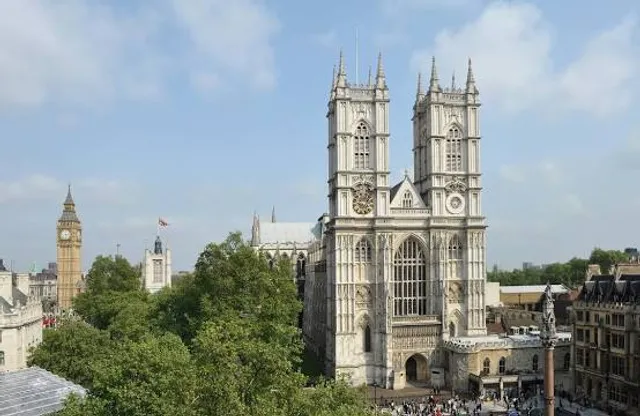
Westminster Abbey
4.6
(18K)
Open 24 hours
Click for details
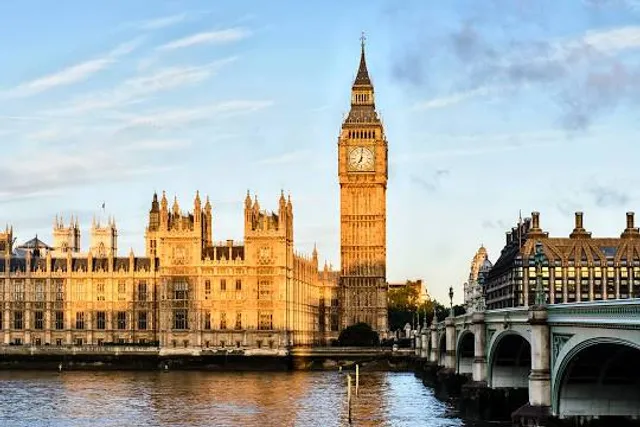
Big Ben
4.6
(30.2K)
Open 24 hours
Click for details
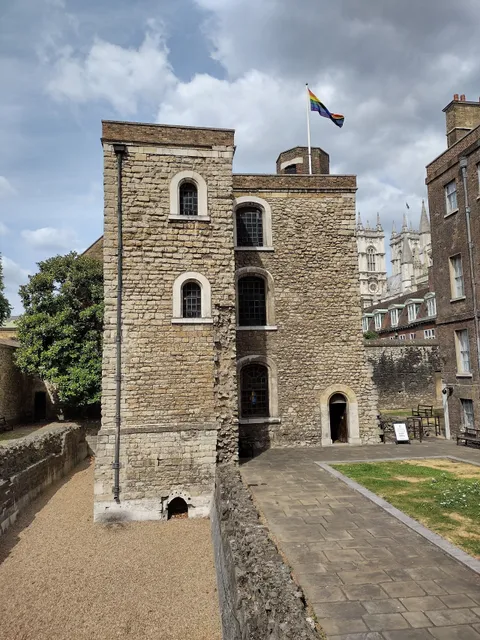
Jewel Tower
4.0
(345)
Open until 12:00 AM
Click for details
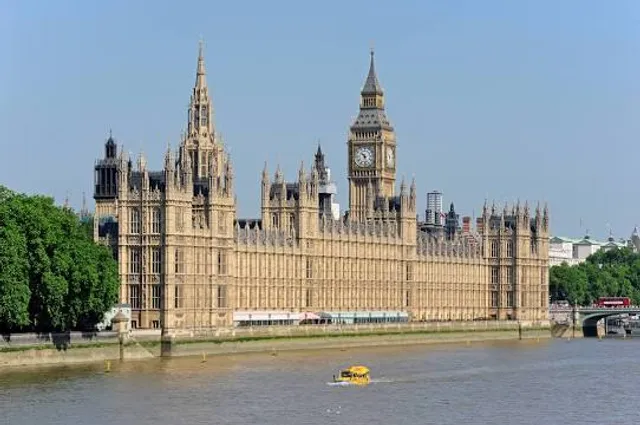
Palace of Westminster
4.6
(2K)
Open 24 hours
Click for details
Nearby restaurants of English Heritage
Cellarium Cafe & Terrace
The Cinnamon Club
St Stephen's Tavern
Westminster Arms
Ma La Sichuan
The Red Lion, Parliament Street
Blue Boar Pub
Wesley's Cafe
The Marquis Of Granby
Old Queen Street Cafe
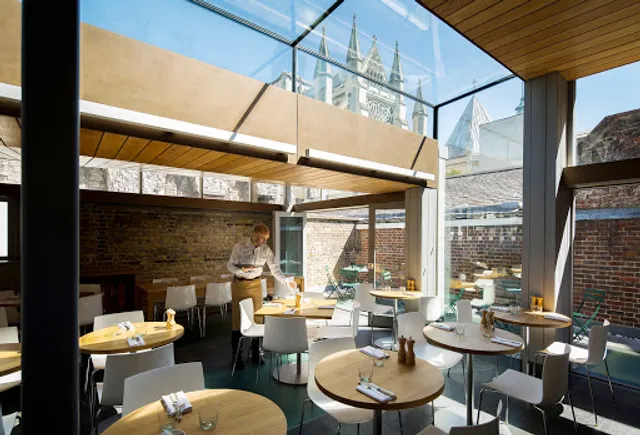
Cellarium Cafe & Terrace
4.0
(553)
Closed
Click for details
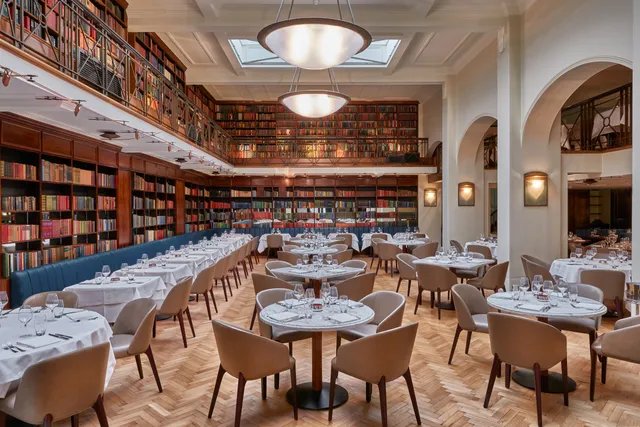
The Cinnamon Club
4.3
(1.2K)
$$$$
Open until 10:00 PM
Click for details
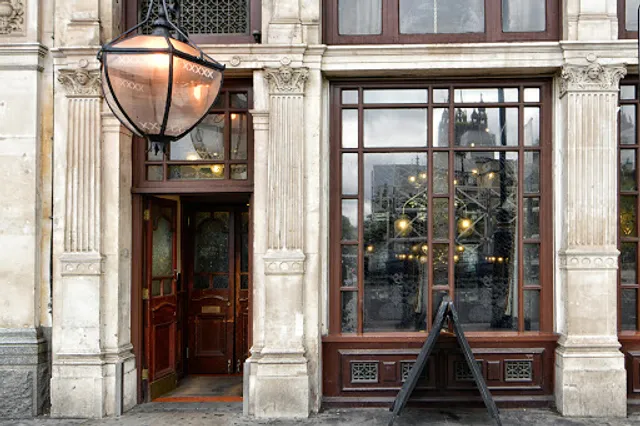
St Stephen's Tavern
4.3
(2.9K)
Open until 10:30 PM
Click for details
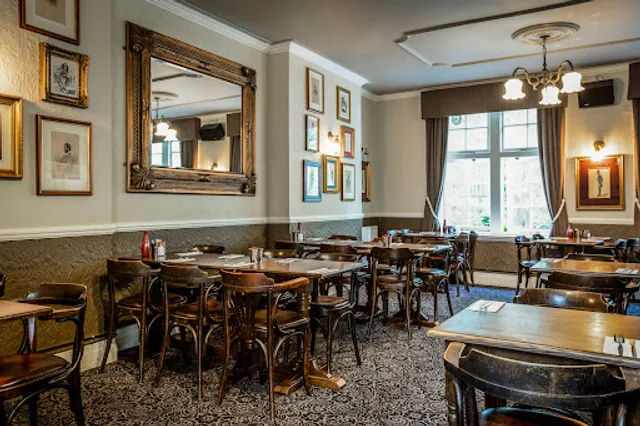
Westminster Arms
4.1
(643)
Open until 11:00 PM
Click for details
Nearby local services of English Heritage
Queen Elizabeth II Centre
Westminster Abbey Shop
St Margaret's Church
VisaHQ - Passport and Visa Services - London
The Cloisters
House of Lords
Embassy of the Republic of Indonesia
Lady Chapel
House of Commons
St Margaret’s Church
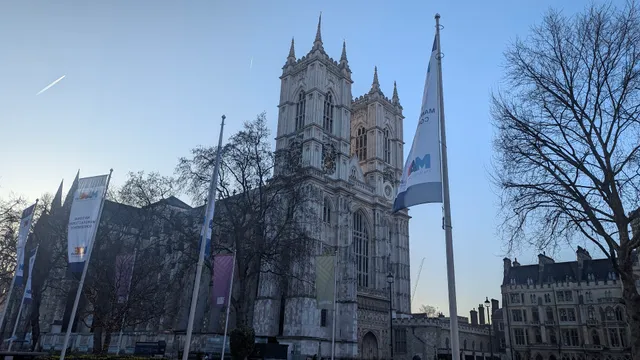
Queen Elizabeth II Centre
4.4
(1.3K)
Click for details

Westminster Abbey Shop
4.4
(196)
Click for details
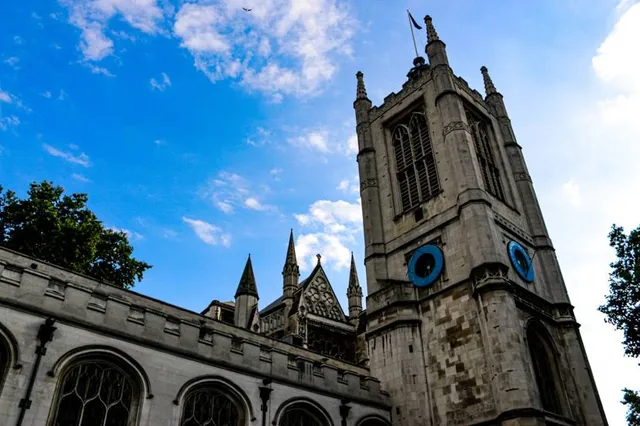
St Margaret's Church
4.5
(154)
Click for details

VisaHQ - Passport and Visa Services - London
4.6
(474)
Click for details


The hit list


Plan your trip with Wanderboat
Welcome to Wanderboat AI, your AI search for local Eats and Fun, designed to help you explore your city and the world with ease.
Powered by Wanderboat AI trip planner.