Harvard Medical School things to do, attractions, restaurants, events info and trip planning
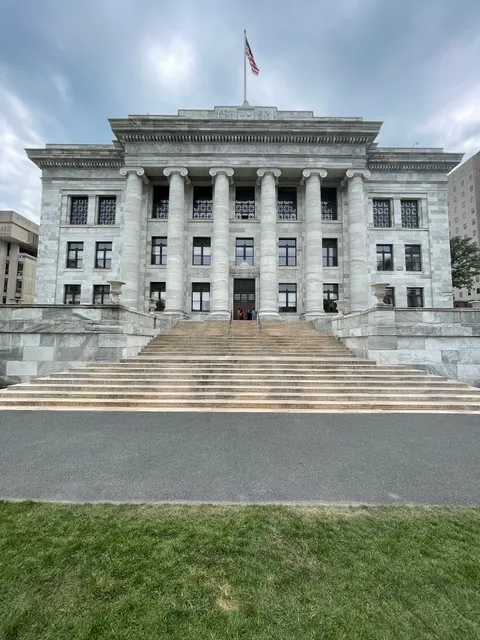
Basic Info
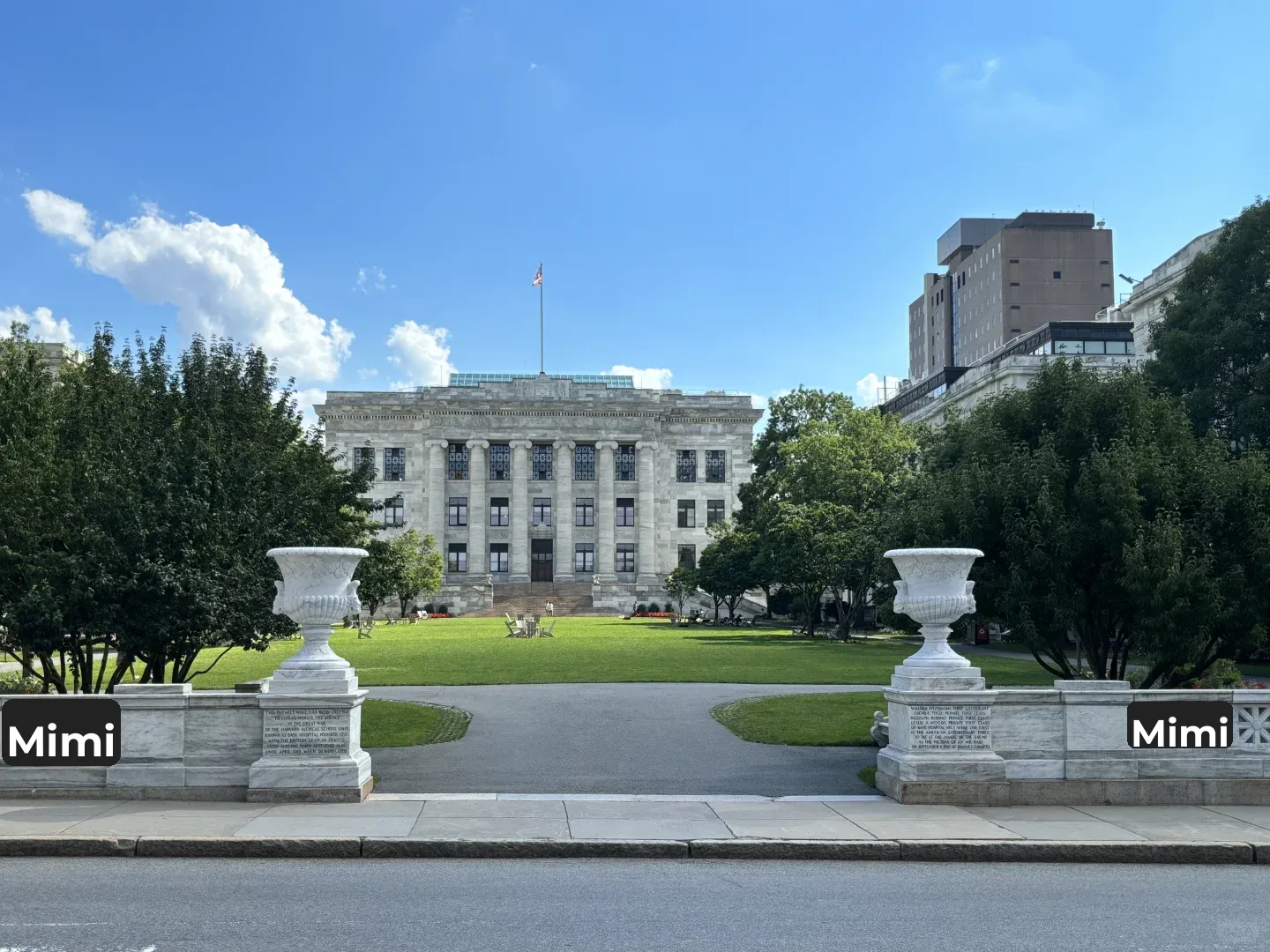
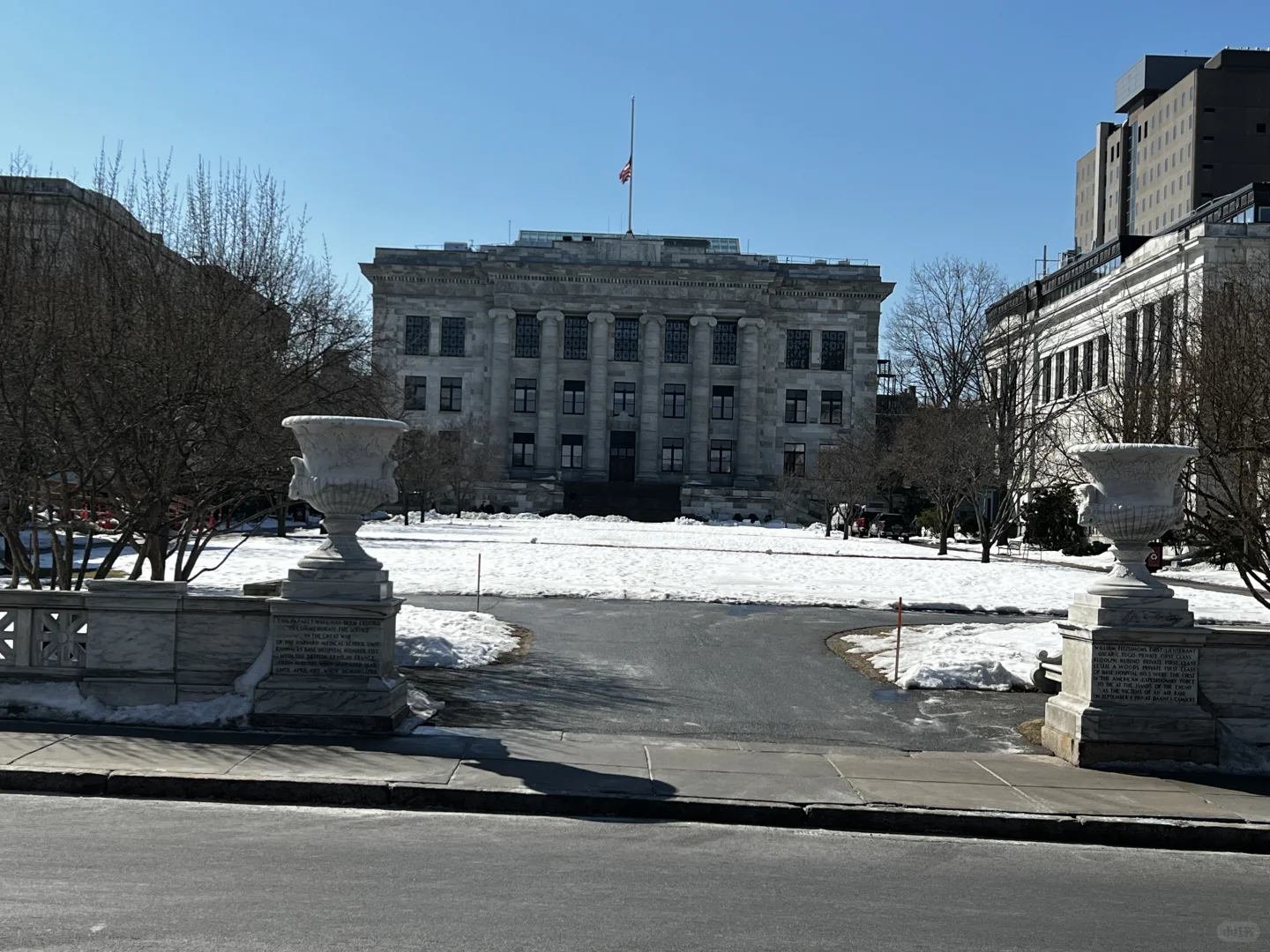
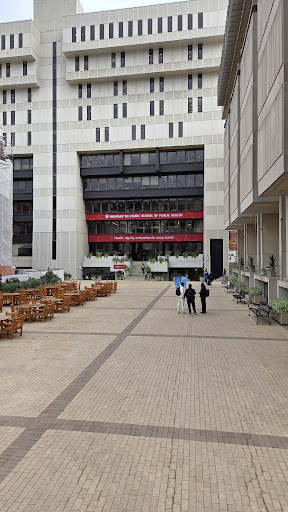
Harvard Medical School
25 Shattuck St, Boston, MA 02115
4.7(292)
Open until 12:00 AM
Save
spot
spot
Ratings & Description
Info
Cultural
Scenic
Accessibility
attractions: Harvard University, Boston Campus, Isabella Stewart Gardner Museum, Basilica of Our Lady of Perpetual Help, MassArt Art Museum, Kevin W. Fitzgerald Park, Harvard, Museum of Fine Arts, Boston, Parker Hill Branch of the Boston Public Library, Simmons University, Artists' Residence At Mass Art, restaurants: Flour Bakery + Cafe, Penguin Pizza, The Mission Bar & Grill, Laughing Monk Cafe, The Squealing Pig, Papa's Pizza Company, Il Mondo Pizzeria, Ginger Exchange - Mission Hill Roxbury, Halal Indian Cuisine, TGI Fridays, local businesses: Stop & Shop, Warren Anatomical Museum, Boston Children's Hospital, One Brigham Circle, Brigham and Women's Hospital, Massachusetts College of Pharmacy and Health Sciences - Boston, Beth Israel Deaconess Medical Center, Dana-Farber Cancer Institute, Mass Art Supply & Book Store, Boston's Basilica of Our Lady of Perpetual Help
 Learn more insights from Wanderboat AI.
Phone
(617) 432-1000
Website
hms.harvard.edu
Open hoursSee all hours
TueOpen 24 hoursOpen
Plan your stay

Pet-friendly Hotels in Boston
Find a cozy hotel nearby and make it a full experience.

Affordable Hotels in Boston
Find a cozy hotel nearby and make it a full experience.

The Coolest Hotels You Haven't Heard Of (Yet)
Find a cozy hotel nearby and make it a full experience.

Trending Stays Worth the Hype in Boston
Find a cozy hotel nearby and make it a full experience.
Reviews
Live events

Lunar New Year Flow with YogaSix - Powered by Lululemon
Tue, Feb 17 • 6:00 PM
335 Assembly Row #Unit 814 Somerville, MA 02145
View details

Blades & Brews: Wood Carving at Mighty Squirrel Waltham
Tue, Feb 17 • 6:30 PM
411 Waverley Oaks Road Waltham, MA 02452
View details

2026 AREAA BOSTON LUNAR NEW YEAR EATS
Wed, Feb 18 • 12:00 PM
477 Hancock Street Quincy, MA 02171
View details
Nearby attractions of Harvard Medical School
Harvard University, Boston Campus
Isabella Stewart Gardner Museum
Basilica of Our Lady of Perpetual Help
MassArt Art Museum
Kevin W. Fitzgerald Park
Harvard
Museum of Fine Arts, Boston
Parker Hill Branch of the Boston Public Library
Simmons University
Artists' Residence At Mass Art
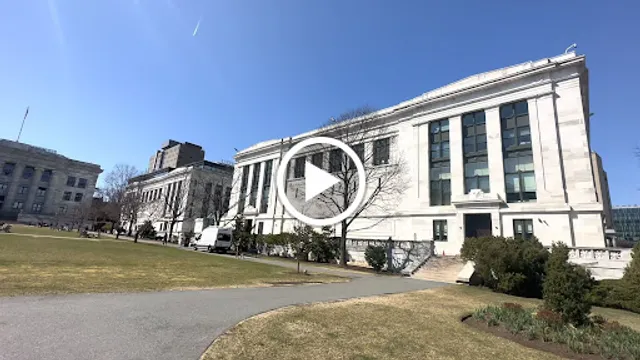
Harvard University, Boston Campus
4.8
(40)
Open 24 hours
Click for details
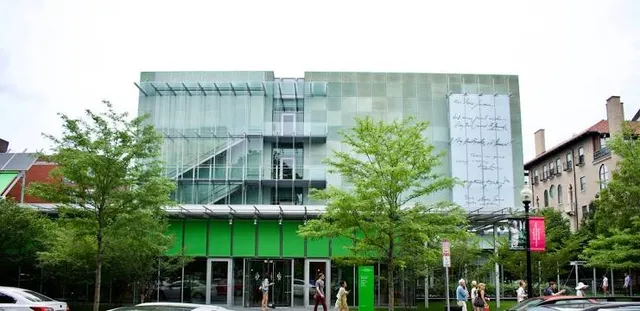
Isabella Stewart Gardner Museum
4.7
(4.2K)
Open until 12:00 AM
Click for details
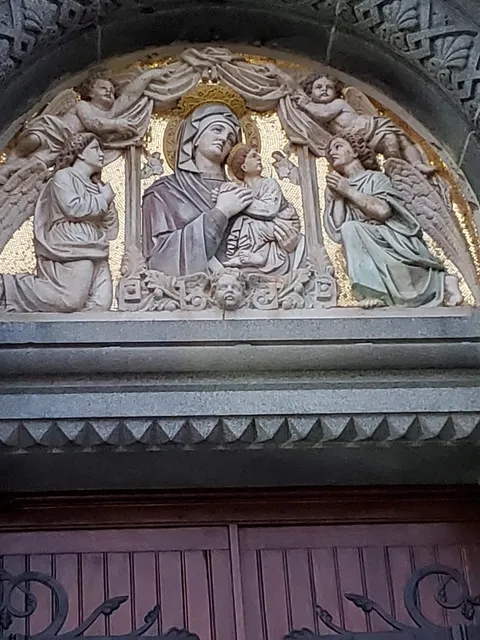
Basilica of Our Lady of Perpetual Help
4.9
(297)
Closed
Click for details
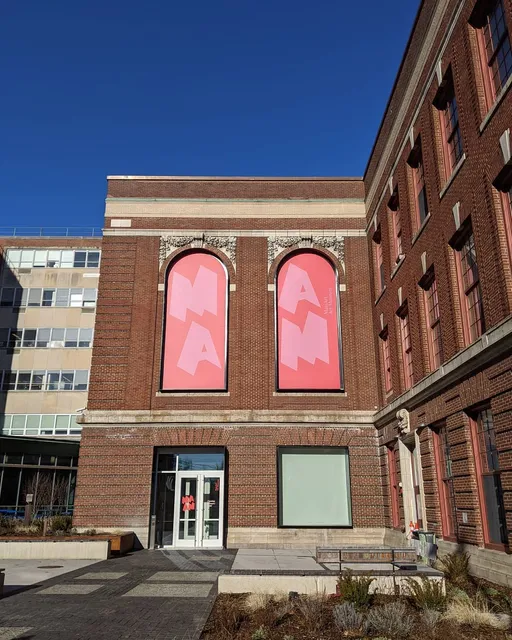
MassArt Art Museum
4.6
(71)
Open until 12:00 AM
Click for details
Nearby restaurants of Harvard Medical School
Flour Bakery + Cafe
Penguin Pizza
The Mission Bar & Grill
Laughing Monk Cafe
The Squealing Pig
Papa's Pizza Company
Il Mondo Pizzeria
Ginger Exchange - Mission Hill Roxbury
Halal Indian Cuisine
TGI Fridays

Flour Bakery + Cafe
4.5
(7)
Closed
Click for details
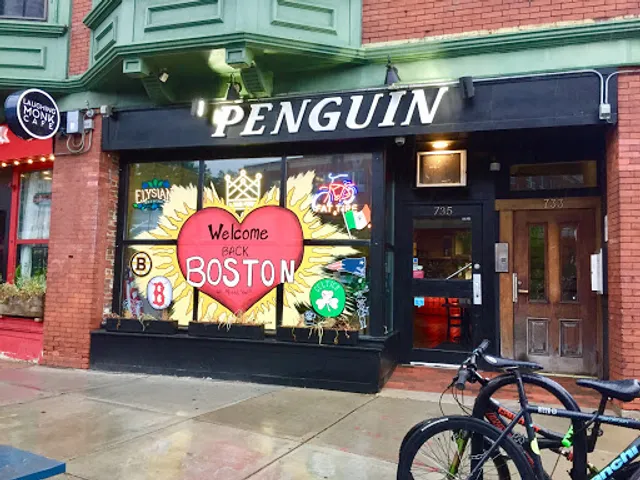
Penguin Pizza
4.3
(546)
$
Closed
Click for details
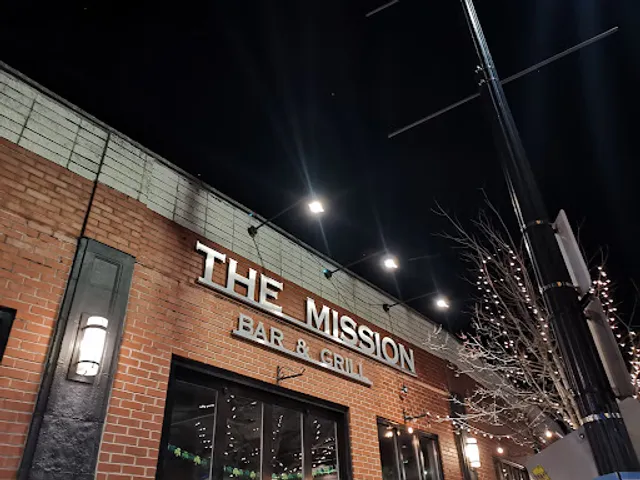
The Mission Bar & Grill
4.3
(617)
$$
Open until 2:00 AM
Click for details
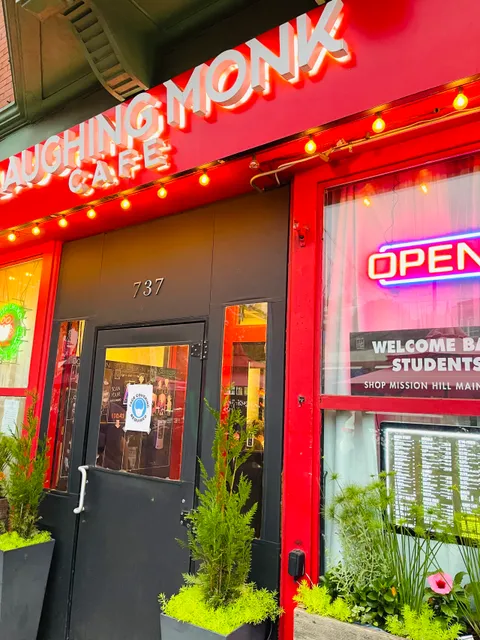
Laughing Monk Cafe
4.5
(479)
$
Closed
Click for details
Nearby local services of Harvard Medical School
Stop & Shop
Warren Anatomical Museum
Boston Children's Hospital
One Brigham Circle
Brigham and Women's Hospital
Massachusetts College of Pharmacy and Health Sciences - Boston
Beth Israel Deaconess Medical Center
Dana-Farber Cancer Institute
Mass Art Supply & Book Store
Boston's Basilica of Our Lady of Perpetual Help
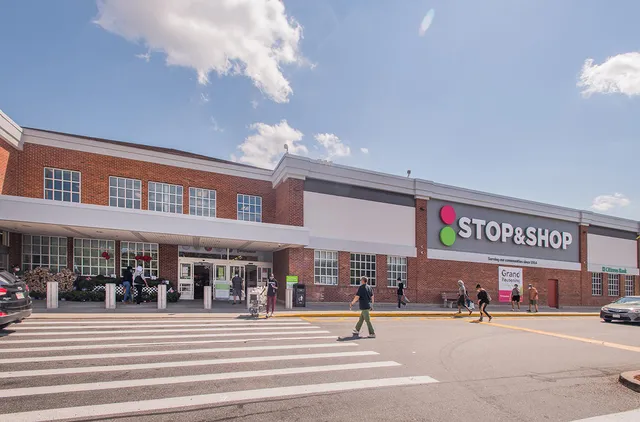
Stop & Shop
4.1
(1.1K)
Click for details
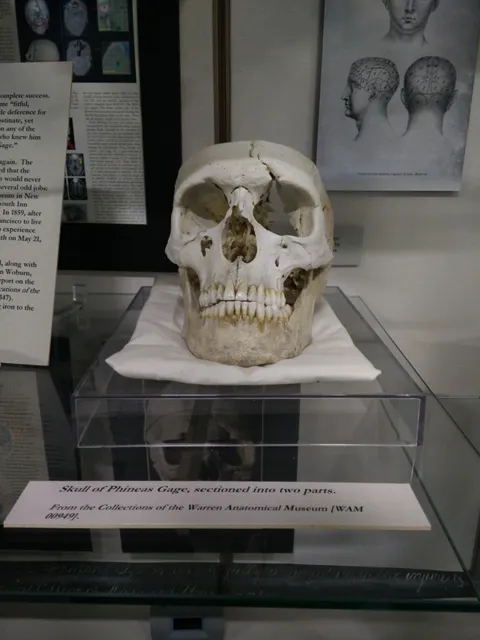
Warren Anatomical Museum
4.1
(60)
Click for details

Boston Children's Hospital
4.1
(507)
Click for details

One Brigham Circle
4.3
(399)
Click for details


The hit list



Plan your trip with Wanderboat
Welcome to Wanderboat AI, your AI search for local Eats and Fun, designed to help you explore your city and the world with ease.
Powered by Wanderboat AI trip planner.