Orvis Manchester Outlet things to do, attractions, restaurants, events info and trip planning
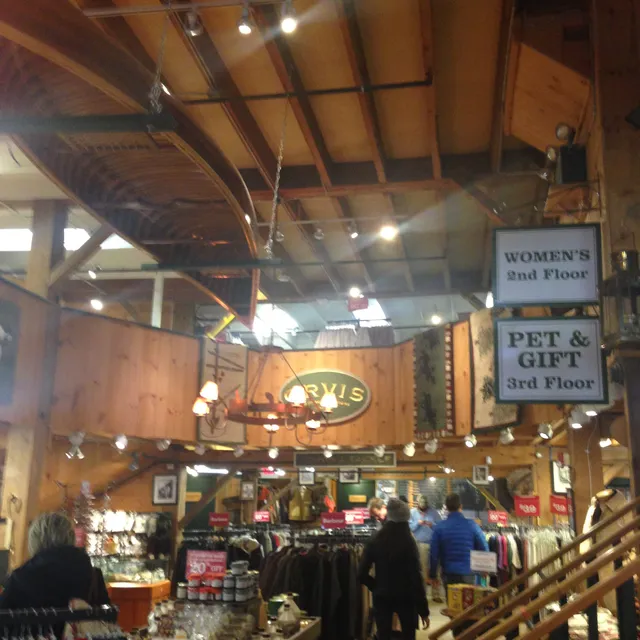
Basic Info
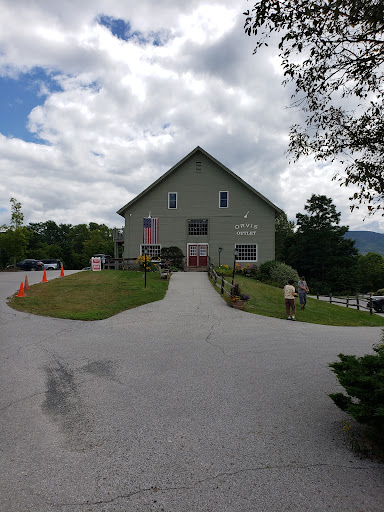
Orvis Manchester Outlet
4382 Main St, Manchester, VT 05254
4.4(182)
Closed
Save
spot
spot
Ratings & Description
Info
Cultural
Entertainment
attractions: Catbird Studio, American Museum of Fly Fishing, Pastime Pinball, Epoch Artisans Gallery, 3 Pears Gallery, restaurants: Mother Myrick's Confectionery, Sam’s Wood Fired Pizza, Mountain Fresh Bowls, Big Pop's Sandwich Shop, LOLA Mediterranean Woodfire, Seasons Restaurant, Haig's Restaurant & Sports Bar, Hound Dogs, Nipper's Cafe, Cold Cow Creamery - Dairy Bar, local businesses: Perfectpiece, Orvis Manchester, Family Footwear Center, Zippy Chicks, Gap Factory, Northshire Bookstore, Hazel & Bee Organics, La Pêche Lingerie, Circa50, Marimekko Outlet
 Learn more insights from Wanderboat AI.
Phone
(802) 366-9134
Website
orvis.com
Open hoursSee all hours
Sat10 AM - 6 PMClosed
Plan your stay

Pet-friendly Hotels in Manchester
Find a cozy hotel nearby and make it a full experience.

Affordable Hotels in Manchester
Find a cozy hotel nearby and make it a full experience.

The Coolest Hotels You Haven't Heard Of (Yet)
Find a cozy hotel nearby and make it a full experience.

Trending Stays Worth the Hype in Manchester
Find a cozy hotel nearby and make it a full experience.
Reviews
Live events

Alpaca Walk Experience - Fun Winter Activity
Sat, Feb 14 • 10:00 AM
Andover, Vermont, 05143
View details

Basket Party for Lonnie Keyes
Sat, Feb 14 • 10:00 AM
61 MWA Loop, Wells, VT 05774, United States
View details

A Midwinter Afternoon with In The Rough
Sun, Feb 15 • 3:00 PM
Old Parish Church, 650 Main St, Weston, VT 05161-5404, United States
View details
Nearby attractions of Orvis Manchester Outlet
Catbird Studio
American Museum of Fly Fishing
Pastime Pinball
Epoch Artisans Gallery
3 Pears Gallery
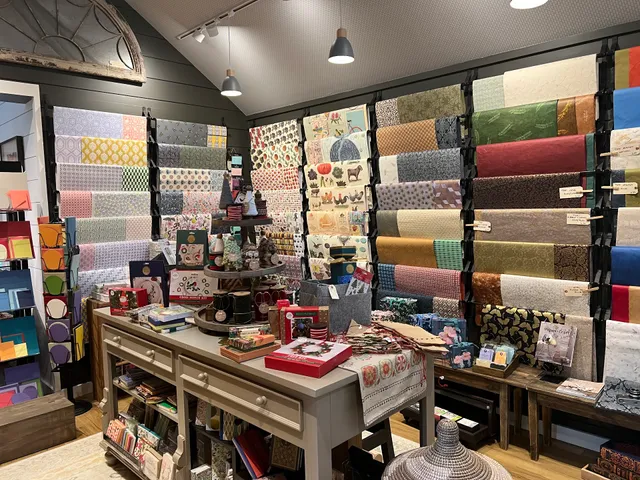
Catbird Studio
4.9
(8)
Closed
Click for details
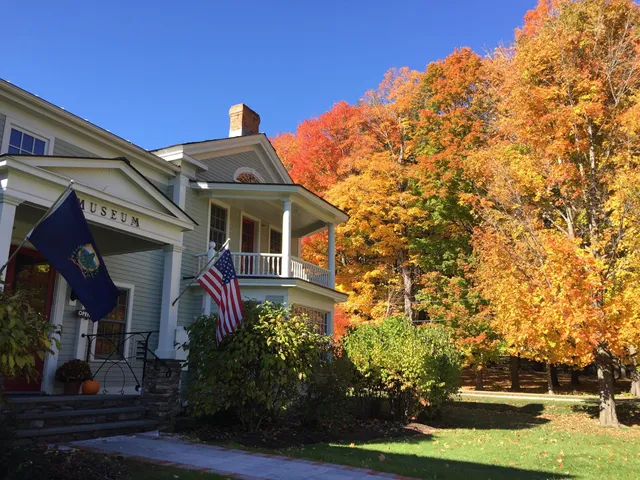
American Museum of Fly Fishing
4.7
(46)
Closed
Click for details
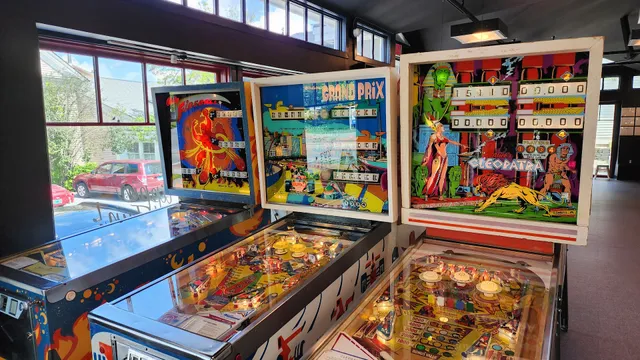
Pastime Pinball
4.6
(204)
Closed
Click for details
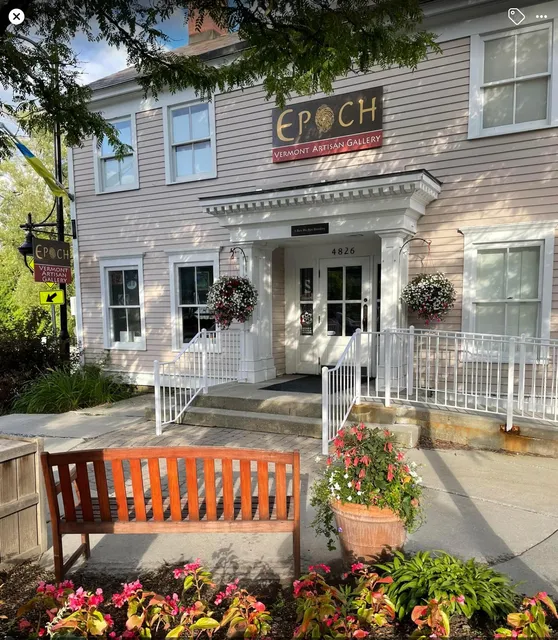
Epoch Artisans Gallery
4.8
(22)
Closed
Click for details
Nearby restaurants of Orvis Manchester Outlet
Mother Myrick's Confectionery
Sam’s Wood Fired Pizza
Mountain Fresh Bowls
Big Pop's Sandwich Shop
LOLA Mediterranean Woodfire
Seasons Restaurant
Haig's Restaurant & Sports Bar
Hound Dogs
Nipper's Cafe
Cold Cow Creamery - Dairy Bar
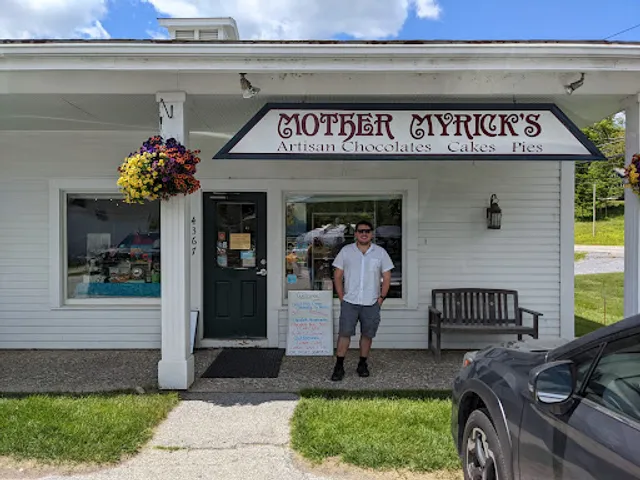
Mother Myrick's Confectionery
4.6
(127)
Open until 6:00 PM
Click for details
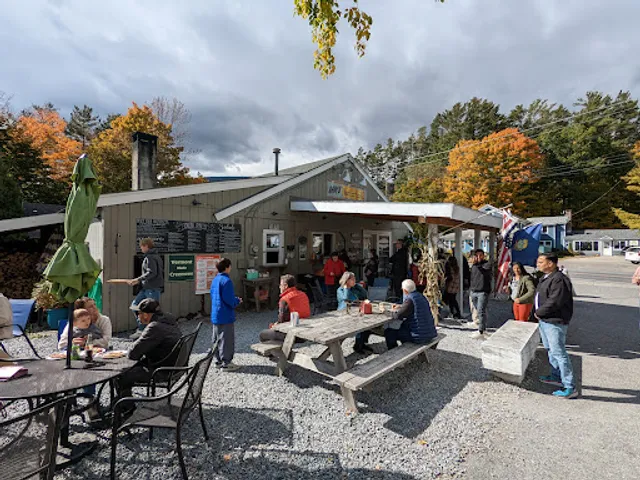
Sam’s Wood Fired Pizza
4.5
(356)
$
Closed
Click for details

Mountain Fresh Bowls
4.8
(17)
Closed
Click for details
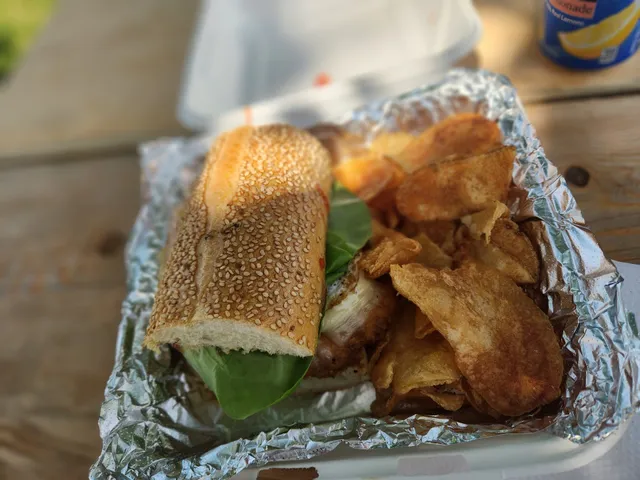
Big Pop's Sandwich Shop
4.5
(17)
$
Open until 3:00 PM
Click for details
Nearby local services of Orvis Manchester Outlet
Perfectpiece
Orvis Manchester
Family Footwear Center
Zippy Chicks
Gap Factory
Northshire Bookstore
Hazel & Bee Organics
La Pêche Lingerie
Circa50
Marimekko Outlet
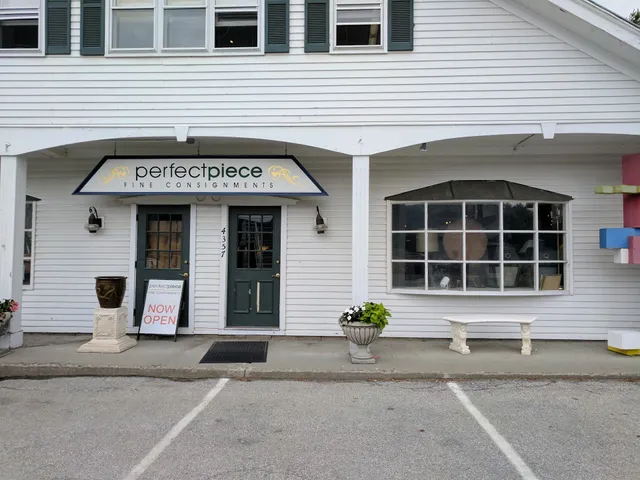
Perfectpiece
4.1
(21)
Click for details
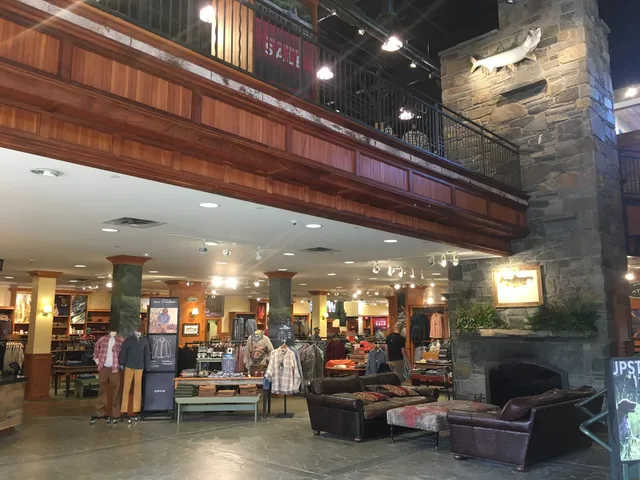
Orvis Manchester
4.5
(203)
Click for details
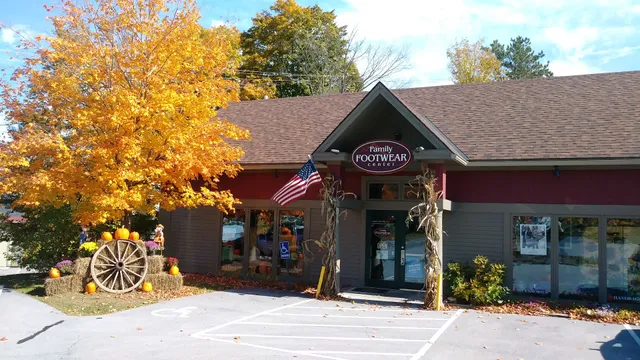
Family Footwear Center
4.5
(51)
Click for details
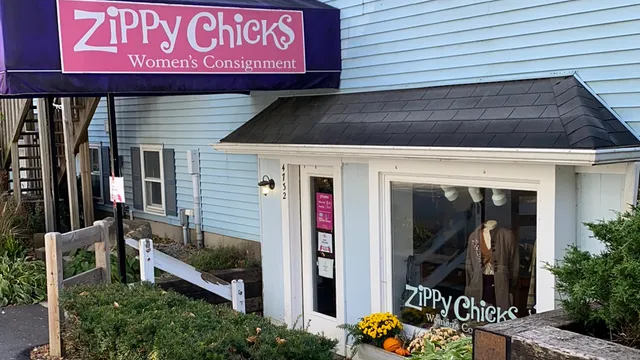
Zippy Chicks
4.5
(51)
Click for details