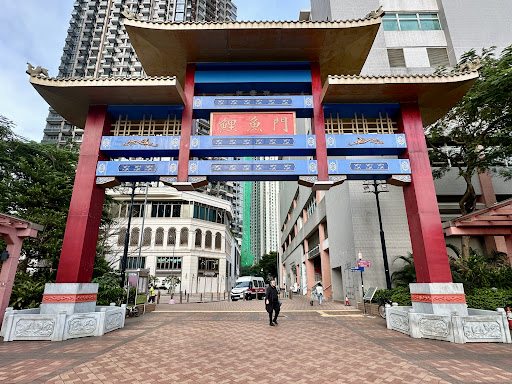
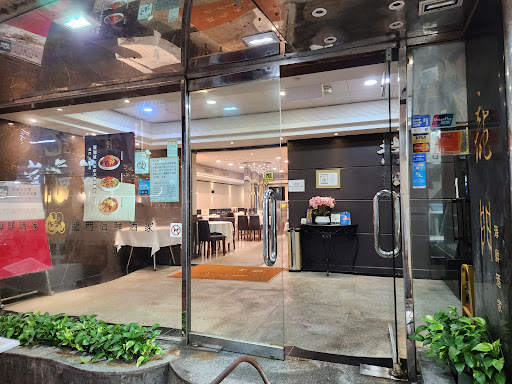
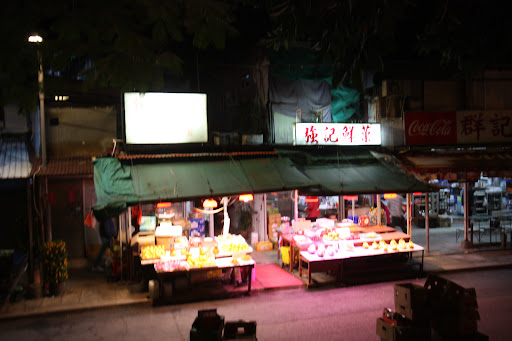
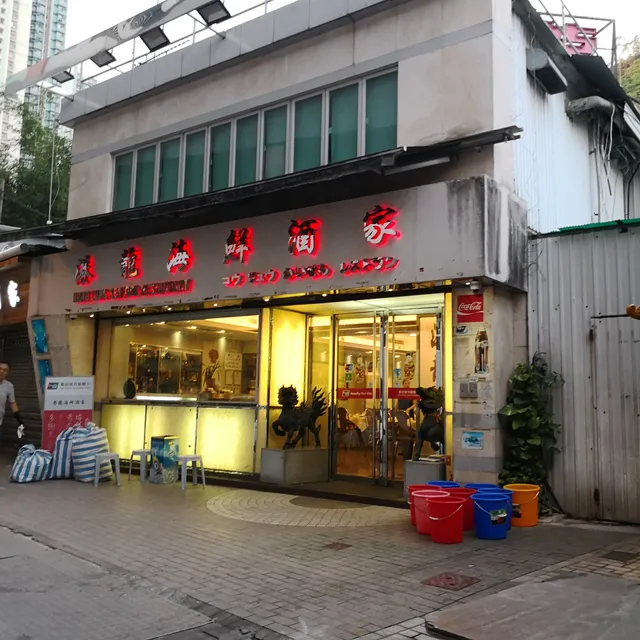
Lei Yue Mun Seafood Street things to do, attractions, restaurants, events info and trip planning
Basic Info
Lei Yue Mun Seafood Street
69 Lei Yue Mun Praya Rd, Hong Kong
4.0(84)
Open until 11:00 PM
Save
spot
spot
Ratings & Description
Info
attractions: Devil's Peak, Jockey Club Lei Yue Mun Plus, Lei Yue Mun Lighthouse, Sam Ka Tsuen Recreation Ground, Yau Tong Service Reservoir Playground, restaurants: Kong Lung Seafood Restaurant, Kam Lee Loy, Lei Yue Mun Seafood Restaurant, Ho Mun Seafood Restaurant, Ku Kee Restaurant, Lung Tang Restaurant, 金輝海鮮酒家 Kam Fei Seafood Restaurant, 鯉魚門漢記海鮮酒家 Hon Kee Seafood Restaurant, 威龍海鮮酒家 Wai Lung Seafood Restaurant, Sea King Garden Restaurant Limited, local businesses: Lei Yue Mun Seafood Bazaar, Lei Yue Mun Market, Lei Yue Mun Ma Wan Public Toilet cum Bathhouse, nobi nobi 夢幻樂園 - 油塘大本型店, Lei Yue Mun
 Learn more insights from Wanderboat AI.
Open hoursSee all hours
Sun11 AM - 11 PMOpen
Plan your stay

Pet-friendly Hotels in Kowloon
Find a cozy hotel nearby and make it a full experience.

Affordable Hotels in Kowloon
Find a cozy hotel nearby and make it a full experience.

The Coolest Hotels You Haven't Heard Of (Yet)
Find a cozy hotel nearby and make it a full experience.

Trending Stays Worth the Hype in Kowloon
Find a cozy hotel nearby and make it a full experience.
Reviews
Live events
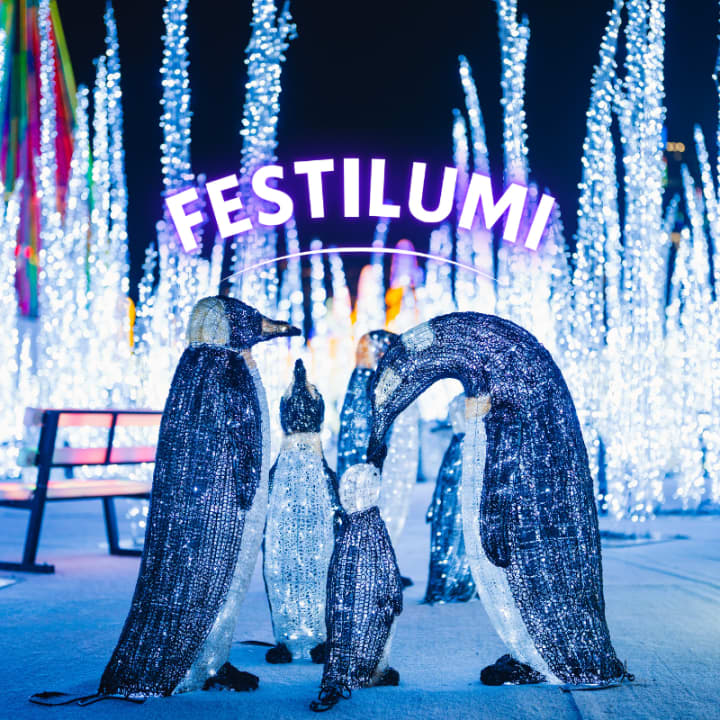
Festilumi - 香港
Sun, Feb 8 • 6:30 PM
3 Hung Hing Rd, Wan Chai, 00000
View details
Candlelight: Ed Sheeran Meets Coldplay
Sat, Feb 14 • 9:00 PM
109 Repulse Bay Rd, Repulse Bay, 000000
View details
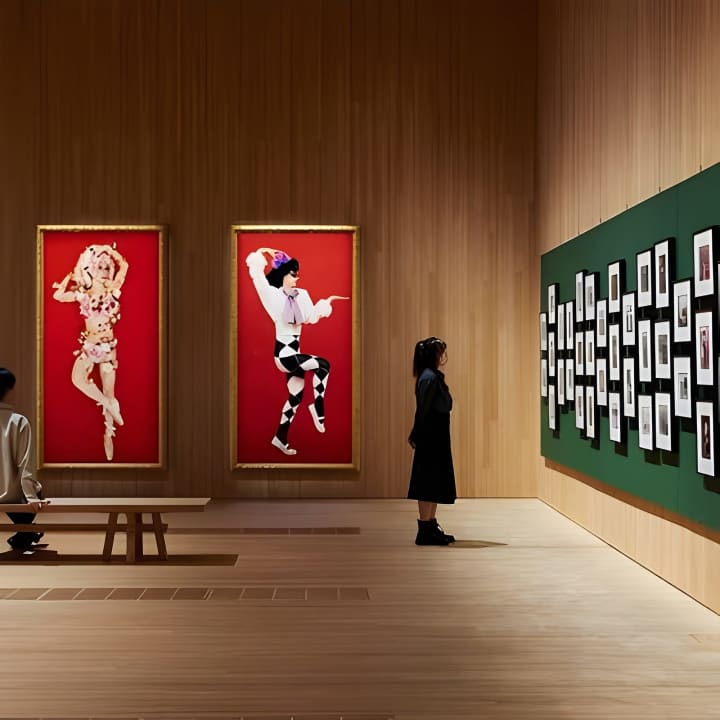
M+ 博物馆门票 | 香港
Sun, Feb 8 • 10:00 AM
西九龍博物館道38號
View details
Nearby attractions of Lei Yue Mun Seafood Street
Devil's Peak
Jockey Club Lei Yue Mun Plus
Lei Yue Mun Lighthouse
Sam Ka Tsuen Recreation Ground
Yau Tong Service Reservoir Playground

Devil's Peak
4.2
(458)
Open 24 hours
Click for details
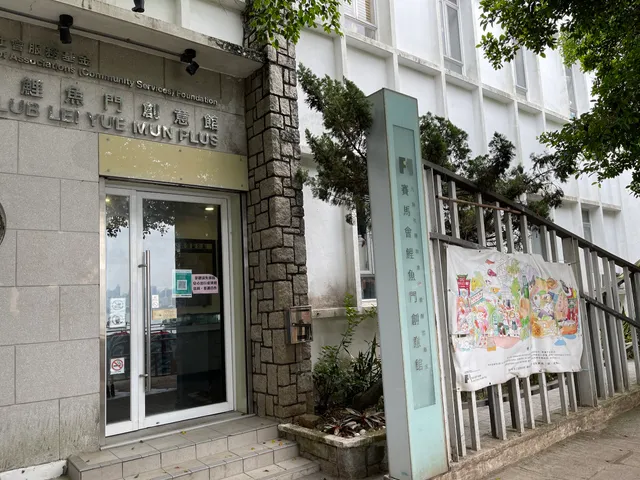
Jockey Club Lei Yue Mun Plus
4.1
(72)
Open until 7:00 PM
Click for details
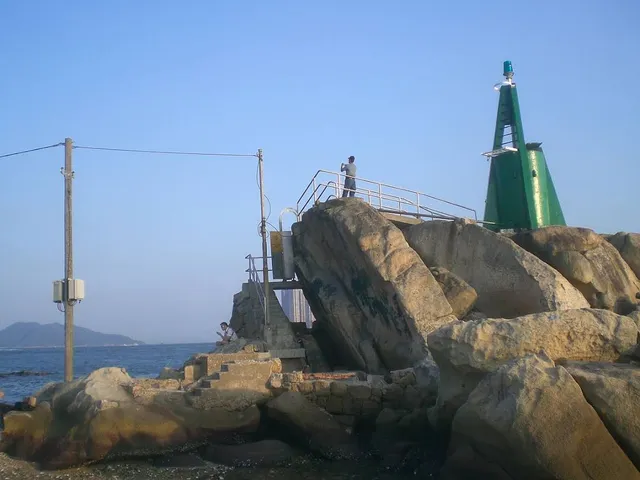
Lei Yue Mun Lighthouse
4.0
(471)
Open until 12:00 AM
Click for details
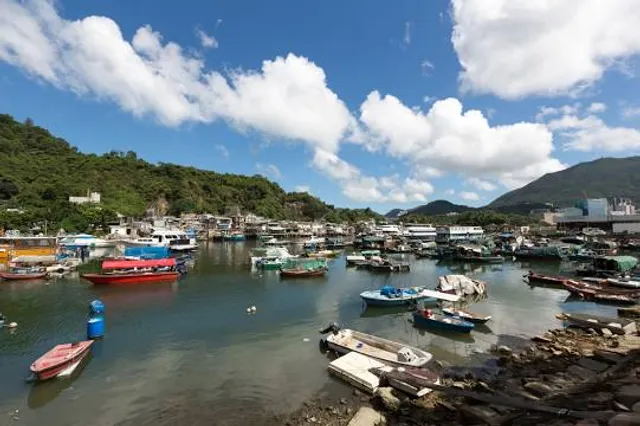
Sam Ka Tsuen Recreation Ground
3.6
(198)
Open until 12:00 AM
Click for details
Nearby restaurants of Lei Yue Mun Seafood Street
Kong Lung Seafood Restaurant
Kam Lee Loy
Lei Yue Mun Seafood Restaurant
Ho Mun Seafood Restaurant
Ku Kee Restaurant
Lung Tang Restaurant
金輝海鮮酒家 Kam Fei Seafood Restaurant
鯉魚門漢記海鮮酒家 Hon Kee Seafood Restaurant
威龍海鮮酒家 Wai Lung Seafood Restaurant
Sea King Garden Restaurant Limited
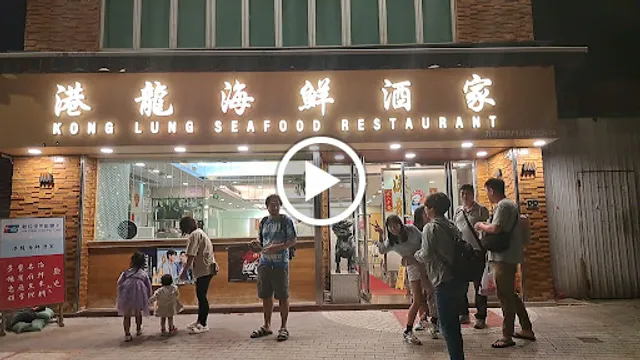
Kong Lung Seafood Restaurant
4.0
(140)
Open until 11:00 PM
Click for details
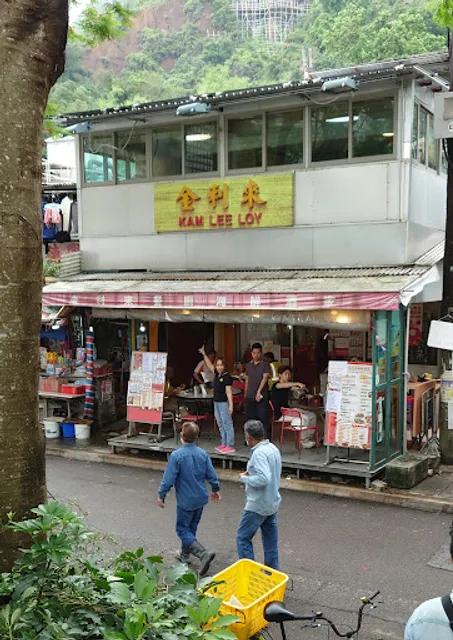
Kam Lee Loy
3.7
(79)
Open until 12:00 AM
Click for details
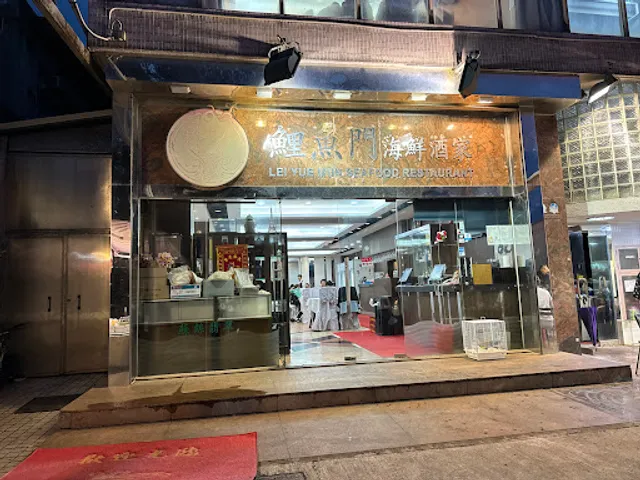
Lei Yue Mun Seafood Restaurant
3.9
(67)
$$$
Open until 10:00 PM
Click for details
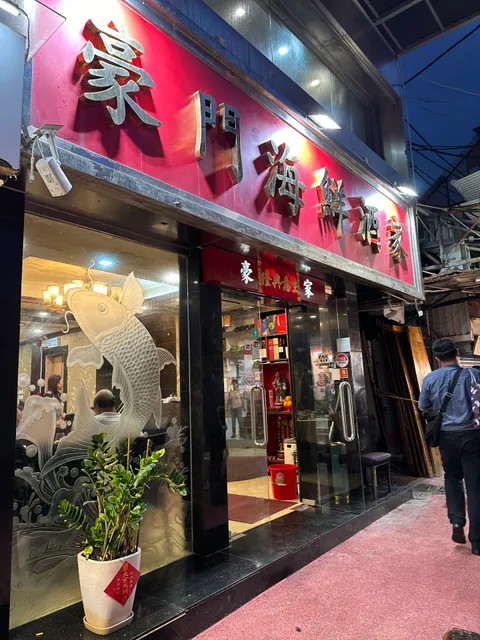
Ho Mun Seafood Restaurant
4.1
(62)
Open until 11:30 PM
Click for details
Nearby local services of Lei Yue Mun Seafood Street
Lei Yue Mun Seafood Bazaar
Lei Yue Mun Market
Lei Yue Mun Ma Wan Public Toilet cum Bathhouse
nobi nobi 夢幻樂園 - 油塘大本型店
Lei Yue Mun
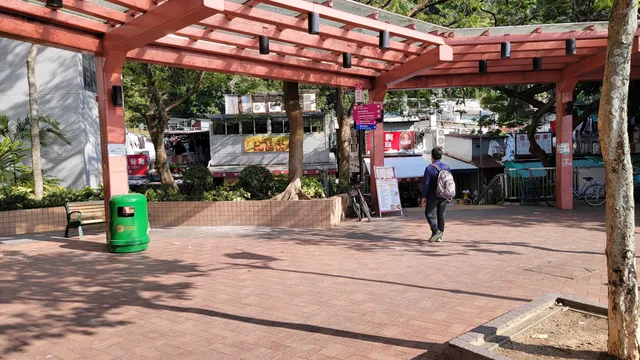
Lei Yue Mun Seafood Bazaar
3.6
(803)
Click for details
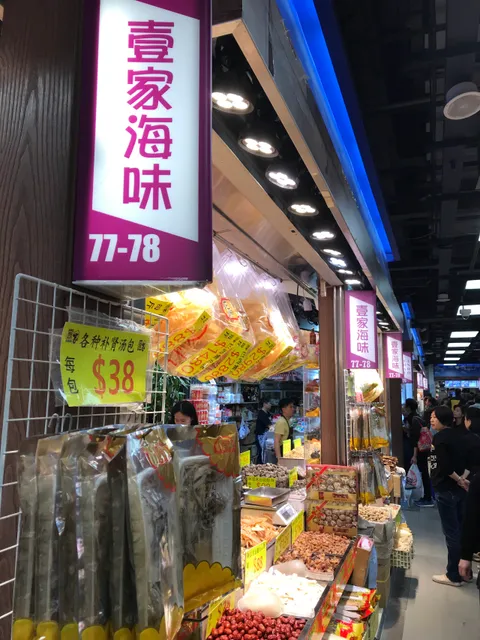
Lei Yue Mun Market
3.7
(304)
Click for details
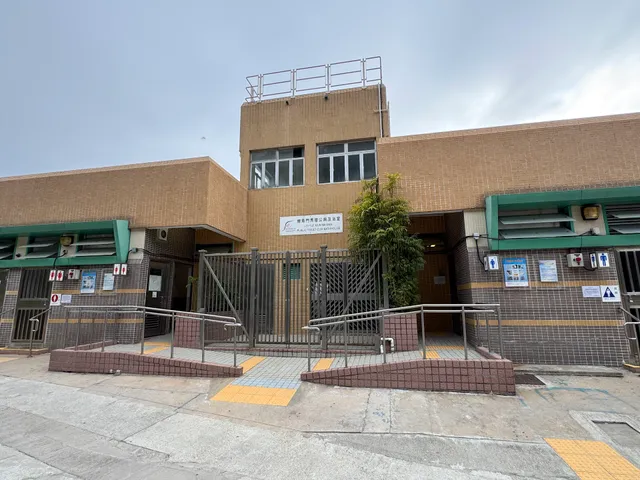
Lei Yue Mun Ma Wan Public Toilet cum Bathhouse
3.5
(20)
Click for details
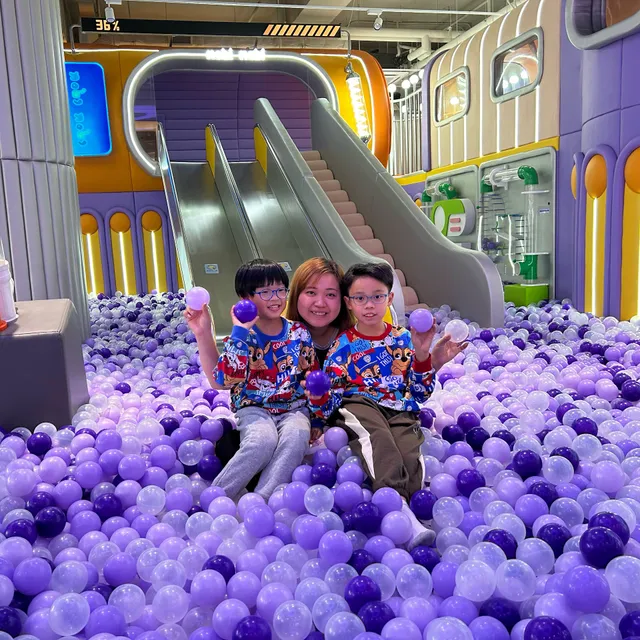
nobi nobi 夢幻樂園 - 油塘大本型店
3.5
(24)
Click for details