Gopal Sweets Chandigarh things to do, attractions, restaurants, events info and trip planning
Basic Info
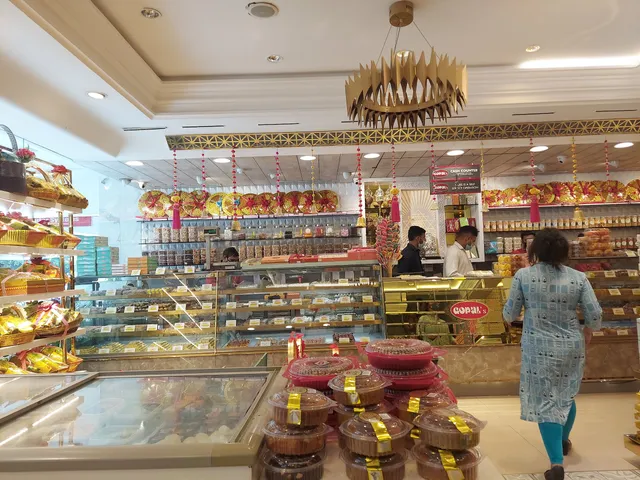
Gopal Sweets Chandigarh
417-18, Sub. City Center, 35C, Sector 35, Chandigarh, Punjab 160022, India
4.4(10.3K)
Open until 10:00 PM


delivery
Save
spot
spot
Ratings & Description
Info
Scenic green space featuring a large, manmade lake with paddle boats & a jogging trail.
attractions: Mystery Rooms Chandigarh – Official Live-Action Escape Room Experience, Topiary Park, HARJINDER TOURIST BUS SERVICE, restaurants: Oven Fresh, Xero degrees, Tim Hortons, NIK BAKER'S, KFC, Gopal Ji Confectioners, Barista, Peddlers, Spices - Hotel Park Inn, Chandigarh Chaat Co., local businesses: ESS Global Pvt Ltd, New Maa Durga Sweets & Diaries, Global Consultant (GC) Chandigarh, Mela Sector 34, Himachal Sweets, Passport office
 Learn more insights from Wanderboat AI.
Open hoursSee all hours
Mon4 a.m. - 10 p.m.Open
Plan your stay

Pet-friendly Hotels in Chandigarh
Find a cozy hotel nearby and make it a full experience.

Affordable Hotels in Chandigarh
Find a cozy hotel nearby and make it a full experience.

The Coolest Hotels You Haven't Heard Of (Yet)
Find a cozy hotel nearby and make it a full experience.

Trending Stays Worth the Hype in Chandigarh
Find a cozy hotel nearby and make it a full experience.
Featured dishes
View full menu
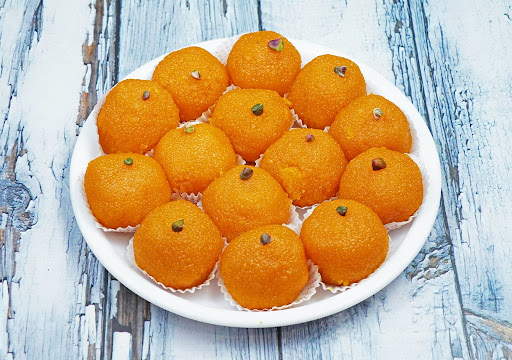
Motichoor Desi Ghee Laddu
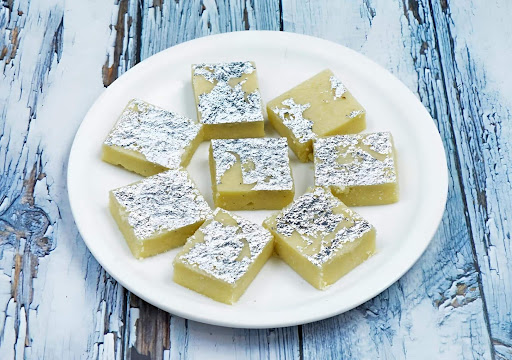
Plain Burfi
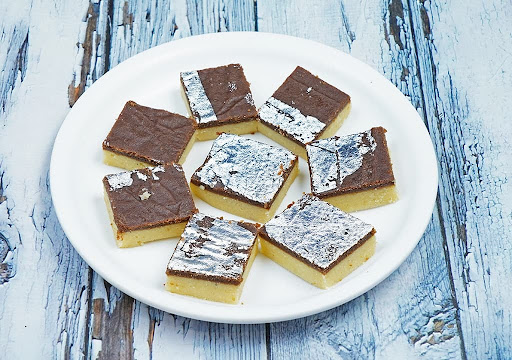
Chocolate Burfi
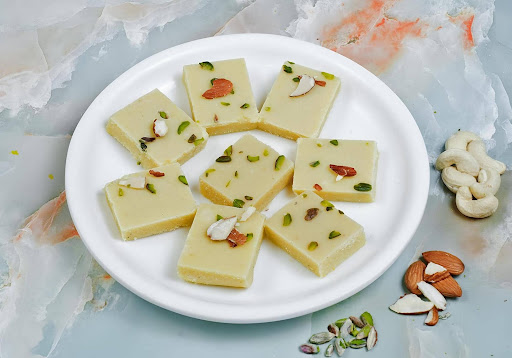
Rabri Burfi
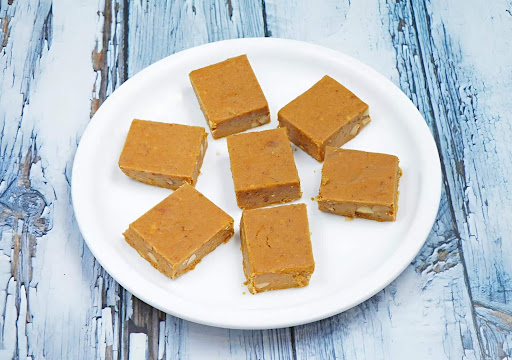
Channa Dal Burfi
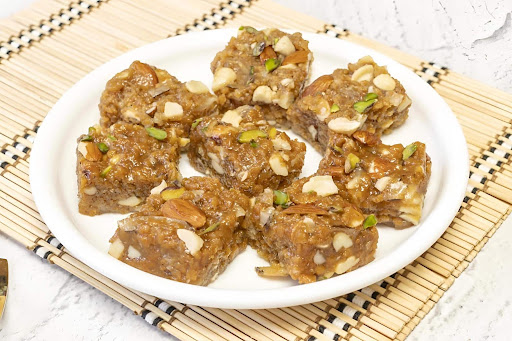
Doda Burfi

Plain Besan Laddu
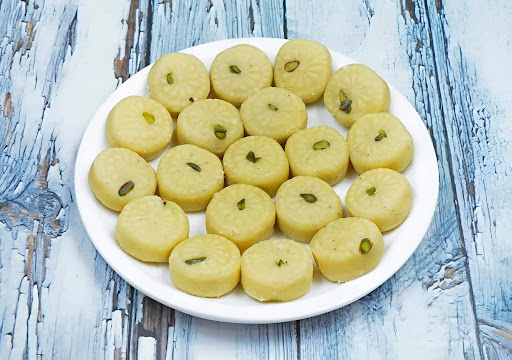
Plain Peda

Black Gulab Jamun

Small Rasgulla
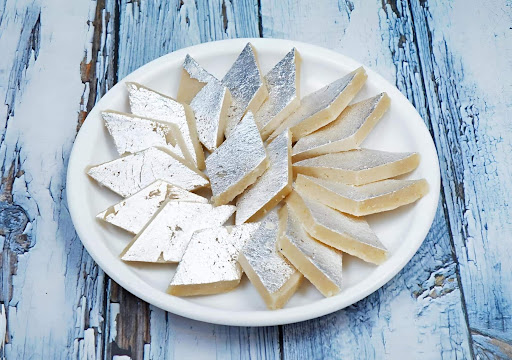
Kaju Burfi
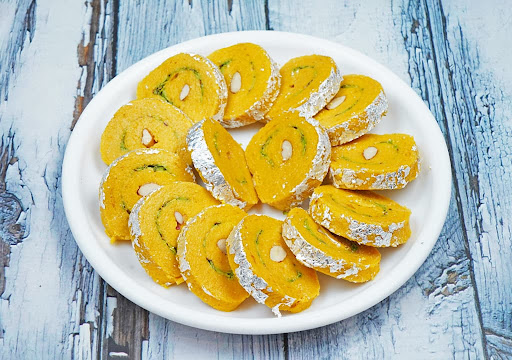
Kaju Kesar Cake
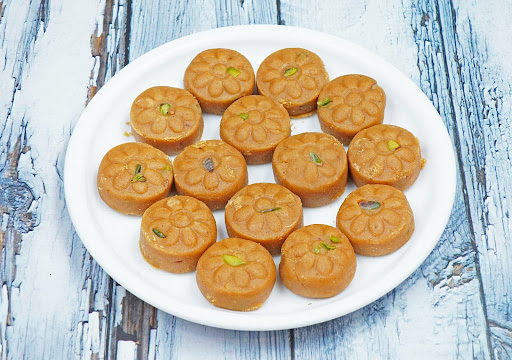
Besan Burfi

Dhoda
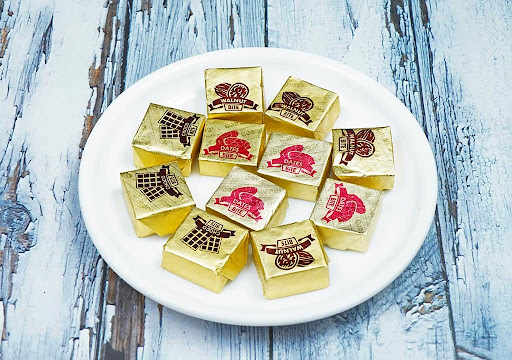
Bite
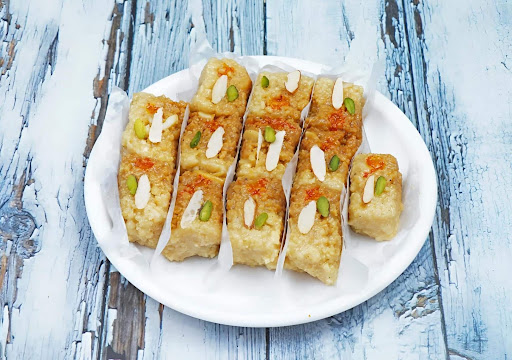
Milk Cake
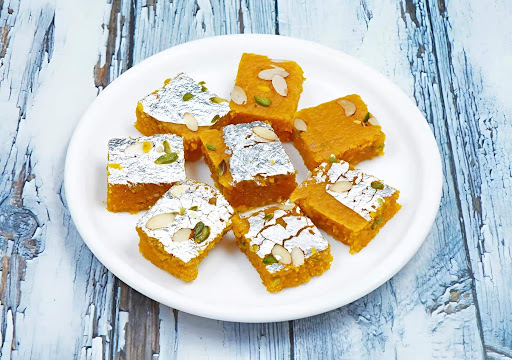
Moong Dal Barfi
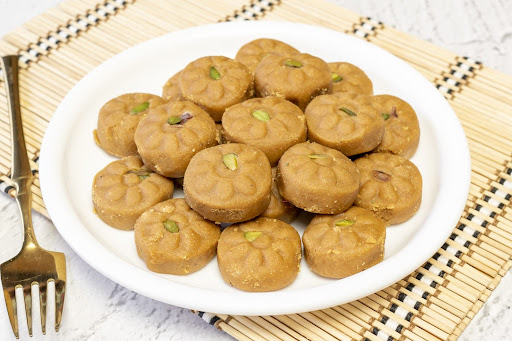
Mathura Peda
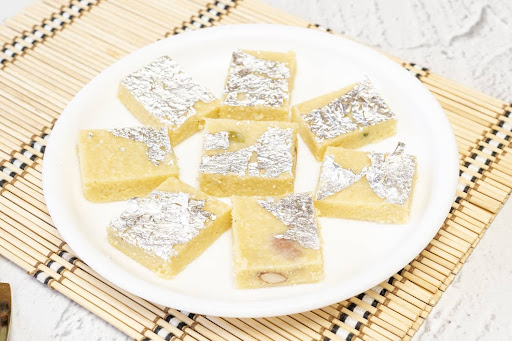
Mawa Burfi
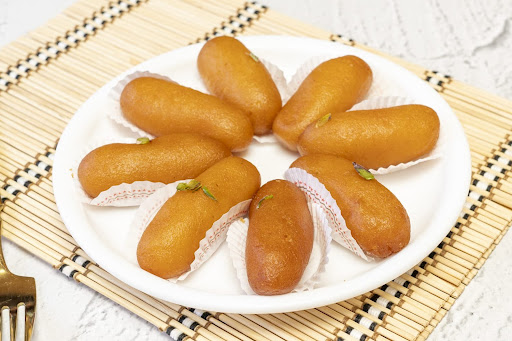
Dry Jamun
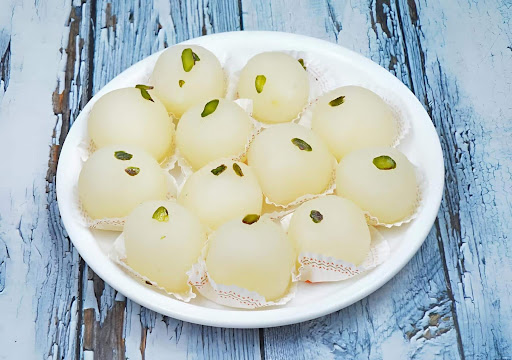
Dry Rasgulla
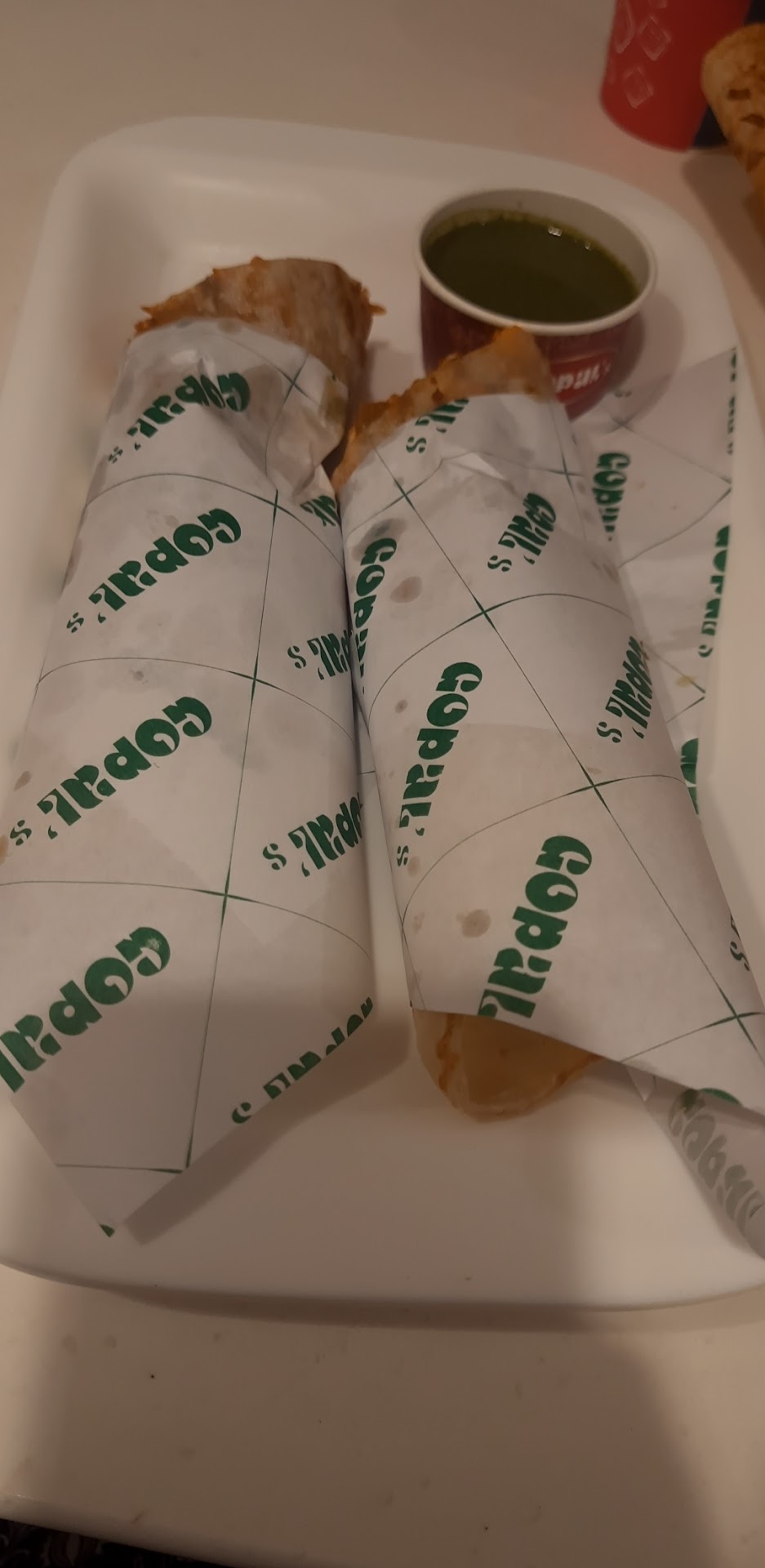
Kaju Roll

Kaju Cake
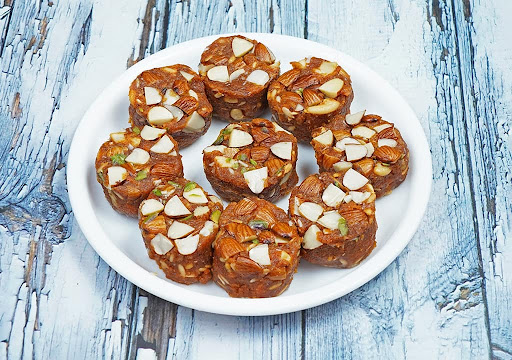
Desi Ghee Pinni
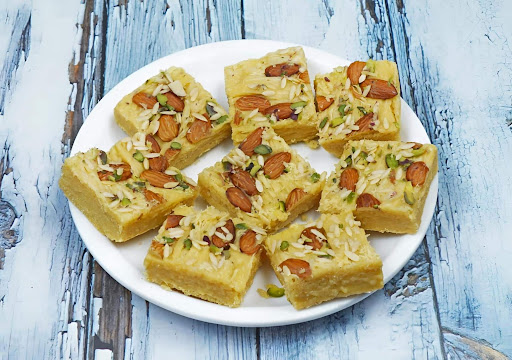
Patisa Deshi Ghee

Chenna Murki
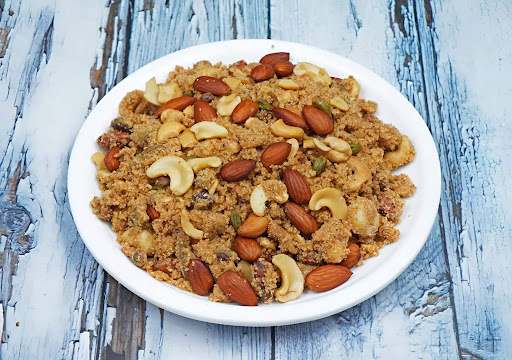
Special Atta Panjiri

Besan Dry Fruit Laddu
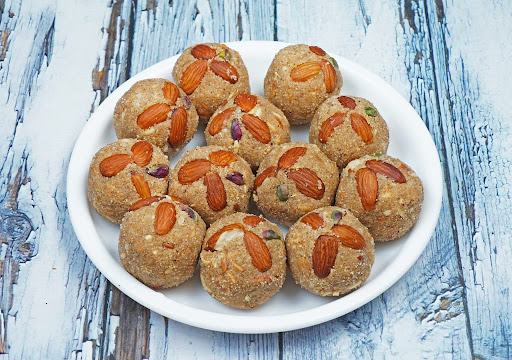
Panjiri Laddu

Chana Dal Laddu
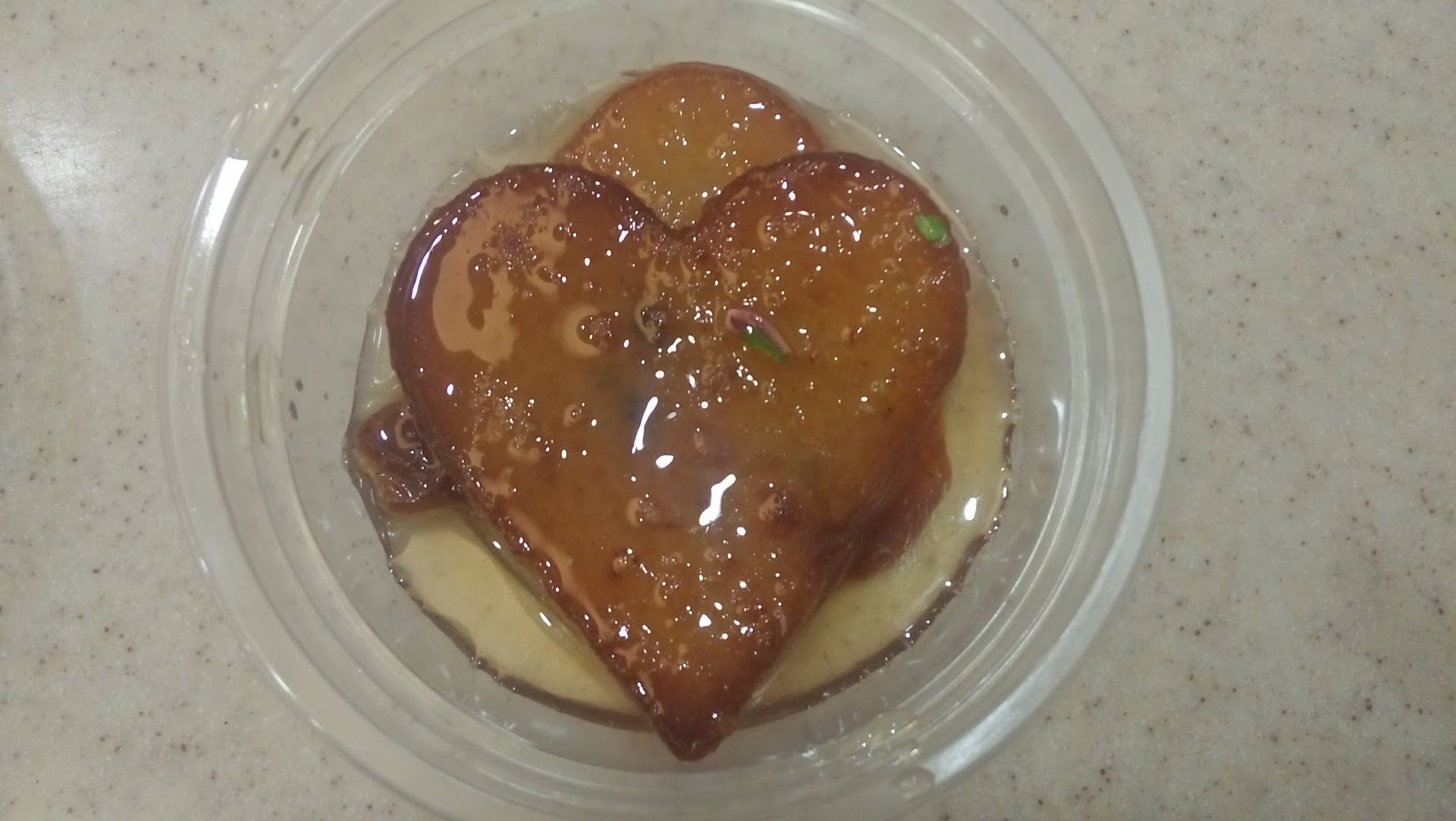
Malpua
Reviews
Live events
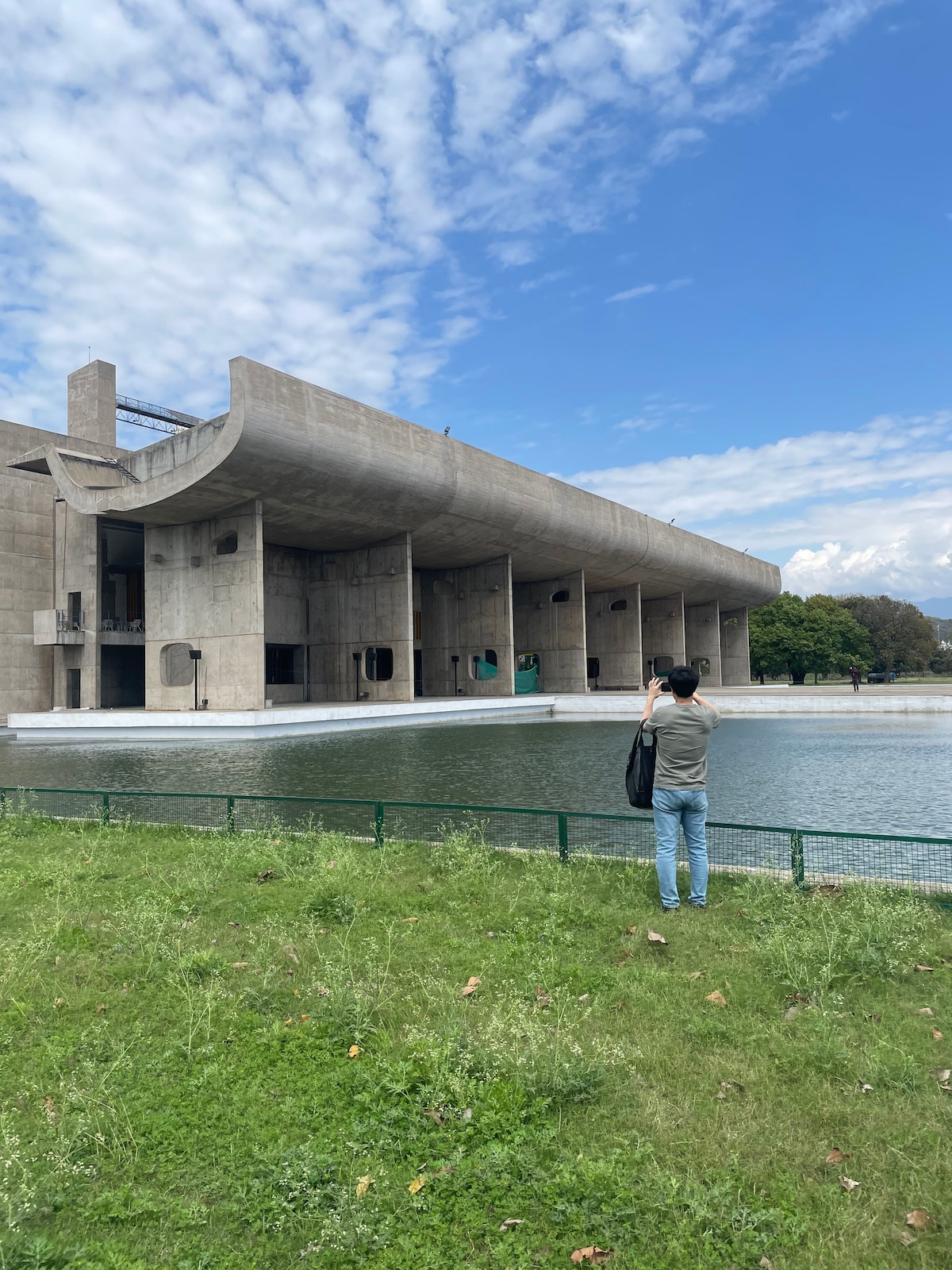
The Hipster Chandigarh Architecture Experience
Mon, Feb 9 • 9:15 AM
Chandigarh, Chandigarh, 160017, India
View details
Nearby attractions of Gopal Sweets Chandigarh
Mystery Rooms Chandigarh – Official Live-Action Escape Room Experience
Topiary Park
HARJINDER TOURIST BUS SERVICE
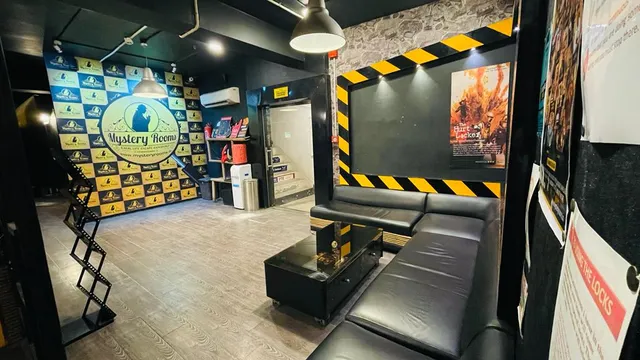
Mystery Rooms Chandigarh – Official Live-Action Escape Room Experience
4.8
(1.6K)
Closed
Click for details
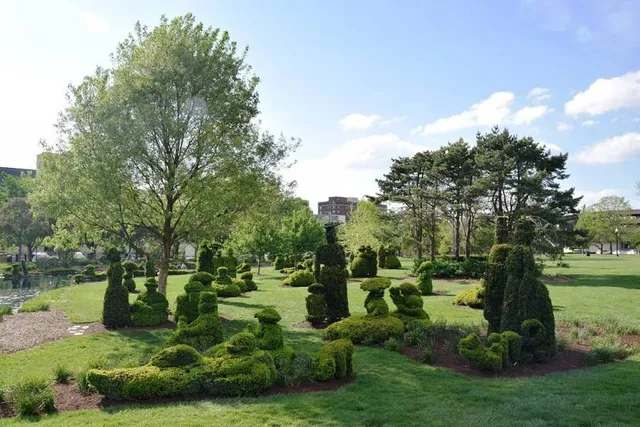
Topiary Park
4.2
(866)
Open until 8:00 PM
Click for details

HARJINDER TOURIST BUS SERVICE
3.6
(18)
Open until 9:00 PM
Click for details
Nearby restaurants of Gopal Sweets Chandigarh
Oven Fresh
Xero degrees
Tim Hortons
NIK BAKER'S
KFC
Gopal Ji Confectioners
Barista
Peddlers
Spices - Hotel Park Inn
Chandigarh Chaat Co.
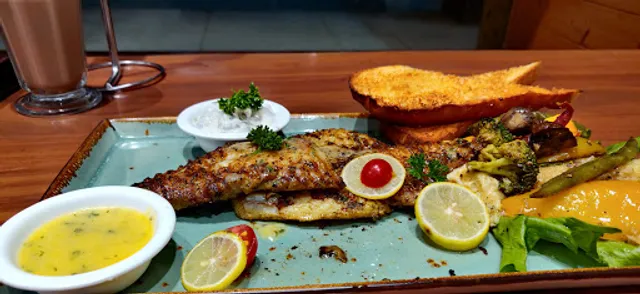
Oven Fresh
4.4
(2.5K)
$$
Closed
Click for details
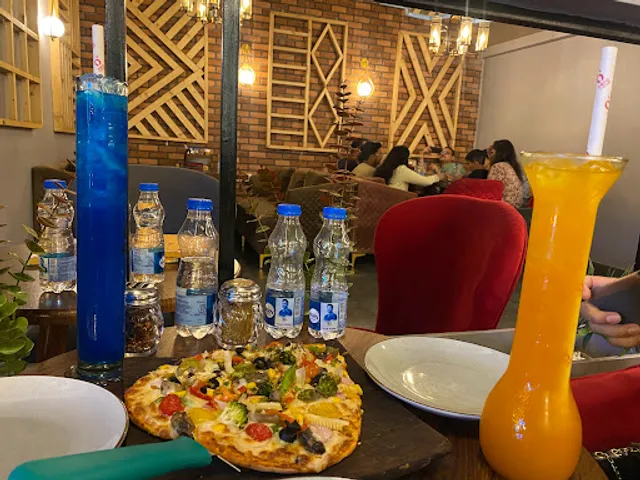
Xero degrees
4.8
(5.2K)
$$
Closed
Click for details

Tim Hortons
4.9
(1.7K)
Open until 11:00 PM
Click for details
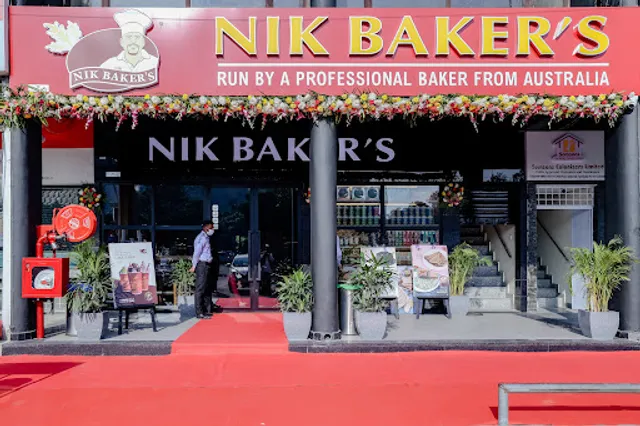
NIK BAKER'S
4.3
(1.2K)
$$$
Open until 11:30 PM
Click for details
Nearby local services of Gopal Sweets Chandigarh
ESS Global Pvt Ltd
New Maa Durga Sweets & Diaries
Global Consultant (GC) Chandigarh
Mela Sector 34
Himachal Sweets
Passport office
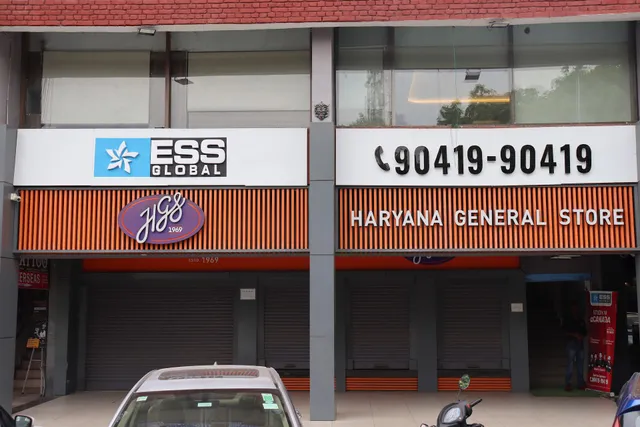
ESS Global Pvt Ltd
4.5
(567)
Click for details
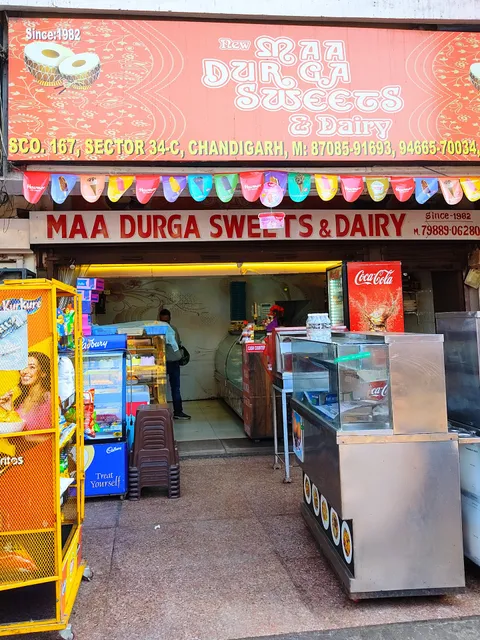
New Maa Durga Sweets & Diaries
4.1
(160)
Click for details
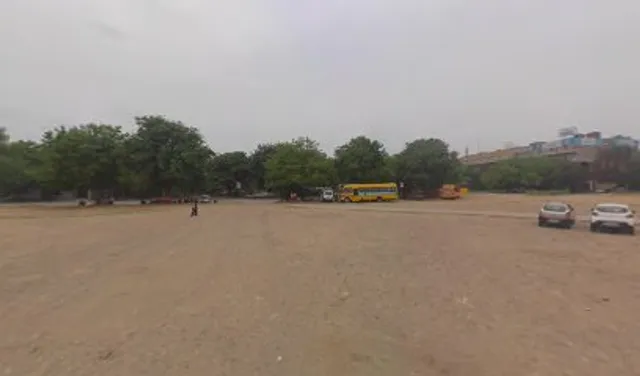
Global Consultant (GC) Chandigarh
3.6
(20)
Click for details
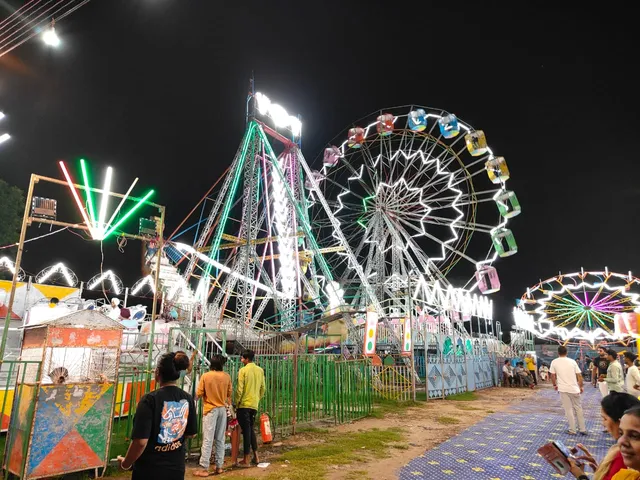
Mela Sector 34
4.2
(14)
Click for details