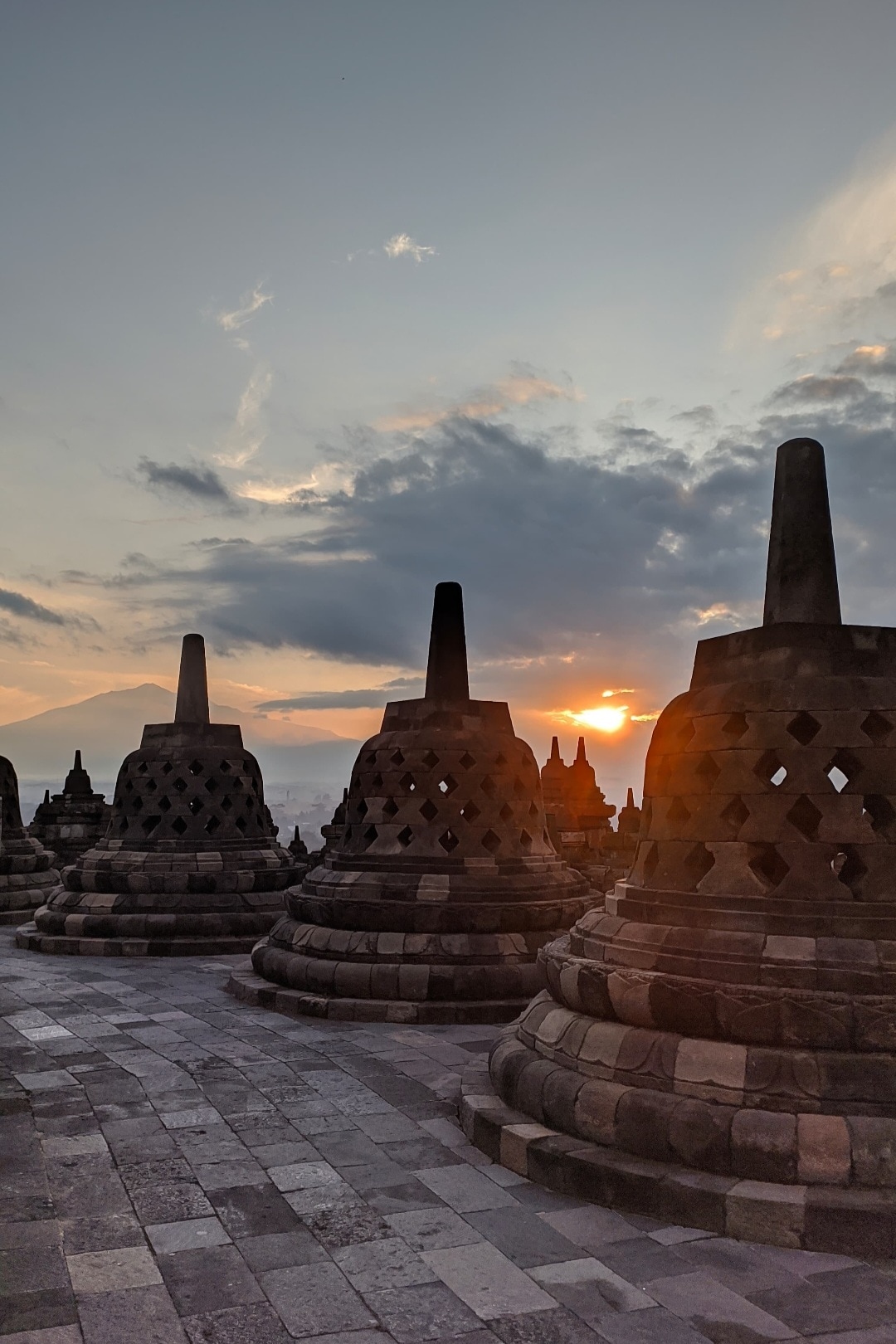
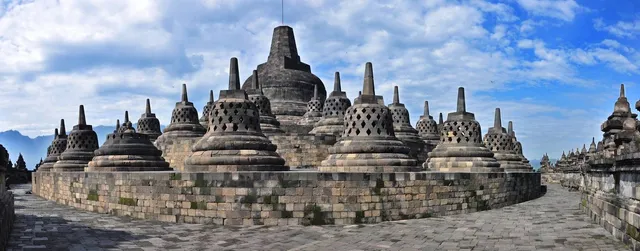
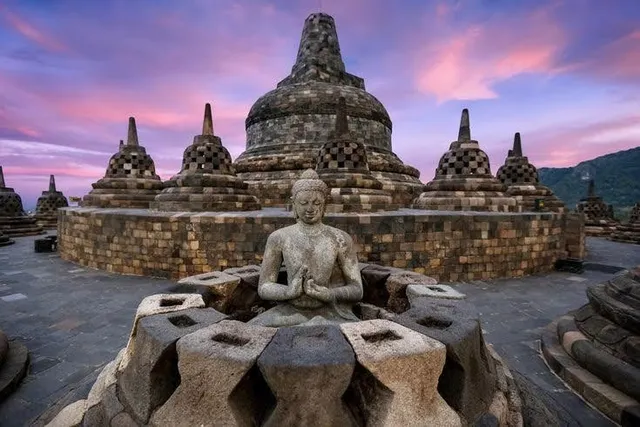
Borobodur is all about honouring the genius loci, the spirt of place, and there is something magical that inheres here -- and particular diligence had been exerted in its construction. Location was seen at all times as critical: as Jacques Dumarçay has pointed out, nearly 50 years ago, a replication of the confluence of the Ganga and Yamuna was fulfilled in the junction of the rivers Elo and Progo, as it was at Angkor with the construction of the temple at Neak Phean. Dumarçay had caught my attention, since he used the Rossi-Forel scale for earthquake measurements, with its somewhat mystical description of "oscillating chandeliers" and the "stopping of clocks" to mark a zone VI intensity, thereby evoking a sense of transcendence. Geologically, volcanic tuff presented the basis of Borobodur, which forms a yellow clay at the surface. This was no funerary celebration, but a quest for transcendence, for Mt Meru, the dwelling of the gods. A Vajradhatu or "Diamond World" mandala forms the conceptual apex, with 37 main deities inhabiting the square and another 1,000 outside it, while the hilltop location mirrors the jewel tower on the summit of Mt Sumeru. Think of it simply as keeping out all evil energies; -- that's why there is an esoteric component to it.
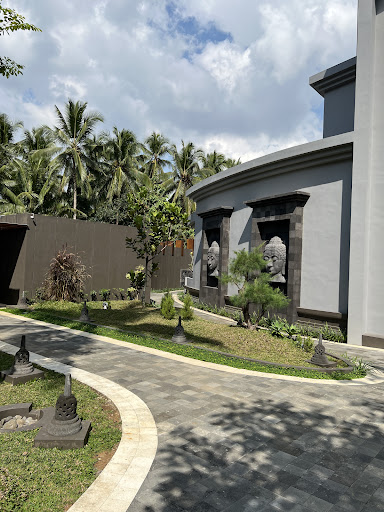
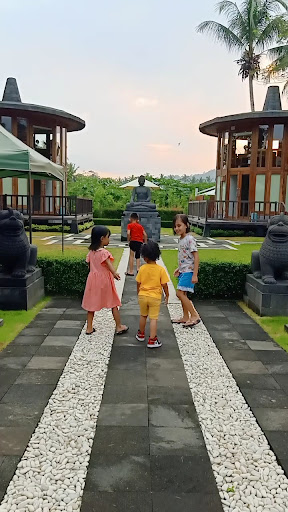
In some ways the Hotel Le Temple Borobodur is a scion off this mighty wheel of life! It has been conceived and built in alignment with the spirit of the kalyānamitras, the Good Friends, which comprises the Gandavyūha-sūtra, which stands at the heart of Borobodur: a kind of eclectic Buddhist counterpart to John Bunyan's "The Pilgrim's Progress", with its blend of French chic and panache and the principles of sacred architecture! These Good Friends come from all walks of life, many not even Buddhist, and they guide the pilgrim Sudhana on his path. You have lost your bearings in this bewildering world; or need to reset the gimbals on your compass? Let Le Temple's stunning views of one of the great sacred sites of the world prepare you for that inner journey that is the source of joy and inspiration!
In order to get a glimpse of what is at stake here, and to account for the mystical experience, to apprehend the Dharmadhatu (the Realm of Ultimate Reality), you need to grasp a fundamental idea about Hindu sacred architecture. Picture the mountaintop, where the deity resides. In his descent on a vertical axis, the horizontal, the entrance to the temple comes into view. If the spirit is right, the Divine will manifest in physical form in the intersection of both axes! When the Buddhist hierophant, or master of ceremonies, performs a ritual to awaken the gods for their assistance, he digs a small hole in the ground where in containers of gold, silver or porcelain he places five precious materials, five fragrant things, five medicines, and five grains. An initiation vase is placed at the top after the hole is closed, with gems, perfumes, medicines, and grains (again five in number). Sandalwood, originating in Indonesia, then marks the critical locations with images of Buddhas and Bodhisattvas. After five days, Mt. Sumeru is invoked and the above deities prepare a visitation. Thus the purified, sacred space becomes their canvas. You can meditate on these sacred spaces at La Temple by locking your third eye on a replica en miniature of the magnificent stupa! At the stupa proper, the seventh day sees an initiate being given water, slaking his thirst for Realization and guiding him on. The ritual concludes when the initiate is presented with a vajra, a gold spatula and a conch.
Some years ago I was in discussions about releasing a book about Borobodur with the then multimedia architect Titus Leber and some goading by the Indonesian Government, but my idea of according centre-stage to the meditative dimensions of this sacred space never...
Read moreHidden gem should you seek for fusion-local food. And their pasta menu are as authentic as western food it is.
Tried the Fettucine and I would say that only a handful of Italian or European restaurant in Jakarta has a level with this one. Very authentic taste! Delicious!
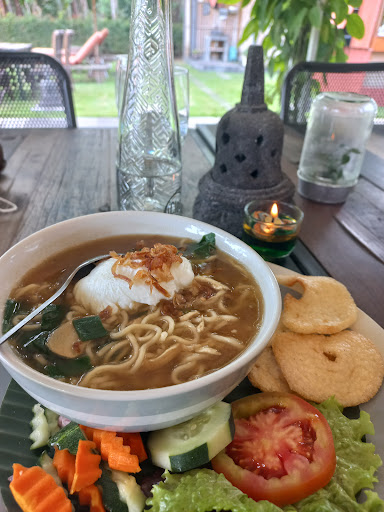
The Nasi Bakar, i believe was a fusion-food. Also superb! We tried the Nasi Bakar Rendang and Nasi Bakar Seafood. We can taste the Rendang and Seafood in the RICE.
Too bad the serving in each portion were to small for our glutton (LOL).
Just FYI, the chef is Indonesian. Great job for the menu he/she was preparing.
We love the food here more than the food served in the restaurant of our staying hotel. The owner (my guess) a young Bule was escorting us on our way to the parking lot. Very nice of him.
Hopefully we may be able to return here again in the future. We’ll remember Le Temple as a culinary destination while...
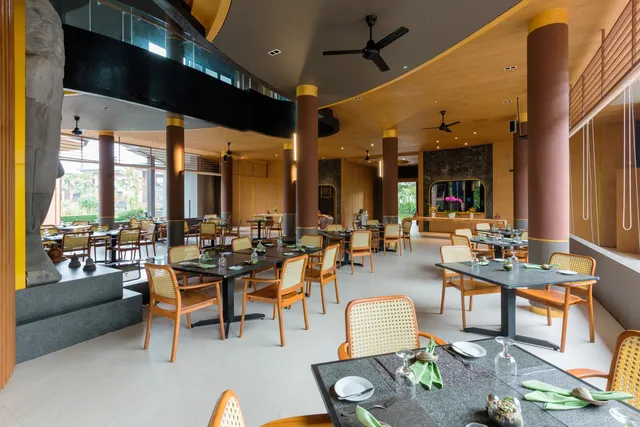
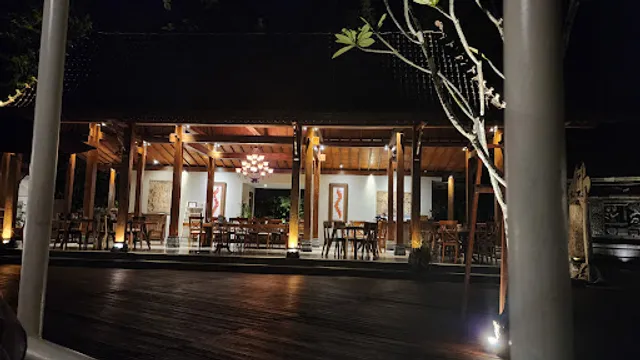
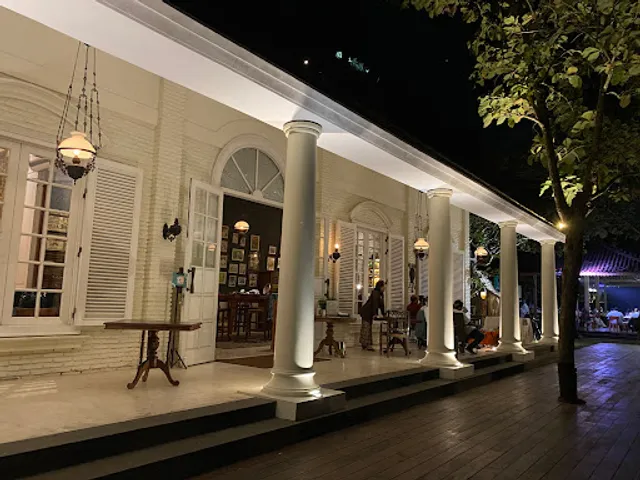
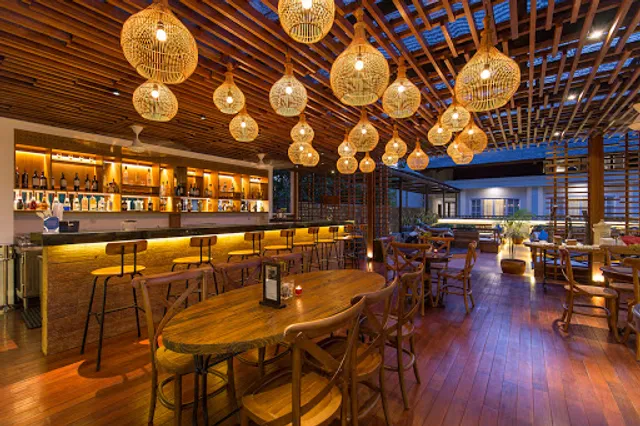
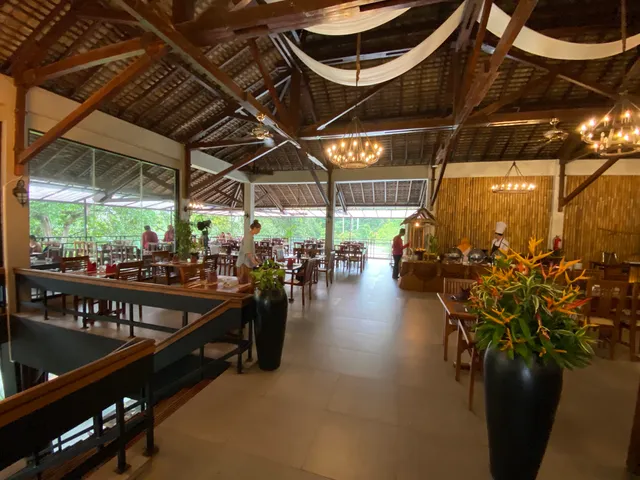
Read moreRestaurant was beautiful. Extremely beautiful, lovely place, and drinks were good.
However, the food was extremely disappointing. 4 out of the 6 of us ordered steaks, all medium. None were medium, one of which was blue rare and had to be sent back. All 4 were chewy.
Two of our steaks were «Entrecôte cafe de paris.» These were not Entrecôte (ribeye), but Tenderloin. They also did not come with any sauce, we requested our cafe de paris sauce for our «not-entrecôte cafe de paris,» and had to wait ten minutes for our mushroom sauce, not cafe de paris sauce.
It was especially clear the poor waiter staff was not well enough trained, but they were nice and helpful to us even if they did not understand everything we were trying to say.
Sadly expected much more for these prices and the...
Read more