Yorozu is helmed by Shirayama-san and I have to say that this visit blew me away. I had previously always felt that good Sushi is predominantly driven but he freshness of the fish. However during recent years, I’ve come to learn that most Sushi masters age their fish, with the duration dependent on the fish type and the quality and texture of the fish itself.
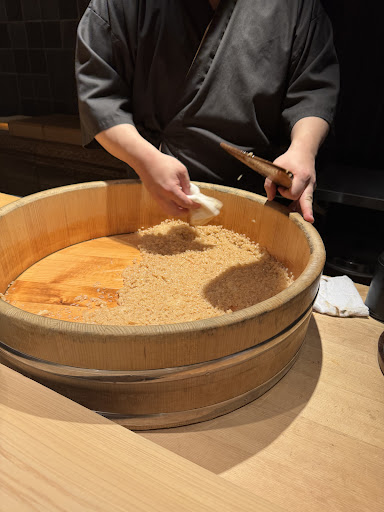
While most Sushi-yas will age the fish, Shirayama-san brings it to the next level and is a true master. The aging process brings out the rich flavours of each fish which is matched by the amazing rice prepared by the Chef right before our eyes. Yes, good Sushi rice is truly an important component of a good piece of Sushi and I love the taste of the red vinegar and the Al Dente texture of the rice whereby I can feel each individual grain which is cooked just right. For those that likes their rice really soft and moist, this won’t be your cup of tea but I truly loved it.
Then there was the Wasabi, Shirayama-san uses fresh Wasabi from Nagano and the lengths in which he grates the Wasabi using 3 different types of grater (Shark Skin and 2 metal graters) means that the wasabi is grated into 3 different textures before being blended together. Because my friends are regular customers, Shirayama-san shared with us each types of the grated wasabi and amazingly the different textures offered up different levels of ‘spiciness’ from the same piece of Wasabi. I learnt something new this week and I’m amazed by the little details that goes into Shirayama-san’s preparations.
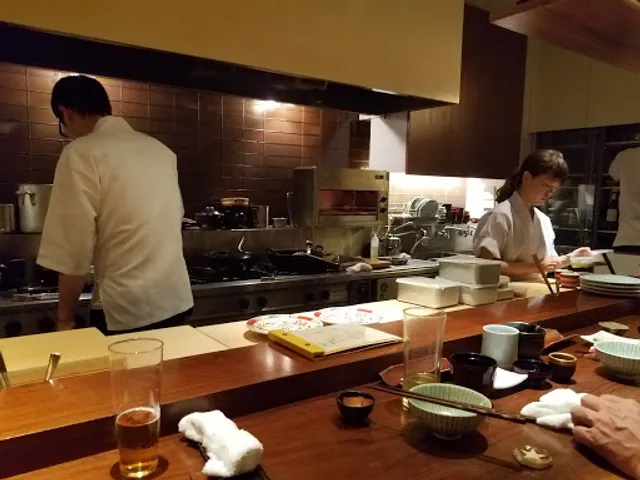
The aged fish was sliced up carefully in front of us and Shirayama-san took lengths to answer my questions and those posed by the others. Because 2 of the dining party are chefs back home in Singapore, his responses often went into details on not only the duration of the aging but also the methods (like how certain fish would need to be taken out to be sunned each day before going back into the fridge for aging). This is a sushi-ya that truly invests its time and energy into maximising the taste of each fish they order. As Shirayama-san is probably a trail-blazer in the scientific way of sushi aging, one can only imagine the amount of trial and error that has taken place over the years for each diner to enjoy the final product.
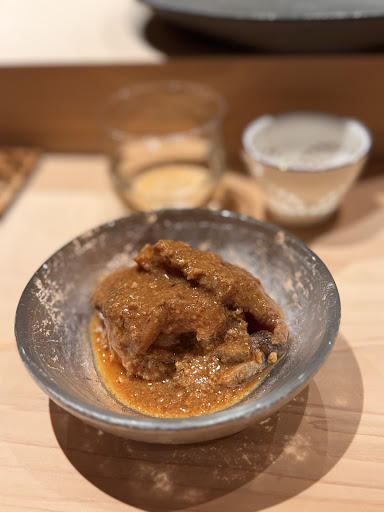
The Omakase menu was carefully planned and my favourites were the cooked Grouper, Monk Fish as well as the special Chutoro and Toro. It was a pity that they didn’t have much clam dishes but the quality of the fishes more than made up for it.
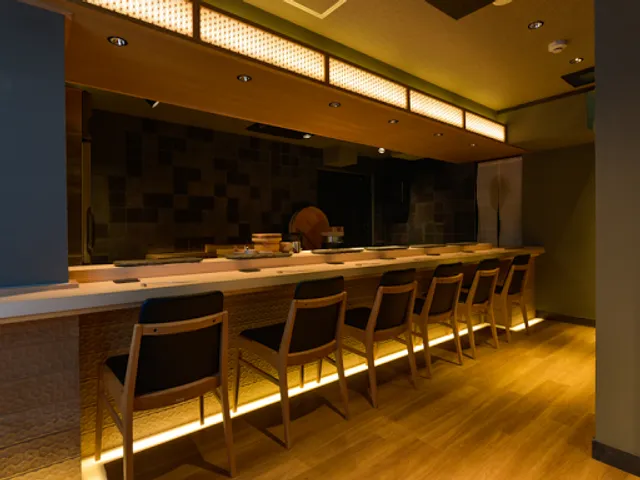
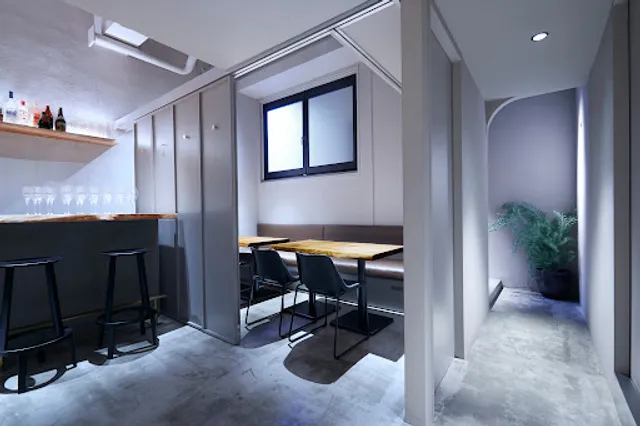
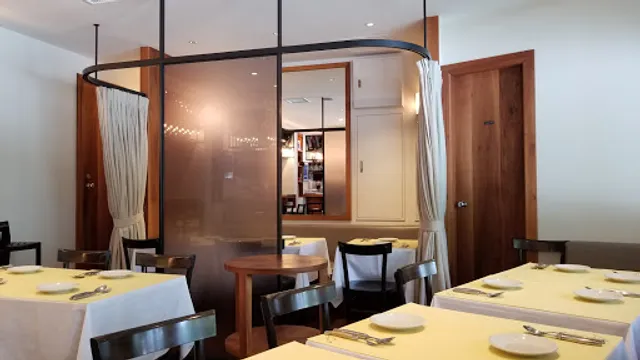
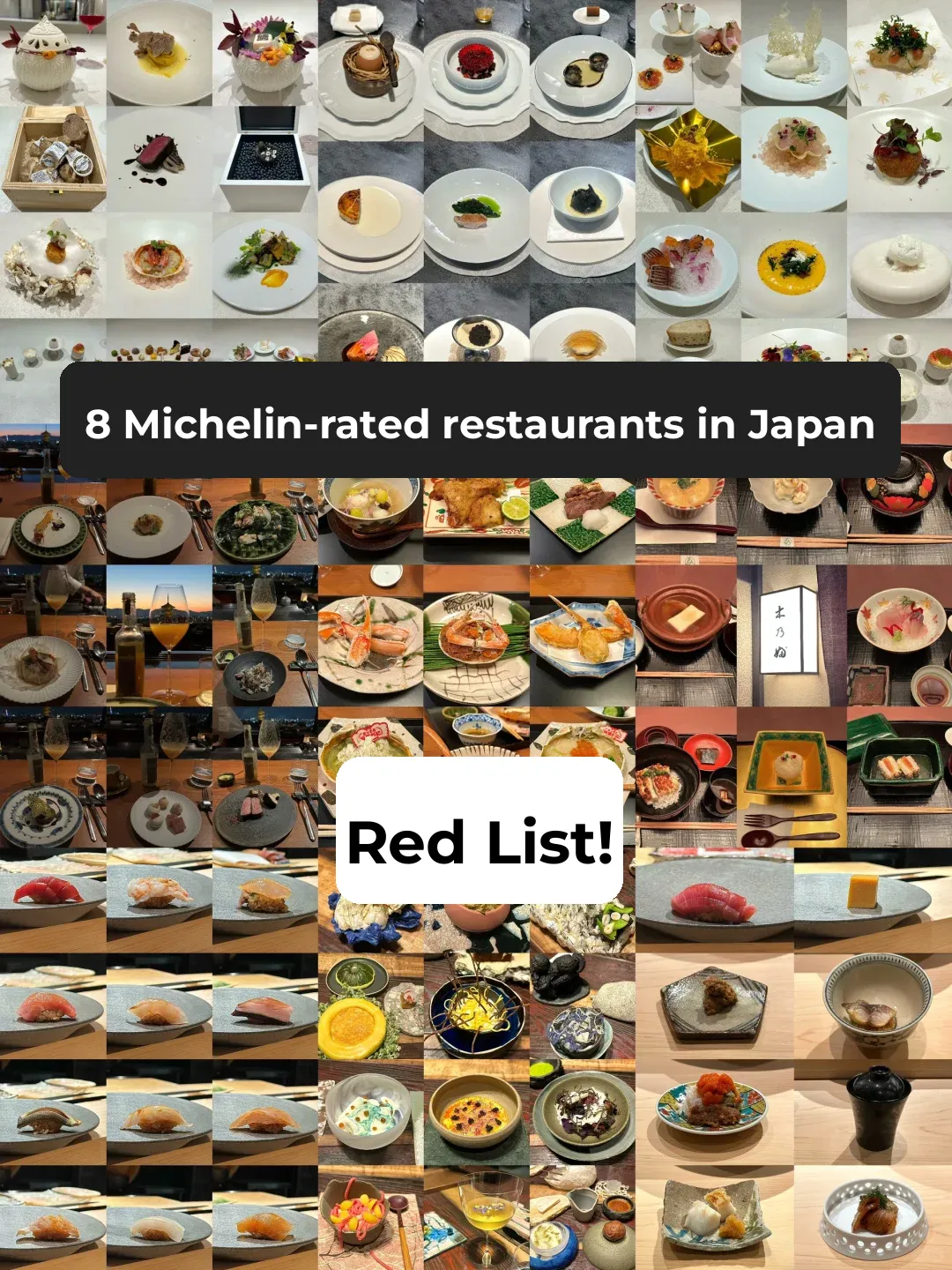
Dinner was nicely paired with sake and the overall price of dinner, while expensive, was extremely reasonable, considering the amount of work that needs to go into each slice of fish before it is placed before us. The overall ambience was nice and cosy. I shall let the pictures do the talking and I look forward to bringing my family here the next time I...
Read moreDined here 4/5 times in the last two years. If you’re curious about aged fish sushi, I feel Chef Shirayama’s outpost in Tokyo should be the place for your first experience. Fish aging isn’t new to Edomae sushi. Traditionally, Hirame, Madai and most white fishes are aged a few days to develop flavor and texture. They’re often accentuated through various methods of curing using kombu, salt, vinegar, sugar, miso, sakekasu, etc. Hon Maguro, of bluefin tuna, is also aged from the brokers to the sushi chef. At Yorozu, fish aging is elevated to a science. It’s not about the number of days; it’s about flavor. Texture. How aged fish complements chef’s al dente Nagano Koshihikari rice, cooked in bespoked cast iron/ enamel cookware, with a dose of bracing red vinegar. His deeply rich umami brushing shoyu (and slightly sweet) is also developed to pair with aged fish tane. There is no funkiness associated with aged fish, but specific scents and textures which an aged fish - like a Shiro Amadai, or a well-aged Kanpachi - should emanate. Every season, the lineup changes. This is in line with all reputable, high quality sushiya. Here, not only the sushi tane is aged. The cooked dishes go through aging too. I recall eating aged Monkfish liver and Botan Ebi. And his Clam Dashi which is made with nothing other than water, sake and the clam that’s been kept to an inch of its life, literally tastes like clam essence. Unlike more tourist friendly sushiya, Chef Shirayama’s English isn’t perfect. And he doesn’t take the Route One approach to bombard the night’s menu with the usual - and expensive - crowd pleasers like Uni and Awabi (which really is a summer season special, and not that remarkable outside the summer months). Service can be a bit awkward as he tries his best to explain what the guests are eating. But these days, with all sorts of translation apps, one gets by. The sake pairing here is always on point - the list features seasonal sake, less heralded breweries. Not your usual big guns like Juyondai, Isojiman, Zaku etc. Over the years, the restaurant Has raised its prices. But that’s pretty much what happened in Tokyo post covid. My meal came up to about 51,000¥, including several sakes. Is it the cheapest? No. Neither is it the priciest. I think it is a fair price to pay for an aged fish master at the top of his game. As a foodie, I’m glad that sushi has evolved so much in the past few years. There’re many sushi restaurants in Tokyo, most adhering to more classical Edomae styles. It is definitely worth taking a detour to experience those who are working with aged fish. And you can’t go wrong...
Read moreAged Sushi Experience: Disappointing and Overrated
I recently had the opportunity to dine at a sushi restaurant in Tokyo that specializes in aged sushi. Recommended by friends who had dined there multiple times, I was eager to try something new, especially after enjoying top-notch Edo Mae sushi at places like Sushi Sugita, Sushi Saito, and Sushi Arai.
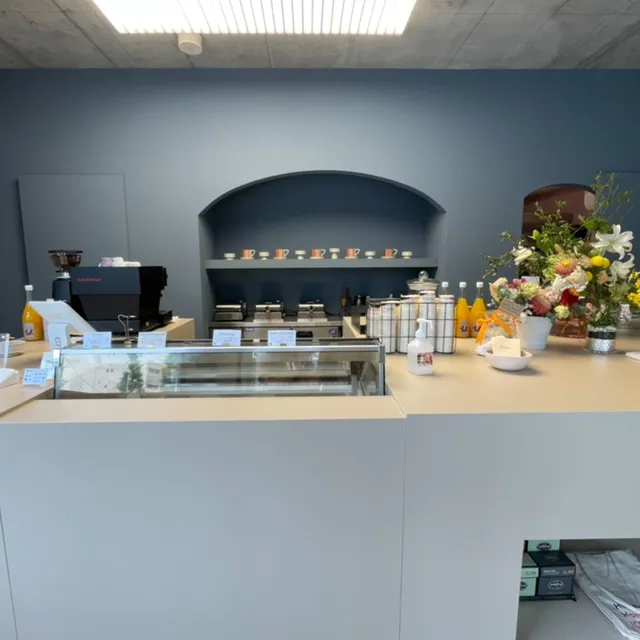
Ambiance First, let me mention the ambiance: it was nice and set a pleasant mood for the evening. However, that’s where the positives end.
Aged Sushi Concept The concept of aging fish is intriguing, but I couldn't shake the feeling that it was more gimmick than gourmet. The chef aged the fish for a minimum of 10 days, with some pieces aged up to 63 days. My question is: why age all types of fish? Surely, some are better enjoyed fresh. The aging process seemed to dull the natural flavors, rather than enhance them.
Overly Sauced Each piece of sushi was brushed with a sauce repeatedly, which completely masked the original taste of the fish. The more sauce applied, the more I felt like the chef was trying to hide the flaws of the aged fish. Sushi should allow the quality of the fish to shine, not be drowned in sauce.
Rice Issues The rice, or shari, was hard and sticky. I was told this was intentional to balance the aged fish, but I found it difficult to accept that dry, hard rice could be considered good sushi rice. It detracted from the experience entirely.
Wasabi Disappointment The chef showcased three types of wasabi using different graters, but the taste difference was negligible. Each piece had so little wasabi that I could barely taste it. If premium wasabi is a highlight, it should be more prominent.
The Bill After sampling 5-6 types of sake and a few pieces of sushi, the bill came to a staggering JPY 51,000. For that price, I expected exquisite ingredients like sea urchin or abalone, but there were none. It felt like a rip-off for what we received.
Conclusion I typically avoid giving negative reviews, but this experience was disappointing. Aged sushi might appeal to those unfamiliar with high-end traditional sushi, but for anyone seeking the fresh, vibrant flavors of Edo Mae sushi, this restaurant is not the place to go. It perhaps deserves a new classification—"New Age Sushi" for those willing to pay a premium for an experience that strays far from authentic...
Read more