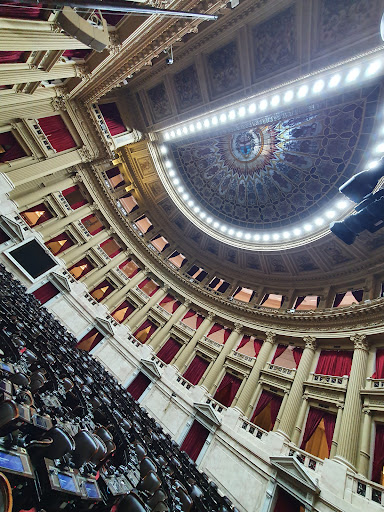
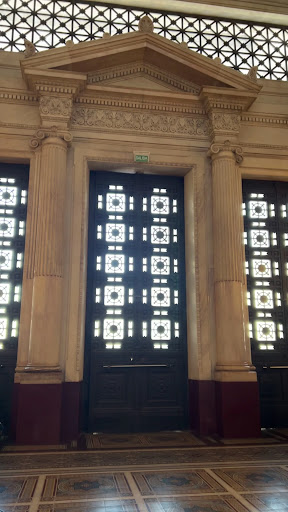
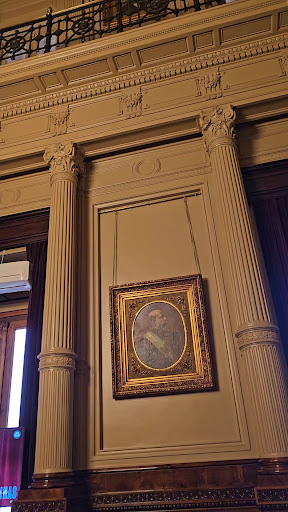
Congreso de la Nación Argentina things to do, attractions, restaurants, events info and trip planning

Basic Info
Congreso de la Nación Argentina
Av. Entre Ríos, C1033 Cdad. Autónoma de Buenos Aires, Argentina
4.5(2.5K)
Open 24 hours
Save
spot
spot
Ratings & Description
Info
Cultural
Scenic
Accessibility
Family friendly
attractions: Plaza del Congreso, Congreso Nacional, El Molino Patisserie, Biblioteca del Congreso de la Nación, Monumento a los Dos Congresos, Plaza Mariano Moreno, Plaza Primero de Mayo, Palacio Barolo, Basilica of Our Lady of Mercy, Plaza Lorea, restaurants: La Gran Taberna, La Americana Empanadas, Starbucks Coffee [Tienda: Callao], Casablanca, Café de los Angelitos, Cervantes, Pata Pizza, Restaurante La Tacita, Tienda de empanadas, Bellagamba BODEGÓN, local businesses: Congreso de la Nación Argentina, Plaza del Congreso, Congreso Nacional, Plaza Adolfo Alsina, Honorable Cámara de Diputados de la Nación, Edificio de Interés Histórico, Espacio Edelvives, Buenos Aires Downtown Experience, Grand Lodge of Argentina of Free and Accepted Masons, BAO Workcenter
 Learn more insights from Wanderboat AI.
Website
congreso.gob.ar
Plan your stay

Pet-friendly Hotels in Autonomous City of Buenos Aires
Find a cozy hotel nearby and make it a full experience.

Affordable Hotels in Autonomous City of Buenos Aires
Find a cozy hotel nearby and make it a full experience.

The Coolest Hotels You Haven't Heard Of (Yet)
Find a cozy hotel nearby and make it a full experience.

Trending Stays Worth the Hype in Autonomous City of Buenos Aires
Find a cozy hotel nearby and make it a full experience.
Reviews
Live events
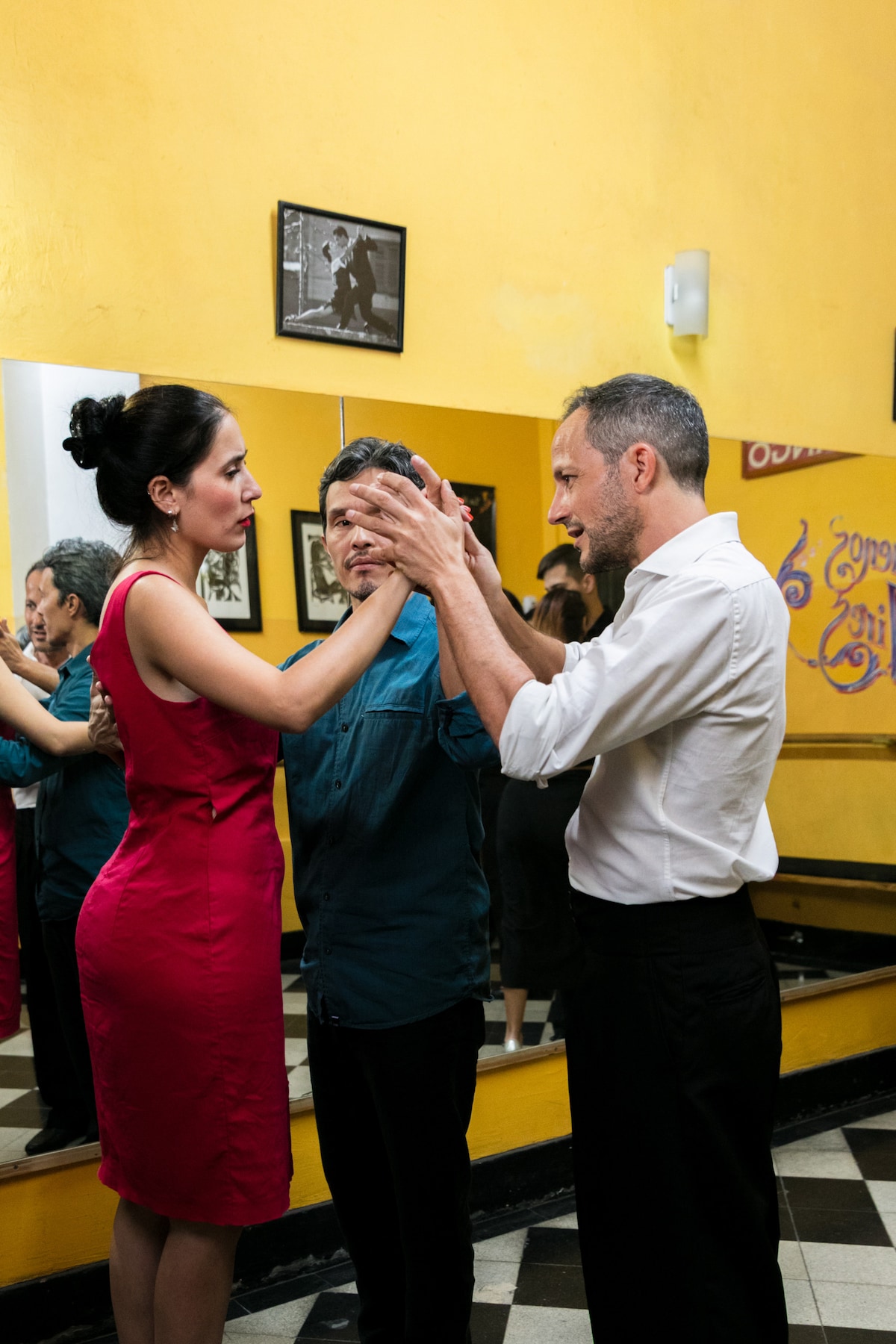
Authentic Tango with a local dancer
Tue, Feb 17 • 8:30 PM
C1098, Buenos Aires, Buenos Aires, Argentina
View details
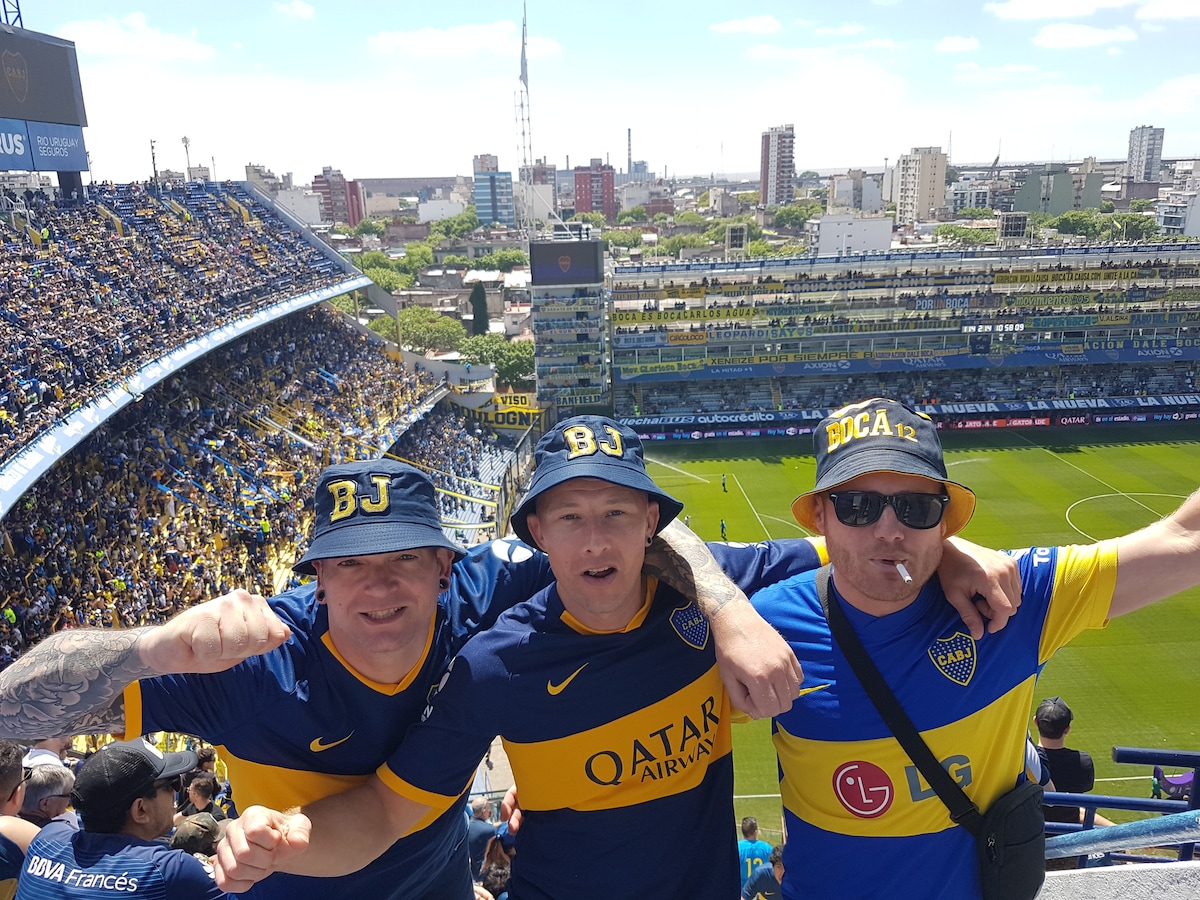
Watch an Argentine soccer match with a true fan
Thu, Feb 19 • 2:30 PM
C1010, Buenos Aires, Ciudad Autónoma de Buenos Aires, Argentina
View details

Be curious in Buenos Aires
Wed, Feb 18 • 2:00 PM
C1154, AAC, Ciudad Autónoma de Buenos Aires, Argentina
View details
Nearby attractions of Congreso de la Nación Argentina
Plaza del Congreso
Congreso Nacional
El Molino Patisserie
Biblioteca del Congreso de la Nación
Monumento a los Dos Congresos
Plaza Mariano Moreno
Plaza Primero de Mayo
Palacio Barolo
Basilica of Our Lady of Mercy
Plaza Lorea
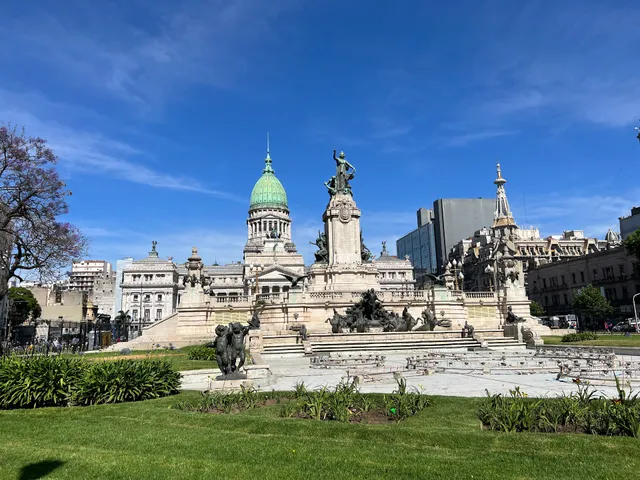
Plaza del Congreso
4.4
(19.5K)
Open until 12:00 AM
Click for details
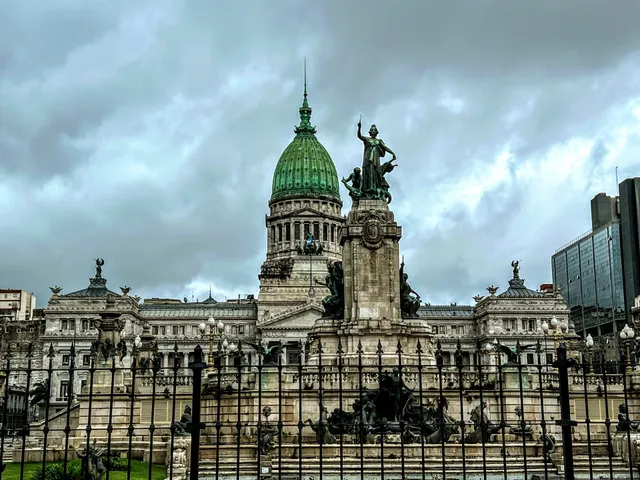
Congreso Nacional
4.6
(626)
Closed
Click for details
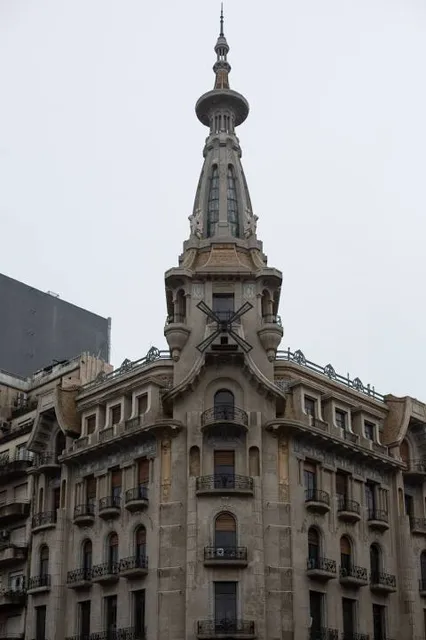
El Molino Patisserie
4.7
(739)
Open 24 hours
Click for details
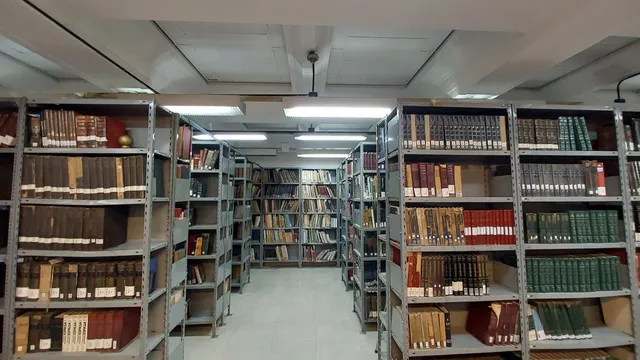
Biblioteca del Congreso de la Nación
4.6
(349)
Open until 11:00 PM
Click for details
Nearby restaurants of Congreso de la Nación Argentina
La Gran Taberna
La Americana Empanadas
Starbucks Coffee [Tienda: Callao]
Casablanca
Café de los Angelitos
Cervantes
Pata Pizza
Restaurante La Tacita
Tienda de empanadas
Bellagamba BODEGÓN
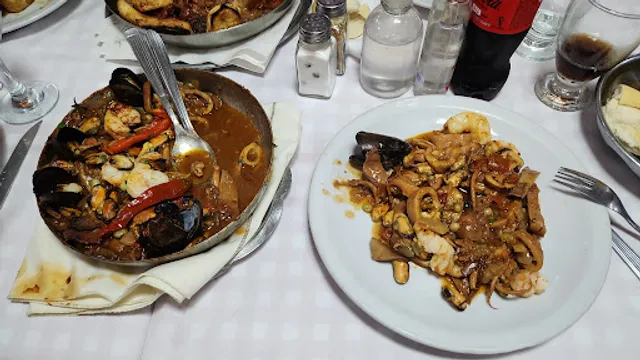
La Gran Taberna
4.4
(3.1K)
$$$
Closed
Click for details
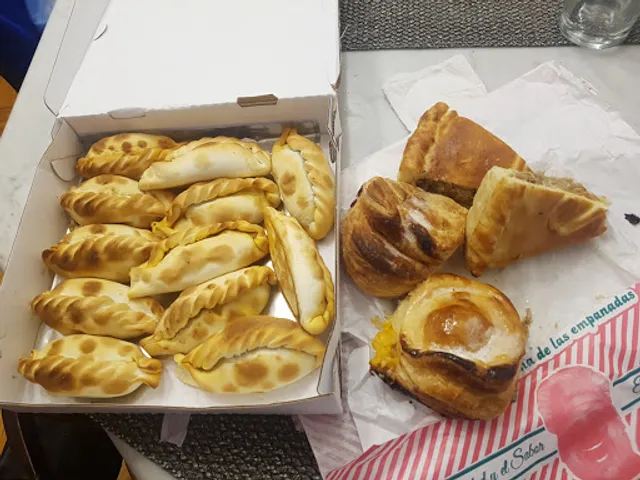
La Americana Empanadas
4.3
(7.1K)
Open until 2:00 AM
Click for details
![Starbucks Coffee [Tienda: Callao]](https://d2kihw5e8drjh5.cloudfront.net/eyJidWNrZXQiOiJ1dGEtaW1hZ2VzIiwia2V5IjoicGxhY2VfaW1nL2xLQTdiWDczUUZpWkFMdnBxbHNRR0EiLCJlZGl0cyI6eyJyZXNpemUiOnsid2lkdGgiOjY0MCwiaGVpZ2h0Ijo2NDAsImZpdCI6Imluc2lkZSJ9LCJyb3RhdGUiOm51bGwsInRvRm9ybWF0IjogIndlYnAifX0=)
Starbucks Coffee [Tienda: Callao]
4.2
(2.6K)
Open until 9:00 PM
Click for details
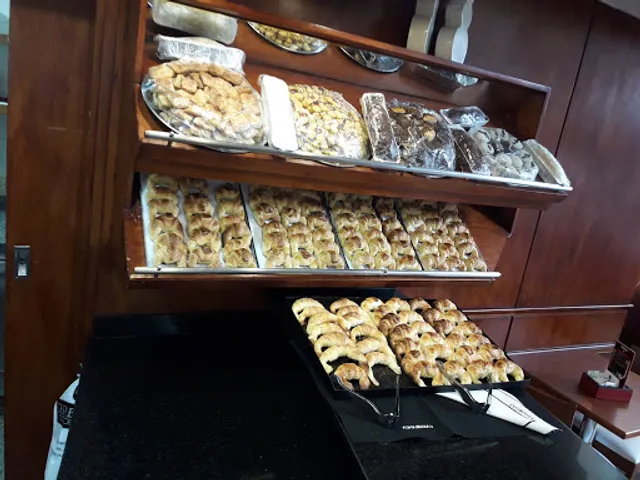
Casablanca
4.0
(1.3K)
Open until 12:00 AM
Click for details
Nearby local services of Congreso de la Nación Argentina
Congreso de la Nación Argentina
Plaza del Congreso
Congreso Nacional
Plaza Adolfo Alsina
Honorable Cámara de Diputados de la Nación
Edificio de Interés Histórico
Espacio Edelvives
Buenos Aires Downtown Experience
Grand Lodge of Argentina of Free and Accepted Masons
BAO Workcenter
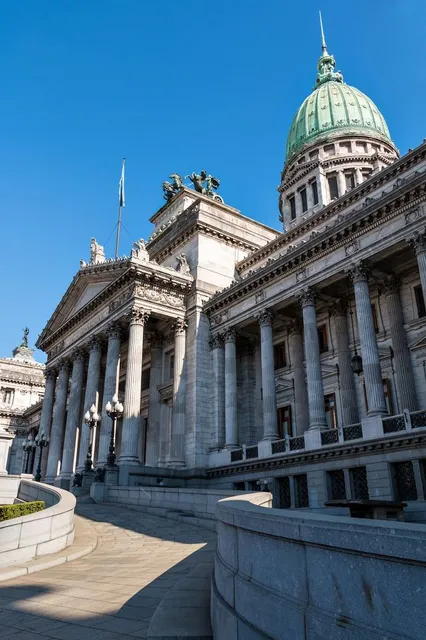
Congreso de la Nación Argentina
4.5
(2.2K)
Click for details
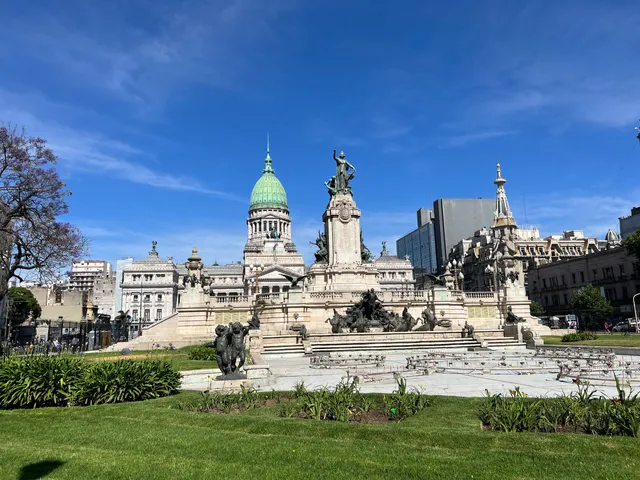
Plaza del Congreso
4.3
(17.6K)
Click for details
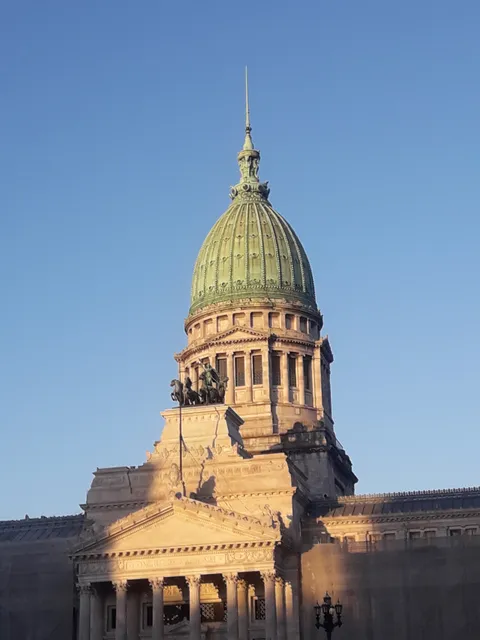
Congreso Nacional
4.6
(390)
Click for details
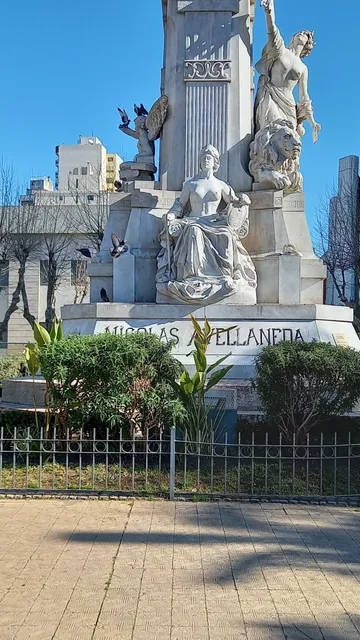
Plaza Adolfo Alsina
4.4
(4.2K)
Click for details