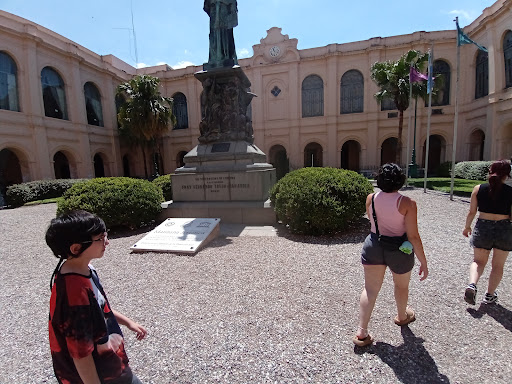
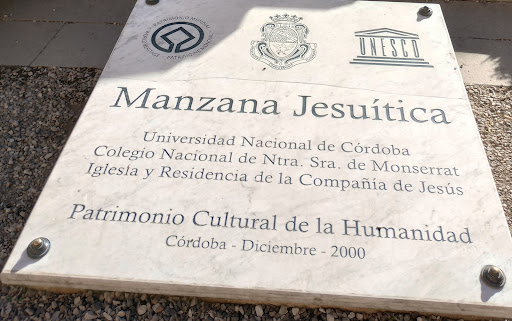
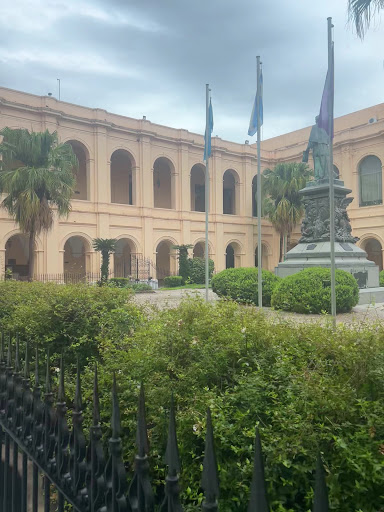
UNC Historical Museum - Manzana Jesuítica things to do, attractions, restaurants, events info and trip planning

Basic Info
UNC Historical Museum - Manzana Jesuítica
Obispo Trejo 242, X5000 IYF, Córdoba, Argentina
4.7(141)
Open until 12:00 AM

tickets
Save
spot
spot
Ratings & Description
Info
Cultural
Family friendly
Accessibility
attractions: Society of Jesus Church, Plaza San Martin, 𝐌𝐕𝐒𝐄𝐕𝐌 𝙼𝙾𝙽𝚂𝙴𝚁𝚁𝙰𝚃 (Museo Histórico Colegio Nacional de Monserrat), Museo de Paleontología | F.C.E.F. y N., San Alberto Museum, Plaza Ex.Vélez Sársfield, Spain Cordoba Cultural Center, Manzana Jesuítica, Cabildo de Córdoba, Trampoline Park by Area X, restaurants: Mandarina, La Compañia Cafe & Resto, Independencia 180 • Café de especialidad, El Ruedo, Mármol Siglo 17, Bar Monserrat, El Solar de Tejeda, Morfeta, EL CLUB DE LA MILANESA [Patio Olmos], Parrilla del Boulevard, local businesses: Patio Olmos Shopping, Catedral de Córdoba. Nuestra Señora de la Asunción, Candy 365, Royal Bombonería, Sweet Sweet Way, Plaza Italia, Chialvo SRL ., Basilica Ntra. Sra. De La Merced, Bomboneria Royal, Sugar Crash
 Learn more insights from Wanderboat AI.
Phone
+54 351 433-2075
Website
museohistorico.unc.edu.ar
Open hoursSee all hours
Mon9:30 AM - 2:30 PMOpen
Plan your stay

Pet-friendly Hotels in Municipio de Córdoba
Find a cozy hotel nearby and make it a full experience.

Affordable Hotels in Municipio de Córdoba
Find a cozy hotel nearby and make it a full experience.

The Coolest Hotels You Haven't Heard Of (Yet)
Find a cozy hotel nearby and make it a full experience.

Trending Stays Worth the Hype in Municipio de Córdoba
Find a cozy hotel nearby and make it a full experience.
Reviews
Live events

Córdoba for the Curious
Mon, Jan 26 • 7:00 PM
X5022, Córdoba, Córdoba Province, Argentina
View details
Candlelight: Coldplay vs. Ed Sheeran
Thu, Jan 29 • 7:00 PM
Centro, Rosario de Santa Fe 272, Córdoba, X5000-ACF
View details
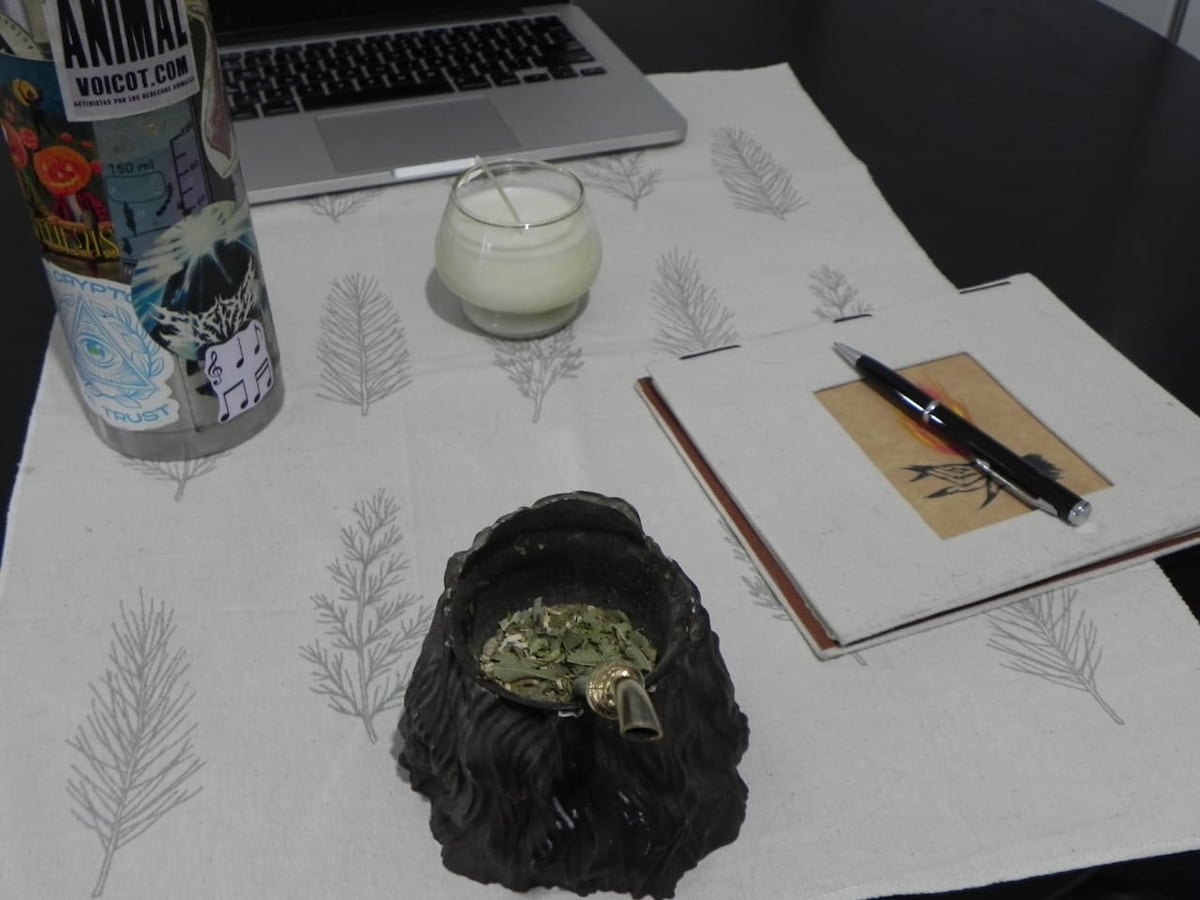
Learn Argentinian Spanish & Culture Through Mate
Mon, Jan 26 • 5:45 PM
X5000, Córdoba, Córdoba Province, Argentina
View details
Nearby attractions of UNC Historical Museum - Manzana Jesuítica
Society of Jesus Church
Plaza San Martin
𝐌𝐕𝐒𝐄𝐕𝐌 𝙼𝙾𝙽𝚂𝙴𝚁𝚁𝙰𝚃 (Museo Histórico Colegio Nacional de Monserrat)
Museo de Paleontología | F.C.E.F. y N.
San Alberto Museum
Plaza Ex.Vélez Sársfield
Spain Cordoba Cultural Center
Manzana Jesuítica
Cabildo de Córdoba
Trampoline Park by Area X
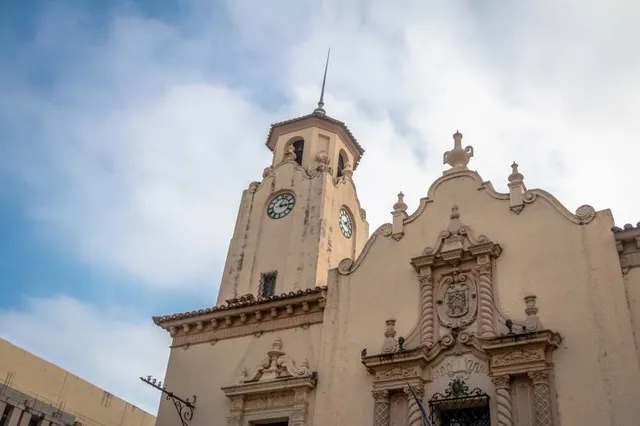
Society of Jesus Church
4.8
(879)
Closed
Click for details
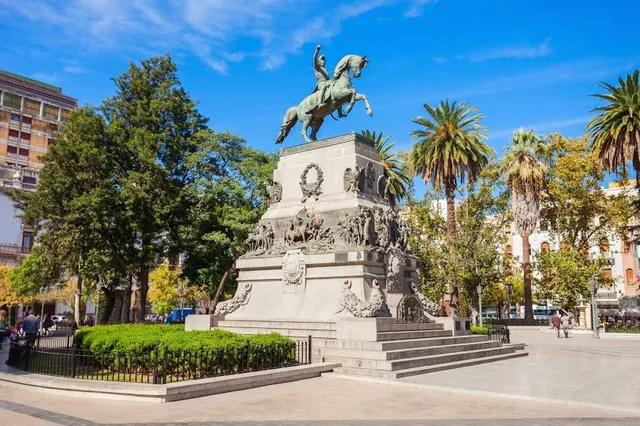
Plaza San Martin
4.2
(20.9K)
Open until 12:00 AM
Click for details
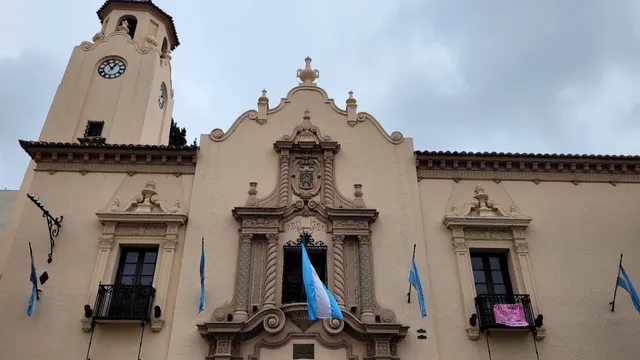
𝐌𝐕𝐒𝐄𝐕𝐌 𝙼𝙾𝙽𝚂𝙴𝚁𝚁𝙰𝚃 (Museo Histórico Colegio Nacional de Monserrat)
4.7
(227)
Open until 12:00 AM
Click for details
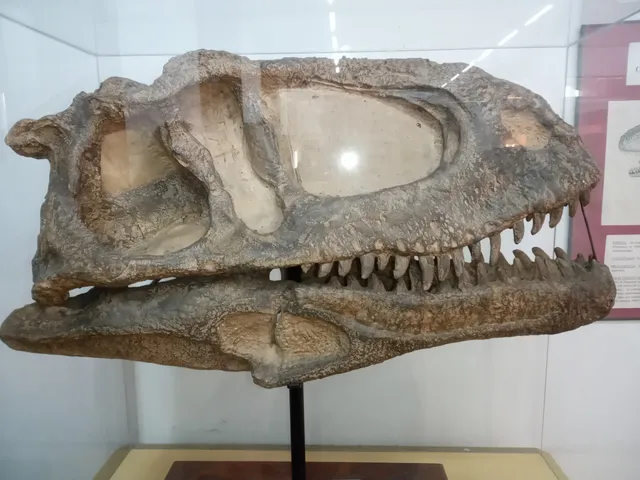
Museo de Paleontología | F.C.E.F. y N.
4.3
(212)
Open until 12:00 AM
Click for details
Nearby restaurants of UNC Historical Museum - Manzana Jesuítica
Mandarina
La Compañia Cafe & Resto
Independencia 180 • Café de especialidad
El Ruedo
Mármol Siglo 17
Bar Monserrat
El Solar de Tejeda
Morfeta
EL CLUB DE LA MILANESA [Patio Olmos]
Parrilla del Boulevard

Mandarina
4.1
(1.9K)
Open until 12:00 AM
Click for details
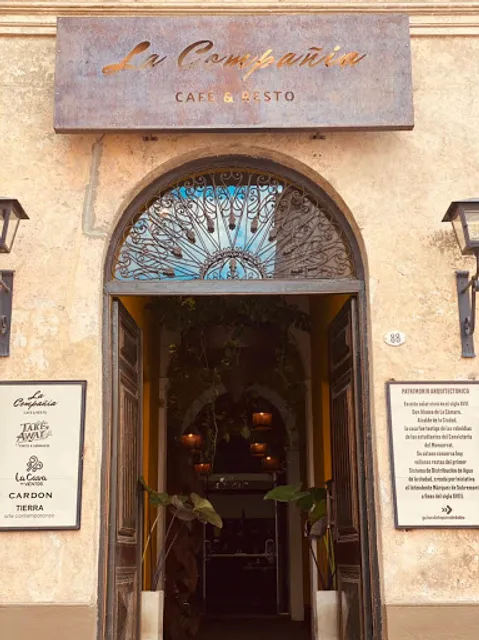
La Compañia Cafe & Resto
4.6
(476)
Click for details

Independencia 180 • Café de especialidad
4.4
(1.4K)
Open until 12:00 AM
Click for details

El Ruedo
4.2
(3.5K)
Open until 2:00 AM
Click for details
Nearby local services of UNC Historical Museum - Manzana Jesuítica
Patio Olmos Shopping
Catedral de Córdoba. Nuestra Señora de la Asunción
Candy 365
Royal Bombonería
Sweet Sweet Way
Plaza Italia
Chialvo SRL .
Basilica Ntra. Sra. De La Merced
Bomboneria Royal
Sugar Crash

Patio Olmos Shopping
4.3
(6.5K)
Click for details
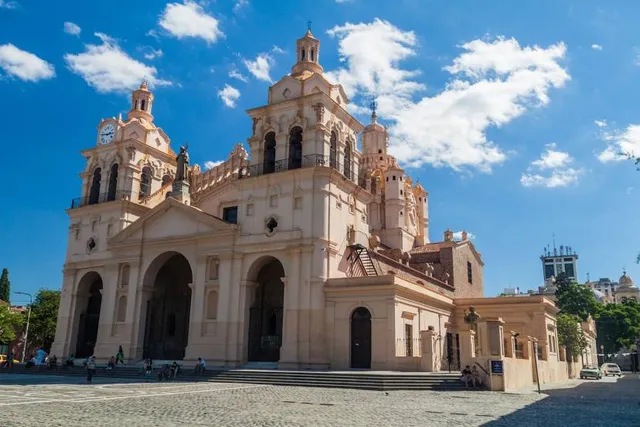
Catedral de Córdoba. Nuestra Señora de la Asunción
4.8
(948)
Click for details
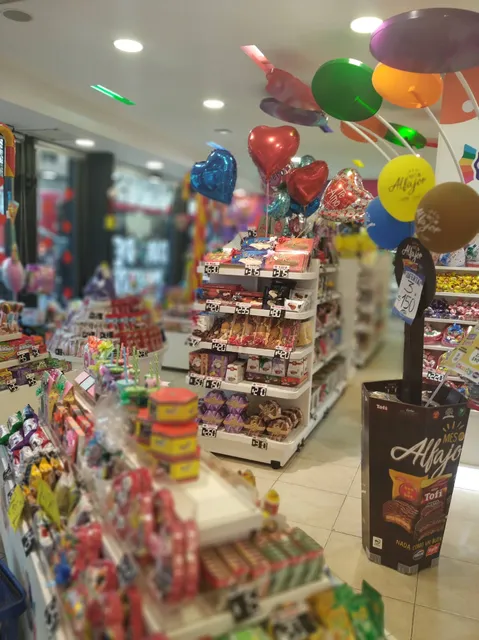
Candy 365
4.3
(187)
Click for details

Royal Bombonería
4.1
(1.0K)
Click for details