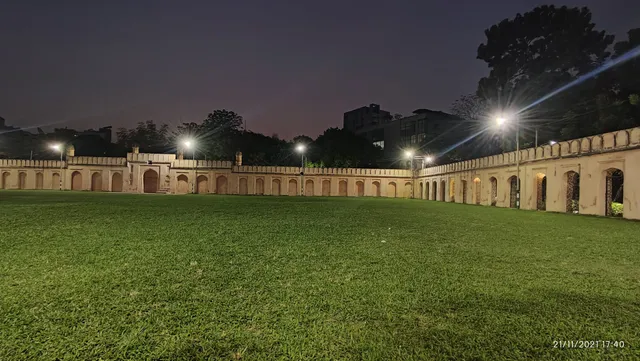
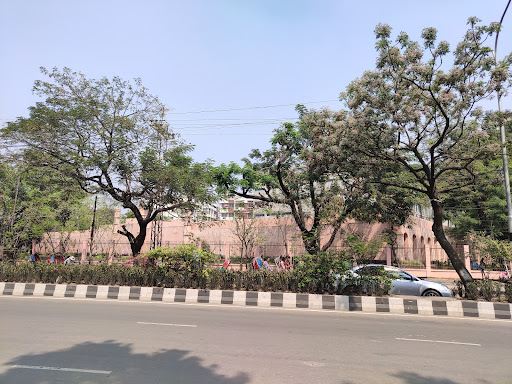
The Dhanmondi Shahi Eidgah, also called Mughal Eidgah, is located at Saat Masjid road, in the Dhanmondi residential area of Dhaka, Bangladesh.[1] It is an urban open space and mosque. It was built in 1640 CE,[1] and has been in use for Eid celebrations since. Conservationist architect Abu Sayeed M Ahmed wtote, "This Eidgah is the oldest surviving Mughal monument in Dhaka city. There is no second one with the architectural forms and features similar to it."
Popularly known as "Dhanmondi Eidgah", the structure, located at Dhanmondi 6A, Dhaka, is a listed archaeological site of the Department of Archaeology. It was built during the Mughal era and has historical, architectural and heritage value.
History=========The Mughal Eidgah is a monumental structure built during the Mughal Empire. The Mughal subehdars and diwans living in this land used to come to the Eidgah for Eid prayers twice a year. The fish traders used to organise fairs here where thousands of people used to gather and have grand feasts. Popularly known as Dhanmondi Eidgah, the structure is an example of Mughal architecture.
Founded in the 4th century, Eidgah (Dhaka) first received principal status in 1610, when the Mughals transferred the capital from Rajmahal to Dhaka, and renamed it Jahangirnagar. During the Mughal period, Dhaka became the chief commercial emporium and capital. The center of a princely state, it is reputed to have a thousand mosques.
Historical Eidgah (Dhaka) was constructed by Mir Abul Qasim, Dewan by the order of Prince Shah Shuja, Mughal viceroy of Bengal, second son of Emperor Shahjahan. Shuja appreciated art, and despite political events, prosperity prevailed in the Subah and its prime city Dhaka. His reign remained known for another period of prolific building activities, proven by remnants of varieties of building types in Dhaka, like the Katra and Eidgah, and course few mosques. A Persian inscription records the date of its erection in 1640 CE (1050 AH).
True to traditional siting, the Mughal Eidgah was just at the outskirts of the city. The Mughal structure was erected possibly nearer the river flowing through the west, near a place named Company Ghat. The river Turag, a tributary of Buriganga, has now silted away. The late-Mughal and colonial settlements expanded along it in the Hazaribag-Rayerbazaar, with many small late–Mughal and British Colonial...
Read moreThe Dhanmondi Shahi Eidgah, also known as Mughal Eidgah, is located in Saat Masjid road, in Dhanmondi residential area of Dhaka, Bangladesh. The Eidgah was built in 1640 CE during the Mughal era and has been in use for Eid celebration since then. The structure is a listed archaeological site of the Department of Archaeology and has historical, architectural and heritage values. It is an example of Mughal architecture.Conservationist architect Abu Sayeed M Ahmed wtote, "This Eidgah is the oldest surviving Mughal monument in Dhaka city. There is no second one with the architectural forms and features similar to it." The Mughal Eidgah is a monumental structure built during the Mughal Empire. the Eidgah was built by Mir Abul Qasim, a Diwan of Shah Shuja and builder of Boro Katra.
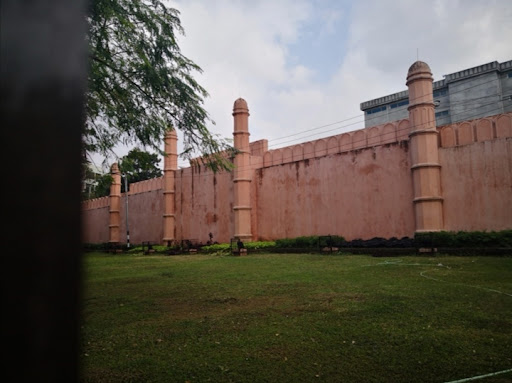
The Mughal subehdars and diwans living in this land used to come to the Eidgah for Eid prayers. The Eidgah for Eid congregating was a platform measuring 148 feet by 137 feet in size raised from the surrounding land by 4–6 feet. It was oblong in plan, with thick brick walls enclosing the courtyard on all side except east. The 15-foot high west wall, the only surviving part of it, has a 5-foot deep four –centred and stilted arched semi-octagonal Mihrab with an inscription on top. It was decorated with multi-cusped arch and flanked by shallow subsidiary niches, three on each side.
The surrounding wall was possibly partly perforated; these had a row of battlement cresting with additional elements decorating the corners, the projected parts of the walls and the diminishing sections on the western wall, like in a fort. Though these had structural reason to be there, but their placement and shapes contributed to the aesthetic too.
During Mughal period, a river branch flowed beside the Eidgah connected the river near Saat Masjid. The Mughal Subehdars and Diwans living in this land used to come to the Eidgah for Eid prayers. People still gather at the place for Eid prayer congregation. The Eidgah spreads over around 3.5...
Read moreA Morning Glimpse of the Dhanmondi Eidgah – A Royal Heritage in the Heart of Dhaka
This morning, during my usual outing for exercise, I had the pleasure of passing by the iconic Dhanmondi Eidgah — a historical landmark that never fails to capture attention. Nestled in the heart of Dhanmondi, Dhaka, this architectural gem stands as a quiet reminder of the city’s rich cultural and religious heritage.
As I paused briefly to admire its majestic structure, I couldn’t help but be drawn in by the Eidgah's regal aura. Its large open prayer space, framed by aged yet elegant walls and arches, speaks of centuries-old traditions that still live on in the urban fabric of Dhaka. The design is simple yet commanding, with a grandeur that reflects both spiritual purpose and historical depth.
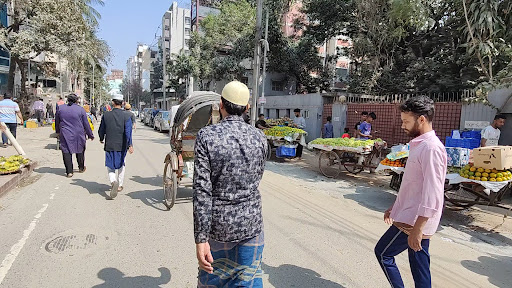
What struck me most was how seamlessly the Eidgah blends history with the everyday life of the city. Amid the morning hustle, its presence offers a peaceful pause — a sacred space amidst the buzz of traffic and city dwellers. The structure may not be overly ornate, but its charm lies in its authenticity. The aged bricks, weathered by time, only enhance its beauty, telling silent stories of the countless Eid congregations held there over the years.
For both locals and visitors, the Dhanmondi Eidgah is more than just a prayer ground — it’s a living monument. Whether you’re an architecture enthusiast, a history lover, or just someone passing by on a morning walk, this site offers a moment of quiet reflection and a deep connection to Dhaka’s roots.
In a rapidly modernizing city, the Dhanmondi Eidgah stands tall — royal, resilient, and undeniably...
Read more