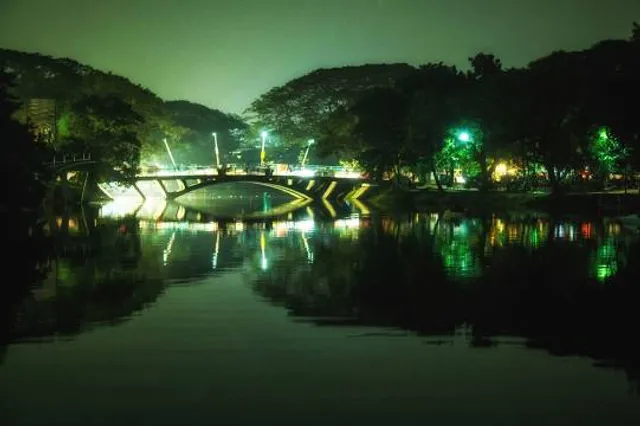
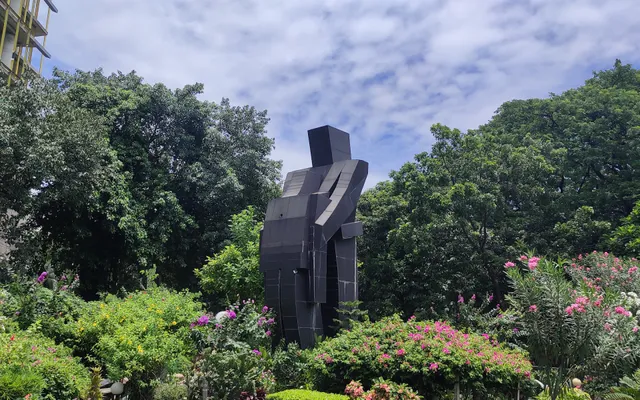
Dhanmondi Lake, nestled in the heart of Dhaka, Bangladesh, stands as a quintessential example of urban rejuvenation, blending nature with city life. Originally part of the Dhanmondi residential area developed in the late 1950s, this picturesque water body has transformed over the decades into a beloved recreational hub for both residents and visitors.
Historical Context and Development
The Dhanmondi area was designed to accommodate Dhaka’s expanding population, with the lake initially serving as a stormwater reservoir. By the 1990s, the need for urban green spaces became increasingly evident, prompting significant development efforts in 1996. This initiative aimed to enhance the lake’s ecological and recreational appeal, resulting in a beautifully landscaped environment that offers a respite from the hustle and bustle of city life.
Scenic Beauty and Recreational Opportunities
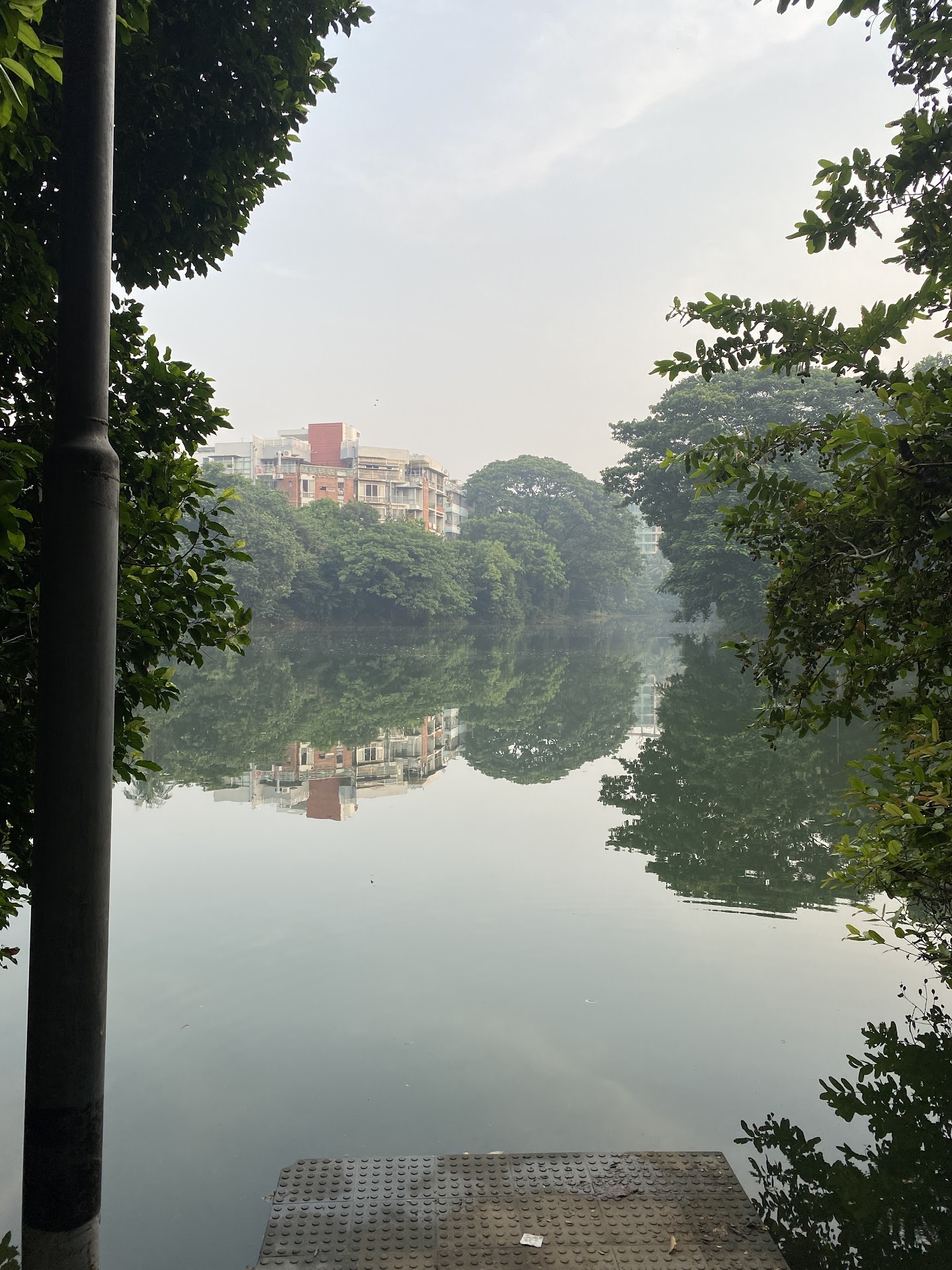
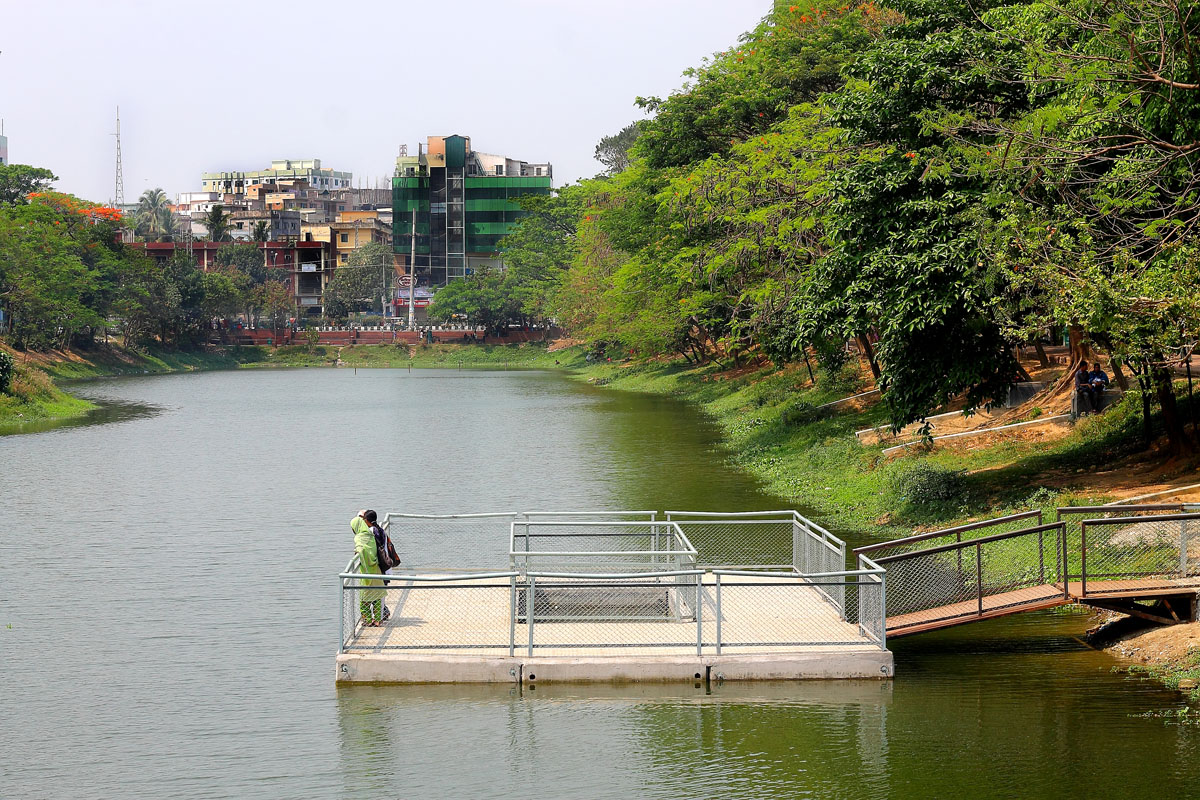
Today, Dhanmondi Lake is renowned for its lush greenery, scenic walkways, and serene waters. The lake stretches across a significant area, offering ample space for various outdoor activities. Visitors can enjoy leisurely strolls along the well-maintained pathways, shaded by trees that provide relief from the city’s heat. The surrounding greenery not only adds to the aesthetic appeal but also contributes to improving air quality and supporting local biodiversity.
The lake is particularly popular among joggers and fitness enthusiasts, who frequent its perimeter for morning and evening runs. Additionally, there are dedicated cycling paths that attract cyclists of all ages. For those seeking a more relaxed experience, several benches and resting areas are strategically placed, allowing visitors to enjoy the tranquil ambiance and observe the local birdlife.
Cultural and Social Hub
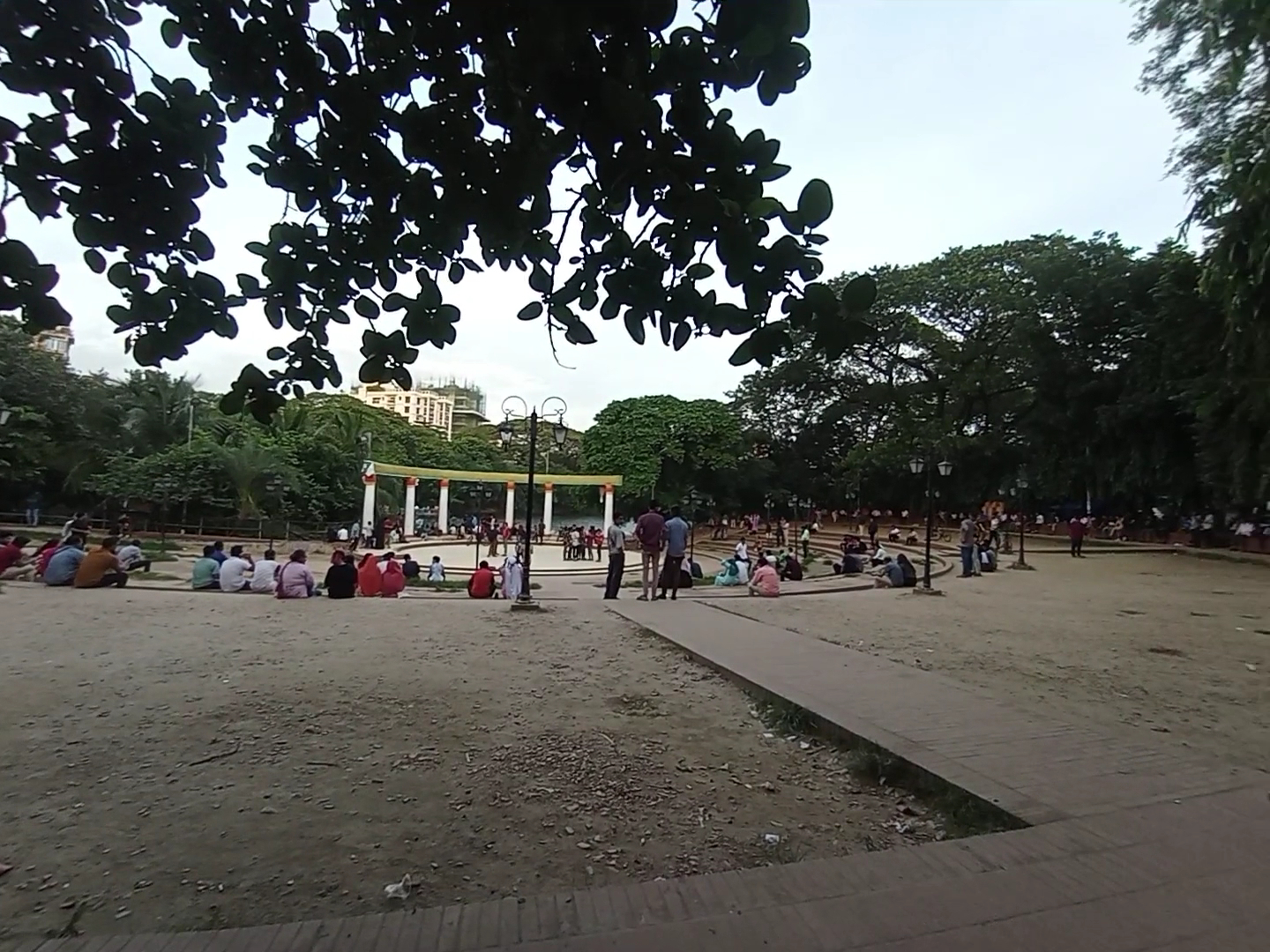
Beyond its natural allure, Dhanmondi Lake serves as a vibrant cultural and social hub. The amphitheatre, located on the lake’s banks, hosts various cultural events, concerts, and performances, attracting diverse audiences. This venue provides a platform for local artists and performers, fostering a sense of community and cultural engagement.
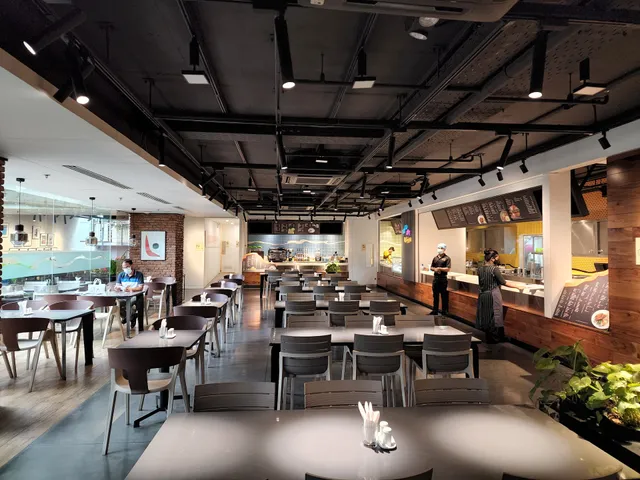
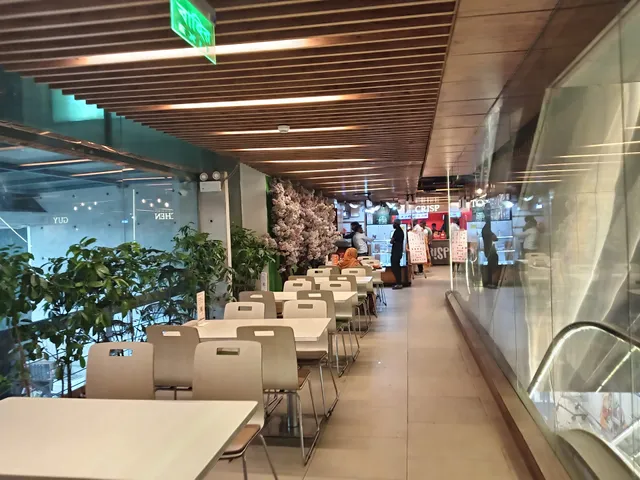
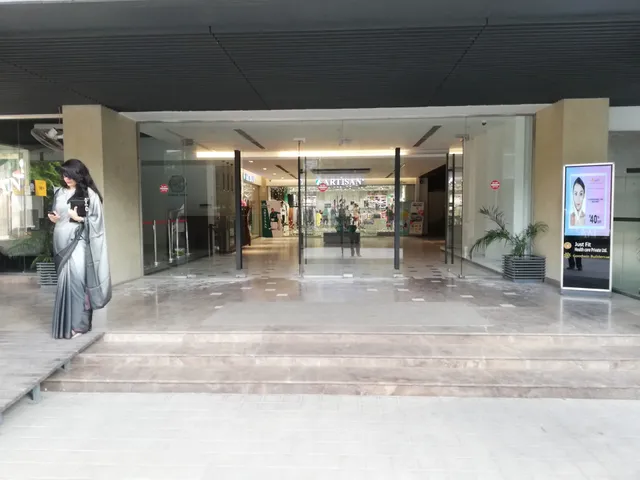
The lake’s vicinity is also dotted with cafes and eateries, offering a range of culinary delights. From traditional Bangladeshi snacks to international cuisine, visitors can enjoy a variety of food options while taking in the scenic views. These establishments often become gathering spots for friends and families, enhancing the social fabric of the area.
Environmental Significance
Dhanmondi Lake plays a crucial role in maintaining the ecological balance of the region. It supports various aquatic plants and fish species, contributing to the local ecosystem's diversity. The surrounding greenery acts as a natural filter, absorbing pollutants and providing habitat for numerous bird species. Regular maintenance and conservation efforts ensure that the lake remains a clean and sustainable environment.
Challenges and Conservation
Despite its many benefits, Dhanmondi Lake faces challenges typical of urban water bodies, including pollution and encroachment. Continuous efforts by local authorities and community groups aim to address these issues through clean-up drives, public awareness campaigns, and sustainable development practices. These initiatives are vital in preserving the lake’s natural beauty and ensuring its long-term viability as a recreational and ecological resource.
Conclusion
Dhanmondi Lake is more than just a body of water; it is a symbol of Dhaka’s resilience and commitment to enhancing urban life through nature. Its picturesque setting, combined with recreational amenities and cultural significance, makes it a cherished landmark for the city’s residents. As Dhaka continues to grow and evolve, Dhanmondi Lake stands as a testament to the importance of integrating green spaces within urban landscapes, offering both ecological benefits and a haven for relaxation and...
Read moreand nearby regions. It additionally demonstrates some trellis design together with the dendritic example of the seepage framework. The lake offers to appeal all-encompassing perspectives to a huge number of individuals who live in the region.
Starting from Jigatola (Dhanmondi Road # 2) the lake reaches out up to Road # 27 (new l6A), and limited by the Mohammadpur-Lalmatia zone in the north, Satmasjid Road in the west, BDR (Bangladesh Rifles) Gate (Dhanmondi Road # 2) in the south and in the east by Kalabagan neighborhood. It is 3 km long, 35-100m in width, with the greatest profundity of 4.77m and the complete zone of the water body is 37.37 ha. There is one box duct in the lake close to the Sukrabad territory, which is the main outlet of the lake. Overabundance floodwater because of substantial precipitation goes through this outlet. So the water level in the lake remains nearly the equivalent in all seasons.
The lake is under the administration of a few experts caring for its different angles. The Ministry of Works has its own; the Fisheries Department takes care of fishery advancement; the Dhaka city corporation, being the main urban body, practices some obligation in its improvement. The Department of Environment (DOE) cares for the parts of legitimate condition and assurance of oceanic assets of the lake. In and around Dhanmondi Lake some remodel works were done from 1998 to 2001 with the end goal of making the lake a contamination-free diversion zone.
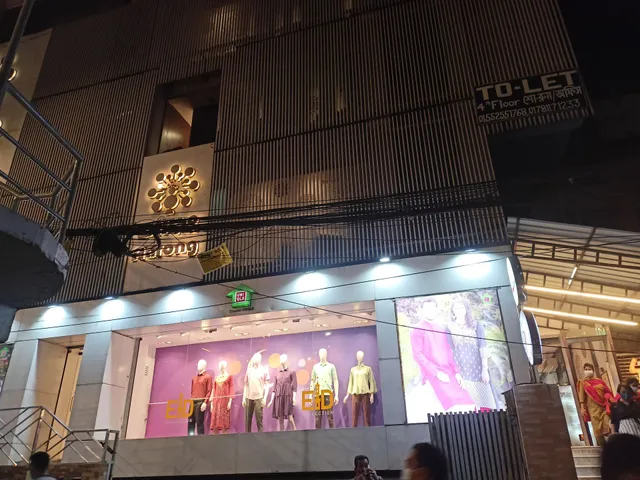
The vast majority of the advancement has occurred in later years, with the first two-celebrated houses offering an approach to high rises, and shops and cafés infringing on what was before a careful neighborhood. The financial criticalness of the region is featured by the way that each bank working in Bangladesh has a branch in Dhanmondi.
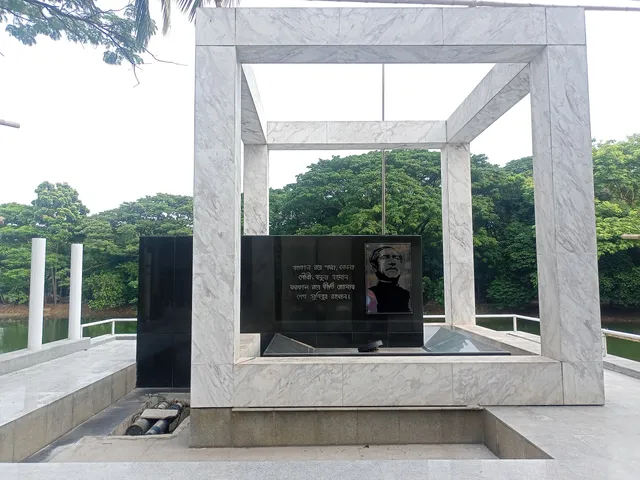
As a significant certainty throughout the entire existence of the nation, the home of Sheik Mujibur Rahman, the establishing father of Bangladesh, was in Dhanmondi, and it was there that he and the greater part of his family were killed in 1975.
From a social perspective, Dhanmondi Lake is very prevalent as an amusement setting, especially during celebrations, for example, Independence Day, Eid and Pohela Baishakh – Bengali New Year. On these occasions, swarms run to Dhanmondi and the environment is bubbly in this energetic neighborhood of Dhaka City.
The utilization of the land inside assigned maintenance lake zones to be limited to the accompanying exercises:
Farming
Fish development;...
Read moreDhanmondi Lake, located in the middle of Dhaka, Bangladesh, is a prominent urban water body known for its picturesque setting and recreational opportunities. Part of the Dhanmondi residential area established in the late 1950s, the lake underwent significant development in 1996, transforming into its current state surrounded by greenery and walkways. The lake's perimeter is adorned with various amenities, including parks, cafes, and an amphitheatre. Dhanmondi lake1996, the Dhaka City Corporation (DCC), led by architect Iqbal Habib, oversaw the renovation of the lake, which was opened to the public in 2000.Between 2011 and 2013, significant improvement projects were undertaken for the lake. These initiatives focused on cleaning and re-excavating the lake, as well as constructing small overbridges, drains, public toilets, and street lights. Additionally, efforts were made to enhance the surrounding environment by planting trees, installing iron fencing, and building walkways. In March 2021, the Dhaka city corporation (DSCC), successor to the DCC, leased the lake and its surrounding area for a year to seven individuals, dividing the space into seven sectors. Subsequently, the DSCC initiated a renovation and development project for the lake and its vicinity, with a budget of ৳14.6247 cr (US$1.2 million). The project commenced in May 2021 and is expected to conclude by December. It encompasses several aspects, such as constructing a new food court on the fifth island near Bajra and Sudha Sadan, as well as renovating the Sampan, Dingi, and Panshee restaurants and food courts. Additionally, the project entails the construction of a new 450-metre walkway and the renovation of existing walkways, along with the development of the...
Read more