As an Archaeology student, I hate giving museums low ratings as I believe everyone should go to them and attend them but the Art & History museum unfortunately needs work.
I do recommend people still go as there were lots of cool objects but if you only have a few days in Brussels, spend your time elsewhere.
Museum Organisation: The organisation of the museum was unfortunately poor. I believe this could be very easily corrected which in my opinion would skyrocket the museum to a 5 star. If the museum would like more communication on this I would happily discuss my ideas if they reached out. Firstly, I felt so lost there were no maps (if there were I couldn't find them) and the sign posts were few and far between. I had no idea which exhibits were where and how to find them. The museum was also so empty which is sometimes nice but there were hardly any staff. The only staff we saw were people checking tickets on entry. This museum would greatly benefit from having staff scattered around in exhibits that you could ask questions to or ask for directions, without the museum just feels soulless.
Also the signage was only in Dutch and French. I know very limited Dutch and even less French so didn't feel like I could properly engage with the items. I was even using Google translate to translate signs into English so I could learn more. I did not know the museum was only in Dutch and French when I decided to visit so this was a shock once I walked into the first exhibition. This would take a bit of time to obviously add but would make it so much more accessible for tourists or once again making an purchasable booklet (with a map)which at least discusses the highlights in English, I would easily have paid €5 for a souvenir guidebook.
Artefacts and Display: I hate how bad the organisation was as it really has disappointed me as this museum has AMAZING POTENTIAL. The range of artefacts they have spanning so much of time is sensational. Some exhibits are amazingly put together and if it had better accessibility (maps and language) it would easily be a perfect exhibit. I particularly enjoyed how the prehistory section had replica models as they were so immersive. I also appreciated the portrayal of human remains in the basement section with them being in situ replica with their original findings. While it is a difficult topic to address if museums should show human remains this is definitely a good way of doing so and is easily avoidable if people don't want to see skeletons (however maybe have a warning sign). No exhibition really stood out as being bad however as mentioned the language issues being resolved would greatly increase the accessibility and some were easily better than others, the museum needs to be more cohesive.
Also unfortunately some exhibits were closed due to renovations which I do not feel were adequately informed about on the website.
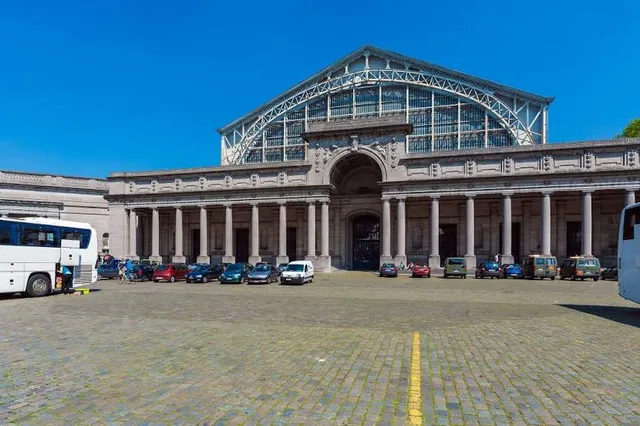
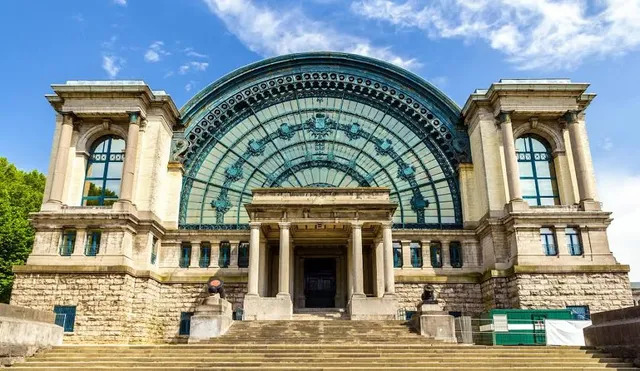
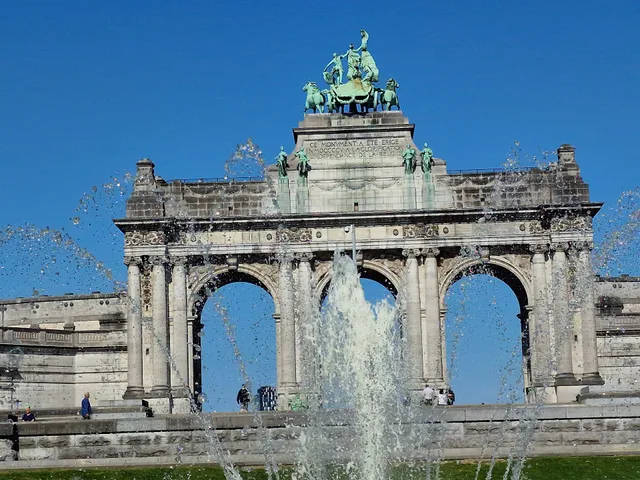
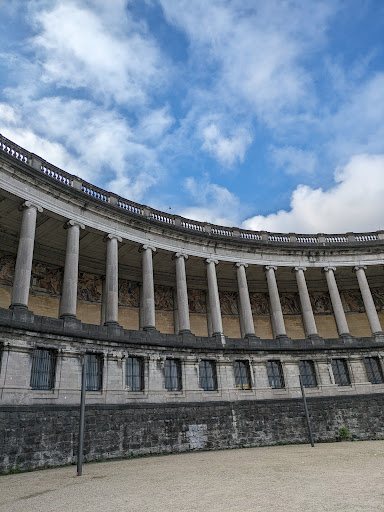
Location: The location is pretty cool being next to the amazing Arc and the building itself is amazing. However, it is a bit of a trek from the centre but the underground is relatively easy to navigate so don't let it put you off it out want to visit!
Pricing: I paid a student price of €4 which is good value for money and the €10 standard entry is pretty decent for a museum. I would have probably felt annoyed paying anymore than I did due to my inability to fully engage.
Atmosphere: It was only about 20 degrees when we visited and not overly sunny but wow was it warm in there. The museum could greatly benefit from some form of ventilation.
Conclusion: I obviously had a lot of thoughts about this museum which I needed to share as I think they will benefit from these points. Basically a 5 star museum trapped in a 3 star mid rating by...
Read moreThe Art & History Museum in Brussels, housed in the Parc du Cinquantenaire, boasts an extensive and historically rich collection that spans multiple continents and eras. The museum undoubtedly holds treasures from classical antiquities to non-European artefacts that merit careful preservation and public display.
However, despite the strength of its collections, the museum’s visitor experience suffers from several critical shortcomings that hinder accessibility, engagement, and navigation.
First, the interpretative materials provided are notably limited and inaccessible to international visitors. All exhibition texts are displayed exclusively in French and Dutch. In a European capital city with global tourism, this lack of multilingual accessibility—particularly the absence of English—is disappointing. Furthermore, the textual descriptions are overly academic and dry, lacking the narrative quality that might otherwise draw visitors into the stories behind the objects.
Second, the overall layout and wayfinding within the museum are poorly executed. There is little to no clear signage indicating a recommended path or historical progression through the galleries. This absence of direction leads to a fragmented and often frustrating experience. For example, during our visit, we searched for the Near East and Iran rooms for nearly two hours without success. Even after consulting staff at the entrance, we received no assistance—they appeared unaware of the location of major exhibits and communicated only in French, offering no multilingual support. Additionally, there was a noticeable absence of floor staff or guides throughout the museum’s halls to assist or inform visitors.
The difference is stark compared to peer institutions such as the British Museum in London. Whereas the British Museum excels in spatial organisation, multilingual accessibility, and staff presence, the Art & History Museum in Brussels unfortunately falls short on these fundamental aspects.
Recommendations:
Multilingual Interpretation: Introduce English-language descriptions alongside French and Dutch as a minimum standard. Ideally, a digital guide or app with multiple language options could enhance inclusivity.
Engaging Exhibition Texts: Revise interpretative content to include storytelling elements, contextual narratives, and visitor-friendly language, making the exhibits more accessible to non-specialist audiences.
Wayfinding Improvements: Implement clear signage that outlines thematic or chronological pathways through the museum. A printed or digital floor map should indicate room names and their locations.
Staff Training and Presence: Ensure that front-of-house staff receive basic training in museum orientation and can provide directions or information in at least English in addition to national languages. Additionally, consider deploying staff or volunteers within the galleries to support and guide visitors.
Visitor-Centred Design: Consider benchmarking against leading museums globally, incorporating best practices in universal design, digital engagement, and inclusive...
Read moreFantastic, solid, old-school museum of everything.
This one seems to have missed out on some of the trends... It is not interactive, you are not forced to use your phone, it was not redesigned to appeal to 5 year olds, it did not get a big, glossy, coorporate makeover and you are expected to use your brain and have some basic knowledge. The linoleum is as old as the Egyptian mummies and it even has that stuffy smell.
Woke...Well if you have a huge mounted statue of Leopold II you have some explaining to do, and to their credit, they actually try to add context to controversial exhibits like these.
But the collection is amazing, room after room of some of the most beautiful and interesting things humankind has created. It covers the whole world except for most of Africa, as there is a seperate museum for that in Tervuren (and that also means that some of the most painful history of Belgian colonialism lies elsewhere, which makes this museum easier to enjoy).
There is the endearing cabinet of hearts, and beautifully presented art nouveau and art deco collections.
The galleries with Merovingian and Mosan art are personal favourites of mine because these historic periods are so underrepresented elsewhere and they have some of the best stuff. But unfortunately, I was unable to find the stairs that lead there this time around because signage is barely there. You want to know more about that one thing you saw? too bad, the collection is not online. You may have to read a book!
Oh and Japan, they don't have Japan. It's somewhere else I think? Shame, because the other Asian exhibits are amazing.
It is just fine as it is. I hope it does not change too much; apart from the actually quite nice shop the museum seems to have escaped commercialization and that is refreshing these days.
Though a bit more information online about the collections would be welcome. Also, it would be nice if there was something to chain...
Read more