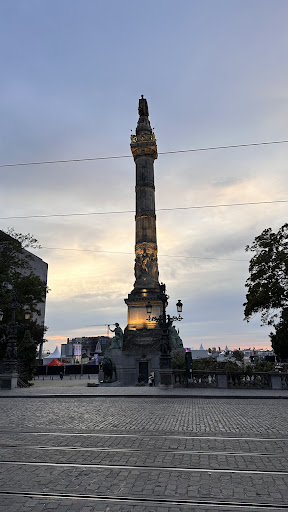
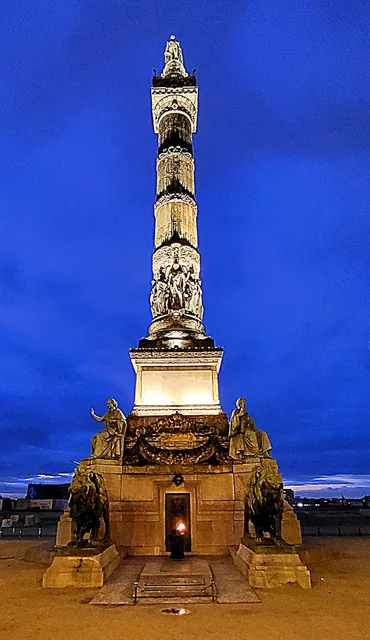
Congress Column things to do, attractions, restaurants, events info and trip planning
Basic Info
Congress Column
Pl. du Congrès, 1000 Bruxelles, Belgium
4.4(1.2K)
Open until 12:00 AM
Save
spot
spot
Ratings & Description
Info
The Congress Column is a monumental column in Brussels, Belgium, commemorating the creation of the Belgian Constitution by the National Congress of 1830–31.
Cultural
Accessibility
attractions: Royal Circus, St Michael and St Gudula Cathedral, Brussels, Comics Art Museum, Parc de Bruxelles, Le Botanique, Museum of the National Bank of Belgium, Botanical Garden, Jeanneke-Pis, Grand Place, BOZAR, restaurants: Basils, Aki Ramen, Medusa, Glacier Bargello, Yuca Latina, Chandigarh, Baraka't Kacem, Per Bacco Pizzeria, Léopold Café Royal, BARKBOY, local businesses: Brian Joyeux - Macaron Biscuit, Le Roi du Cigare, Rue Royale 103, Fnac, Lego, Tropismes, Snack Delice, Espace Vanderborght, Brussel-Centraal, Quiz Room Bruxelles
 Learn more insights from Wanderboat AI.
Phone
+32 2 279 22 11
Website
gardens.brussels
Open hoursSee all hours
WedOpen 24 hoursOpen
Plan your stay

Pet-friendly Hotels in Brussels
Find a cozy hotel nearby and make it a full experience.

Affordable Hotels in Brussels
Find a cozy hotel nearby and make it a full experience.

The Coolest Hotels You Haven't Heard Of (Yet)
Find a cozy hotel nearby and make it a full experience.

Trending Stays Worth the Hype in Brussels
Find a cozy hotel nearby and make it a full experience.
Reviews
Live events
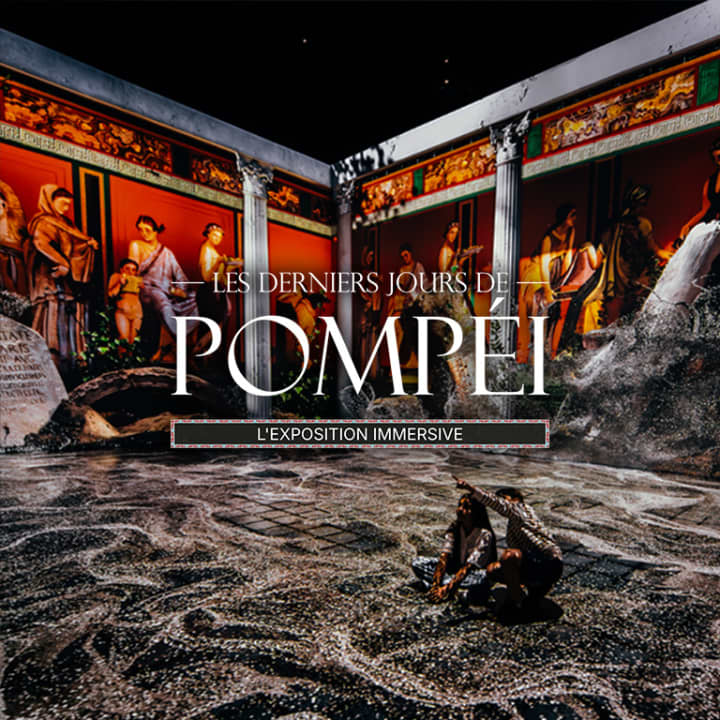
Les Derniers Jours de Pompéi : Lexposition Immersive
Wed, Feb 25 • 11:45 AM
Pl. de Belgique 1, Bruxelles, 1020
View details
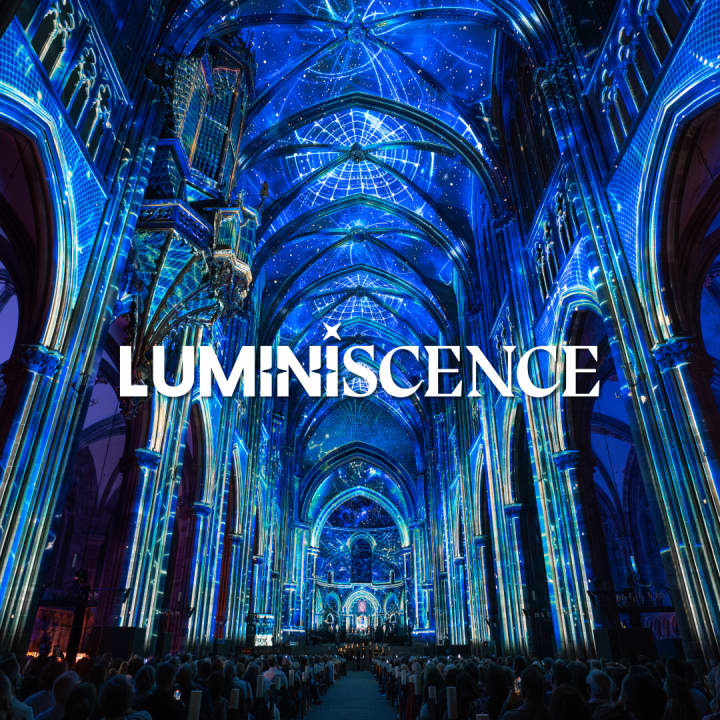
LUMINISCENCE : Plongez dans les secrets dun monument emblématique de l’histoire de Bruxelles
Wed, Feb 25 • 7:15 PM
Place Sainte-Gudule, Bruxelles, 1000
View details
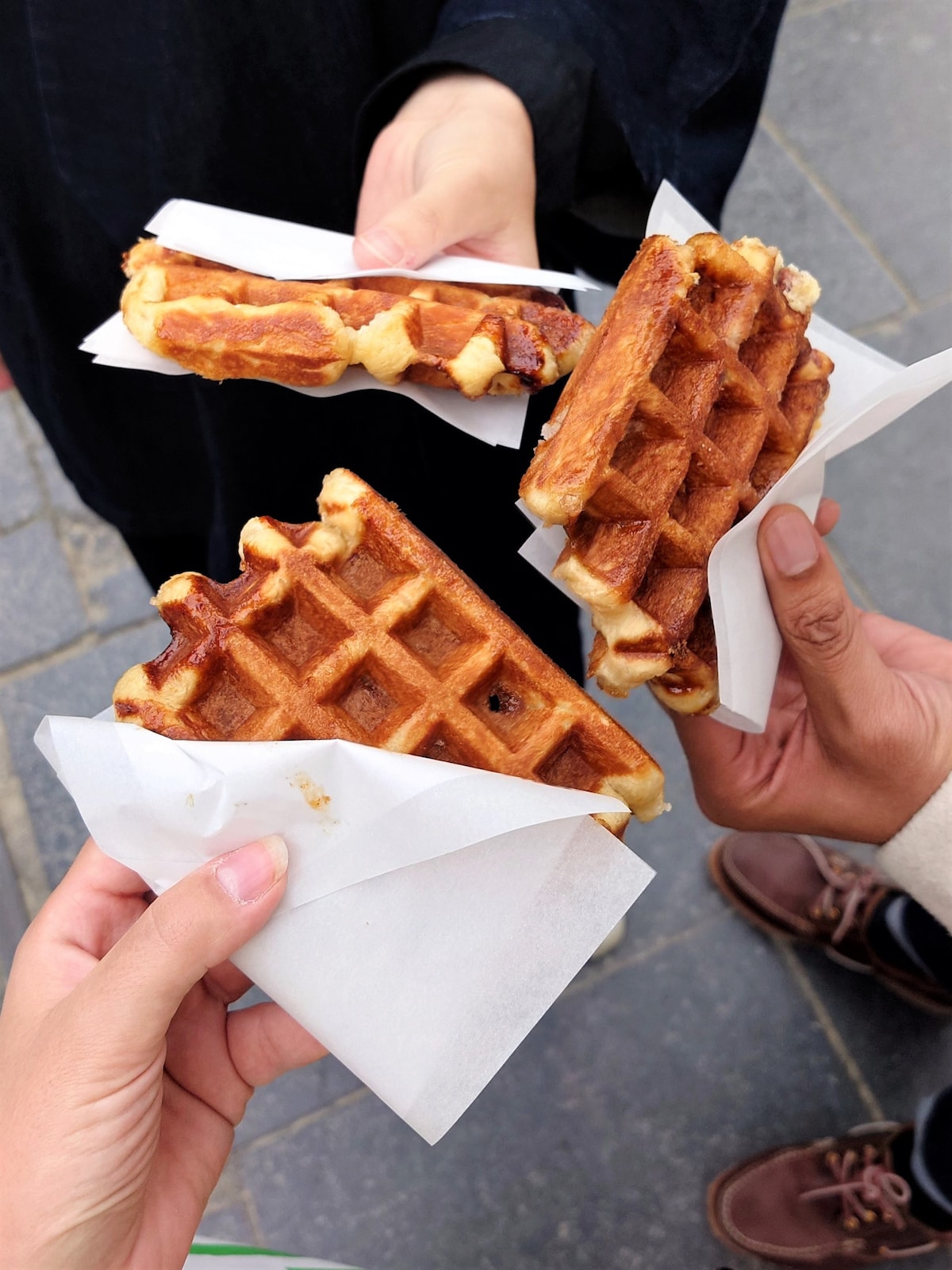
No Diet Club - Best food tour in Brussels
Wed, Feb 25 • 12:00 PM
1000, Brussels, Belgium
View details
Nearby attractions of Congress Column
Royal Circus
St Michael and St Gudula Cathedral, Brussels
Comics Art Museum
Parc de Bruxelles
Le Botanique
Museum of the National Bank of Belgium
Botanical Garden
Jeanneke-Pis
Grand Place
BOZAR
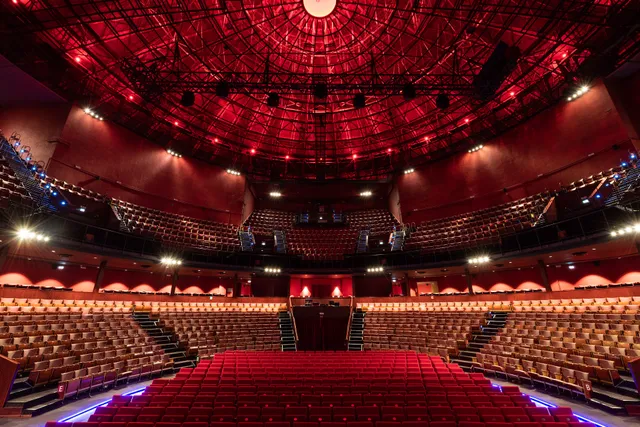
Royal Circus
4.5
(2.7K)
Open 24 hours
Click for details
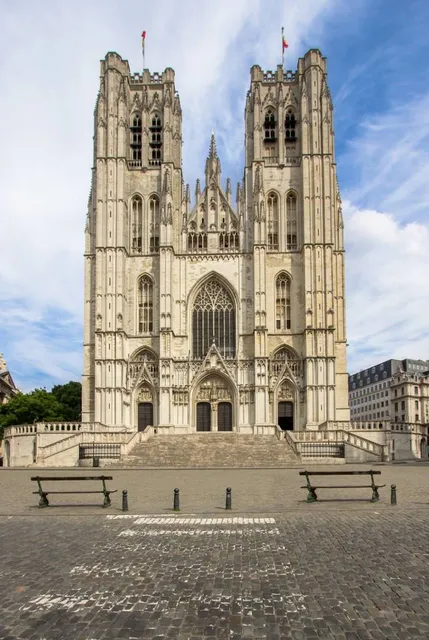
St Michael and St Gudula Cathedral, Brussels
4.7
(8.6K)
Open until 6:00 PM
Click for details
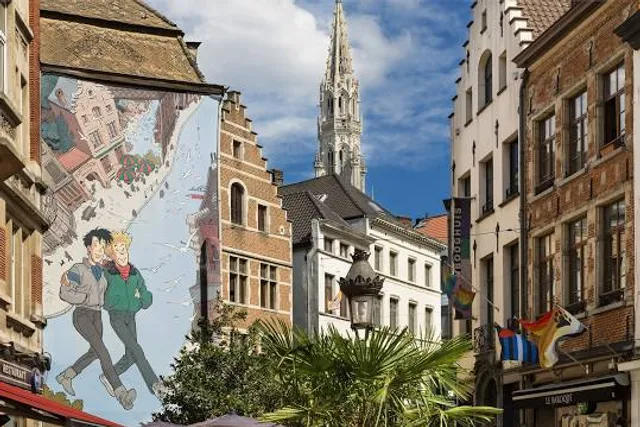
Comics Art Museum
3.9
(1.7K)
Open until 6:00 PM
Click for details
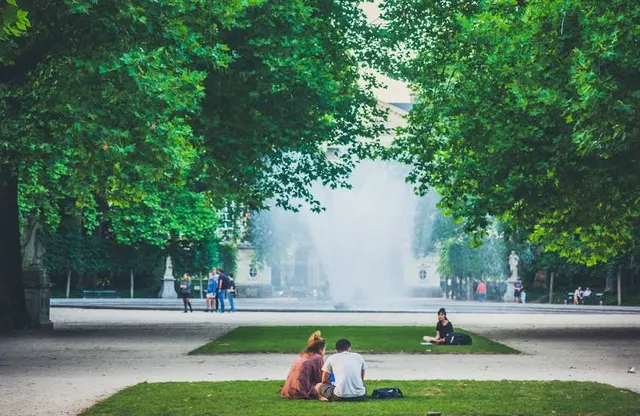
Parc de Bruxelles
4.4
(8.3K)
Open until 12:00 AM
Click for details
Nearby restaurants of Congress Column
Basils
Aki Ramen
Medusa
Glacier Bargello
Yuca Latina
Chandigarh
Baraka't Kacem
Per Bacco Pizzeria
Léopold Café Royal
BARKBOY

Basils
4.5
(823)
Open until 2:00 PM
Click for details

Aki Ramen
4.8
(40)
Open until 2:00 PM
Click for details
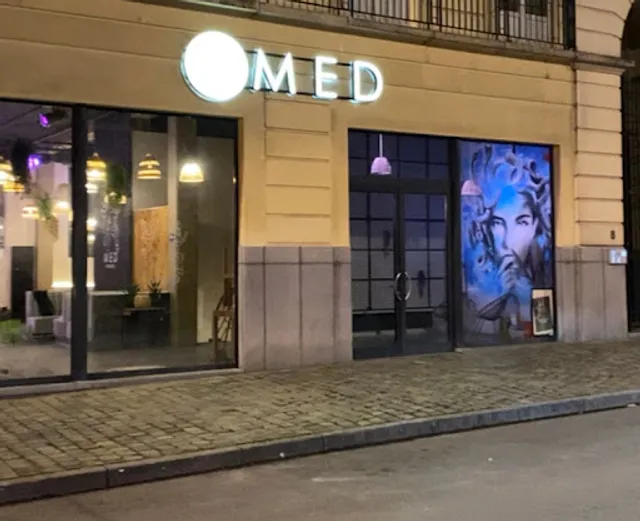
Medusa
4.6
(391)
Open until 2:30 PM
Click for details
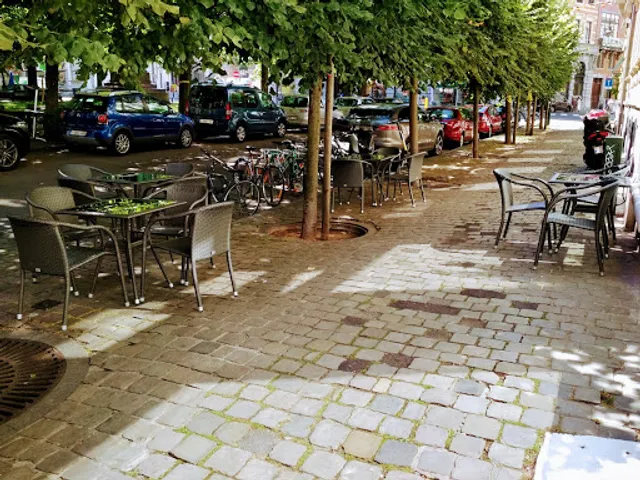
Glacier Bargello
4.6
(571)
$$
Open until 12:00 AM
Click for details
Nearby local services of Congress Column
Brian Joyeux - Macaron Biscuit
Le Roi du Cigare
Rue Royale 103
Fnac
Lego
Tropismes
Snack Delice
Espace Vanderborght
Brussel-Centraal
Quiz Room Bruxelles
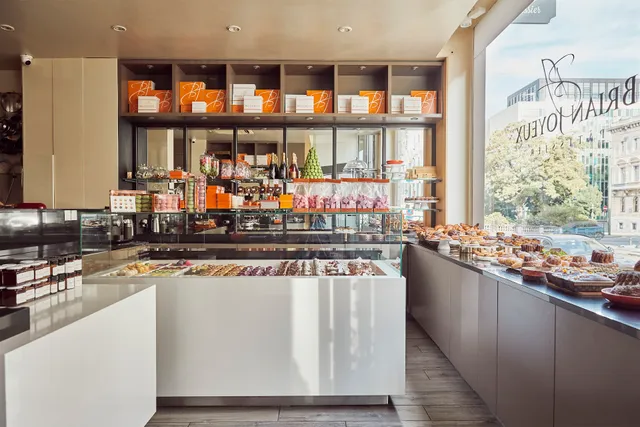
Brian Joyeux - Macaron Biscuit
4.6
(304)
Click for details

Le Roi du Cigare
4.8
(206)
Click for details
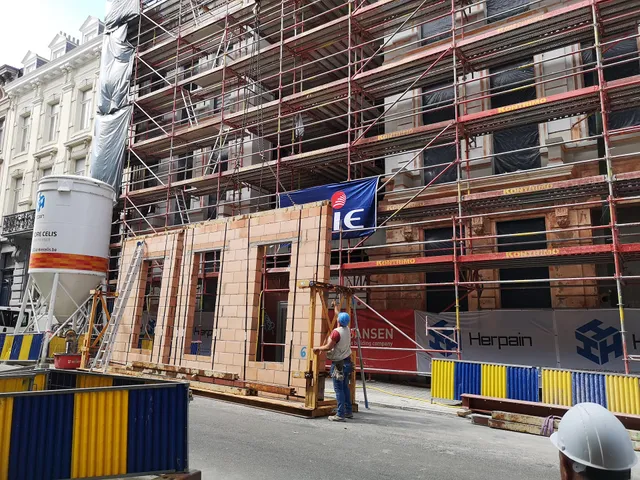
Rue Royale 103
4.5
(129)
Click for details
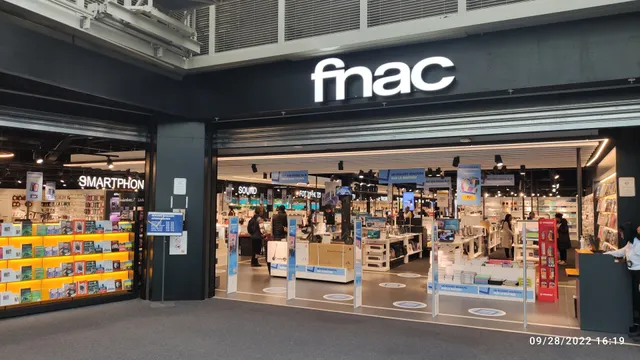
Fnac
3.9
(3.4K)
Click for details