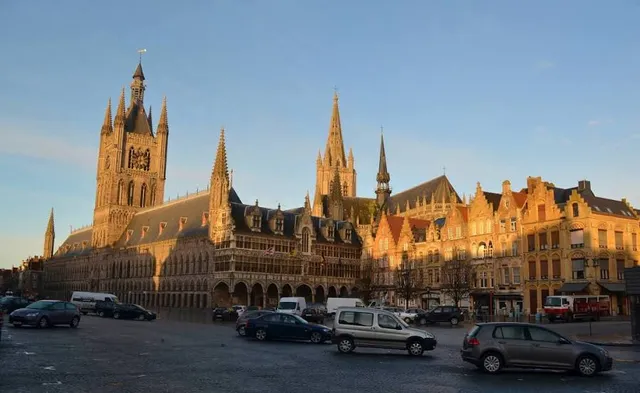
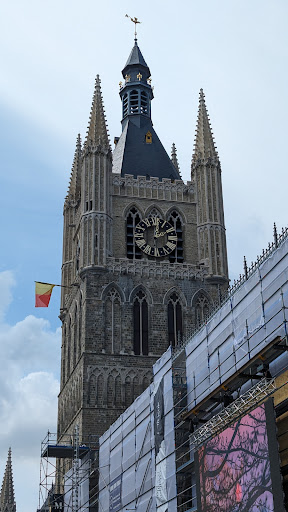
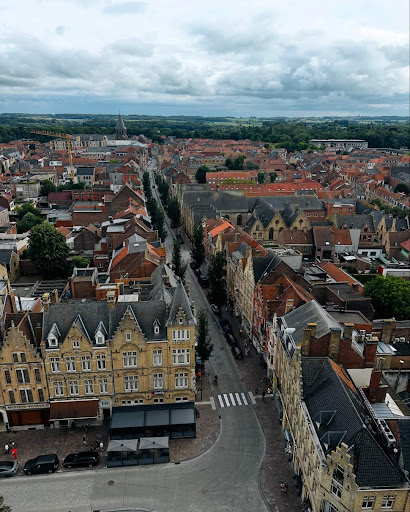
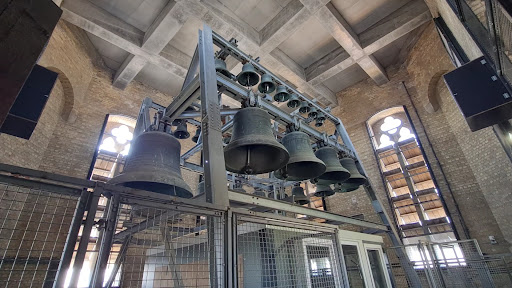
Set in an impressive building in the heart of re-built Ypres, the In Flanders Field Museum is an excellent and engaging record of the two World Wars and the events that took place in the areas around Ypres and northern Europe. You have to pay to visit the museum and access to the tower is extra, there are family tickets and concessions that reduce the entrance fee so do ask when you buy your tickets. Each member of your group will be given a wrist band that gains you access to the different areas and will also change the language on some displays. You can also rent an audio guide to enhance your experience. The museum is dimly lit which creates atmosphere and makes the various displays more impactful. The displays include documents, photos, videos and many artefacts including full uniforms and kit that were worn and used by the various soldiers. It is interesting to note how the various kits differ with some including items that would improve morale like letter writing materials, miniature pipes and tinned tobacco along with food items. The quantities of munitions and personal items (buckles and buttons) on display makes the number of individuals and the horror they faced all to clear. There is no dramatisation, the displays tell the story of the soldiers, their lives and deaths very clearly. The tower is a bright contrast to the museum and if you are able to climb the numerous stairs you will be rewarded by fabulous views of Ypres. You also pass the carillon of bells with their associated 'keyboard.' The outside area at the top of the tower is small and bounded by chest height stonework. The views are excellent, but this is not a good place for you if you don't like heights. Returning from bright sunlight (when we visited) to the darkness of the museum highlights the contrast between today's Ypres and the experience of those that took part in the wars. Towards the end of the museum there are a couple of displays that mark the current war in Ukraine. There is a piece of art created by a Ukrainian sculptor who was born in Kyiv and has experienced the war there. There used to be a display of chairs (each one a typical example from all of the countries that took part in the world wars), but this has been replaced and the only two chairs still on display are those from Ukraine and Russia. There is a small coffee shop, gift shop and toilets at the display hall. The museum is very thought provoking and may not appeal to a younger audience unless they have a keen interest in the World Wars. It's a museum that is worth visiting for many reasons and how you experience it will be...
Read moreThe In Flanders Fields Museum is a renowned museum located in Ypres (Ieper), Belgium, dedicated to the history of World War I, particularly the events that took place on the Western Front. Housed in the Cloth Hall (Lakenhalle), a historic building that was meticulously rebuilt after being destroyed during the war, the museum offers a profound and immersive experience for visitors.
The museum is named after the famous war poem "In Flanders Fields" by Lieutenant Colonel John McCrae, which captures the sorrow and devastation of the war while highlighting the poppies that grew on the battlefields—a symbol of remembrance.
Exhibits and Experience:
Multimedia Displays: The museum utilizes state-of-the-art multimedia technology to convey the horrors and realities of the Great War. Through personal stories, photographs, videos, and interactive displays, visitors can engage with the experiences of soldiers and civilians who lived through the war.
Personal Stories: One of the unique features of the museum is its focus on individual stories. Visitors receive a poppy bracelet containing a microchip that allows them to follow the stories of specific individuals affected by the war, creating a personalized and emotional connection to the exhibits.
Historical Context: The museum covers the broader context of World War I, exploring the causes, major battles, and the profound impact on the region of Flanders. It also delves into the aftermath of the war, including the reconstruction of Ypres and the enduring legacy of the conflict.
Artifacts and Memorabilia: The museum's collection includes a vast array of artifacts such as uniforms, weapons, personal belongings, letters, and medical equipment, offering tangible connections to the past.
Commemoration: The In Flanders Fields Museum is also a place of commemoration, honoring the memory of the millions who lost their lives. The museum serves as a reminder of the importance of peace and the consequences of war.
The In Flanders Fields Museum is not just a historical repository but a powerful educational tool that seeks to keep the memories of World War I alive for future generations. It is a must-visit for anyone interested in the history of the First World War and the impact it had...
Read more(Detailed review below) Ambience - 5/5 Accessibility - 5/5 Cost - 5/5 Service - 5/5
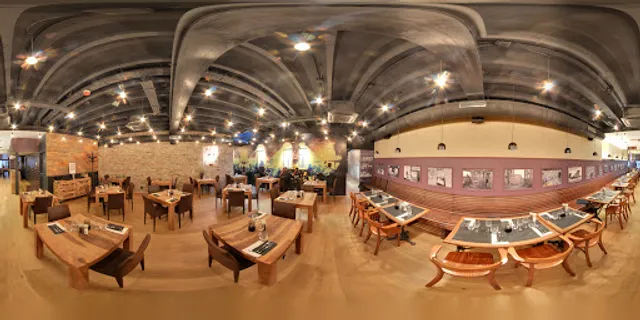
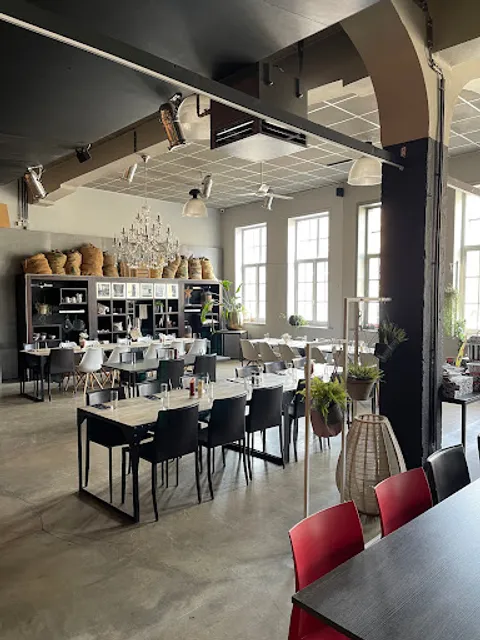
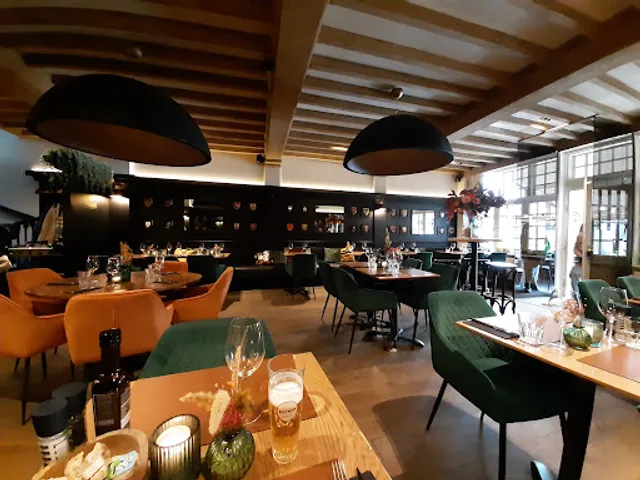
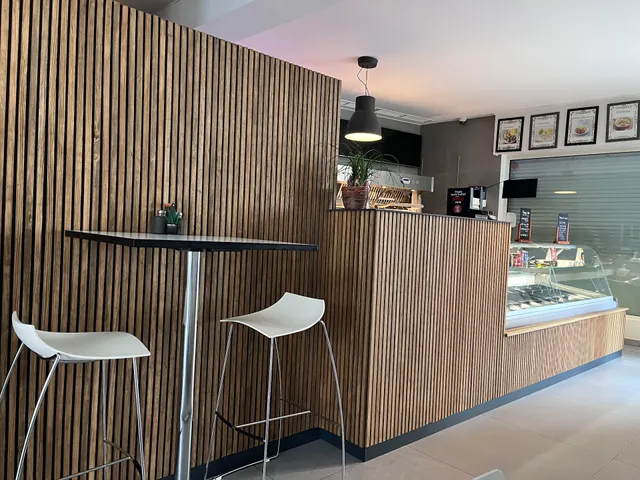
Food - There’s a lovely dining area at the museum with indoor sitting areas as well as an outdoor sitting area in the courtyard. I didn’t have any food here so I have not factored it into my review. Just worth a mention that it looks great!
Ambience - This is a really fantastic museum dedicated to the first world war. Obviously, a lot of the history is local and it certainly creates an honest, informative and sometimes scary narrative of the first world war and how it started and spread across the region/country/Europe. A lot of the history is presented in an interactive format; the videos certainly remind you that it’s not just words/numbers on documents but the histories are of real people. My favourite section was watching the dynamic map of Belgium with information and animation projected onto it to show where the various armies were located and how the war swept through the country. Very educational.
Accessibility - Great accessibility. Lifts, ramps and toilets for wheelchair users.
Cost - The entrance fee wasn’t too expensive and it’s certainly worth it for the quality of the exhibits and the museum. Definitely a must go!
Tip - There are some enclosed sections that show some gruesome war photos. They are not clearly identified so if you don’t want your young kids to see them, just be mindful they are there. At the start of the museum (once you’ve purchased your tickets and gone through the turnstiles), you should spend time to register your wristband and there are exhibits that would show you specific information based on your country of origin.
Service - Staff at the ticket counter and the museum shop were friendly and welcoming. In the museum itself, there are staff members walking around should you need any assistance or have...
Read more