Museu das Favelas things to do, attractions, restaurants, events info and trip planning
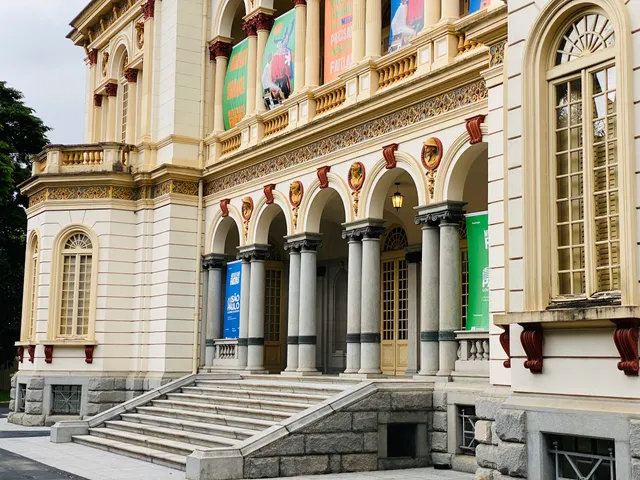
Basic Info
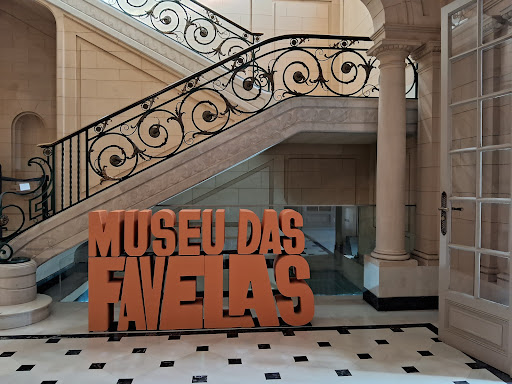
Museu das Favelas
Largo Páteo do Colégio, 148 - Centro Histórico de São Paulo, São Paulo - SP, 01016-040, Brazil
4.8(937)
Closed
Save
spot
spot
Ratings & Description
Info
Cultural
attractions: Solar da Marquesa de Santos, College Pateo, Caixa Cultural São Paulo, Centro Cultural Banco do Brasil São Paulo, Marco Zero de São Paulo, Altino Arantes Building, Farol Santander, Catedral da Sé de São Paulo, Beco do Pinto | Museu da Cidade de São Paulo, Casa da Imagem | Museu da Cidade de São Paulo, restaurants: Pateo Cuccina, Orange Sucos Café Comidas, Casa de Francisca, Gaúcho do Bras, Cama & Café São Paulo, Restaurante e Leiteria Regina, Bom Prato, XV de Novembro Fast Grill - Bovinu'S, Restaurante Quinzão da Sé, Cozinha Prime Grill, local businesses: Supermercado Vovó Zuzu, Sé, Edifício Rolim, Parque Dom Pedro II, Praça da Sé - Se, Shopping Porto Geral, Princesa Supermercado de Cosméticos, Acervo CASA JUISI, Martinelli Building, Unesp Bookstore
 Learn more insights from Wanderboat AI.
Phone
+55 11 4240-3355
Website
museudasfavelas.org.br
Open hoursSee all hours
Wed10 AM - 5 PMClosed
Plan your stay

Pet-friendly Hotels in Região Imediata de São Paulo
Find a cozy hotel nearby and make it a full experience.

Affordable Hotels in Região Imediata de São Paulo
Find a cozy hotel nearby and make it a full experience.

The Coolest Hotels You Haven't Heard Of (Yet)
Find a cozy hotel nearby and make it a full experience.

Trending Stays Worth the Hype in Região Imediata de São Paulo
Find a cozy hotel nearby and make it a full experience.
Reviews
Live events

Titanic: Uma Viagem Imersiva
Wed, Feb 25 • 11:00 AM
Avenida Rebouças, 3970 - Pinheiros, São Paulo, 05402-600
View details
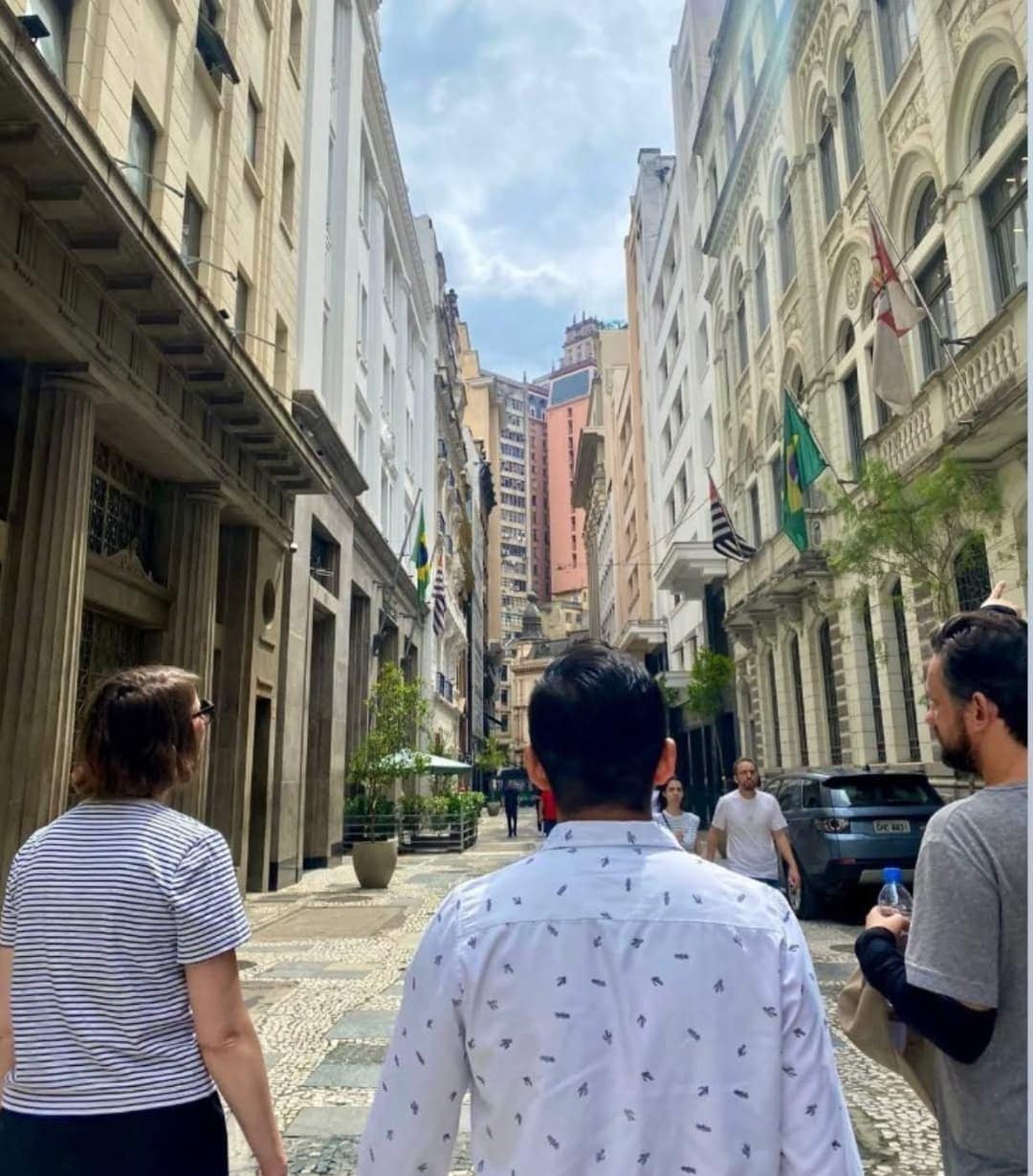
Discover the historic center of São Paulo
Wed, Feb 25 • 11:00 AM
São Paulo, São Paulo, 01503-010, Brazil
View details
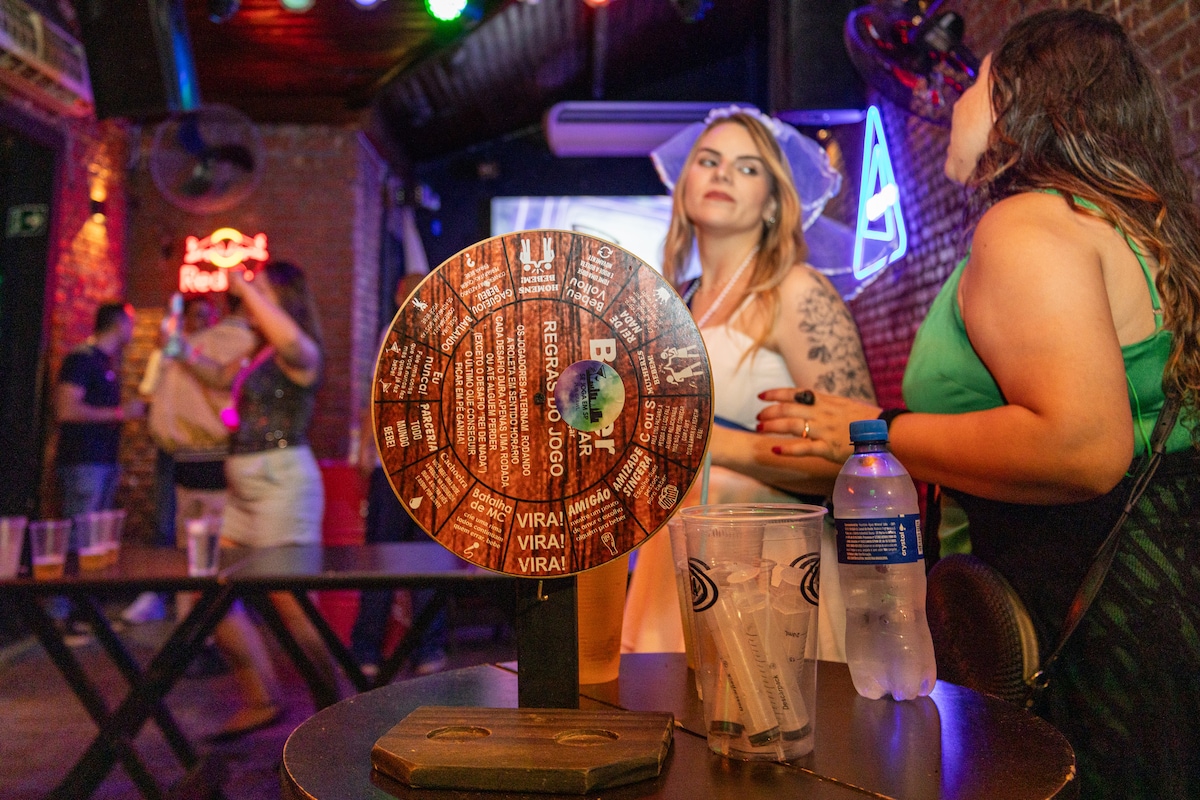
Explore São Paulos nightlife with our pub crawl
Thu, Feb 26 • 8:00 PM
São Paulo, São Paulo, 05417-001, Brazil
View details
Nearby attractions of Museu das Favelas
Solar da Marquesa de Santos
College Pateo
Caixa Cultural São Paulo
Centro Cultural Banco do Brasil São Paulo
Marco Zero de São Paulo
Altino Arantes Building
Farol Santander
Catedral da Sé de São Paulo
Beco do Pinto | Museu da Cidade de São Paulo
Casa da Imagem | Museu da Cidade de São Paulo
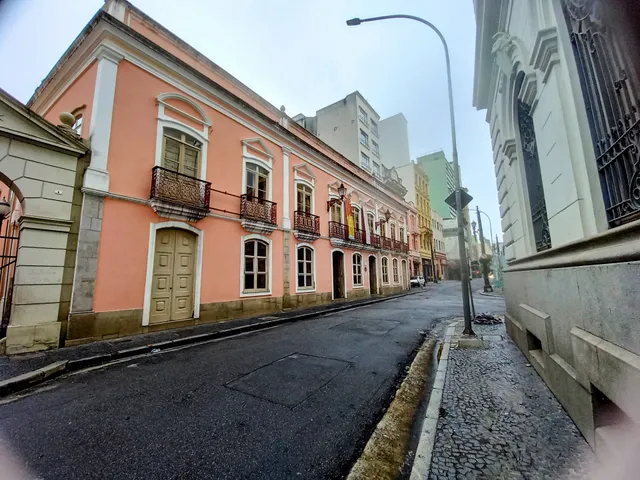
Solar da Marquesa de Santos
4.5
(1.2K)
Closed
Click for details
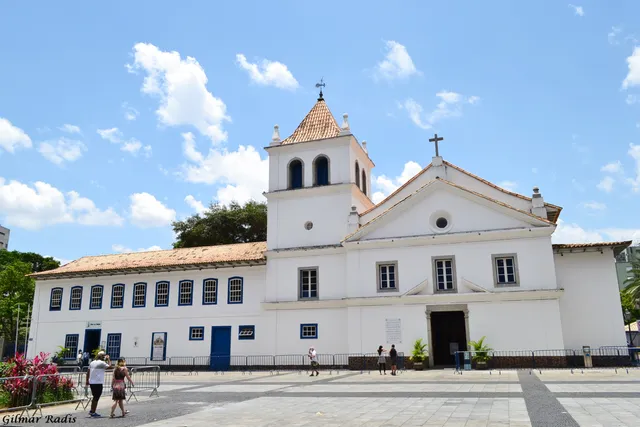
College Pateo
4.4
(1.1K)
Closed
Click for details
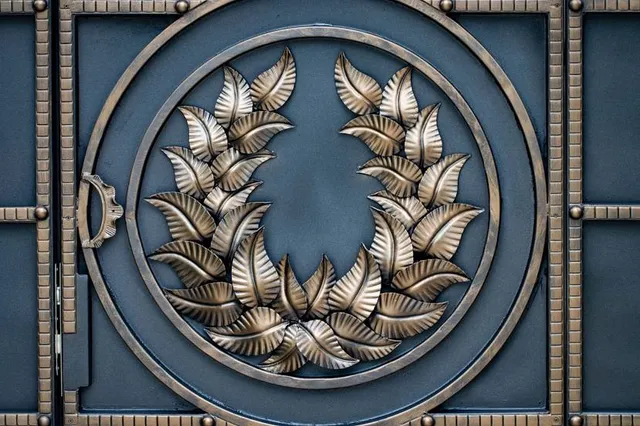
Caixa Cultural São Paulo
4.6
(1.4K)
Closed
Click for details
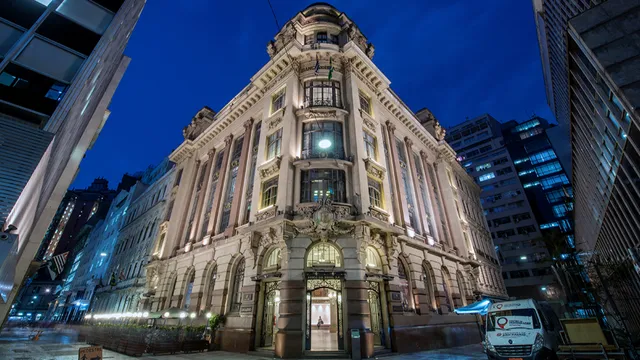
Centro Cultural Banco do Brasil São Paulo
4.8
(10.3K)
Open until 12:00 AM
Click for details
Nearby restaurants of Museu das Favelas
Pateo Cuccina
Orange Sucos Café Comidas
Casa de Francisca
Gaúcho do Bras
Cama & Café São Paulo
Restaurante e Leiteria Regina
Bom Prato
XV de Novembro Fast Grill - Bovinu'S
Restaurante Quinzão da Sé
Cozinha Prime Grill
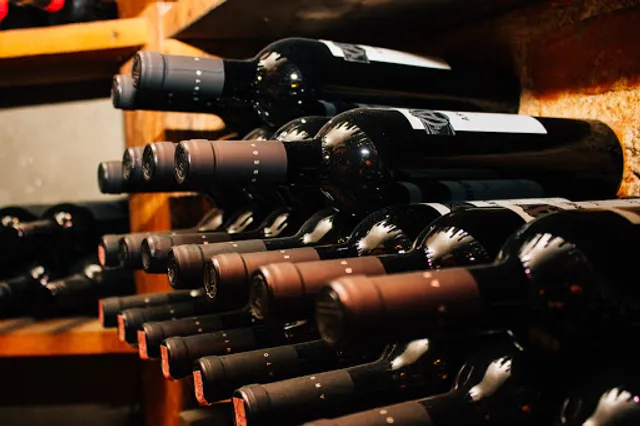
Pateo Cuccina
4.5
(859)
$$$
Closed
Click for details
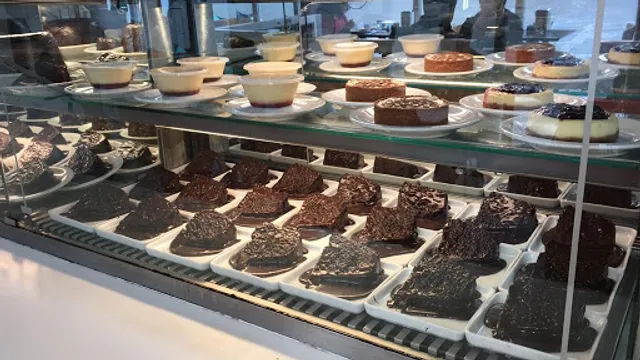
Orange Sucos Café Comidas
4.4
(729)
Closed
Click for details
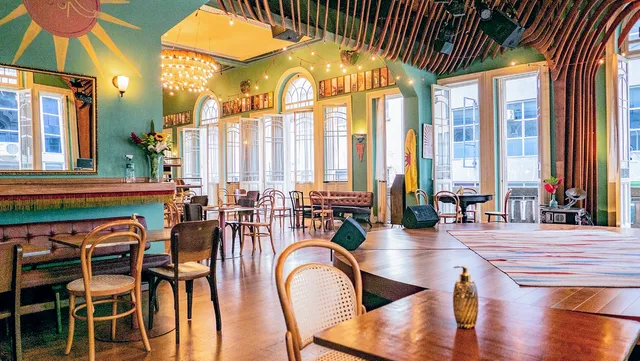
Casa de Francisca
4.7
(2.2K)
$$
Closed
Click for details
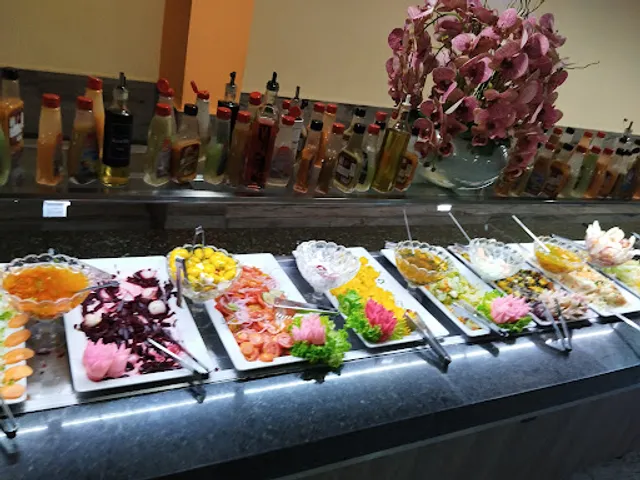
Gaúcho do Bras
4.4
(673)
Closed
Click for details
Nearby local services of Museu das Favelas
Supermercado Vovó Zuzu
Sé
Edifício Rolim
Parque Dom Pedro II
Praça da Sé - Se
Shopping Porto Geral
Princesa Supermercado de Cosméticos
Acervo CASA JUISI
Martinelli Building
Unesp Bookstore
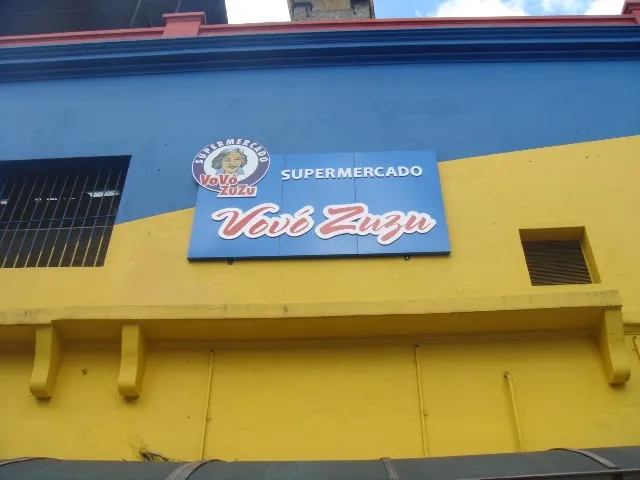
Supermercado Vovó Zuzu
4.1
(6.7K)
Click for details
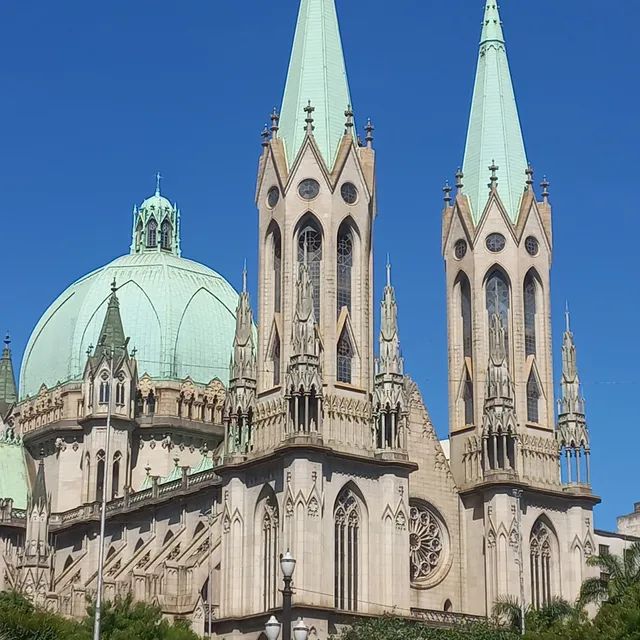
Sé
4.0
(1.1K)
Click for details
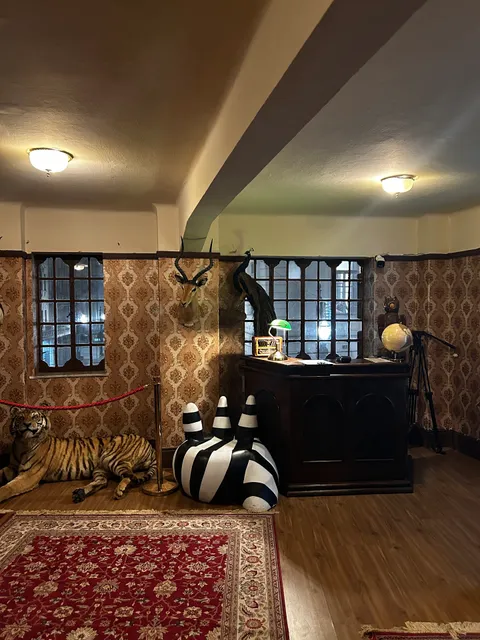
Edifício Rolim
4.8
(159)
Click for details
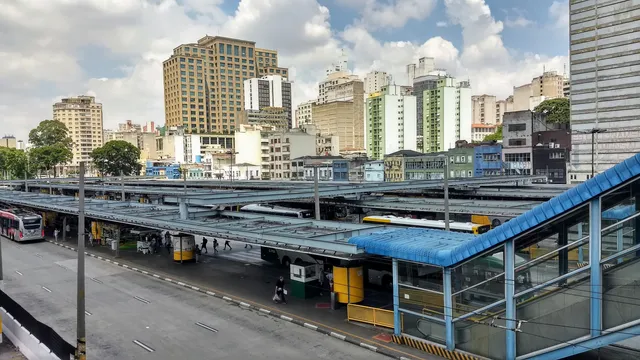
Parque Dom Pedro II
3.7
(1.5K)
Click for details