National Ethnographic Museum things to do, attractions, restaurants, events info and trip planning
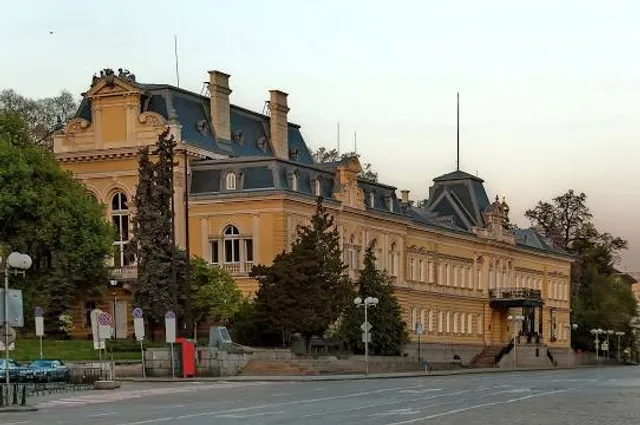
Basic Info
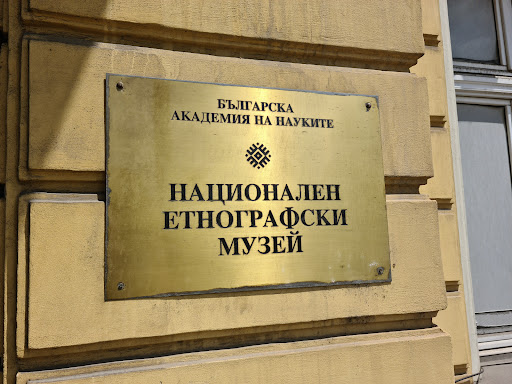
National Ethnographic Museum
Sofia Center, pl. "Knyaz Aleksandar I" 1, 1000 Sofia, Bulgaria
4.4(122)
Closed


tickets
Save
spot
spot
Ratings & Description
Info
Cultural
Family friendly
Accessibility
attractions: The National Art Gallery, The City Garden, Church of St. Nicholas the Miracle-Maker, National Museum of Natural History, "Bulgaria" Hall, Ivan Vazov National Theatre, National Archeological Museum of the Bulgarian Academy of Sciences, Crystal Garden, Institute of Ethnology and Folklore Studies with Ethnographic Museum at BAS, ONE GALLERY, restaurants: Unica Restaurant, Russian Restaurant Arbat, Ресторант "Къщата с часовника", Coffee Syndicate, Skarabar, Gravity Bar, Rainbow Factory, Gevrek Bagels Sofia, Fresh up Batenberg, Bar Friday, local businesses: The Palace - National Art Gallery, City Garden, National Archeological Institute with Museum - BAS, Opera and Ballet Sofia, Amphitheater of Serdica, Central Military Club, National Gallery, St. Sofia Church, St. Alexander Nevsky Cathedral, St. George Rotunda Church
 Learn more insights from Wanderboat AI.
Phone
+359 87 940 9318
Website
nembg.com
Open hoursSee all hours
Fri10 AM - 6 PMClosed
Plan your stay

Pet-friendly Hotels in Sofia City
Find a cozy hotel nearby and make it a full experience.

Affordable Hotels in Sofia City
Find a cozy hotel nearby and make it a full experience.

The Coolest Hotels You Haven't Heard Of (Yet)
Find a cozy hotel nearby and make it a full experience.

Trending Stays Worth the Hype in Sofia City
Find a cozy hotel nearby and make it a full experience.
Reviews
Live events
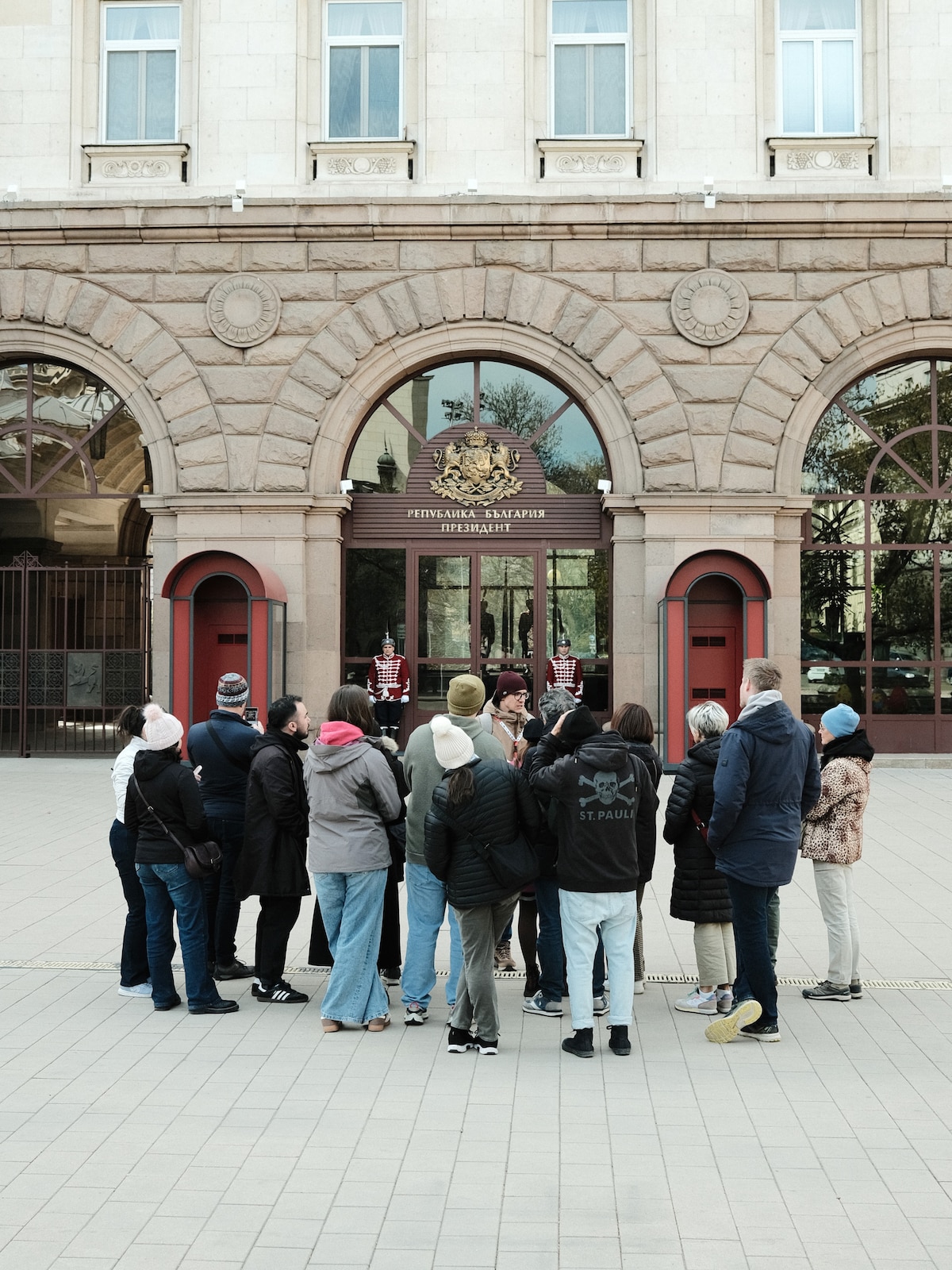
Uncover Sofias communist history
Sat, Feb 14 • 3:00 PM
1000, Sofia, Sofia City Province, Bulgaria
View details
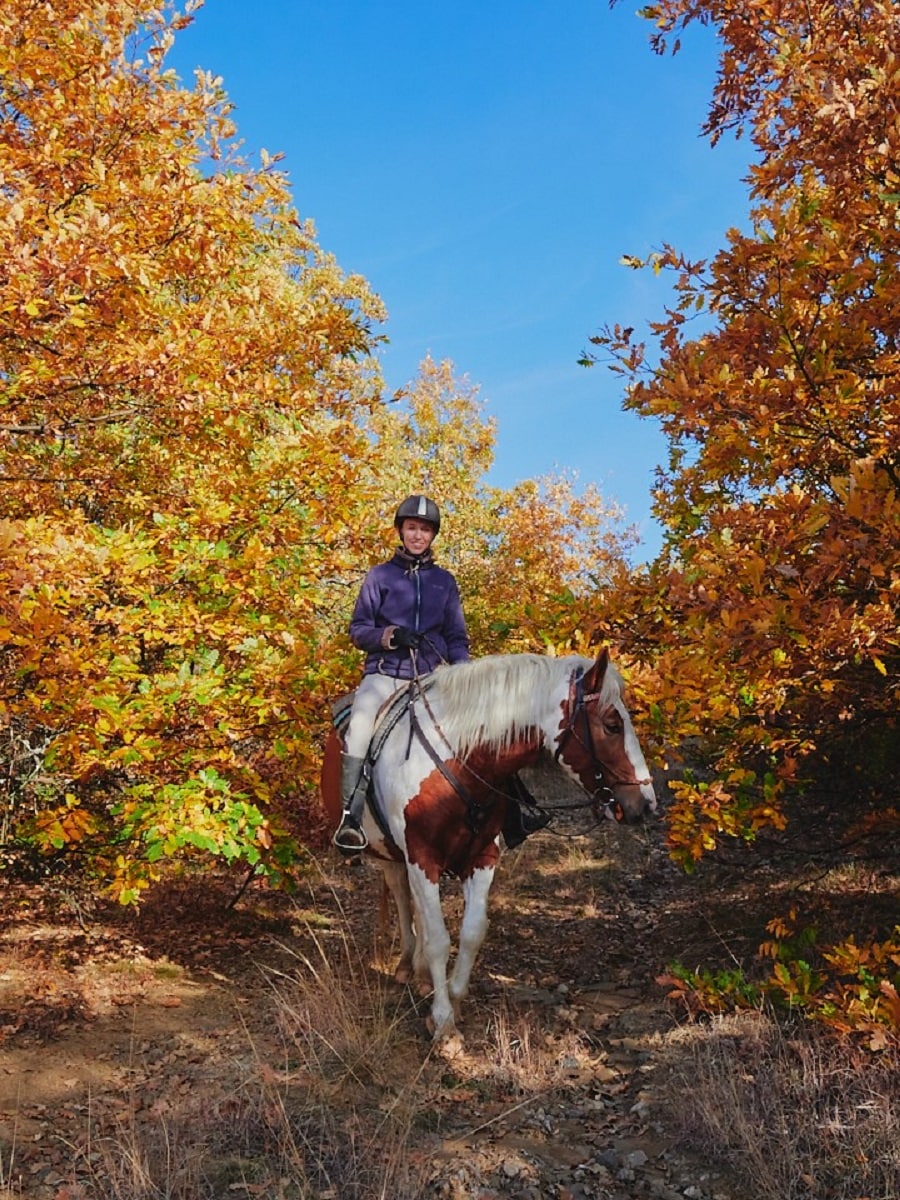
Escape Sofia: horse ride through Bulgarias beauty
Sat, Feb 14 • 10:00 AM
1421, Sofia, Sofia City Province, Bulgaria
View details
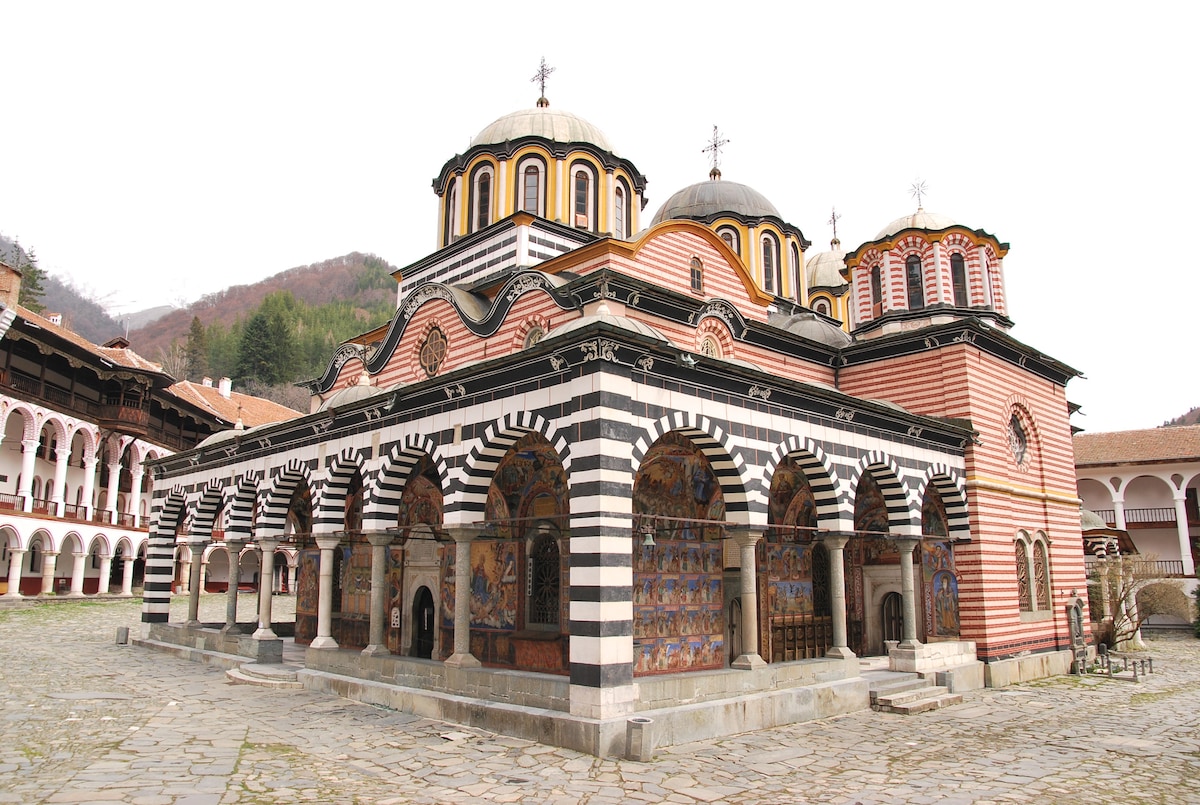
Tour to Rila Monastery and Boyana Church
Sun, Feb 15 • 8:00 AM
1504, Sofia, Sofia City Province, Bulgaria
View details
Nearby attractions of National Ethnographic Museum
The National Art Gallery
The City Garden
Church of St. Nicholas the Miracle-Maker
National Museum of Natural History
"Bulgaria" Hall
Ivan Vazov National Theatre
National Archeological Museum of the Bulgarian Academy of Sciences
Crystal Garden
Institute of Ethnology and Folklore Studies with Ethnographic Museum at BAS
ONE GALLERY
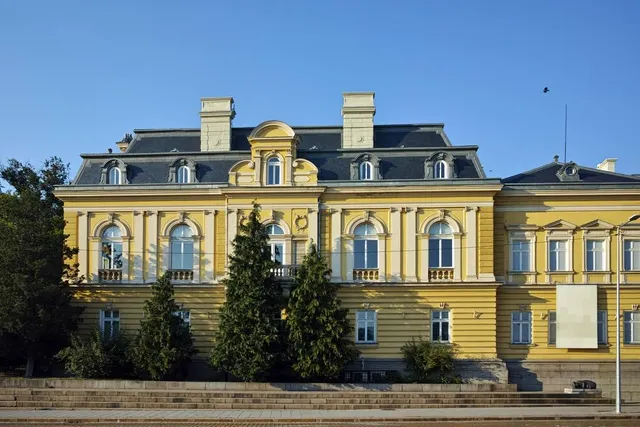
The National Art Gallery
4.4
(1.1K)
Closed
Click for details
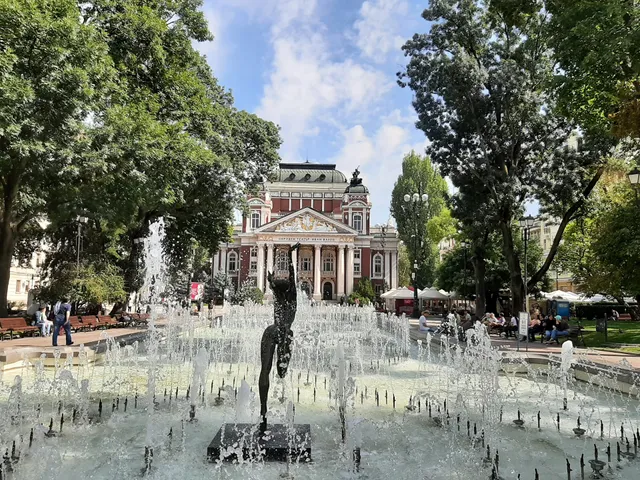
The City Garden
4.7
(7K)
Open until 12:00 AM
Click for details
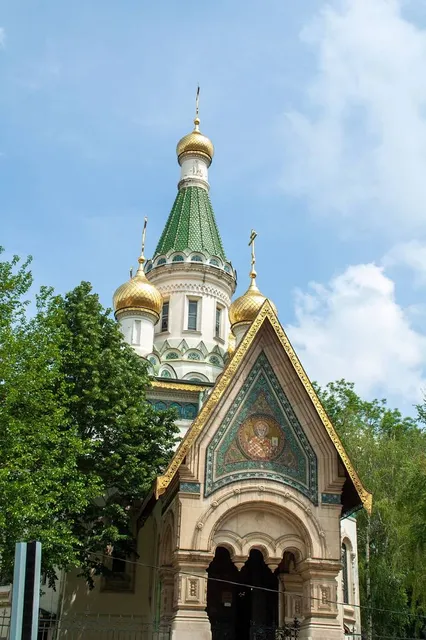
Church of St. Nicholas the Miracle-Maker
4.8
(2.6K)
Closed
Click for details
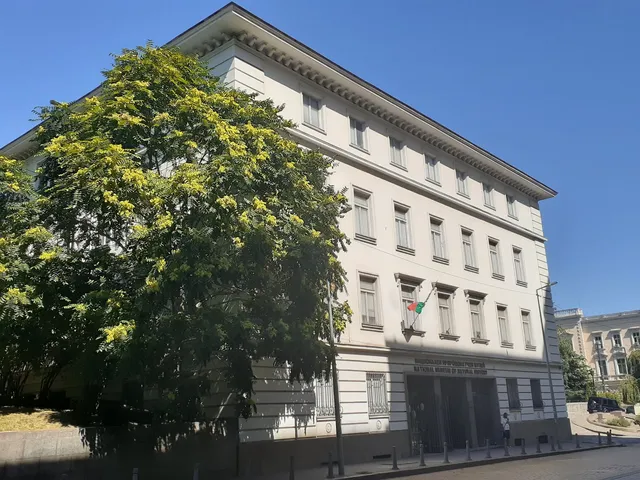
National Museum of Natural History
4.6
(1.7K)
Closed
Click for details
Nearby restaurants of National Ethnographic Museum
Unica Restaurant
Russian Restaurant Arbat
Ресторант "Къщата с часовника"
Coffee Syndicate
Skarabar
Gravity Bar
Rainbow Factory
Gevrek Bagels Sofia
Fresh up Batenberg
Bar Friday
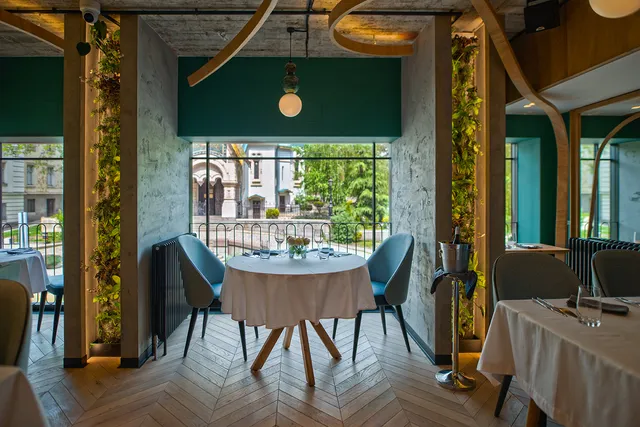
Unica Restaurant
4.6
(890)
$$$
Open until 11:00 PM
Click for details
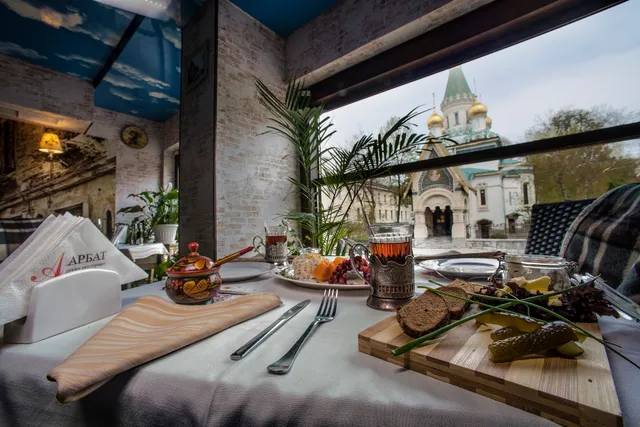
Russian Restaurant Arbat
4.4
(981)
$$
Open until 11:00 PM
Click for details
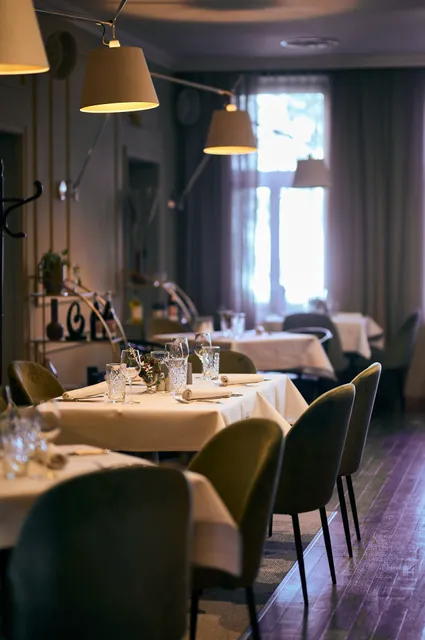
Ресторант "Къщата с часовника"
4.3
(448)
$$$
Open until 12:00 AM
Click for details
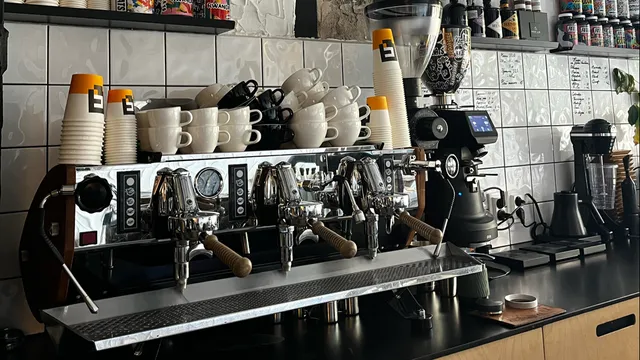
Coffee Syndicate
4.6
(435)
Closed
Click for details
Nearby local services of National Ethnographic Museum
The Palace - National Art Gallery
City Garden
National Archeological Institute with Museum - BAS
Opera and Ballet Sofia
Amphitheater of Serdica
Central Military Club
National Gallery
St. Sofia Church
St. Alexander Nevsky Cathedral
St. George Rotunda Church
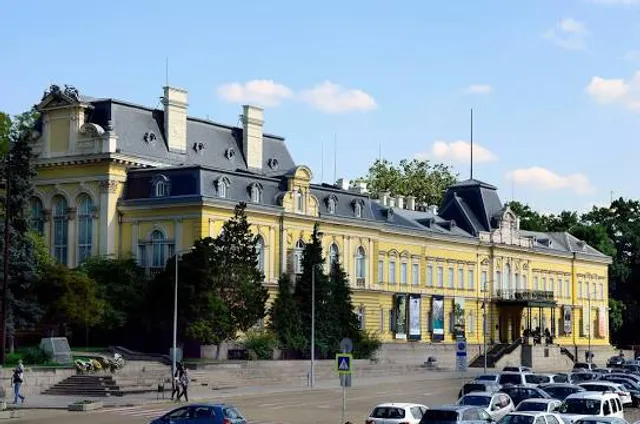
The Palace - National Art Gallery
4.5
(901)
Click for details
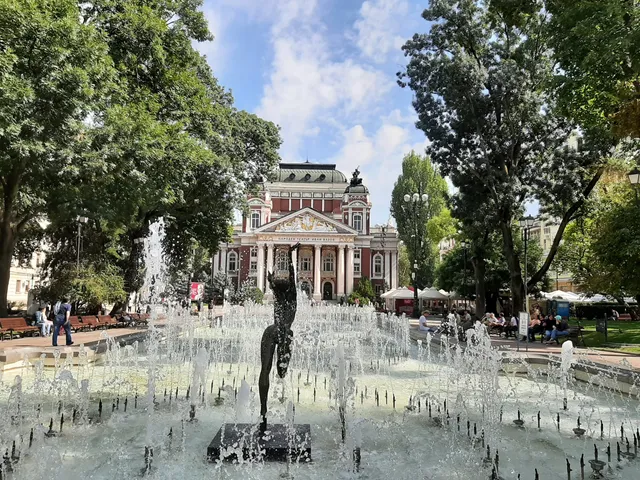
City Garden
4.7
(6K)
Click for details
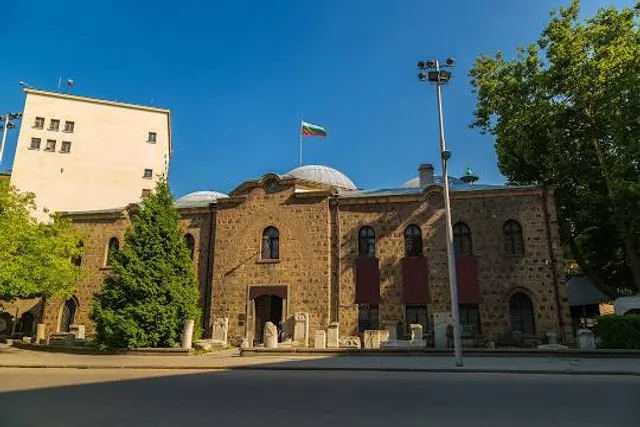
National Archeological Institute with Museum - BAS
4.6
(902)
Click for details
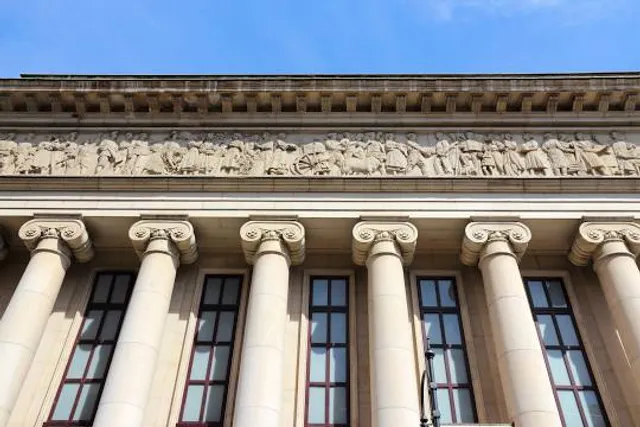
Opera and Ballet Sofia
4.8
(1.8K)
Click for details