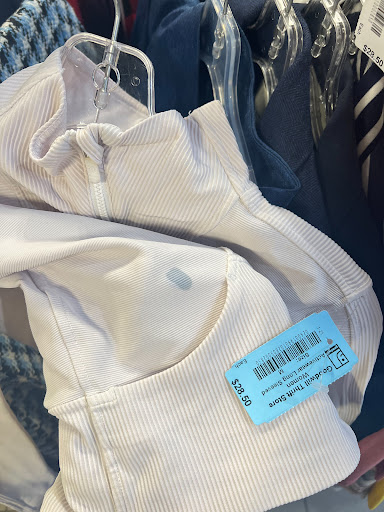
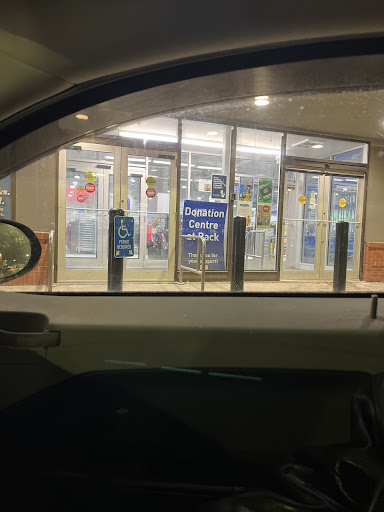
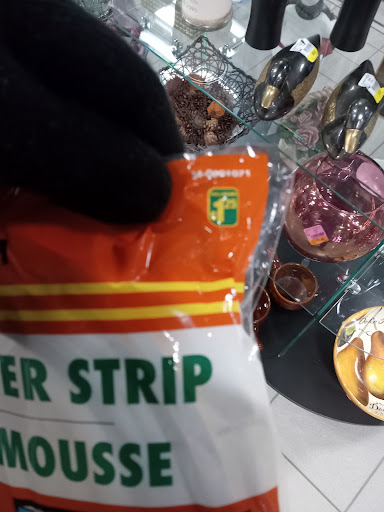
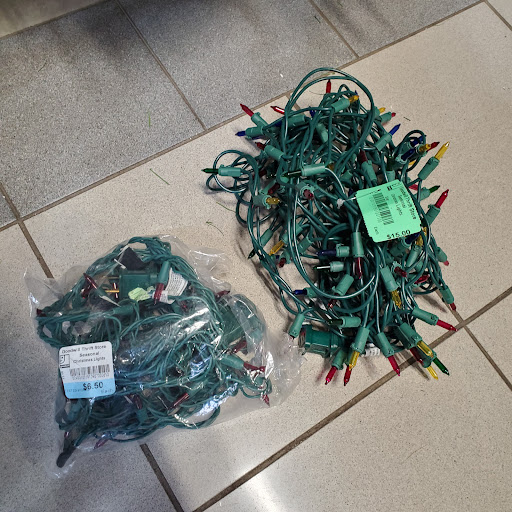
Goodwill Whyte Ave Thrift Store and Donation Centre things to do, attractions, restaurants, events info and trip planning
Basic Info
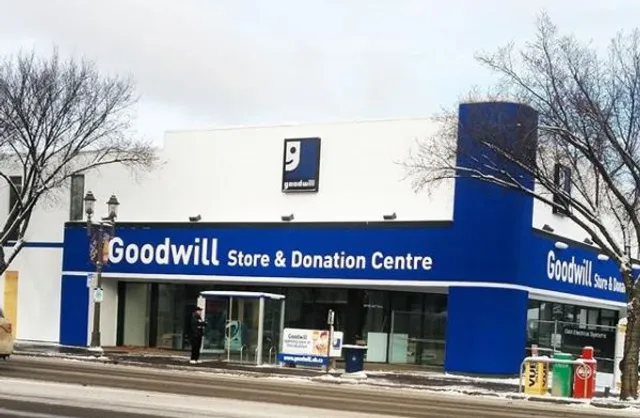
Goodwill Whyte Ave Thrift Store and Donation Centre
10110 Whyte Ave NW #205, Edmonton, AB T6E 1Z4, Canada
3.8(357)$$$$
Open until 6:00 PM
Save
spot
spot
Ratings & Description
Info
Cultural
Family friendly
Accessibility
attractions: The Paint Spot, Edmonton Radial Railway Society, Dr. Wilbert Mcintyre Park, Backstage Theatre, Vivid Print, Sid's Selfie World, Old Strathcona Streetcar Barn & Museum, Queen Elizabeth Park, ᐄᓃᐤ (ÎNÎW) River Lot 11∞ Indigenous Art Park, Mill Creek School Playground, restaurants: Cheese Louise YEG, Cat Cafe on Whyte, Dorinku Tokyo, Under The High Wheel, TiKi TiKi on Whyte, Kinshi Rinji, Nhon Hoa Sandwich Bar, Y-Not Indian Kitchen and Bar, THE GREAT INDIAN DELICACY YEG AUTHENTIC KERALA SOUTH INDIAN CUISINE., Kaengthai Bistro, local businesses: Blush Lane Organic Market Whyte Ave, Spiritleaf, Wee Book Inn, Old Strathcona Farmers' Market, Edmonton Cannabis and Edibles, Trail Tire Auto Centers Whyte Ave., Blazzin Dewly's On Whyte, Commercial Hotel-Blues On Whyte Pub, Pharmacy On Whyte, Pawn Princess - Whyte Ave
 Learn more insights from Wanderboat AI.
Phone
+1 780-437-7156
Website
goodwill.ab.ca
Open hoursSee all hours
Fri9 am - 6 pmOpen
Plan your stay

Pet-friendly Hotels in Edmonton
Find a cozy hotel nearby and make it a full experience.

Affordable Hotels in Edmonton
Find a cozy hotel nearby and make it a full experience.

The Coolest Hotels You Haven't Heard Of (Yet)
Find a cozy hotel nearby and make it a full experience.

Trending Stays Worth the Hype in Edmonton
Find a cozy hotel nearby and make it a full experience.
Reviews
Live events
Candlelight: The Best of Hans Zimmer
Sat, Feb 21 • 5:00 PM
Room 11-150, 11110 104 Avenue NW, MacEwan University, Edmonton, AB T5K 1M9, Canada, T5K 1M9
View details
Edmonton Murder Mystery: Solve the case!
Sat, Jan 31 • 11:00 PM
8331 104 Street NW, Edmonton, AB T6E 4E9, Canada, T6E 4E9
View details
Kid Quest in Edmonton: Superhero City Adventure for Kids (Ages 4–8)
Sat, Jan 31 • 11:00 PM
10355 Queen Elizabeth Park Rd, Edmonton AB, T6E 6C6
View details
Nearby attractions of Goodwill Whyte Ave Thrift Store and Donation Centre
The Paint Spot
Edmonton Radial Railway Society
Dr. Wilbert Mcintyre Park
Backstage Theatre
Vivid Print
Sid's Selfie World
Old Strathcona Streetcar Barn & Museum
Queen Elizabeth Park
ᐄᓃᐤ (ÎNÎW) River Lot 11∞ Indigenous Art Park
Mill Creek School Playground

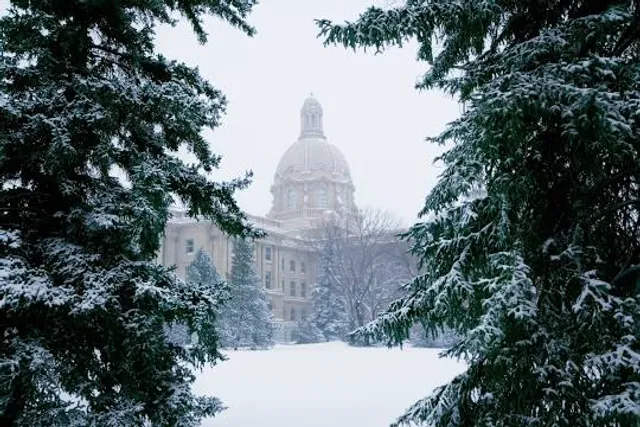
The Paint Spot
4.6
(154)
Open until 6:00 PM
Click for details
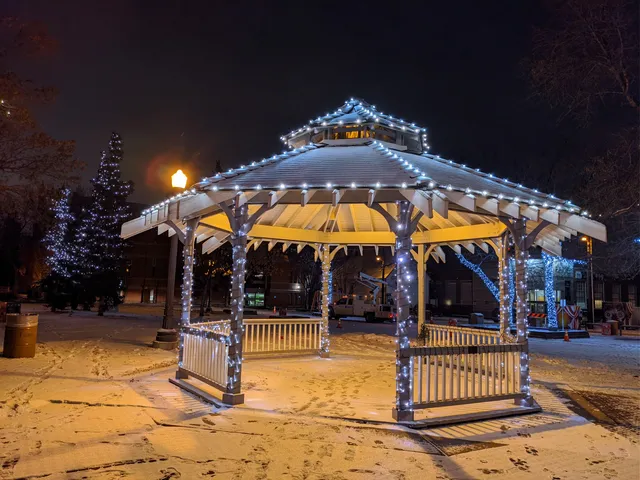
Edmonton Radial Railway Society
4.7
(184)
Open until 12:00 AM
Click for details
Dr. Wilbert Mcintyre Park
4.4
(202)
Open until 11:00 PM
Click for details

Backstage Theatre
4.6
(76)
Open 24 hours
Click for details
Nearby restaurants of Goodwill Whyte Ave Thrift Store and Donation Centre
Cheese Louise YEG
Cat Cafe on Whyte
Dorinku Tokyo
Under The High Wheel
TiKi TiKi on Whyte
Kinshi Rinji
Nhon Hoa Sandwich Bar
Y-Not Indian Kitchen and Bar
THE GREAT INDIAN DELICACY YEG AUTHENTIC KERALA SOUTH INDIAN CUISINE.
Kaengthai Bistro

Cheese Louise YEG
4.9
(29)
Open until 1:00 AM
Click for details

Cat Cafe on Whyte
4.6
(941)
Open until 10:00 PM
Click for details
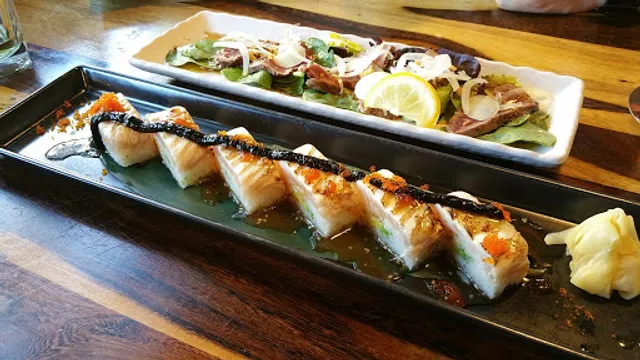
Dorinku Tokyo
4.5
(1.2K)
Open until 2:00 PM
Click for details
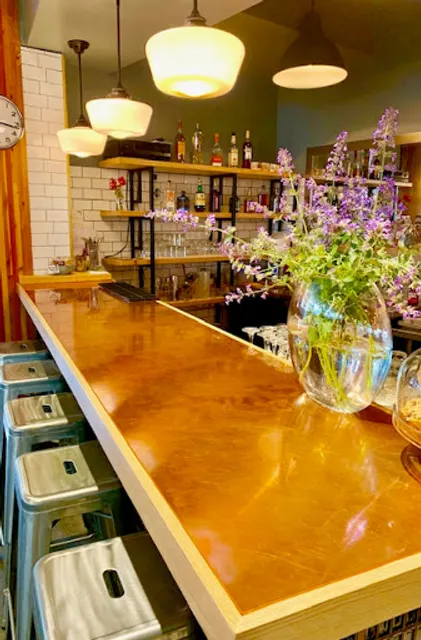
Under The High Wheel
4.2
(548)
Open until 3:00 PM
Click for details
Nearby local services of Goodwill Whyte Ave Thrift Store and Donation Centre
Blush Lane Organic Market Whyte Ave
Spiritleaf
Wee Book Inn
Old Strathcona Farmers' Market
Edmonton Cannabis and Edibles
Trail Tire Auto Centers Whyte Ave.
Blazzin Dewly's On Whyte
Commercial Hotel-Blues On Whyte Pub
Pharmacy On Whyte
Pawn Princess - Whyte Ave
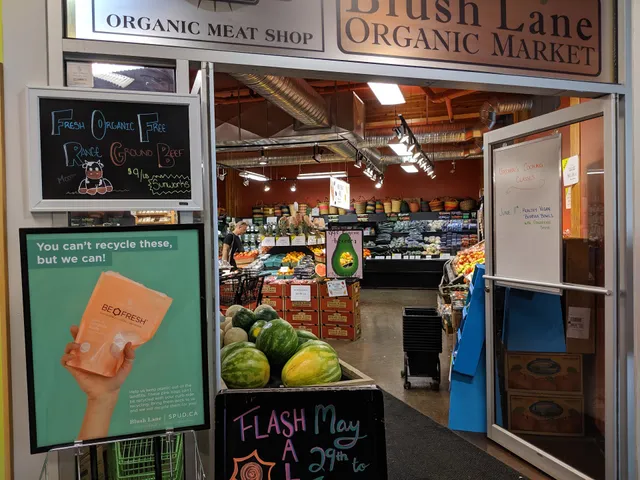
Blush Lane Organic Market Whyte Ave
4.2
(340)
Click for details
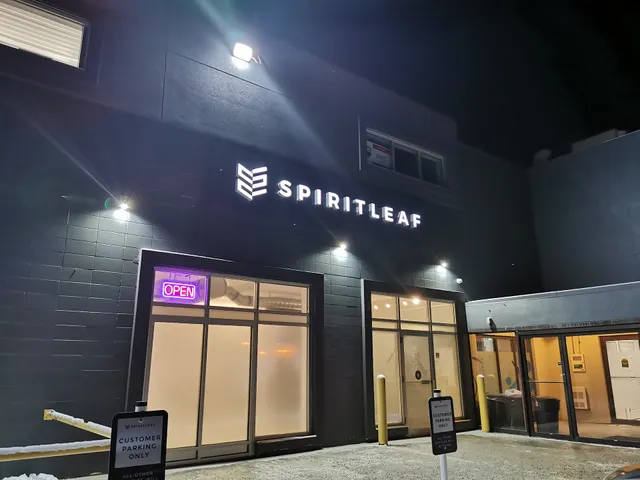
Spiritleaf
4.4
(103)
Click for details
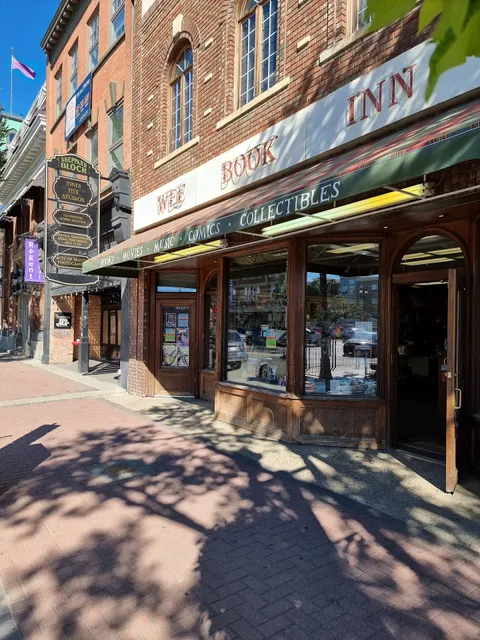
Wee Book Inn
4.7
(739)
Click for details
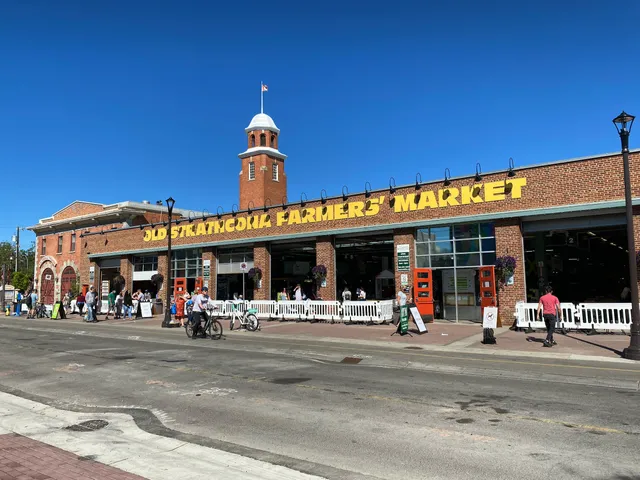
Old Strathcona Farmers' Market
4.6
(1.2K)
Click for details