Beaty Biodiversity Museum things to do, attractions, restaurants, events info and trip planning
Basic Info
Beaty Biodiversity Museum
Vancouver Campus, 2212 Main Mall, Vancouver, BC V6T 1Z4, Canada
4.5(658)
Open until 12:00 AM

tickets
Save
spot
spot
Ratings & Description
Info
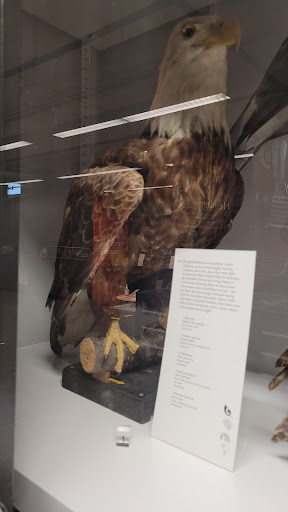
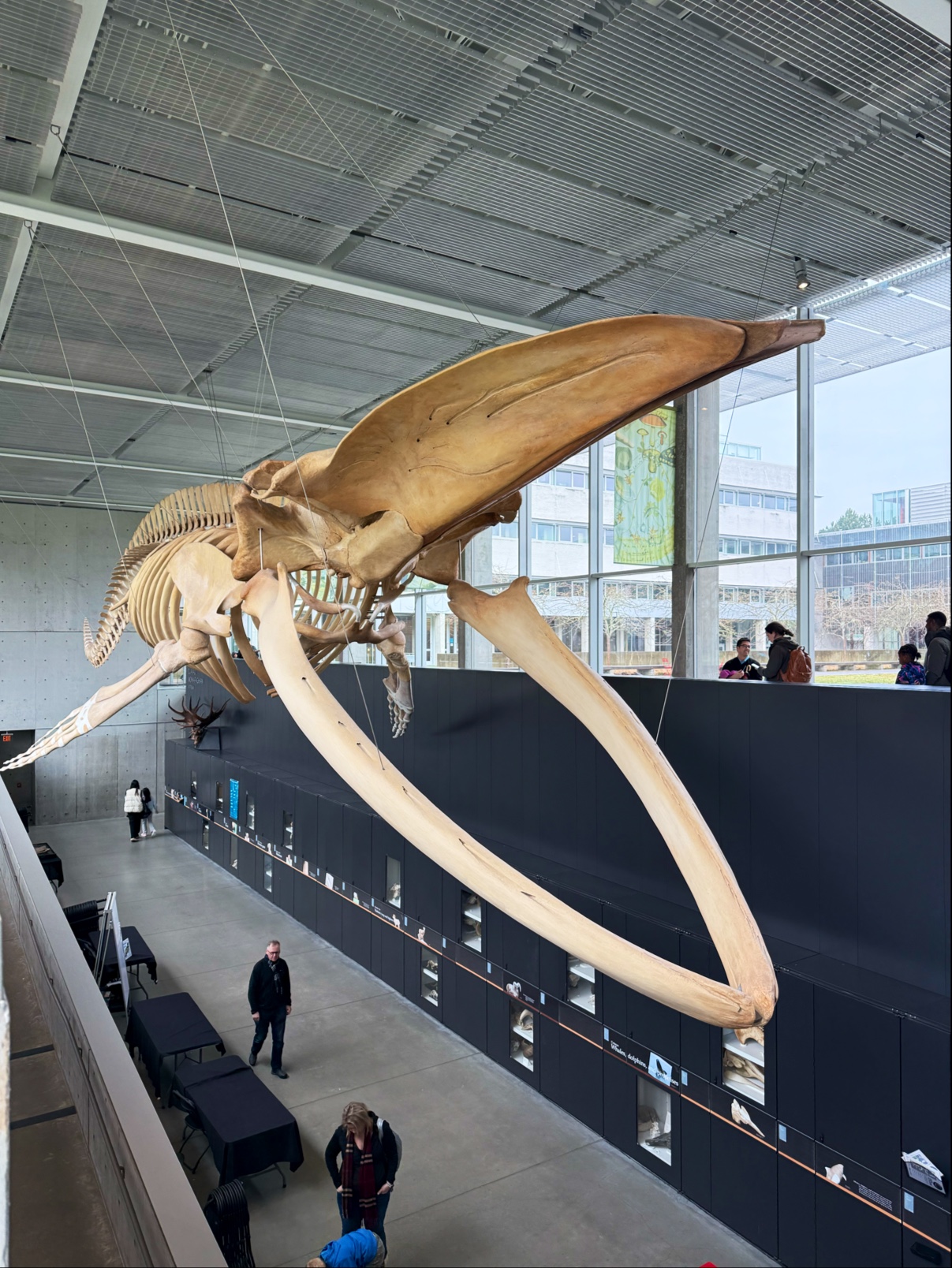
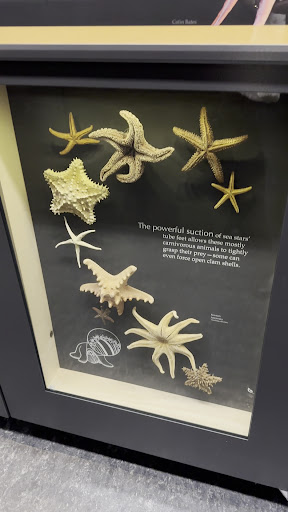
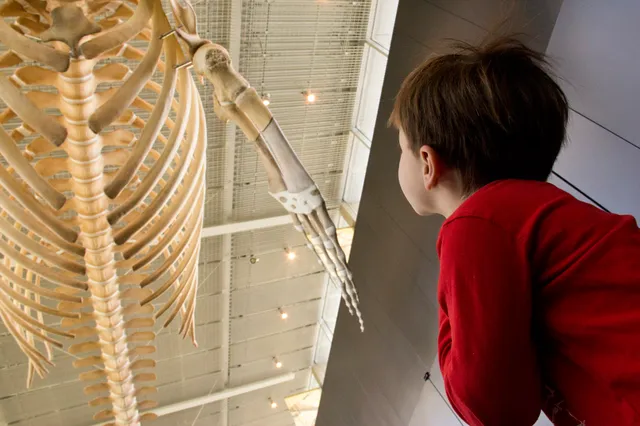
The Beaty Biodiversity Museum is a natural history museum in Vancouver, British Columbia, Canada, located on the campus of the University of British Columbia.
Cultural
Entertainment
Family friendly
Accessibility
attractions: Pacific Museum of Earth, Martha Piper Plaza, UBC Welcome Centre, Dorothy Somerset Studio, UBC Welcome Centre, Reconciliation Pole, UBC Life Building, Nitobe Memorial Garden, UBC Opera, Regent College, restaurants: Mercante, Loafe Café - Alumni Centre UBC, KINTON RAMEN UBC, Browns Crafthouse UBC, Jamjar Canteen, Agora Eats Café, Blue Chip Cafe, Loafe Café - Sauder UBC, EUS Eatery, Kyros Kitchen, local businesses: Nest Catering & Conferences, UBC Faculty of Forestry & Environmental Stewardship, Great Trek Run, Wreck Beach, Staples, UBC Old Auditorium, Donair Town, Asian Centre, UBC Rose Garden Parkade, Doug Mitchell Thunderbird Sports Centre
 Learn more insights from Wanderboat AI.
Phone
+1 604-827-4955
Website
beatymuseum.ubc.ca
Open hoursSee all hours
Tue10 AM - 5 PMOpen
Plan your stay

Pet-friendly Hotels in Electoral Area A
Find a cozy hotel nearby and make it a full experience.

Affordable Hotels in Electoral Area A
Find a cozy hotel nearby and make it a full experience.

The Coolest Hotels You Haven't Heard Of (Yet)
Find a cozy hotel nearby and make it a full experience.

Trending Stays Worth the Hype in Electoral Area A
Find a cozy hotel nearby and make it a full experience.
Reviews
Live events
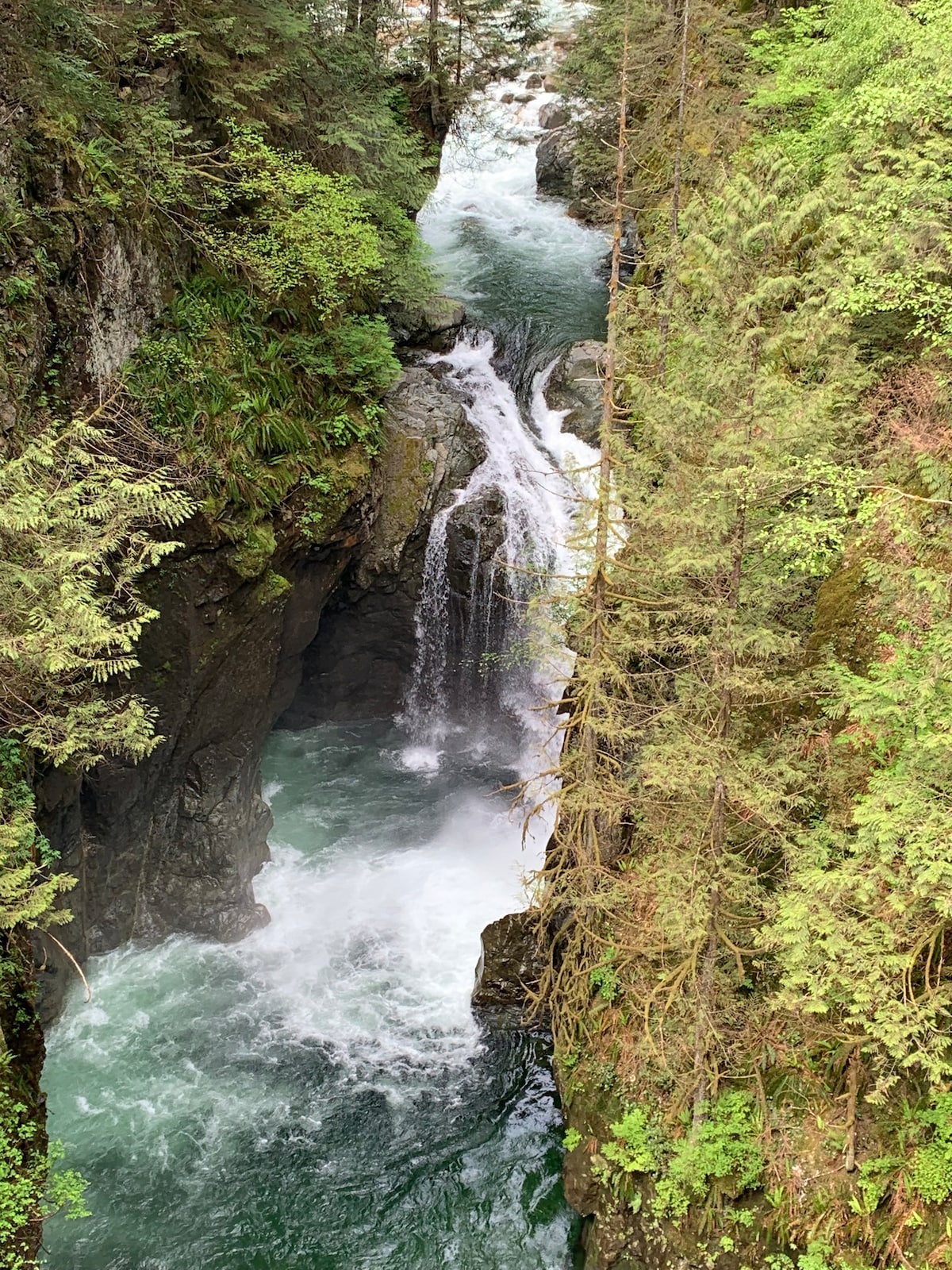
Hike the Vancouver rainforest with waterfalls
Wed, Feb 25 • 8:30 AM
Vancouver, British Columbia, V6R 2M9, Canada
View details
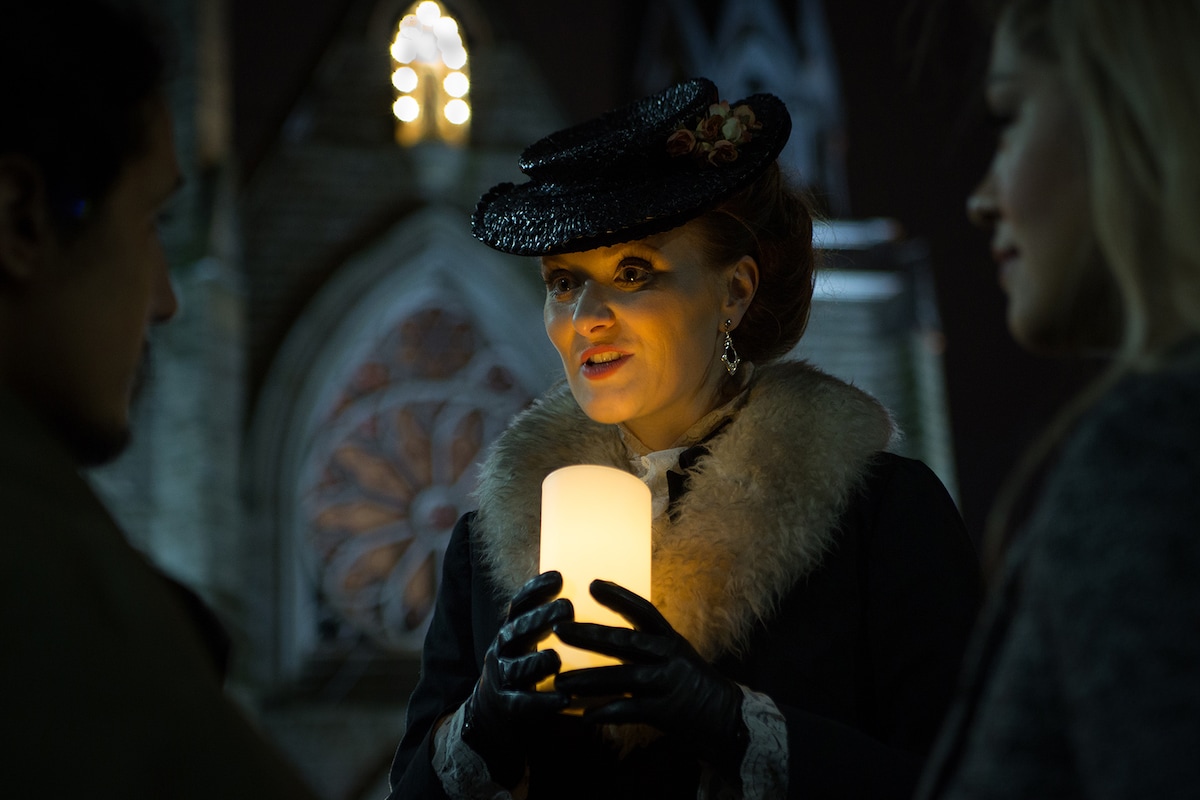
Discover the Lost Souls of Gastown
Wed, Feb 25 • 7:00 PM
Vancouver, British Columbia, V6B 1B6, Canada
View details
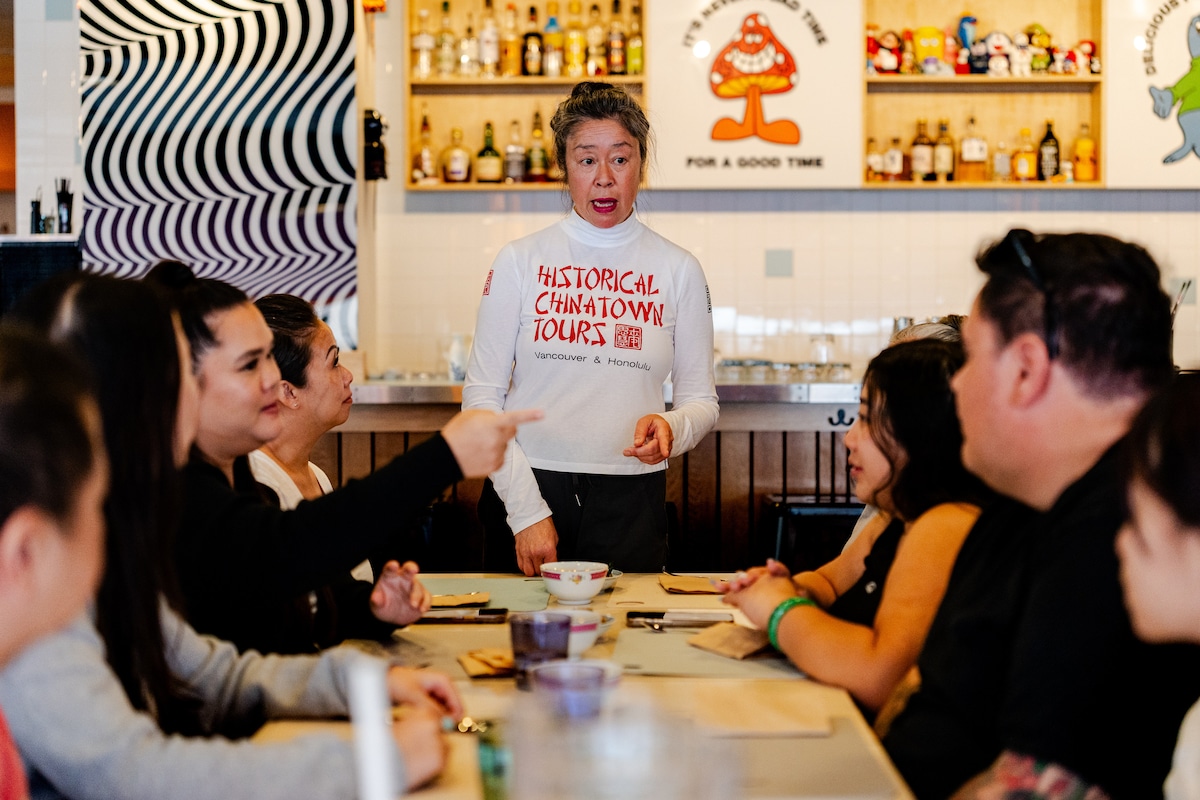
Masterclass Dumplings
Wed, Feb 25 • 1:00 PM
Vancouver, British Columbia, V6A 2T4, Canada
View details
Nearby attractions of Beaty Biodiversity Museum
Pacific Museum of Earth
Martha Piper Plaza
UBC Welcome Centre
Dorothy Somerset Studio
UBC Welcome Centre
Reconciliation Pole
UBC Life Building
Nitobe Memorial Garden
UBC Opera
Regent College
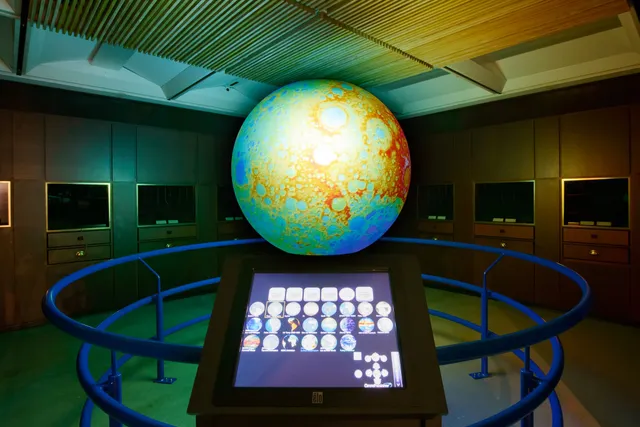
Pacific Museum of Earth
4.4
(121)
Closed
Click for details

Martha Piper Plaza
4.6
(39)
Open until 12:00 AM
Click for details
UBC Welcome Centre
4.7
(24)
Open 24 hours
Click for details

Dorothy Somerset Studio
4.3
(16)
Open 24 hours
Click for details
Nearby restaurants of Beaty Biodiversity Museum
Mercante
Loafe Café - Alumni Centre UBC
KINTON RAMEN UBC
Browns Crafthouse UBC
Jamjar Canteen
Agora Eats Café
Blue Chip Cafe
Loafe Café - Sauder UBC
EUS Eatery
Kyros Kitchen
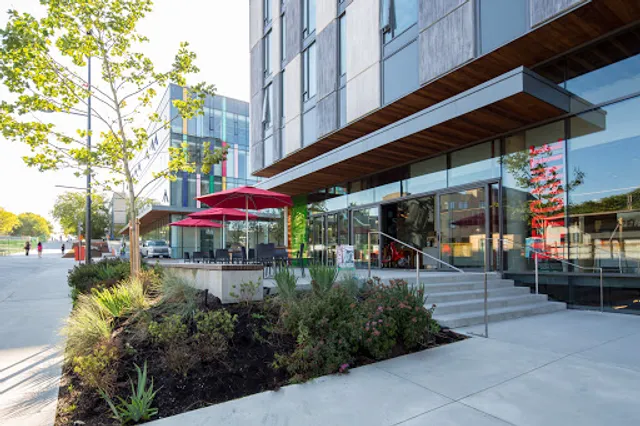
Mercante
4.0
(501)
Closed
Click for details
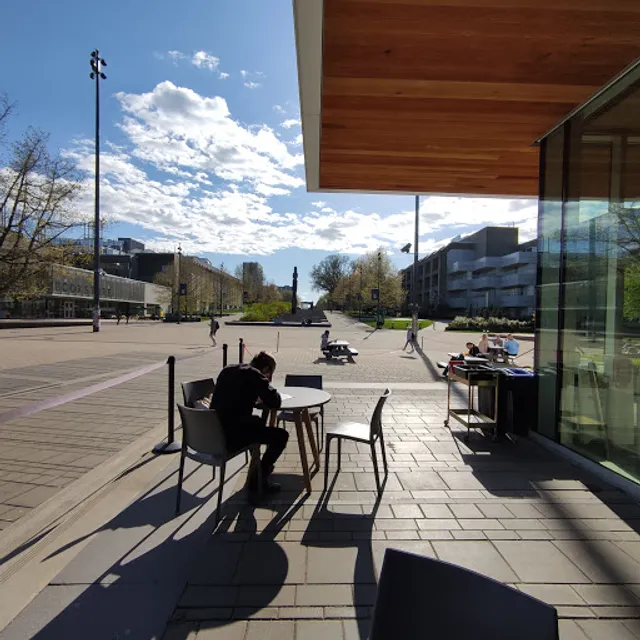
Loafe Café - Alumni Centre UBC
4.1
(248)
Closed
Click for details
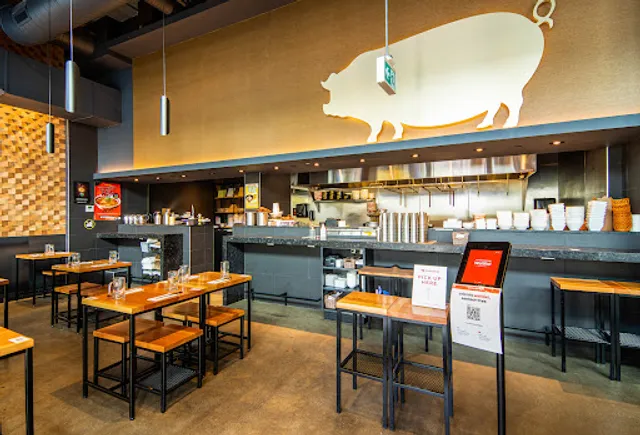
KINTON RAMEN UBC
4.4
(682)
Closed
Click for details
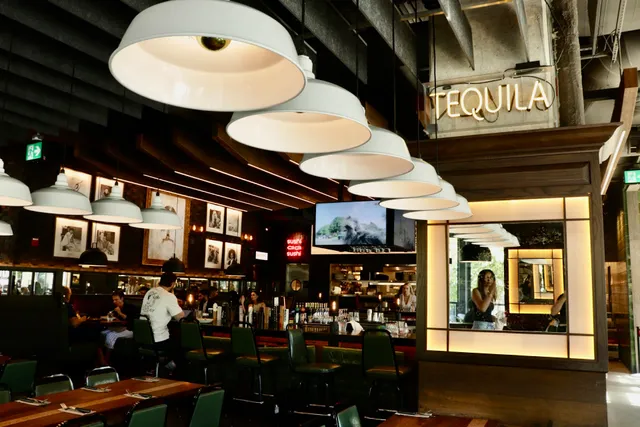
Browns Crafthouse UBC
4.5
(550)
Closed
Click for details
Nearby local services of Beaty Biodiversity Museum
Nest Catering & Conferences
UBC Faculty of Forestry & Environmental Stewardship
Great Trek Run
Wreck Beach
Staples
UBC Old Auditorium
Donair Town
Asian Centre
UBC Rose Garden Parkade
Doug Mitchell Thunderbird Sports Centre
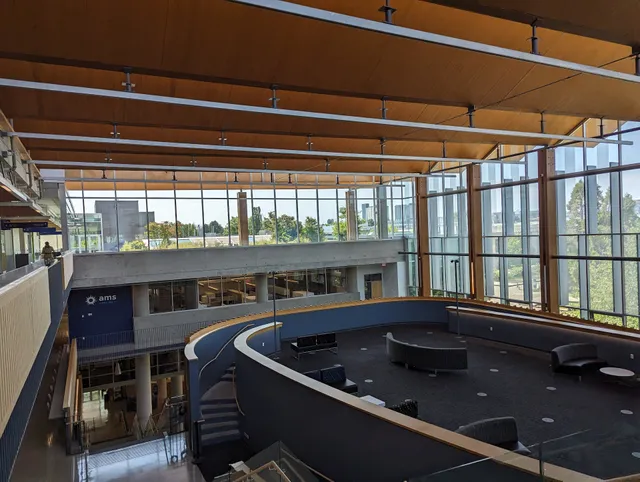
Nest Catering & Conferences
4.4
(66)
Click for details
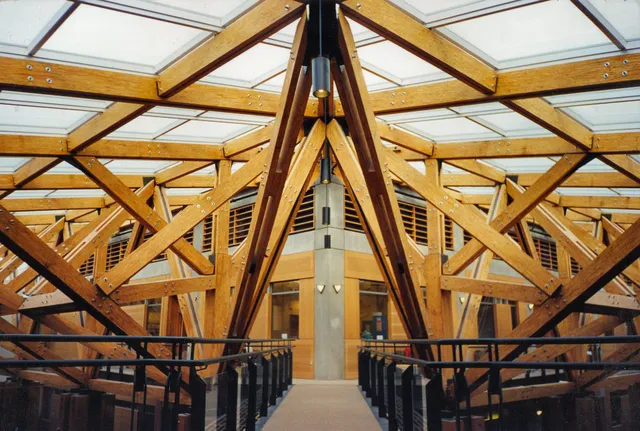
UBC Faculty of Forestry & Environmental Stewardship
4.7
(31)
Click for details
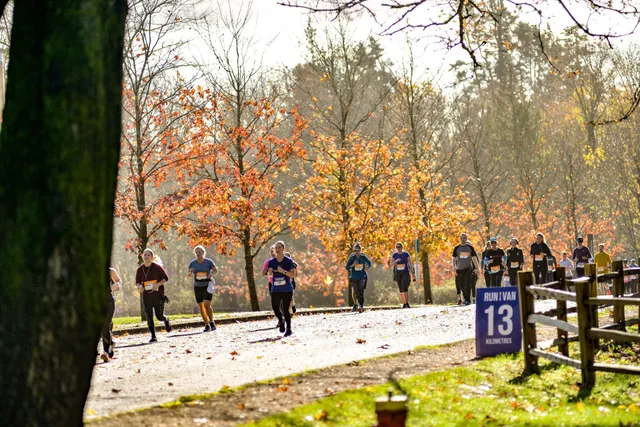
Great Trek Run
4.9
(13)
Click for details

Wreck Beach
4.7
(492)
Click for details