Ahu Ko Te Riku, located within the Tahai ceremonial complex near Hanga Roa on Easter Island (Rapa Nui), is one of the most iconic and historically significant sites on the island.
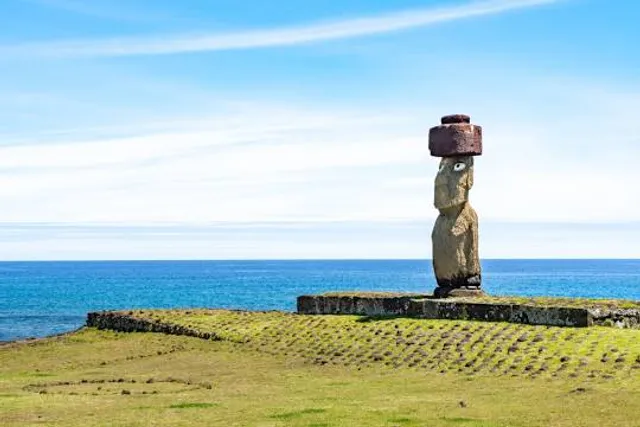
This ancient ceremonial platform stands out as the only location where visitors can see a fully restored moai with its eyes intact, making it a unique and deeply symbolic representation of Rapa Nui's ancestral culture.
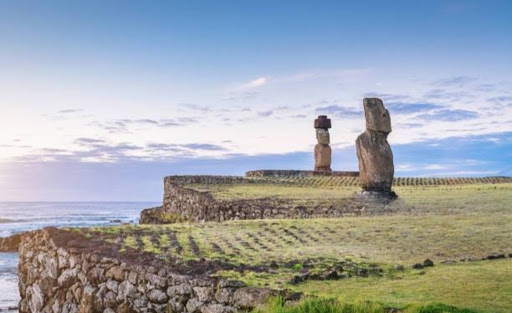
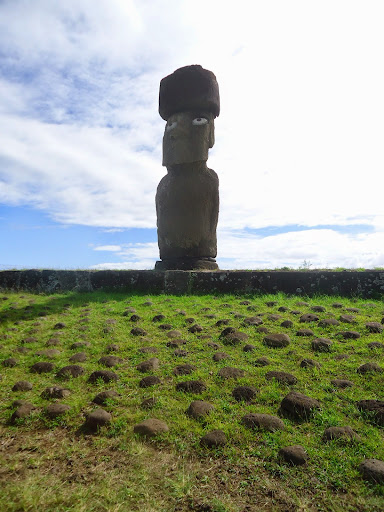
The moai, towering at approximately six meters, is adorned with a pukao - a red stone topknot carved from volcanic slag - and features eyes made of white coral with obsidian pupils. These elements were believed to imbue the statue with mana, or spiritual power, enabling it to protect its people.
The moai of Ahu Ko Te Riku faces inland, as do all others on the island, symbolizing its role as a guardian of the village rather than a sentinel for the sea. This orientation reflects the spiritual and cultural priorities of the Rapanui people, who saw their ancestors as protectors of their communities.
The restoration of its eyes, carried out in modern times, was based on archaeological findings and oral traditions, which suggest that moai were ceremonially "brought to life" when their eyes were inserted. This restoration has turned Ahu Ko Te Riku into one of the most photographed and admired landmarks on Easter Island.
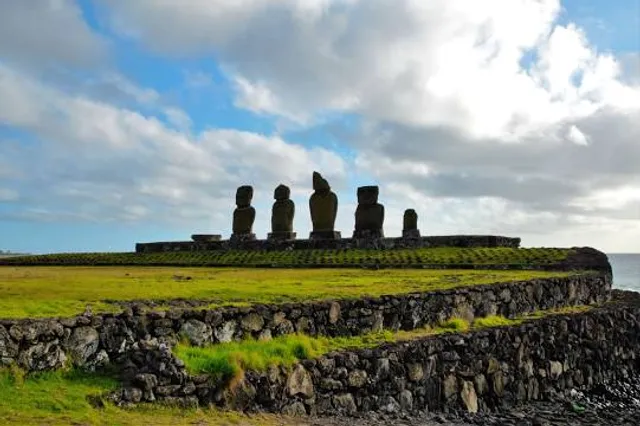
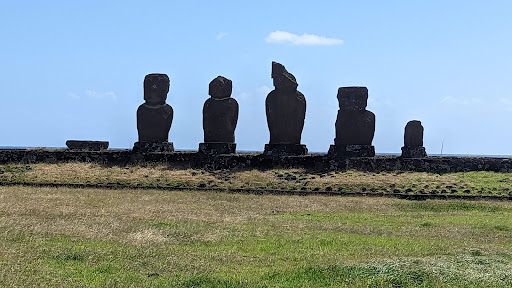
The site itself is part of the larger Tahai complex, which includes other ceremonial platforms such as Ahu Vai Uri and Ahu Tahai. Together, these platforms offer a glimpse into the sophisticated engineering and spiritual practices of the Rapanui civilization.
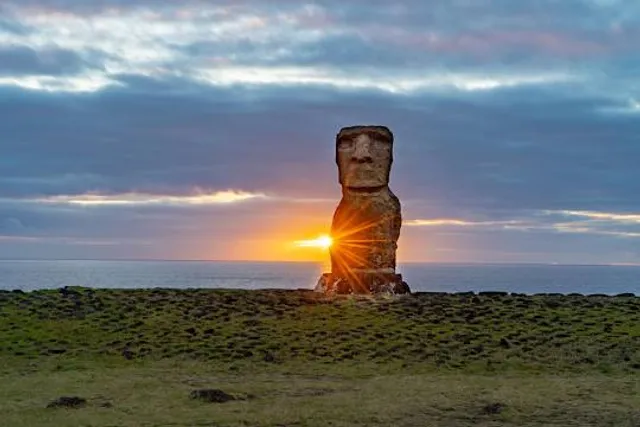
The Tahai area is also renowned for its breathtaking sunsets, with Ahu Ko Te Riku often serving as a dramatic silhouette against the fiery hues of the evening sky. Visitors frequently gather here to witness this natural spectacle, which adds an ethereal quality to an already mystical location.
Beyond its visual appeal, Ahu Ko Te Riku holds layers of historical intrigue. The pukao atop the moai has a fascinating backstory. It is believed that its original piece may have been repurposed to carve a Christian cross for a nearby cemetery during later periods of cultural transformation on the island. This detail underscores how Rapa Nui's history is marked by both continuity and change, blending ancient traditions with more recent influences.
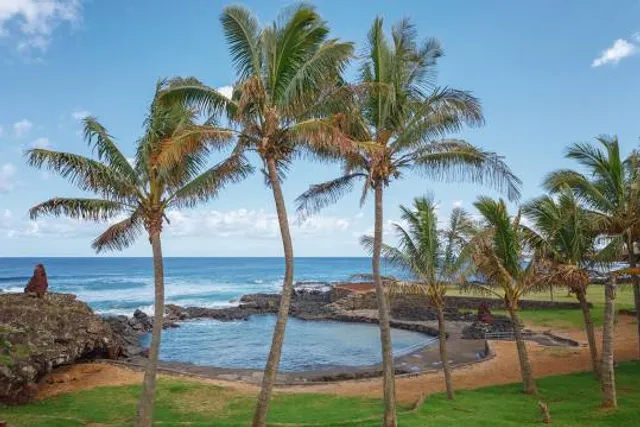
The surrounding landscape further enhances the experience of visiting Ahu Ko Te Riku. The grassy cliffs overlooking the Pacific Ocean and the proximity to Hanga Roa provide a serene yet awe-inspiring setting that invites reflection on both the ingenuity of ancient Polynesian cultures and the enduring mysteries of Easter Island. The site is easily accessible from Hanga Roa, making it a convenient yet profoundly rewarding destination for travelers seeking to connect with Rapa Nui's rich heritage.
In summary, Ahu Ko Te Riku is more than just an archaeological site. It is a living testament to the artistry, spirituality, and resilience of the Rapanui people. Its unique features particularly its restored eyes make it an unparalleled symbol of Easter Island's cultural identity and an essential stop for anyone exploring this remote yet captivating...
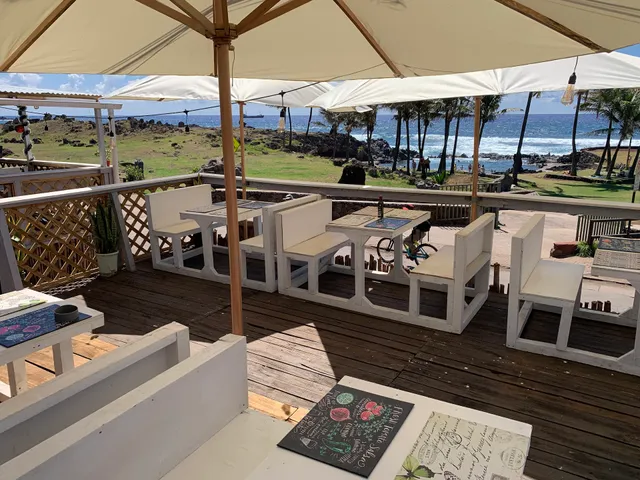
Read moreWonderful spot to view the sunset. Ambling from to here from nearby cemetery parking lot toward The Moai Sunset Restaurant. The area of these Moai is in a open area on hill overlooking the sea. At the time, tourists were able to visit these locations without a guide, which is not allowed at some of the larger parks where there are Moai (statues) like Rano Raraku...
Read moreMy Easter Weekend 2014 adventure on Easter Island wouldn't have been complete without daily visits to Ahu Ko Te Riku. Being so close to town, it was incredibly easy to access. This site offers an absolutely stunning setting for sunset, enhanced by the remarkable detail of the moai's restored coral eyes, which truly bring the statue to life as...
Read more