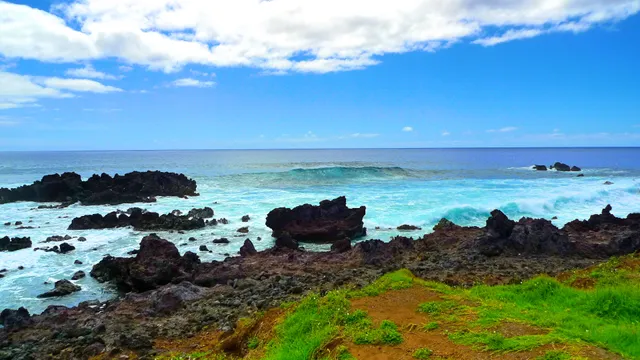
Rapa Nui, commonly known as Easter Island (Isla de Pascua in Spanish), is a remote Chilean island in the southeastern Pacific Ocean. It is renowned for its nearly 1,000 monumental stone statues (moai), created by the indigenous Rapa Nui people between the 10th and 16th centuries. The island is a UNESCO World Heritage Site, with much of its area protected within Rapa Nui National Park.
Location: 3,700 km west of Chile, making it one of the most isolated inhabited islands globally. Size: 163.6 km², with a triangular shape formed by three extinct volcanoes. Population: ~7,750 (2017 census), with 45% identifying as ethnically Rapa Nui.
History & Culture Settlement: Polynesians arrived around 1200 CE (though earlier estimates suggested 300–800 CE). Oral tradition credits Chief Hotu Matu'a with leading the first settlers. Moai: The iconic statues, carved from volcanic tuff at Rano Raraku, represent ancestral chiefs. Some weigh up to 80 tons and were transported across the island, possibly using log rollers—contributing to deforestation. Collapse: By the 16th century, ecological degradation (deforestation, soil erosion) and intertribal conflict led to societal decline. Moai were toppled, and the culture shifted to the birdman cult (centered at Orongo village). Colonial Impact: European contact (1722) brought diseases and slave raids, reducing the population to 111 by 1877. Chile annexed the island in 1888.
Modern Challenges Autonomy Movements: Some Rapa Nui seek greater selfgovernance and land rights, protesting Chilean control. Clashes have occurred over sacred sites like Rapa Nui National Park. Tourism: The main economic driver (~70,000 visitors annually), but raises concerns about sustainability and cultural preservation. Immigration: Over half the population is now Chilean, sparking debates about resource allocation and cultural identity.
Key Sites Rano Raraku: The moai quarry, with unfinished statues. Ahu Tongariki: Largest ceremonial platform with 15 restored moai. Orongo: Ceremonial village linked to the birdman cult.
Unique Facts Language: Rapa Nui is a Polynesian language, closely related to Tahitian. Writing System: The undeciphered rongorongo script is one of the few indigenous writing systems in Oceania. Climate: Subtropical, with mild temperatures (19–27°C) and...
Read moreAhu Tahai is a big part of the Hanga Roa experience. It's the launchpad for scenic adventure that is Easter Island. Be aware that the streets are narrow and bumpy, filled with all manner of smaller vehicles including quads and motorbikes. There aren't many street signs either. Don't worry. It's all fun.
If you happen to be an early riser, also keep in mind that 7am seems to be the time the town wakes up. Don't look for a convenience store. Look for coffee in the bakeries but not before then. One chain pharmacy location seemed to be the only presence of a franchise ( thankfully.)
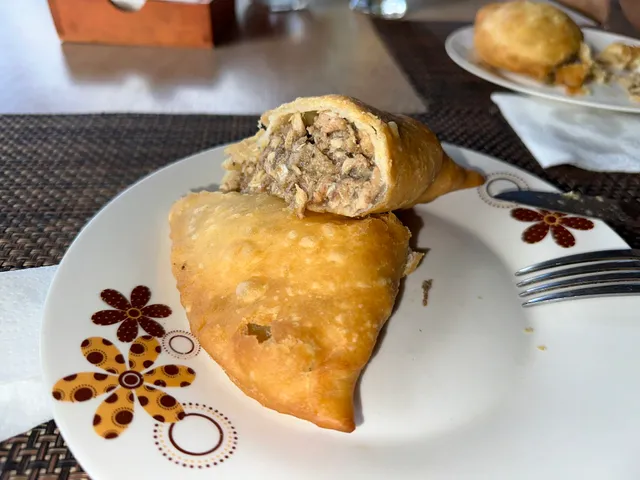
If seafood is your thing you're in luck. All the fare is great! The menus have English translations. Try a local IPA. The radio station plays a mix of Latin, Reggae and Western Pop/ Rock. The shops are colorful.
Put an international call/data plan on your phone BEFORE you leave home. Once you get here and you turn off 'airplane mode' DON'T PANIC. It may take 10~ 20mins to kick in. If Spanish isn't your first language the Google Translate comes in handy during transactions.
The people are pleasant, even downright friendly. Plenty of smiles to be had. No place was ever too crowded. If you strike up a conversation people might be just as curious about where you come from.
If you can get here, do it. You'll be...
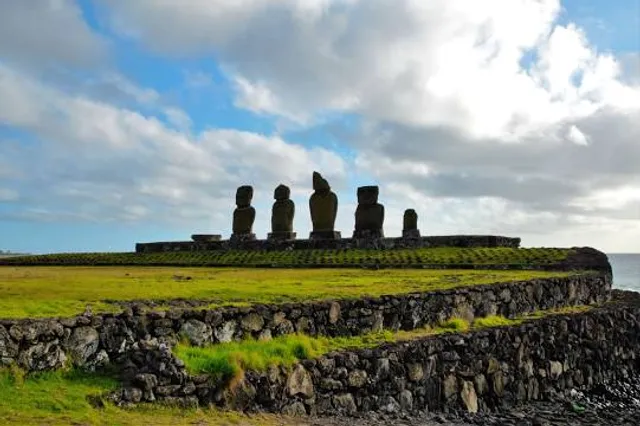
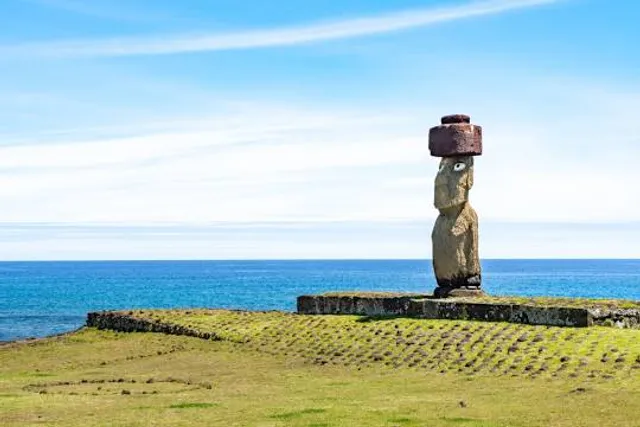
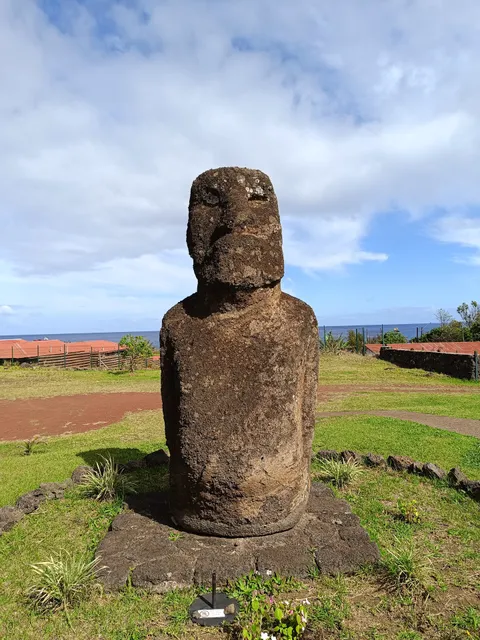
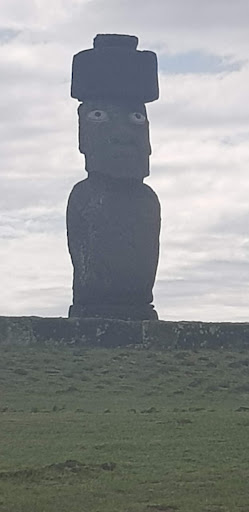
Read moreBest Sunset site on the western ocean side is Ahu Tahai on Rapa Nui Island. The archaeological site of Tahai is one of the oldest settlements on the island, dating back to 700 AD. The three Ahu of Tahai are Ahu Vai Uri (five moai statues), Ahu Tahai(one moai) and Ahu Ko Te Riku(single statue wearing a pukao or hat and the only Moai that has eyes on the whole island). Tribal wars might have destroyed the eyes in other statues. In the south area of the Tahai complex, about fifty meters to the left of the Ahu Vai Uri lies the tomb where the remains of William Mulloy, the leading figure in the archaeology of Easter Island rest. Next to him rest the remains of his wife Emily Rose, died in 2003, who accompanied him in his long study tours and stays on the island. Visit the place to feel all about the past and to enjoy present scenic...
Read more