Museum of National History of Chile things to do, attractions, restaurants, events info and trip planning
Basic Info
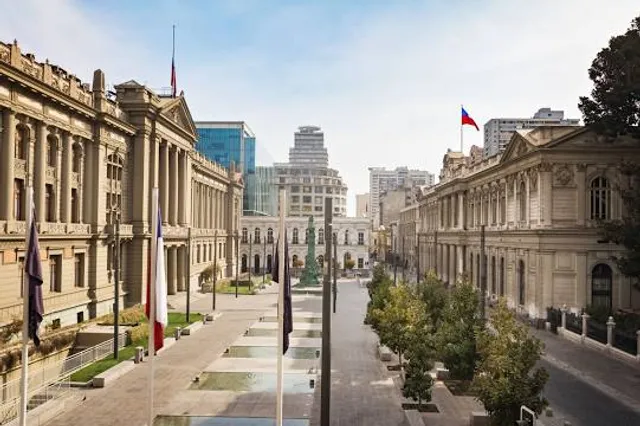
Museum of National History of Chile
Pl. de Armas 951, 8320096 Santiago, Región Metropolitana, Chile
4.7(2.5K)
Closed
Save
spot
spot
Ratings & Description
Info
Cultural
Family friendly
Accessibility
attractions: Plaza de Armas de Santiago, Metropolitan Cathedral of Santiago de Chile, Chilean Museum of Pre-Columbian Art, Santo Domingo Church, Plaza de Armas Tourist Office, Santiago Fire Museum, National Congress of Chile Palace in Santiago, Monument to the Indigenous Peoples, Paseo Bandera, Museo de Santiago - Casa Colorada, restaurants: Salon Canton, El Ají Seco, Patio Comida, Tokyoto Sushi Bar, El Rincón Del Portal, Los Tesoros del Inca, Donde Guido, Comida china en Santiago, Restaurante "El Rápido", Fuente de Soda Puerta del Sol, local businesses: Plaza de Armas, Vivo El Centro, Museo Chileno de Arte Precolombino, Santo Domingo Church, Santiago de Chile, CorreosChile Plaza de Armas, Mall Vivo Imperio, Central Market, Plaza de Armas Hostel, Mall Espacio M, Donde Golpea el Monito
 Learn more insights from Wanderboat AI.
Phone
+56 2 2997 8930
Website
mhn.gob.cl
Open hoursSee all hours
Thu10 a.m. - 5:30 p.m.Closed
Plan your stay

Pet-friendly Hotels in Santiago
Find a cozy hotel nearby and make it a full experience.

Affordable Hotels in Santiago
Find a cozy hotel nearby and make it a full experience.

The Coolest Hotels You Haven't Heard Of (Yet)
Find a cozy hotel nearby and make it a full experience.

Trending Stays Worth the Hype in Santiago
Find a cozy hotel nearby and make it a full experience.
Reviews
Live events
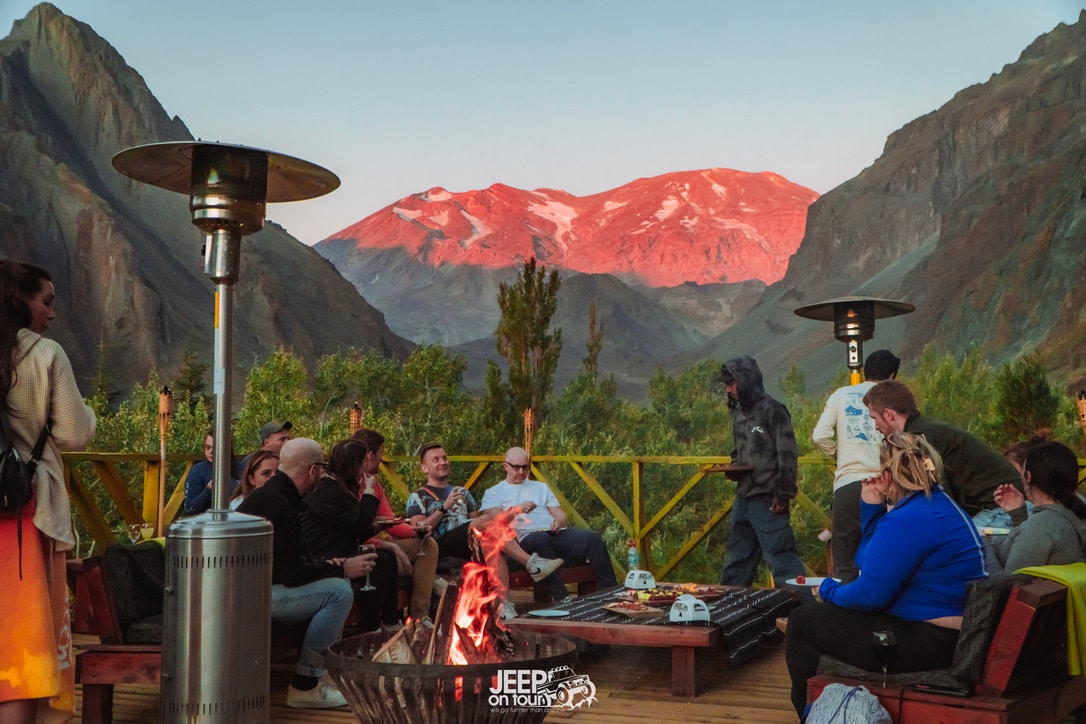
Explore Hot Spring in Andes Mountain whit Barbecue
Mon, Feb 23 • 2:30 PM
8320156, Santiago, Región Metropolitana, Chile
View details
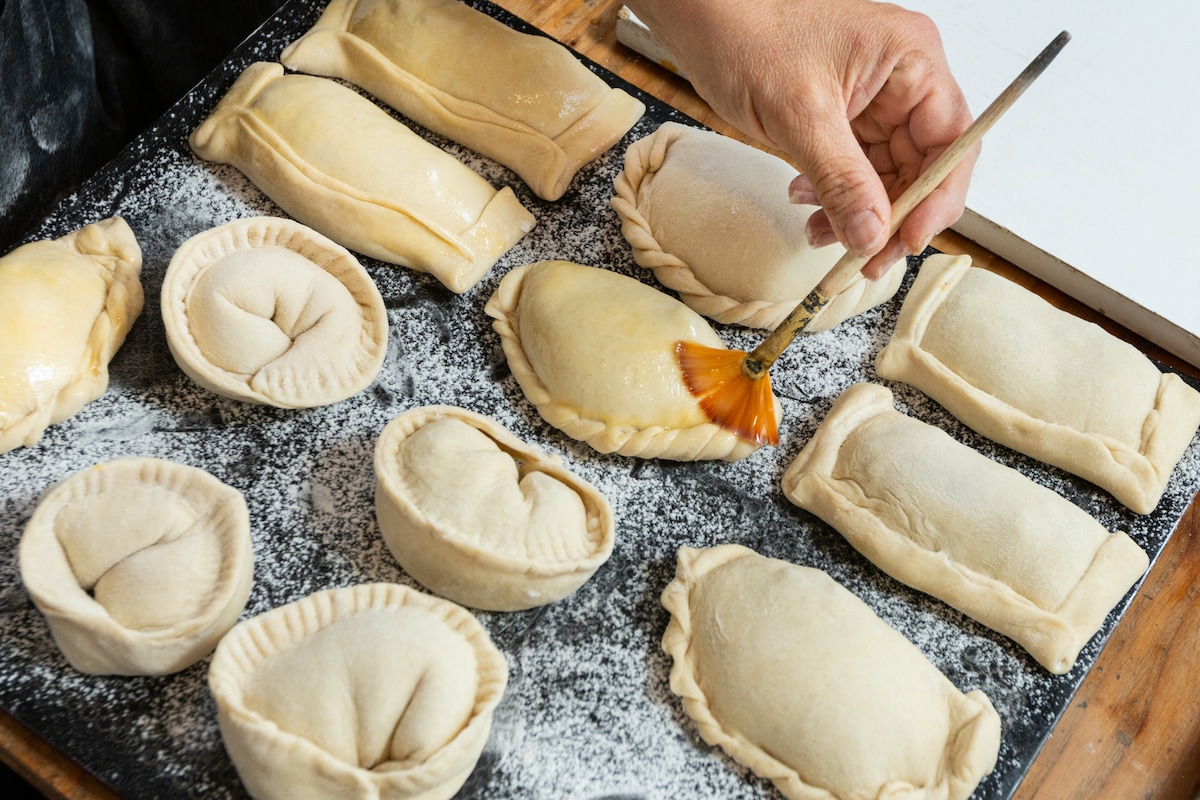
Prepare the famous empanada de pino
Sat, Feb 21 • 6:30 PM
7500000, Providencia, Santiago Metropolitan Region, Chile
View details
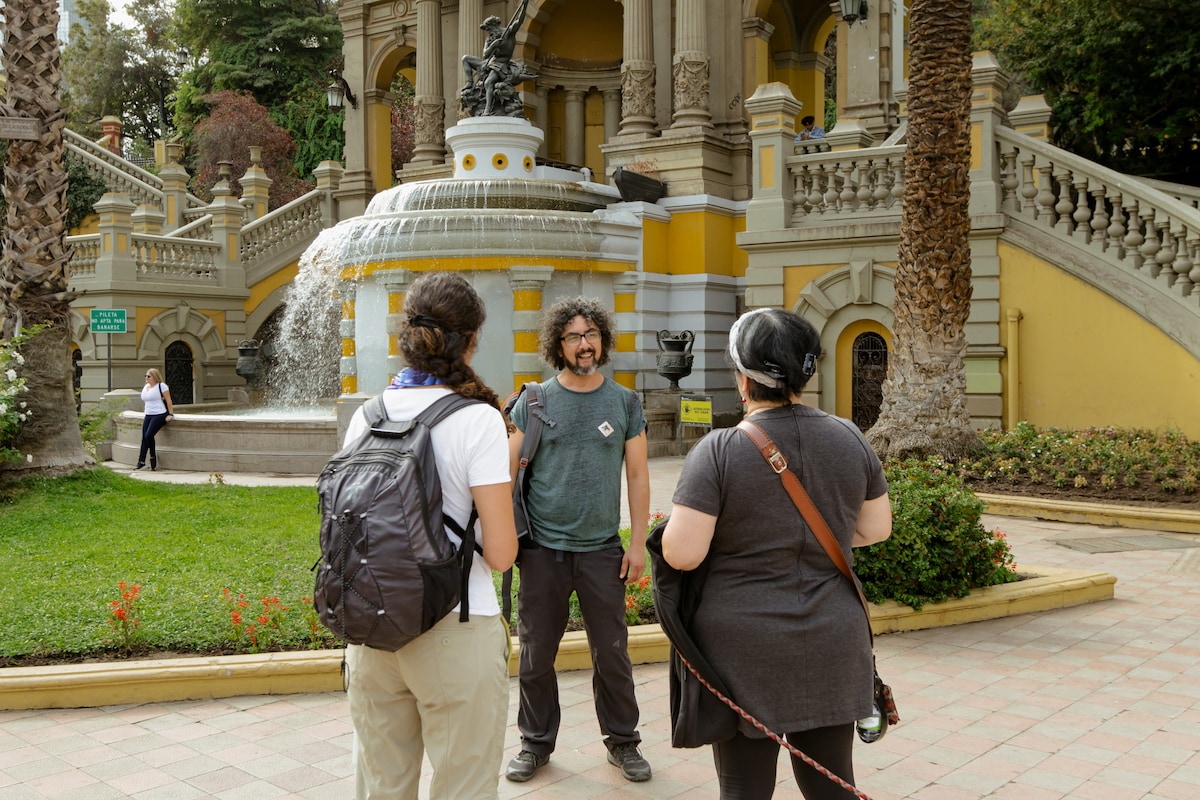
Santiago s History Walking Tour
Fri, Feb 20 • 10:00 AM
Santiago, Región Metropolitana, Chile
View details
Nearby attractions of Museum of National History of Chile
Plaza de Armas de Santiago
Metropolitan Cathedral of Santiago de Chile
Chilean Museum of Pre-Columbian Art
Santo Domingo Church
Plaza de Armas Tourist Office
Santiago Fire Museum
National Congress of Chile Palace in Santiago
Monument to the Indigenous Peoples
Paseo Bandera
Museo de Santiago - Casa Colorada
Plaza de Armas de Santiago
4.2
(27.8K)
Open until 12:00 AM
Click for details
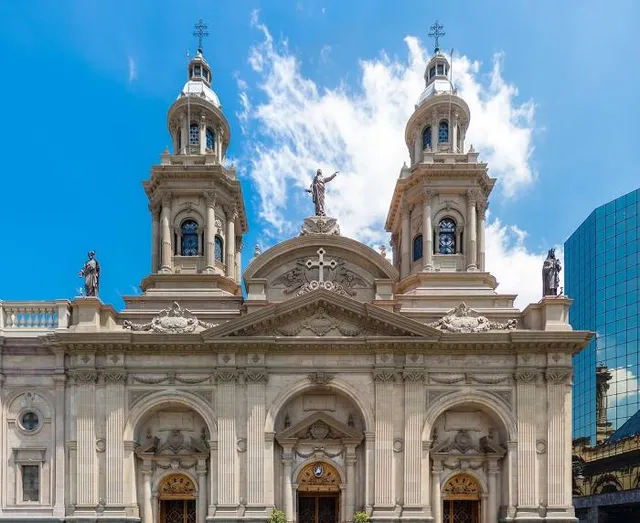
Metropolitan Cathedral of Santiago de Chile
4.7
(2.4K)
Closed
Click for details
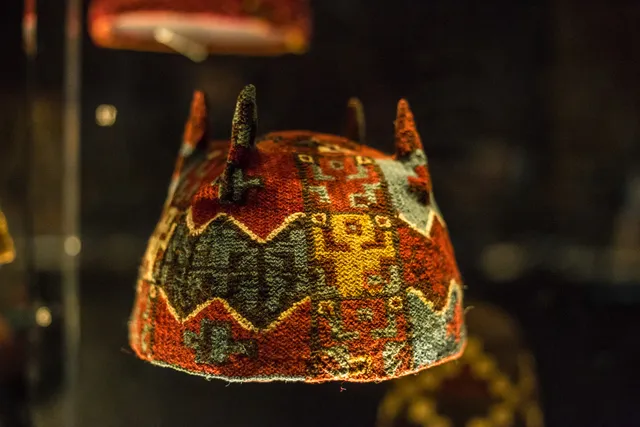
Chilean Museum of Pre-Columbian Art
4.7
(4.4K)
Closed
Click for details
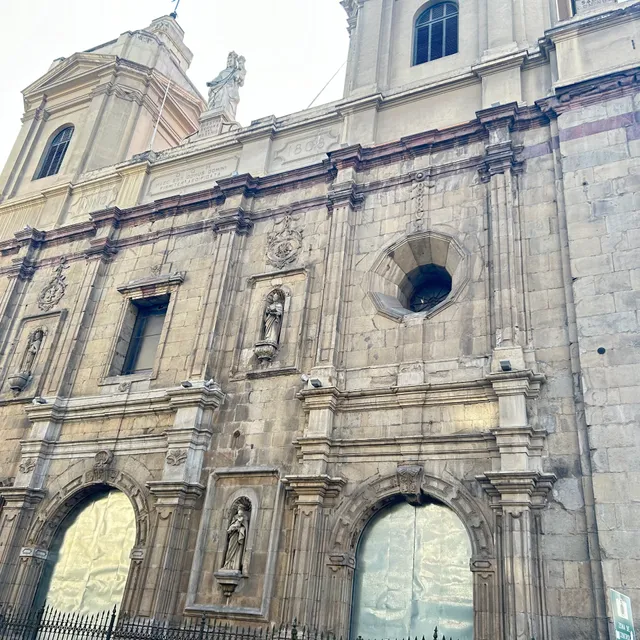
Santo Domingo Church
4.5
(602)
Open 24 hours
Click for details
Nearby restaurants of Museum of National History of Chile
Salon Canton
El Ají Seco
Patio Comida
Tokyoto Sushi Bar
El Rincón Del Portal
Los Tesoros del Inca
Donde Guido
Comida china en Santiago
Restaurante "El Rápido"
Fuente de Soda Puerta del Sol
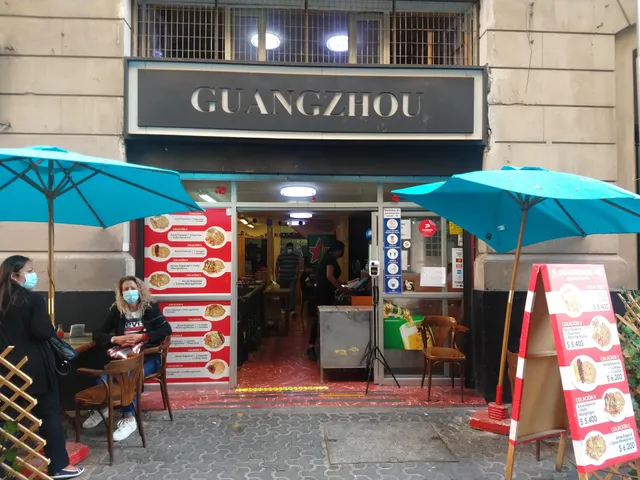
Salon Canton
4.5
(1.6K)
Closed
Click for details
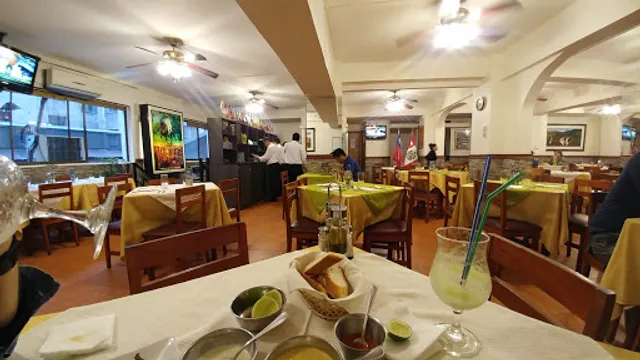
El Ají Seco
4.3
(1.5K)
$$
Open until 11:00 PM
Click for details
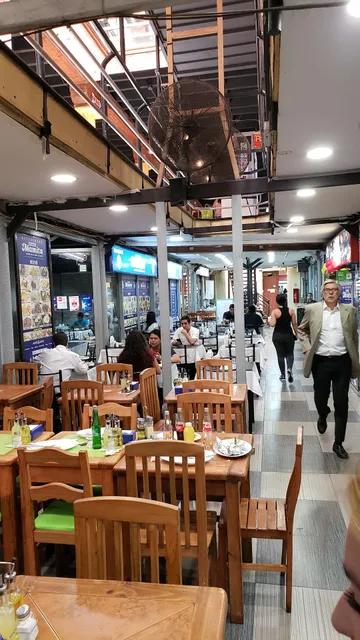
Patio Comida
4.3
(485)
Closed
Click for details
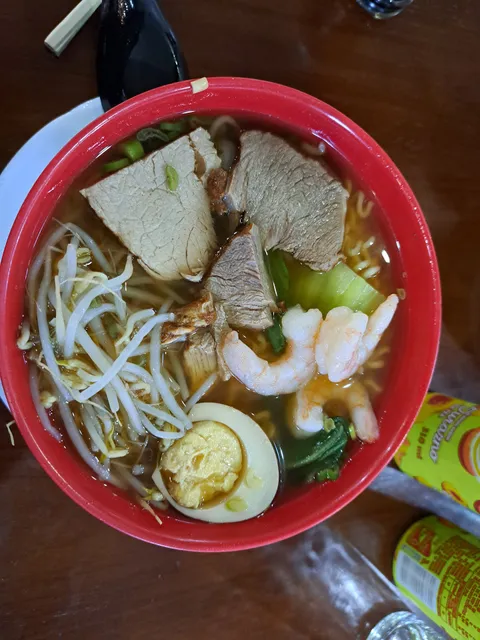
Tokyoto Sushi Bar
4.2
(428)
Open until 11:00 PM
Click for details
Nearby local services of Museum of National History of Chile
Plaza de Armas
Vivo El Centro
Museo Chileno de Arte Precolombino
Santo Domingo Church, Santiago de Chile
CorreosChile Plaza de Armas
Mall Vivo Imperio
Central Market
Plaza de Armas Hostel
Mall Espacio M
Donde Golpea el Monito
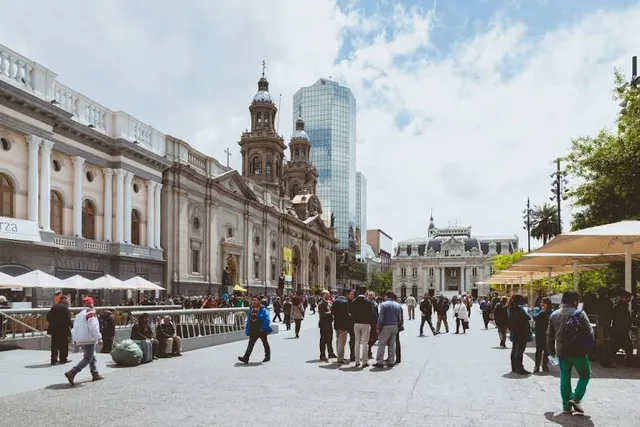
Plaza de Armas
4.2
(25.9K)
Click for details
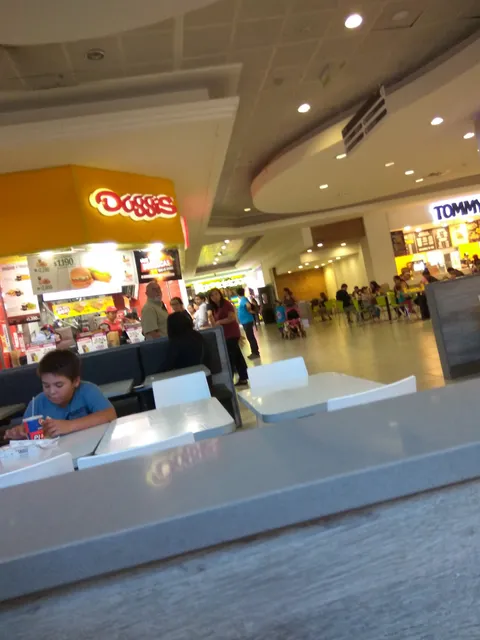
Vivo El Centro
4.0
(10.9K)
Click for details
Museo Chileno de Arte Precolombino
4.7
(3.7K)
Click for details

Santo Domingo Church, Santiago de Chile
4.5
(571)
Click for details