Imperial Ancestral Temple things to do, attractions, restaurants, events info and trip planning
Basic Info
Imperial Ancestral Temple
W96X+JXR, Dongcheng, Beijing, China, 100006
4.4(88)
Closed
Save
spot
spot
Ratings & Description
Info
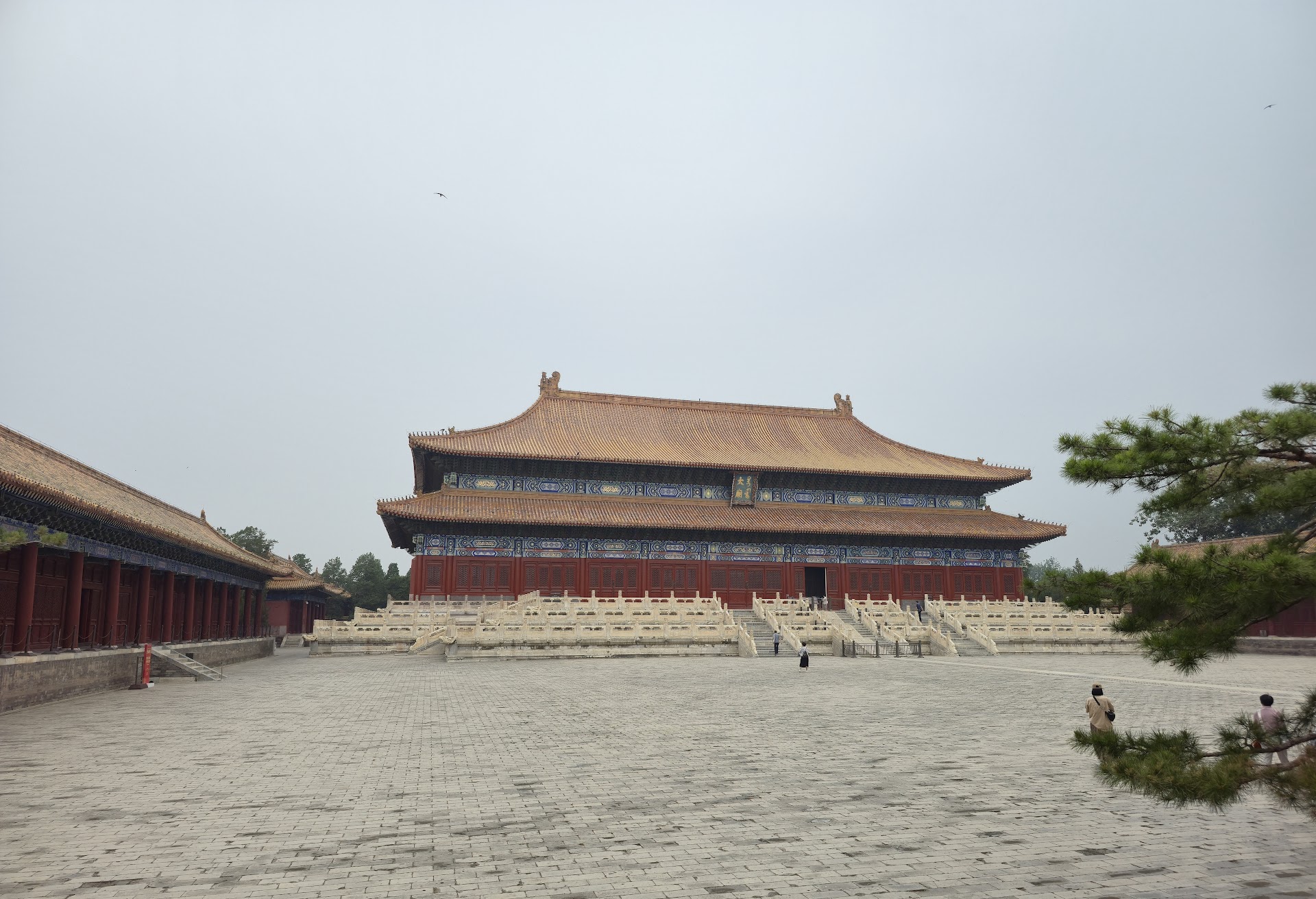
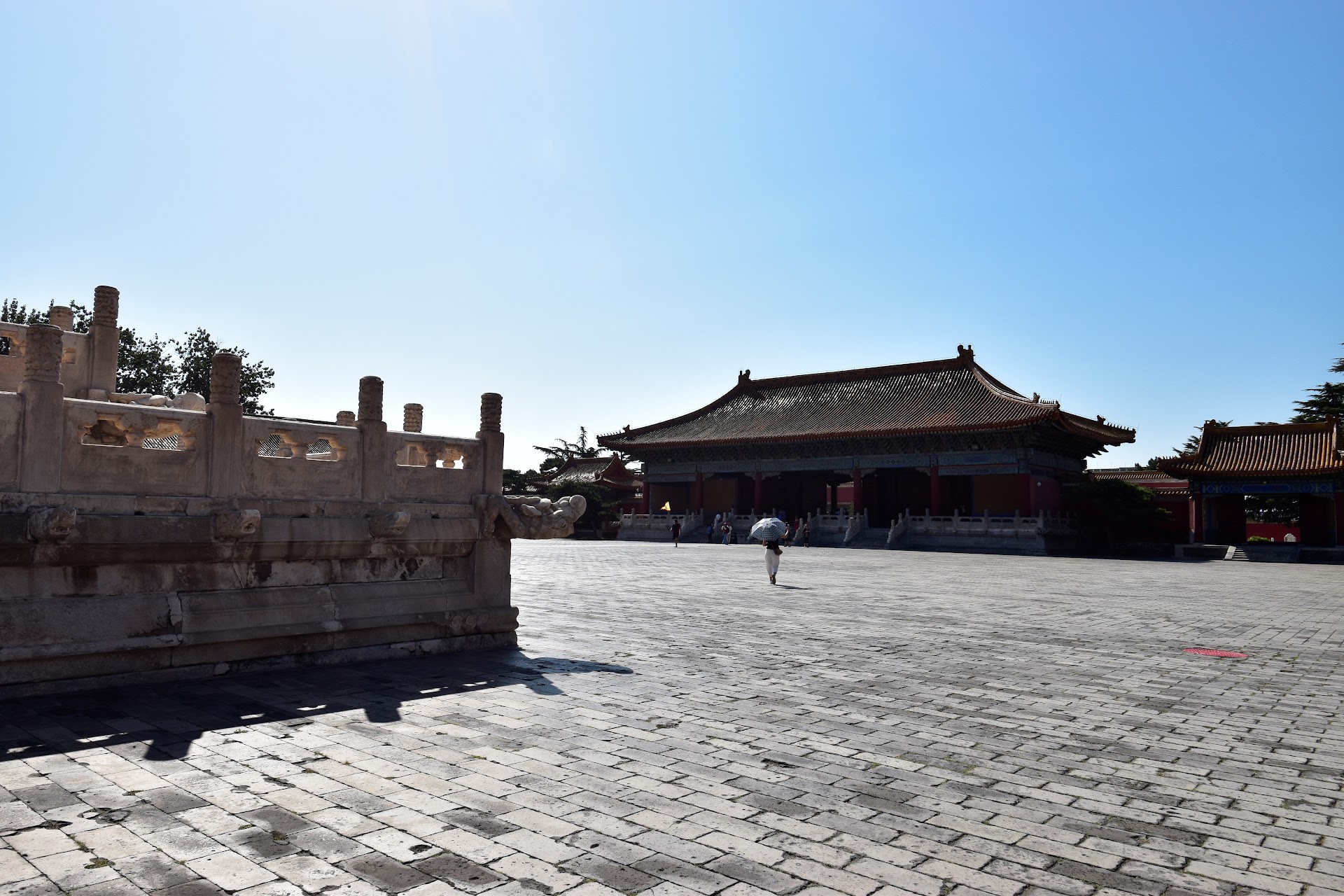
The Imperial Ancestral Temple, or Taimiao of Beijing, is a historic site in the Imperial City, just outside the Forbidden City, where during both the Ming and Qing Dynasties, sacrificial ceremonies were held on the most important festival occasions in honor of the imperial family's ancestors.
Cultural
Scenic
Family friendly
Accessibility
attractions: Tiananmen, Meridian Gate, The Palace Museum, Duanmen, Huangshicheng, 天坛, Zhongshan Park Music Hall, Donghuamen, Forbidden City, Tiananmen Square, restaurants: Donglaishun, Siji Mingfu Roasted Duck Restaurant, 牛哥饺子, Zhushi Kitchen, The Palace Museum Restaurant, 诗意栖居咖啡馆, 狗不理包子, Hangzhou Small Steamed Bun, 亿来乐, Laijin Yuxuan Restaurant, local businesses: National Museum of China, Belvedere of Embodying Benevolence, Xihuamen, Wangfujing International Brand Center, Nine Dragon Screen, 王府世纪, China National Children's Theatre, Wangfujing Food Market, Universal Studios Recreation Group, China Development Corporation Beijing Representative Office, Hamleys
 Learn more insights from Wanderboat AI.
Phone
+86 10 6525 2189
Website
bjwhg.com.cn
Open hoursSee all hours
Sun6:30 a.m. - 7:30 p.m.Closed
Plan your stay

Pet-friendly Hotels in Beijing
Find a cozy hotel nearby and make it a full experience.

Affordable Hotels in Beijing
Find a cozy hotel nearby and make it a full experience.

The Coolest Hotels You Haven't Heard Of (Yet)
Find a cozy hotel nearby and make it a full experience.

Trending Stays Worth the Hype in Beijing
Find a cozy hotel nearby and make it a full experience.
Reviews
Live events

AI Tech & Startup Night — Beijing
Wed, Feb 25 • 11:00 AM
Dongsi 2nd Alley Community Residents' Committee, 460 Dong Si Bei Da Jie, Dong Cheng Qu, Bei Jing Shi, China, 100009
View details
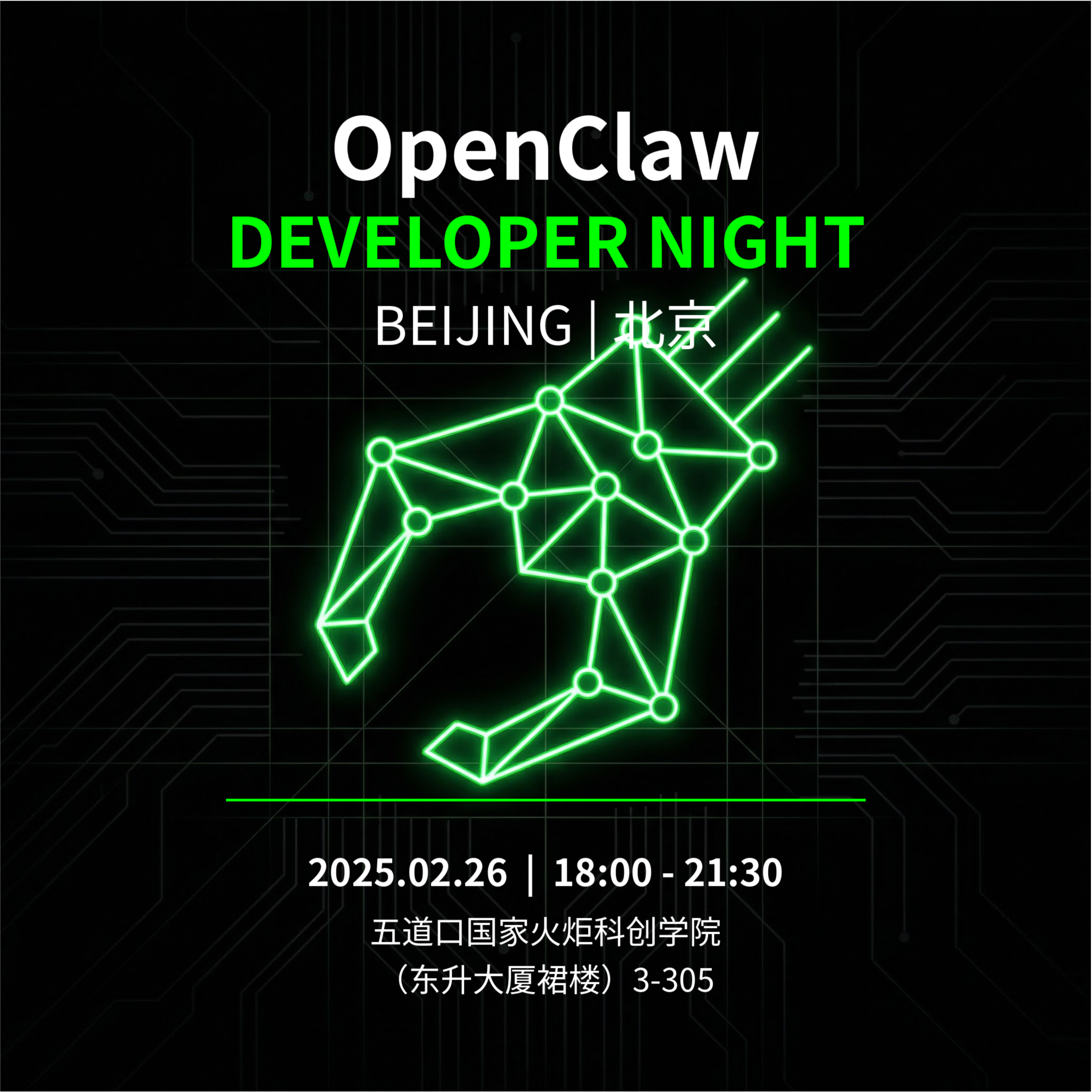
OpenClaw 北京 Developer Night
Thu, Feb 26 • 10:00 AM
Wudaokou, Haidian District, Beijing, China
View details
Nearby attractions of Imperial Ancestral Temple
Tiananmen
Meridian Gate
The Palace Museum
Duanmen
Huangshicheng
天坛
Zhongshan Park Music Hall
Donghuamen
Forbidden City
Tiananmen Square
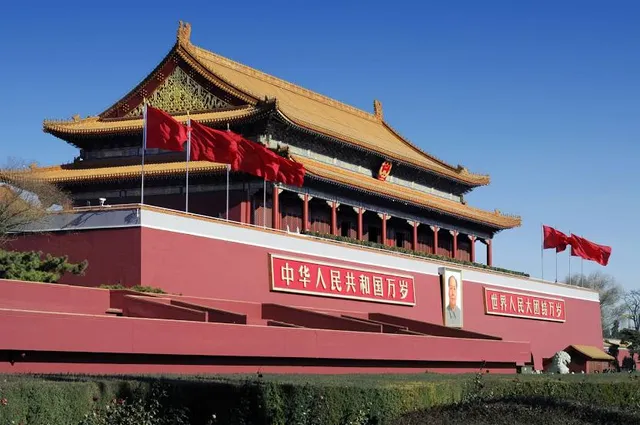
Tiananmen
4.3
(854)
Open 24 hours
Click for details
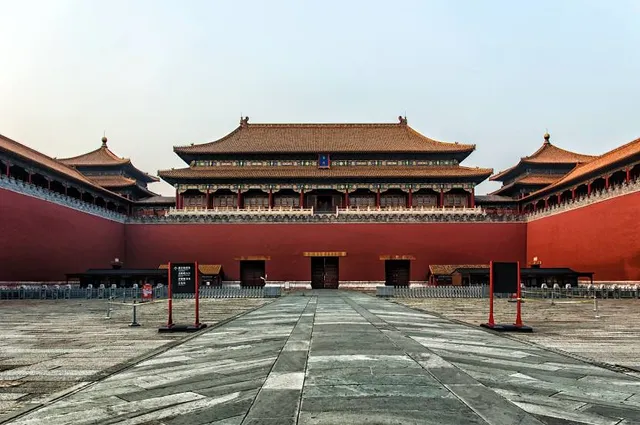
Meridian Gate
4.5
(298)
Closed
Click for details
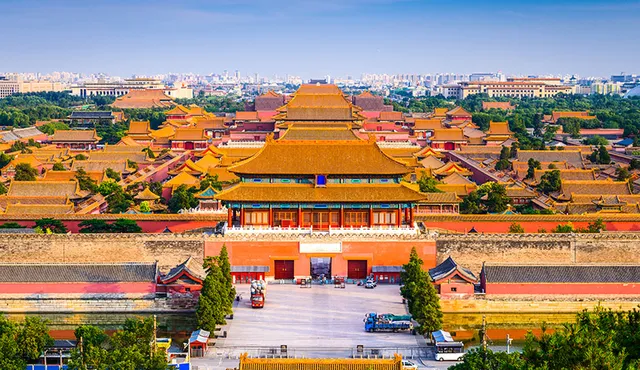
The Palace Museum
4.6
(6.2K)
Closed
Click for details
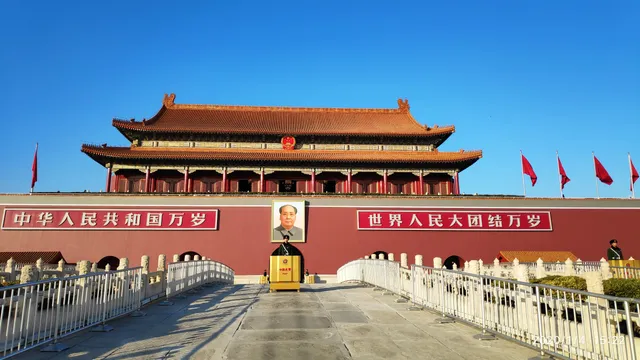
Duanmen
4.3
(44)
Open 24 hours
Click for details
Nearby restaurants of Imperial Ancestral Temple
Donglaishun
Siji Mingfu Roasted Duck Restaurant
牛哥饺子
Zhushi Kitchen
The Palace Museum Restaurant
诗意栖居咖啡馆
狗不理包子
Hangzhou Small Steamed Bun
亿来乐
Laijin Yuxuan Restaurant
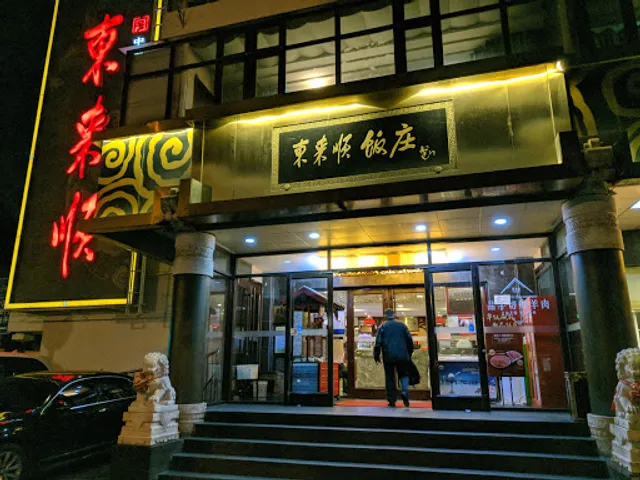
Donglaishun
4.1
(16)
Closed
Click for details
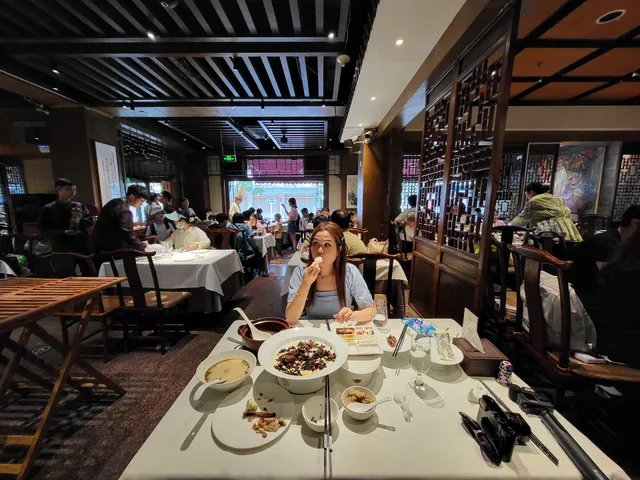
Siji Mingfu Roasted Duck Restaurant
4.4
(87)
Click for details
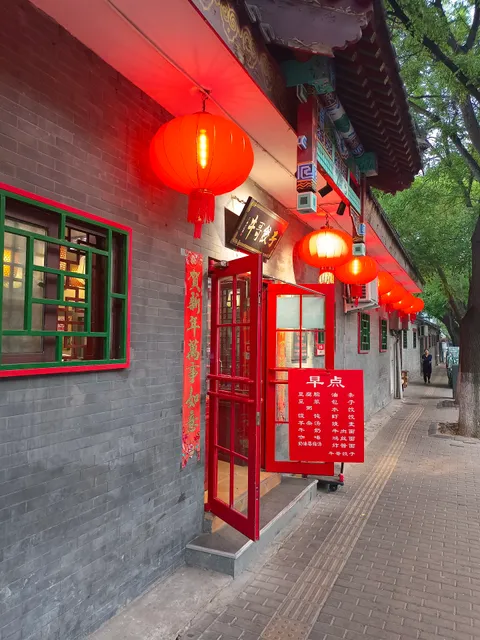
牛哥饺子
4.0
(2)
Closed
Click for details

Zhushi Kitchen
4.3
(3)
Click for details
Nearby local services of Imperial Ancestral Temple
National Museum of China
Belvedere of Embodying Benevolence
Xihuamen
Wangfujing International Brand Center
Nine Dragon Screen
王府世纪
China National Children's Theatre
Wangfujing Food Market
Universal Studios Recreation Group, China Development Corporation Beijing Representative Office
Hamleys
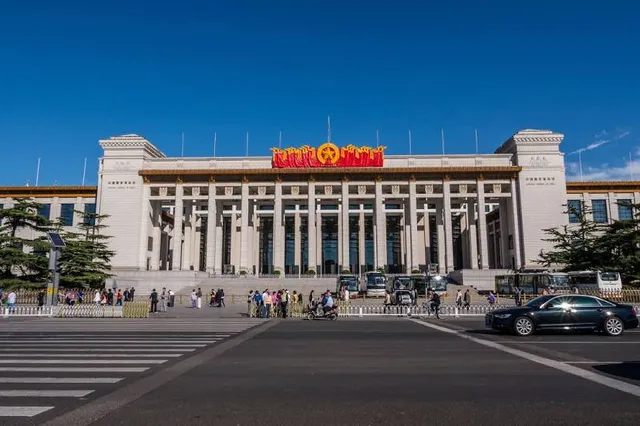
National Museum of China
4.3
(221)
Click for details
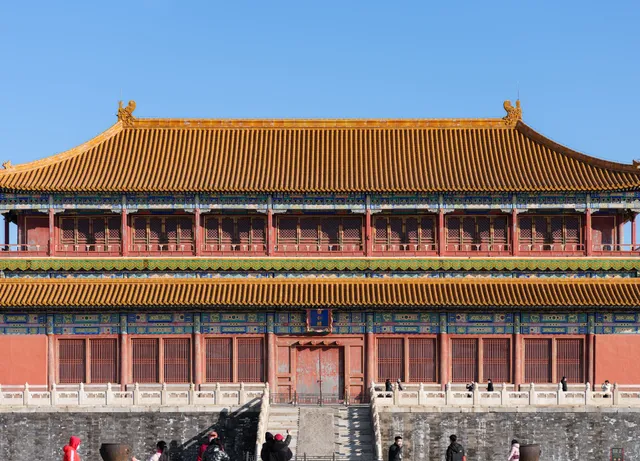
Belvedere of Embodying Benevolence
4.6
(11)
Click for details
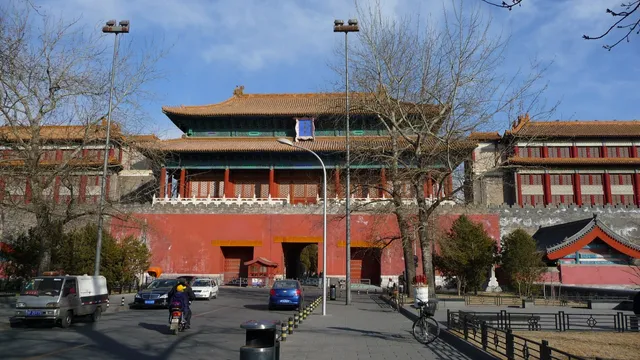
Xihuamen
4.3
(19)
Click for details
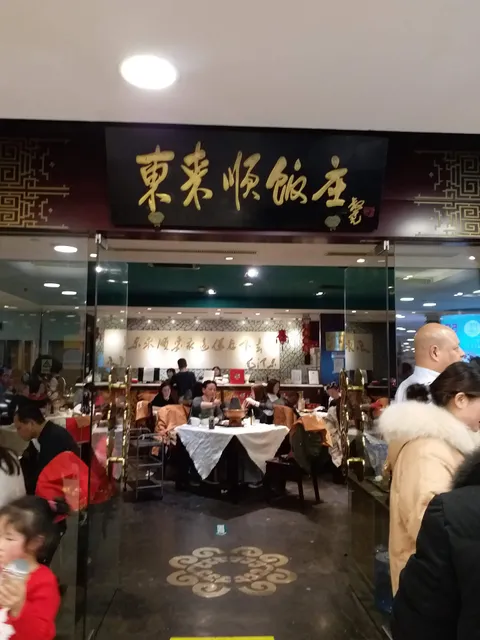
Wangfujing International Brand Center
3.9
(7)
Click for details