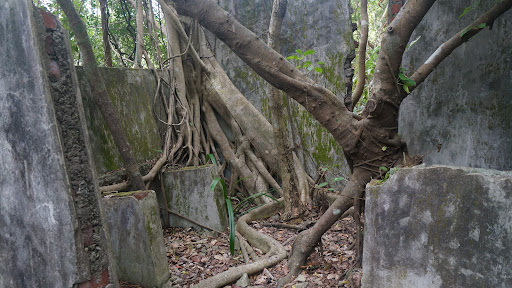
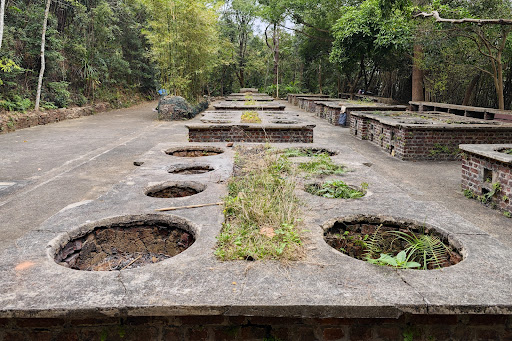
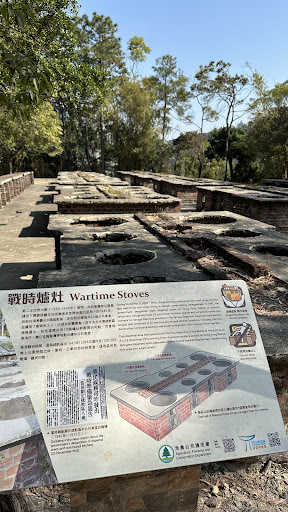
Wartime Stoves things to do, attractions, restaurants, events info and trip planning
Basic Info
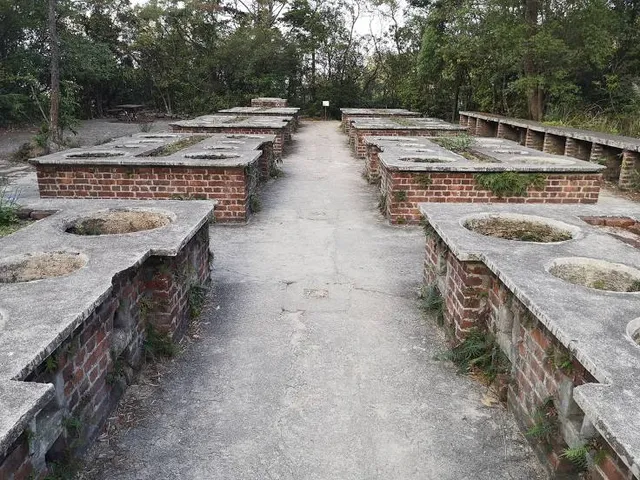
Wartime Stoves
Tai Tam, Quarry Bay Tree Walk, Tai Tam, Hong Kong
4.0(202)
Open until 12:00 AM
Save
spot
spot
Ratings & Description
Info
Cultural
attractions: Hong Pak Country Trail, Observation Deck, Observation Deck, Tai Tam Country Park Quarry Bay Extension Section, 鰂魚涌五厦, The Dinosaur Monolith, Shau Kei Wan Service Reservoir Playground, Tai Tam Country Park Entrance, Siu Ma Shan Peak, Taikoo Park, restaurants: Gingko Moment (Quarry Bay), % Arabica (Monster Mansion), McDonald's (Park Vale), Café de Coral, Thai Niyom Restaurant, Shuran Japanese Restaurant, JELLO & MELLOW, Ban Thai, Jin Gong Guan (Kornhill Plaza), AGE Cuisine Express, local businesses: Tai Tam Country Park Quarry Bay Extension Section, Yick Cheong Building, Siu Ma Shan, 八幡平石燒牛扒專門店, Quarry Pass, Sasa Kornhill, Mannings, 二德惠烘焙DlY專門店 (太古店) | Twins Baking Supplies (Tai Koo)
 Learn more insights from Wanderboat AI.
Open hoursSee all hours
FriOpen 24 hoursOpen
Plan your stay

Pet-friendly Hotels in Hong Kong
Find a cozy hotel nearby and make it a full experience.

Affordable Hotels in Hong Kong
Find a cozy hotel nearby and make it a full experience.

The Coolest Hotels You Haven't Heard Of (Yet)
Find a cozy hotel nearby and make it a full experience.

Trending Stays Worth the Hype in Hong Kong
Find a cozy hotel nearby and make it a full experience.
Reviews
Live events
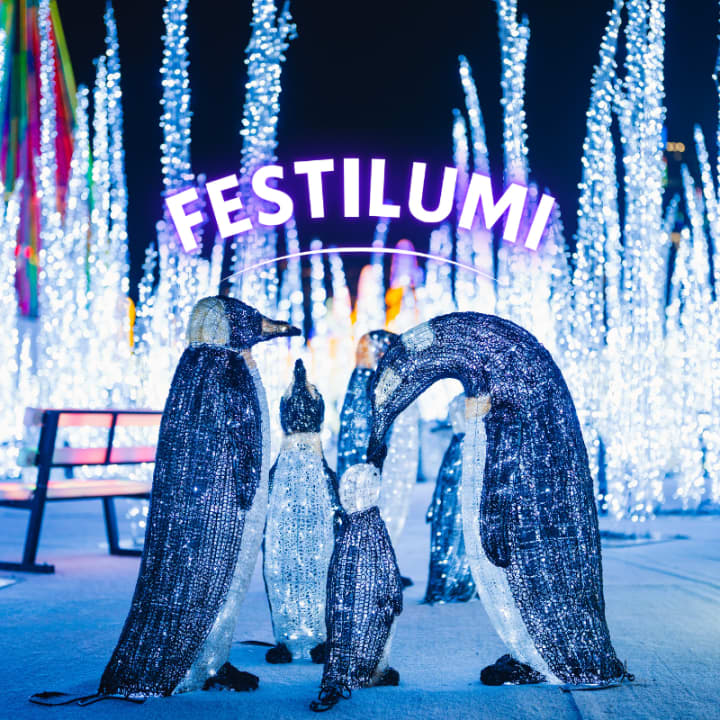
Festilumi - 香港
Fri, Feb 13 • 6:30 PM
3 Hung Hing Rd, Wan Chai, 00000
View details

Candlelight: Ed Sheeran Meets Coldplay
Sat, Feb 14 • 9:00 PM
109 Repulse Bay Rd, Repulse Bay, 000000
View details
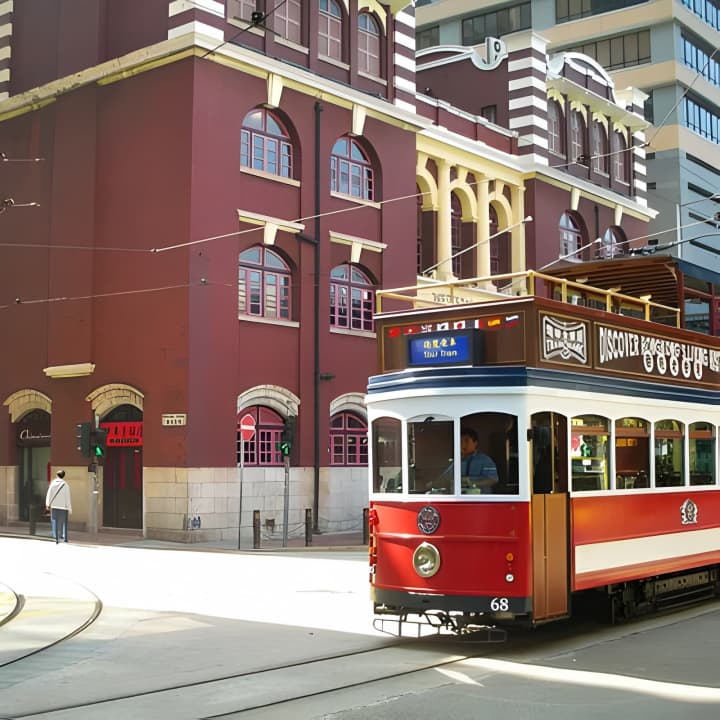
奥拉米克有轨电车观光游加 2 日有轨电车票
Fri, Feb 13 • 10:00 AM
銅鑼灣怡和街88號
View details
Nearby attractions of Wartime Stoves
Hong Pak Country Trail
Observation Deck
Observation Deck
Tai Tam Country Park Quarry Bay Extension Section
鰂魚涌五厦
The Dinosaur Monolith
Shau Kei Wan Service Reservoir Playground
Tai Tam Country Park Entrance
Siu Ma Shan Peak
Taikoo Park
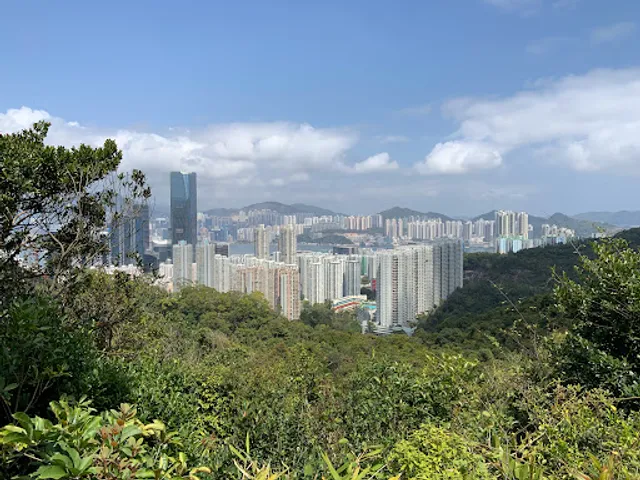
Hong Pak Country Trail
4.3
(70)
Open until 12:00 AM
Click for details
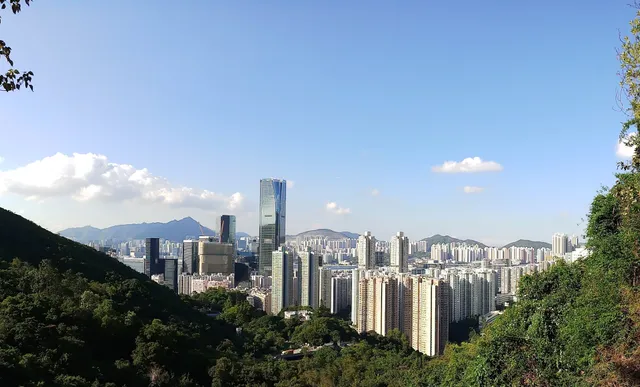
Observation Deck
3.8
(27)
Open until 12:00 AM
Click for details
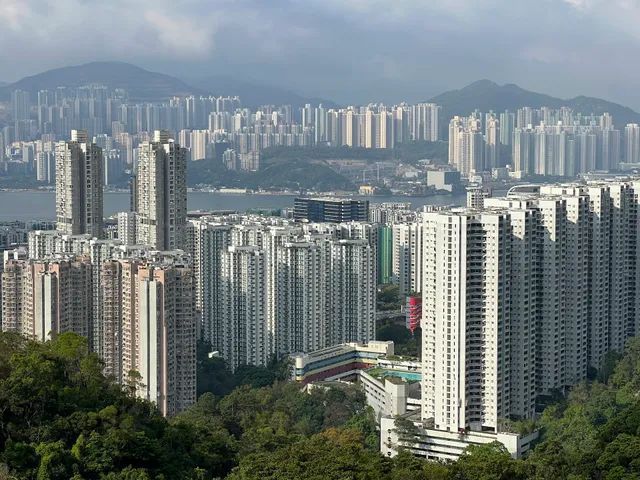
Observation Deck
4.3
(15)
Open until 12:00 AM
Click for details
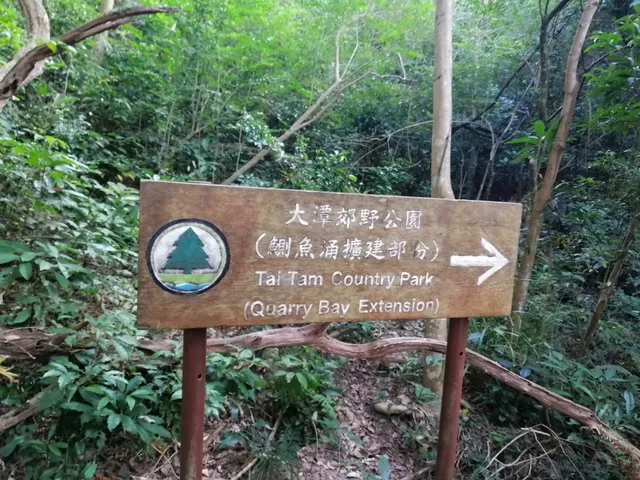
Tai Tam Country Park Quarry Bay Extension Section
4.2
(66)
Open until 12:00 AM
Click for details
Nearby restaurants of Wartime Stoves
Gingko Moment (Quarry Bay)
% Arabica (Monster Mansion)
McDonald's (Park Vale)
Café de Coral
Thai Niyom Restaurant
Shuran Japanese Restaurant
JELLO & MELLOW
Ban Thai
Jin Gong Guan (Kornhill Plaza)
AGE Cuisine Express
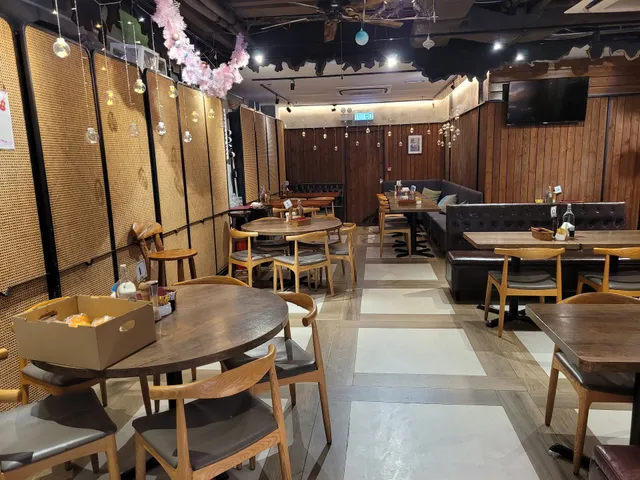
Gingko Moment (Quarry Bay)
4.0
(435)
$$
Open until 10:00 PM
Click for details
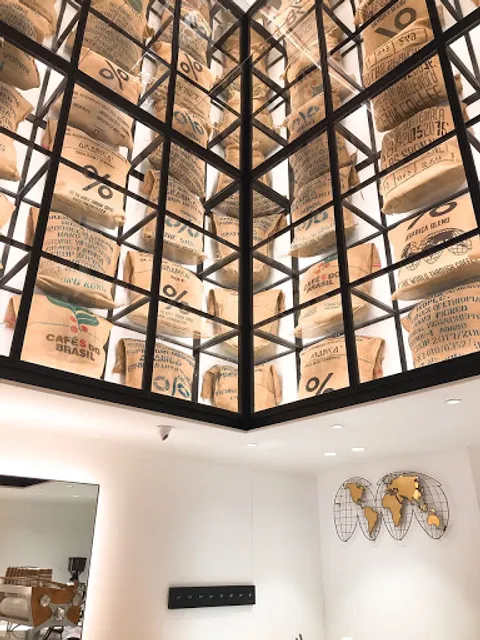
% Arabica (Monster Mansion)
4.3
(194)
Closed
Click for details
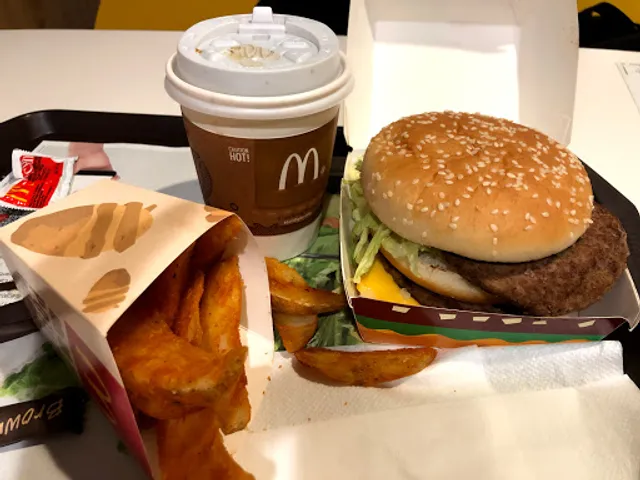
McDonald's (Park Vale)
3.5
(568)
Open until 12:00 AM
Click for details
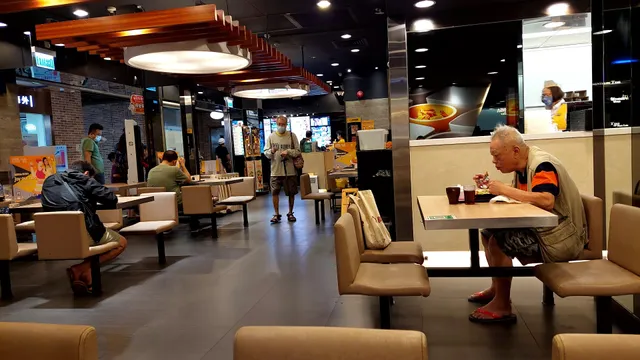
Café de Coral
3.4
(529)
Open until 9:00 PM
Click for details
Nearby local services of Wartime Stoves
Tai Tam Country Park Quarry Bay Extension Section
Yick Cheong Building
Siu Ma Shan
八幡平石燒牛扒專門店
Quarry Pass
Sasa Kornhill
Mannings
二德惠烘焙DlY專門店 (太古店) | Twins Baking Supplies (Tai Koo)
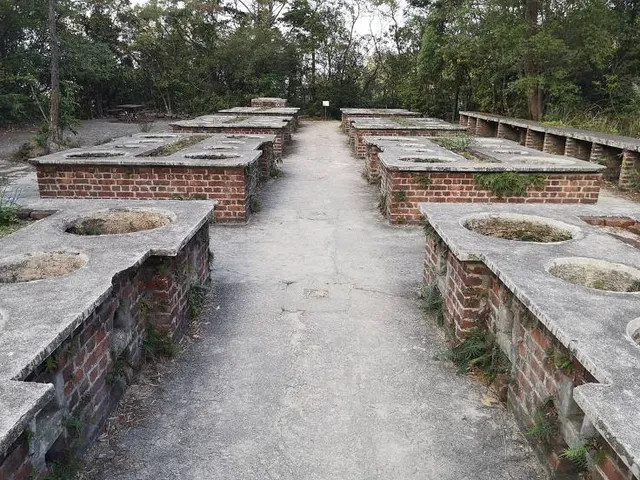
Tai Tam Country Park Quarry Bay Extension Section
4.2
(59)
Click for details
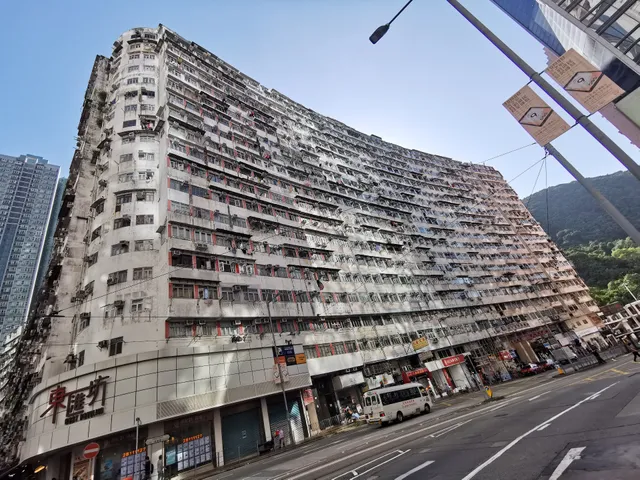
Yick Cheong Building
4.4
(530)
Click for details
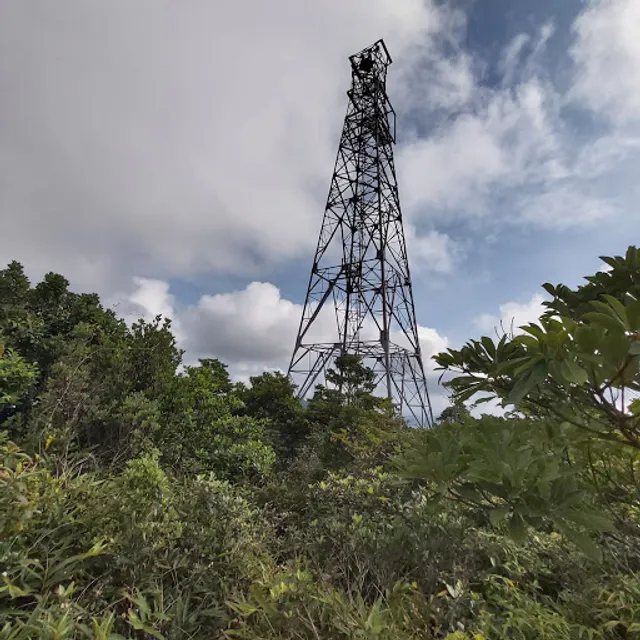
Siu Ma Shan
4.3
(33)
Click for details
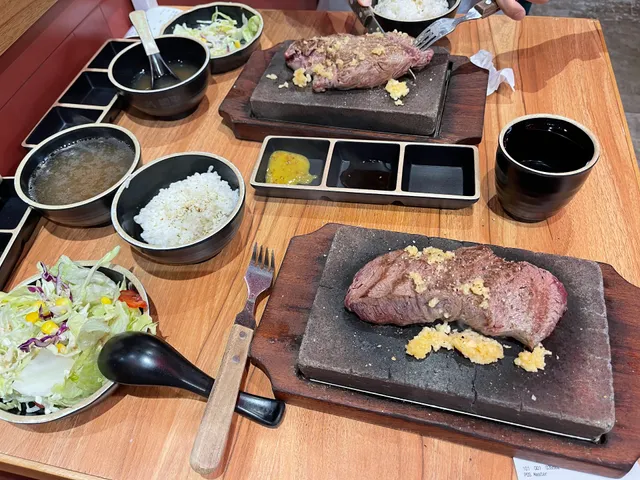
八幡平石燒牛扒專門店
4.2
(63)
Click for details