Shanghai Old Street, historically called Miaoqian Dajie, is an old business street that has a combination of tourist attractions, shops, entertainment and cultural exhibits. It owes its special social attractions and rich commercial background to the fact that the earliest bank, gold shop, jeweler's store, wine shop and tea house of the city were all to be found here.
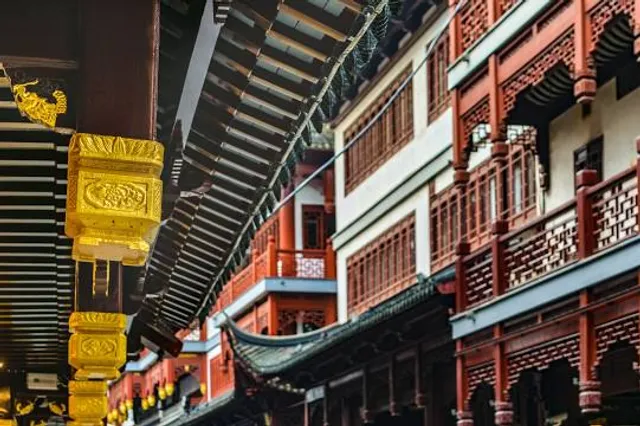
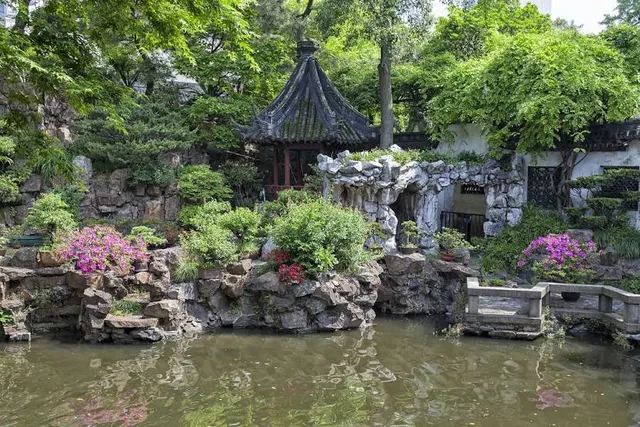
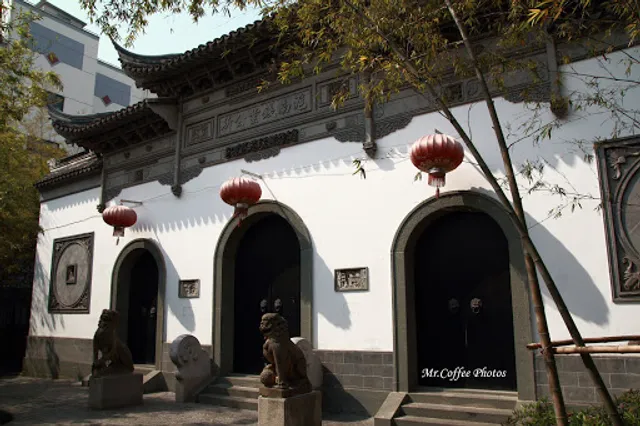
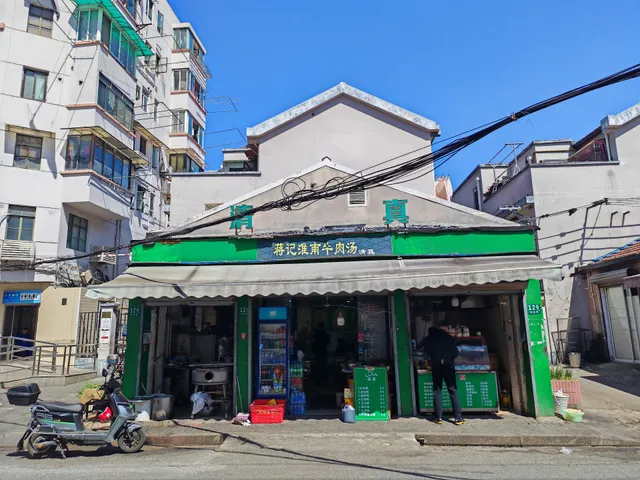
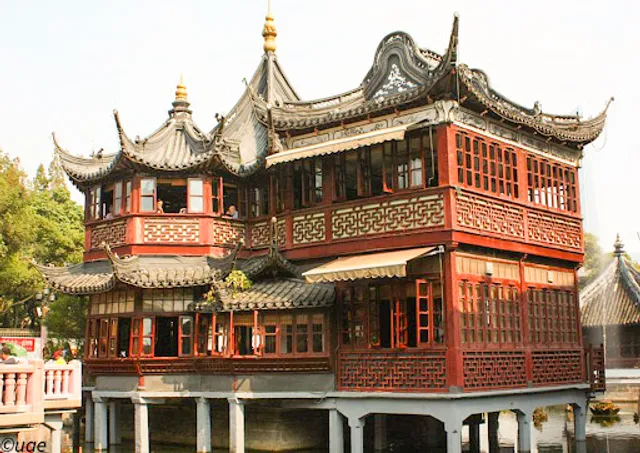
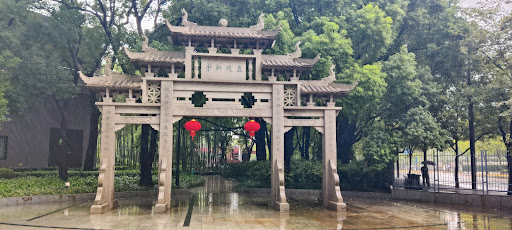
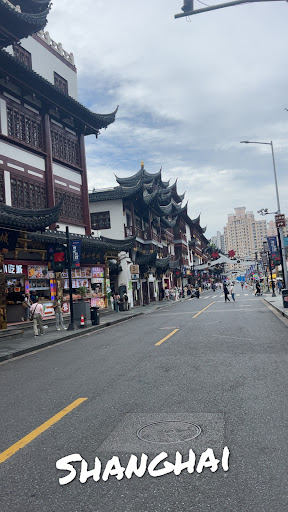
The architecture and the layout of shops in Shanghai Old Street show its development that began during the Ming Dynasty (1368-1644) until the period when European influence made an impact on the city. The western part of this old street begins at South Henan Road and continues to Guanyi Street. The buildings here reflect the style of the Ming and Qing (1644-1911) dynasties and the architecture is elegant in its classic simplicity. Red poles, pink walls and black roofs with upswept eaves are in harmony with the buildings in Yu Garden. The eastern end of Shanghai Old Street, with a length of 500 meters (about 1,640 feet) ends at Renmin Road and after reconstruction and decoration retains the residential characteristics of later Qing Dynasty. The swing doors reach to the ground, the lattice windows and the graceful roofs with upswept eaves are fascinating as they are precisely how foreigners imagine China to be. Although there are several European buildings, they don't contradict the styles of old Shanghai. On the contrary, they are a vital part of the diverse culture here. There are about 225 stores on Shanghai Old Street, each designed carefully according to its function. Shops purveying handicraft articles, paintings, calligraphies and jewelry are well-appointed and give you plenty of variety from which to choose what you want. On the eastern part, old shops such as the Tong Han Chun Pharmacy, Lao Tong Sheng Food Store, Wu Liang Cai Glass Shop, De Shun restaurant, take you back to the Shanghai of 100 years ago. In the Chun Feng De Yi Lou teahouse, you can enjoy Yuanbao Tea served with two olives in it. On weekends, the Pingtan (Suzhou Ballads) are performed here too. In the Old Tea House, the owner has on display a collection of fifty cheongsams, traditionally styled ladies dresses, dating from the 1930s. By contrast at the western end of the street is where items of folk culture may be bought. The antique shops, embroidery houses and wonderful fabric shops symbolize the commercial prosperity...
Read moreBefore Shanghai is what it is today, it was once a small village settlement just south of the concession areas. During that period, that settlement was known as the Old City or South City, a small congested area of narrow alleyways and streets. This is Shanghai proper, in which its first known existence during the Song dynasty. The city grew in importance during the Ming dynasty when a city walled is built in this area as well as the construction of the City God Temple. Remnants of Ming and Qing dynasty architecture can be found throughout the old city as well as some remains of the old city wall. While the Bund is representative of new Shanghai - the new great city built and establishing Shanghai’s trading importance to the world - the Old City represents its ancient and imperial history. Like the new city, trade was the key ingredient of the city’s influence. Shanghai Old Street, close to the Huangpu riverbank starts at where Renmin Road is today. This is roughly where the former city wall stood. The roads zig-zag out of various lanes, alleyways and roads through a congregate of sights and sounds that would often surprise you. This is not the glitzy Shanghai that many people often expect. Here, the old meets new in a chaotic way. Ming architecture intermingling with western influences but still maintaining a symbiotic bond that make the entire fusion seamless. Sure, the British might have claimed The Bund as the financial centre of the International Settlement, but here in the Old City is where the first bank, shop, tea houses and other trading stores were established. This was the centre of commerce. This part of the old city, on Fangbang Road Middle was restored and turned into an attraction for visitors to the city to witness and explore the old history of the area. A the corner, a building houses Tong Han Chun Tang, a traditional Chinese medicine store that’s been established since 1783. The entire area is filled with stories just like Tong...
Read moreShanghai Old Street is a must-visit spot if you want to experience the charm of old Shanghai blended with the city’s modern vibrance. Walking down the street feels like stepping back in time, with beautifully preserved traditional architecture, intricate wooden facades, curved rooflines, and vibrant red lanterns hanging above the narrow lanes.
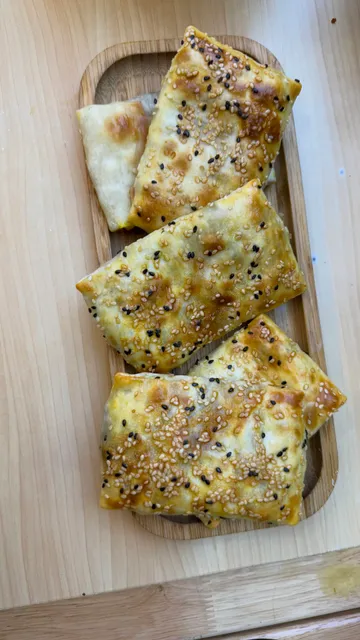
The atmosphere is lively yet not overwhelming, with a mix of souvenir shops, tea houses, snack stalls, and small restaurants offering both local and regional delicacies. Street food lovers will find plenty to try — from freshly made dumplings and steamed buns to candied fruits and savory pancakes. Many vendors are friendly and happy to explain what they are selling, even if there’s a slight language barrier.
What I really enjoyed was the balance between tourist attractions and authentic local culture. While there are souvenir shops, you’ll also find local craftsmen making traditional items, calligraphy pieces, and beautiful silk products. Prices can vary — some are quite reasonable, but for higher-end souvenirs, be ready to bargain politely.
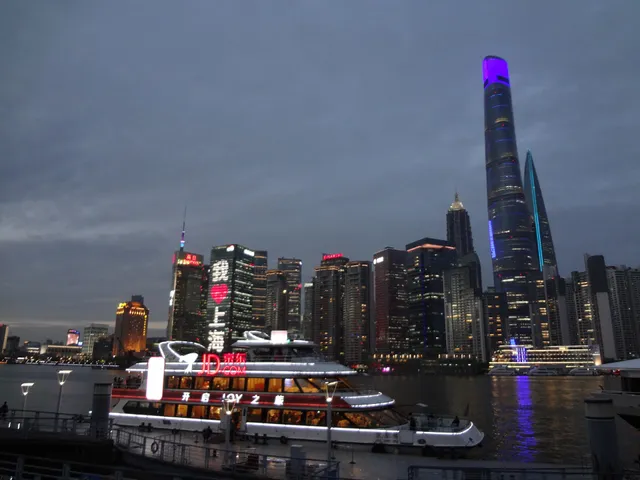
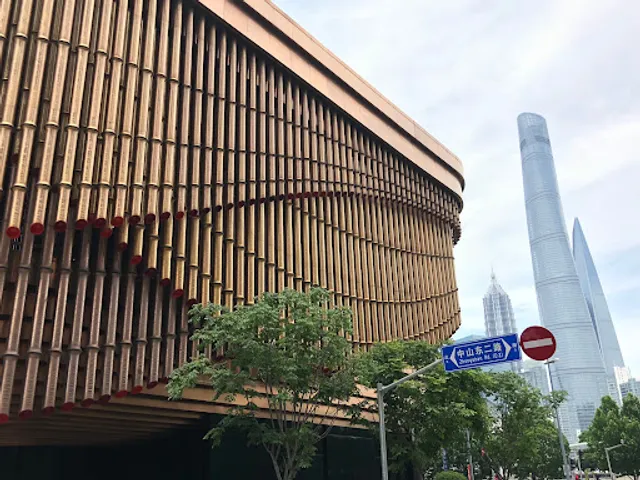
The street is well-maintained and clean, with signs in both Chinese and English, making it easy for visitors to explore. It’s also a fantastic place for photography — the contrast of old-style buildings against the backdrop of modern Shanghai skyscrapers is truly striking.
I recommend visiting in the late afternoon so you can enjoy the atmosphere during daylight and stay until evening when the lanterns light up, giving the street a magical glow.
Overall, Shanghai Old Street offers a perfect combination of history, culture, shopping, and food. Whether you’re a history enthusiast, a foodie, or just someone looking for a pleasant stroll in a charming setting, this place will...
Read more